


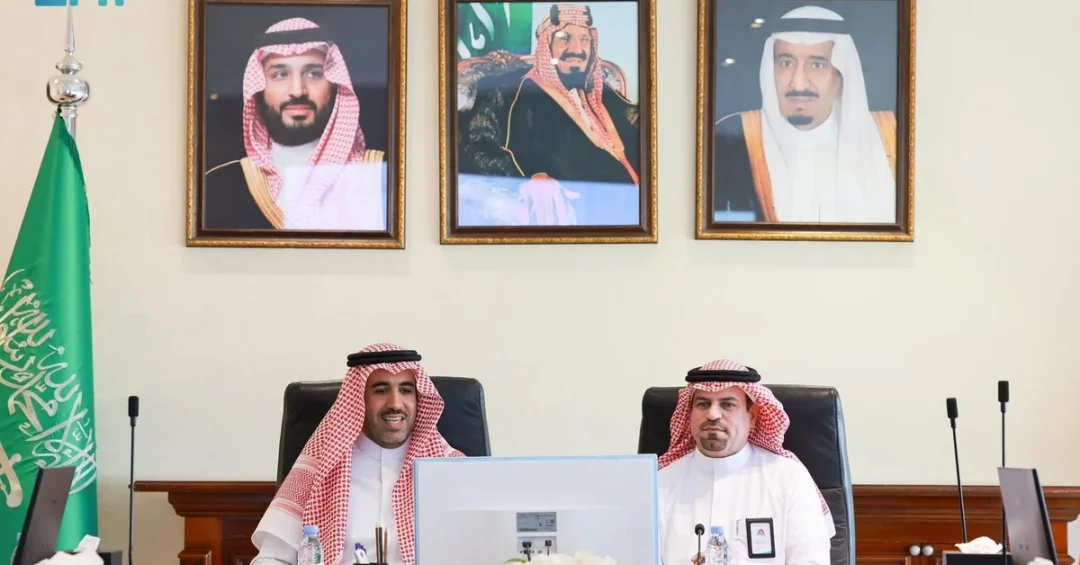
The King Abdulaziz and His Companions Foundation for Giftedness and Creativity (Mawhiba) and the Riyadh Education Directorate have reaffirmed their commitment to identifying and nurturing talented students across the Kingdom, during a high-level meeting held in Riyadh on Thursday. Acting Secretary General of Mawhiba, Dr. Khalid Al-Sharif, and Director-General of Education in Riyadh, Dr. Nayef Al-Zaari, discussed strengthening their partnership to invest in promising human capital, aligning with Saudi Arabia’s Vision 2030 goals of sustainable development and global competitiveness.
Context and Background
Mawhiba, established in 2000, is a leading Saudi institution dedicated to discovering and supporting gifted and creative students. Through specialized programs, the foundation provides high-quality knowledge and fosters an environment where talent can thrive. The Riyadh Education Directorate, part of the Ministry of Education, oversees public and private schools in the capital, making it a key partner in reaching students at scale. This collaboration exemplifies Saudi Arabia’s broader efforts to build a knowledge-based economy by investing in its youth.
The meeting underscores the importance of strategic partnerships in achieving national objectives. By joining forces, Mawhiba and the Riyadh Education Directorate aim to expand their reach and impact, ensuring that talented students receive the support they need to excel locally and internationally.
Key Details
During the meeting, Dr. Al-Sharif and Dr. Al-Zaari emphasized the significance of identifying and nurturing talented students from an early age. They discussed ways to enhance cooperation, including the implementation of specialized programs that cater to gifted students’ unique needs. These programs are designed to upgrade students’ qualifications, enabling them to participate in international competitions and Olympiads, where Saudi students have consistently achieved remarkable results.
Mawhiba’s initiatives include enrichment programs, mentorship opportunities, and advanced training in science, technology, engineering, and mathematics (STEM). The foundation also works to raise awareness among educators and parents about the importance of supporting gifted learners. The Riyadh Education Directorate will facilitate access to schools and provide logistical support to ensure the success of these programs.
“Investing in our youth is investing in the future of our nation,” Dr. Al-Sharif said, highlighting Mawhiba’s commitment to creating a nurturing environment for talent. Dr. Al-Zaari echoed this sentiment, noting that the partnership will help identify hidden talents and provide them with the tools to succeed.
Implications and Impact
This collaboration is expected to have far-reaching implications for Saudi Arabia’s educational landscape and its global standing. By systematically identifying and developing gifted students, the Kingdom can build a pipeline of highly skilled individuals who will drive innovation and economic growth. Participation in international Olympiads not only showcases Saudi talent but also enhances the country’s reputation as a hub for excellence and creativity.
Furthermore, the partnership aligns with Saudi Arabia’s efforts to diversify its economy away from oil dependence. A skilled workforce is essential for achieving the goals of Vision 2030, which seeks to transform the Kingdom into a global investment powerhouse and a center for talent and innovation. The collaboration between Mawhiba and the Riyadh Education Directorate serves as a model for other regions to follow, demonstrating the power of collective action in nurturing human capital.
Vision 2030 Alignment
The partnership directly supports Vision 2030’s Human Capability Development Program, which aims to prepare Saudis for the jobs of the future and enhance their global competitiveness. By investing in gifted education, Mawhiba and the Riyadh Education Directorate are contributing to the creation of a vibrant society and a thriving economy. This initiative reflects the Kingdom’s unwavering commitment to empowering its youth and ensuring that Saudi Arabia remains at the forefront of global innovation and progress.
20 Questions
Q1. What is Mawhiba and what is its mission?
A1. Mawhiba, the King Abdulaziz and His Companions Foundation for Giftedness and Creativity, is a Saudi institution established in 2000 to discover and nurture gifted and creative students. Its mission is to provide specialized programs and a supportive environment that fosters talent, contributing to the Kingdom’s sustainable development and global competitiveness.
Q2. Who represented Mawhiba and the Riyadh Education Directorate in the recent meeting?
A2. The meeting was attended by Dr. Khalid Al-Sharif, Acting Secretary General of Mawhiba, and Dr. Nayef Al-Zaari, Director-General of Education in Riyadh. They discussed strengthening their partnership to identify and nurture talented students.
Q3. What was the main purpose of the meeting between Mawhiba and the Riyadh Education Directorate?
A3. The meeting aimed to discuss ways to strengthen their partnership in identifying and nurturing talented students, emphasizing the importance of investing in promising human capital to achieve sustainable development and global competitiveness.
Q4. How does Mawhiba support gifted students?
A4. Mawhiba supports gifted students through specialized programs, mentorship, and advanced training in STEM fields. It also prepares them for international competitions and Olympiads, and raises awareness among educators and parents about the importance of supporting gifted learners.
Q5. Why is investing in talented students important for Saudi Arabia?
A5. Investing in talented students is crucial for Saudi Arabia’s sustainable development and global competitiveness. It helps build a skilled workforce that drives innovation and economic growth, aligning with Vision 2030’s goal of creating a knowledge-based economy.
Q6. What role does the Riyadh Education Directorate play in this partnership?
A6. The Riyadh Education Directorate facilitates access to schools and provides logistical support to ensure the success of Mawhiba’s programs. It helps reach talented students at scale and ensures that they receive the necessary resources to excel.
Q7. What are some of Mawhiba’s key programs?
A7. Mawhiba’s key programs include enrichment activities, mentorship opportunities, and advanced training in science, technology, engineering, and mathematics. These programs are designed to upgrade students’ qualifications and enable them to participate in international competitions and Olympiads.
Q8. How does Mawhiba contribute to Vision 2030?
A8. Mawhiba contributes to Vision 2030 by nurturing human capital, which is essential for economic diversification and sustainable development. Its programs help prepare Saudi youth for future jobs and enhance the Kingdom’s global competitiveness.
Q9. What are international Olympiads and why are they important?
A9. International Olympiads are prestigious competitions in subjects like math, science, and informatics. They provide a platform for students to showcase their talents globally. Participation enhances Saudi Arabia’s reputation for excellence and fosters a culture of innovation.
Q10. How can schools and educators support gifted students?
A10. Schools and educators can support gifted students by identifying their talents early, providing differentiated instruction, and collaborating with organizations like Mawhiba. They can also raise awareness among parents and create an inclusive environment that nurtures creativity.
Q11. What is the significance of the partnership between Mawhiba and the Riyadh Education Directorate?
A11. The partnership signifies a collaborative effort to maximize the potential of Saudi youth. By combining resources and expertise, it ensures a more systematic approach to identifying and developing gifted students, leading to a greater impact on the educational landscape.
Q12. How does Mawhiba measure the success of its programs?
A12. Mawhiba measures success through student achievements in competitions, participation rates, and feedback from educators and parents. It also tracks the progression of students into higher education and their contributions to various fields.
Q13. What challenges does Mawhiba face in identifying gifted students?
A13. Challenges include reaching students in remote areas, ensuring equitable access to programs, and overcoming societal misconceptions about gifted education. Mawhiba addresses these by expanding its reach and raising awareness through partnerships.
Q14. How can parents support their gifted children?
A14. Parents can support their gifted children by recognizing their talents, encouraging curiosity, and seeking out enrichment opportunities. Collaborating with schools and organizations like Mawhiba can provide additional resources and guidance.
Q15. What is the role of the Ministry of Education in this initiative?
A15. The Ministry of Education oversees the educational system and supports initiatives like Mawhiba’s. Through directorates like Riyadh Education, it facilitates partnerships, provides policy support, and ensures alignment with national educational goals.
Q16. How does Mawhiba ensure equal opportunities for all students?
A16. Mawhiba strives to identify talent regardless of background by using standardized assessments and outreach programs. It collaborates with schools across regions to ensure that all students have access to opportunities for developing their gifts.
Q17. What impact has Mawhiba had on Saudi students so far?
A17. Mawhiba has helped numerous Saudi students excel in international competitions and gain admission to prestigious universities. Its alumni have contributed to various fields, including science, technology, and entrepreneurship, enhancing the Kingdom’s human capital.
Q18. What future plans does Mawhiba have to expand its reach?
A18. Mawhiba plans to establish more partnerships with leading organizations in the development sector, expand its programs to new regions, and leverage technology to reach a wider audience. It aims to continuously innovate to meet the evolving needs of gifted students.
Q19. How can other regions replicate the Mawhiba-Riyadh partnership?
A19. Other regions can replicate this partnership by fostering collaboration between educational directorates and gifted education organizations. Key elements include shared goals, resource pooling, and a commitment to identifying and nurturing local talent.
Q20. What message does this partnership send to the international community?
A20. This partnership demonstrates Saudi Arabia’s dedication to investing in its youth and building a knowledge-based economy. It signals to the international community that the Kingdom is serious about developing its human capital and competing globally in innovation and excellence.
Reader Feedback
We value your thoughts. Please share your feedback on this article.
Your feedback helps us improve our coverage.
Related articles
 Mawhiba Celebrates 107 Global Awards, Expands Youth Programs
 Jeddah Hosts Eye on Sea Event for 94th National Day
 Mawhiba Marks 94th National Day, Showcases Achievements
 Riyadh Recognizes Educators on World Teachers’ Day
 Saudi Arabia Celebrates World Teachers’ Day 2024
 Princess Nourah University Launches Three Professional Programs Under MicroX Initiative