


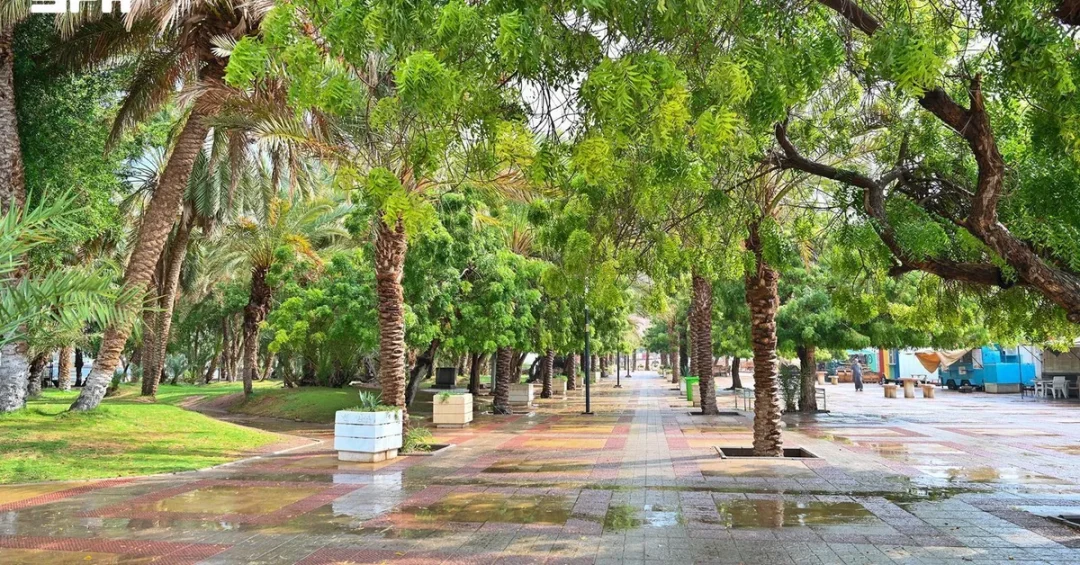
Moderate rainfall fell across Haql Governorate and its surrounding areas on October 10, 2026, as confirmed by the Saudi Press Agency (SPA). The precipitation, which began earlier in the day, affected Wadi Mabrak, Al-Humaydah, and Ad-Durrah, marking a significant weather event in the northwestern region of the Kingdom. Light to moderate rain was also recorded in Alqan Center and its neighboring areas, including Hudayb Al-Bayd, Al-Sadarah, Al-Bayanah, and Wadi Tharaf, as well as in Abu Al-Hanshan Center and its surroundings, such as Al-Wadi Al-Asmar and Wadi Mabrak. Cloudy skies persist, with a continued chance of rainfall, according to the SPA report. This weather event highlights the Kingdom’s ongoing environmental monitoring and commitment to public safety.
Context and Background
Haql Governorate is located in the Tabuk Province of Saudi Arabia, near the borders with Jordan and Egypt. The region is known for its distinctive desert landscape and occasional seasonal rains that support local agriculture and replenish groundwater reserves. The Saudi National Center for Meteorology (NCM) regularly issues weather forecasts and warnings to ensure public safety and inform residents and travelers. The recent rainfall aligns with historical weather patterns in the area, where autumn months often bring scattered showers. The SPA, the official news agency of Saudi Arabia, disseminated the information, underscoring the Kingdom’s commitment to transparent and timely communication with its citizens and the international community. Such weather events are closely monitored as part of Saudi Arabia’s broader environmental and climate resilience strategies.
Key Details
The rainfall, described as moderate, was observed in multiple locations within Haql Governorate. According to the SPA, Wadi Mabrak, Al-Humaydah, and Ad-Durrah experienced moderate rain. Additionally, light to moderate rainfall was recorded in Alqan Center and its surrounding areas, including Hudayb Al-Bayd, Al-Sadarah, Al-Bayanah, and Wadi Tharaf. Similarly, Abu Al-Hanshan Center and its surroundings, such as Al-Wadi Al-Asmar and Wadi Mabrak, received light to moderate rain. The SPA report did not mention any casualties or significant damage, suggesting that the rainfall was largely beneficial and posed minimal risk. Cloudy skies are expected to persist, with a continued chance of rainfall, indicating that further precipitation may occur in the coming hours. The National Center for Meteorology continues to monitor the situation and will issue updates as necessary.
Implications and Impact
The rainfall in Haql Governorate and surrounding areas brings both opportunities and challenges. On the positive side, it provides essential moisture for local vegetation, supports agricultural activities, and contributes to the recharge of aquifers, which are vital for water supply in arid regions. It also offers a refreshing change in weather, potentially boosting local tourism as visitors may be drawn to the transformed landscape. However, moderate rainfall can lead to flash floods in dry riverbeds (wadis), and authorities may advise caution. The Saudi government, through its agencies, is well-prepared to manage such events, with infrastructure and emergency services in place to ensure public safety. This weather event also serves as a reminder of the importance of water conservation and climate adaptation in line with Saudi Arabia’s environmental goals. Internationally, it highlights the Kingdom’s ability to handle natural phenomena efficiently and its commitment to sharing information through official channels like the SPA.
Vision 2030 Alignment
This weather event and the official response reflect Saudi Arabia’s broader Vision 2030 objectives, which include sustainable development and environmental stewardship. The Kingdom is investing in advanced meteorological technologies and infrastructure to better predict and manage weather-related events, ensuring the safety and well-being of its citizens and residents. Moreover, the accurate and timely dissemination of information through the SPA demonstrates transparency and aligns with the Vision’s goal of a robust and responsive government. As Saudi Arabia continues to diversify its economy and enhance quality of life, such events underscore the importance of resilience and preparedness. The positive management of this rainfall in Haql Governorate is a small but meaningful example of how the Kingdom is progressing toward a sustainable and secure future.
20 Questions
Q1. What areas in Haql Governorate received moderate rainfall on October 10, 2026?
A1. Moderate rainfall fell in Wadi Mabrak, Al-Humaydah, and Ad-Durrah within Haql Governorate, as reported by the Saudi Press Agency. These areas experienced significant precipitation, contributing to local water resources.
Q2. Which centers and surrounding areas recorded light to moderate rainfall?
A2. Alqan Center and its surrounding areas, including Hudayb Al-Bayd, Al-Sadarah, Al-Bayanah, and Wadi Tharaf, recorded light to moderate rainfall. Additionally, Abu Al-Hanshan Center and its surroundings, such as Al-Wadi Al-Asmar and Wadi Mabrak, experienced similar conditions.
Q3. What is the current weather outlook for Haql Governorate?
A3. Cloudy skies persist, with a continued chance of rainfall, according to the Saudi Press Agency. The National Center for Meteorology is monitoring the situation and will provide updates as needed.
Q4. Which agency reported the rainfall in Haql Governorate?
A4. The Saudi Press Agency (SPA), the official news agency of Saudi Arabia, reported the rainfall. The SPA is a reliable source for official news and information.
Q5. When did the rainfall occur in Haql Governorate?
A5. The rainfall occurred on October 10, 2026, as per the SPA report. The event was recorded during the day, with moderate to light intensities across various locations.
Q6. Did the rainfall cause any damage or casualties?
A6. The SPA report did not mention any casualties or significant damage. The rainfall appears to have been largely beneficial, with no immediate reports of negative impacts.
Q7. What are the benefits of rainfall in arid regions like Haql?
A7. Rainfall in arid regions supports vegetation, replenishes groundwater, and aids agriculture. It also provides temporary relief from dry conditions and can enhance local tourism.
Q8. How does Saudi Arabia monitor weather events?
A8. The National Center for Meteorology (NCM) monitors weather events using advanced technology. It issues forecasts and warnings to ensure public safety and inform residents.
Q9. What is the significance of the SPA reporting this weather event?
A9. The SPA’s reporting demonstrates transparency and timely communication. It keeps the public informed and showcases the Kingdom’s commitment to sharing official information.
Q10. How does this rainfall align with Saudi Arabia’s environmental goals?
A10. The rainfall supports environmental goals by replenishing water resources and promoting sustainability. It aligns with Vision 2030’s focus on environmental stewardship and resilience.
Q11. Are there any safety advisories issued for the affected areas?
A11. The SPA report did not include specific safety advisories. However, authorities may advise caution due to potential flash floods in wadis during rainfall events.
Q12. What role does the National Center for Meteorology play in such events?
A12. The NCM monitors weather conditions, issues forecasts, and provides warnings. It plays a crucial role in ensuring public safety and preparedness during weather events.
Q13. How might this rainfall affect local agriculture in Haql?
A13. The rainfall can benefit local agriculture by providing moisture for crops and pastures. It supports farming activities and contributes to the overall agricultural productivity of the region.
Q14. Is this weather event unusual for Haql Governorate?
A14. Rainfall in Haql is not unusual during certain seasons, particularly in autumn. The region occasionally experiences such precipitation, which is part of its natural climate pattern.
Q15. What should residents do during continued rainfall?
A15. Residents should stay informed through official channels like the SPA and NCM. They should avoid wadis and low-lying areas to prevent flash flood risks and follow any safety instructions.
Q16. How does Saudi Arabia’s infrastructure handle rainfall events?
A16. Saudi Arabia has developed infrastructure to manage rainfall, including drainage systems and emergency services. The Kingdom continuously improves its resilience to weather events.
Q17. What is the significance of Wadi Mabrak receiving rainfall?
A17. Wadi Mabrak is a notable wadi that benefits from rainfall, which can enhance local ecosystems. It also serves as a water source for surrounding areas.
Q18. How does the SPA ensure accurate reporting of weather events?
A18. The SPA relies on official sources like the NCM for accurate weather information. It follows strict editorial standards to provide reliable news to the public.
Q19. What are the potential tourism implications of rainfall in Haql?
A19. Rainfall can attract tourists interested in desert landscapes and nature. It may boost local tourism, showcasing the region’s beauty and supporting the economy.
Q20. How does this event reflect Saudi Arabia’s Vision 2030?
A20. The event reflects Vision 2030 through effective government response, environmental monitoring, and public communication. It highlights the Kingdom’s commitment to sustainability and quality of life.
Reader Feedback
We value your thoughts. Please share your feedback on this article.
Your feedback helps us improve our coverage.