


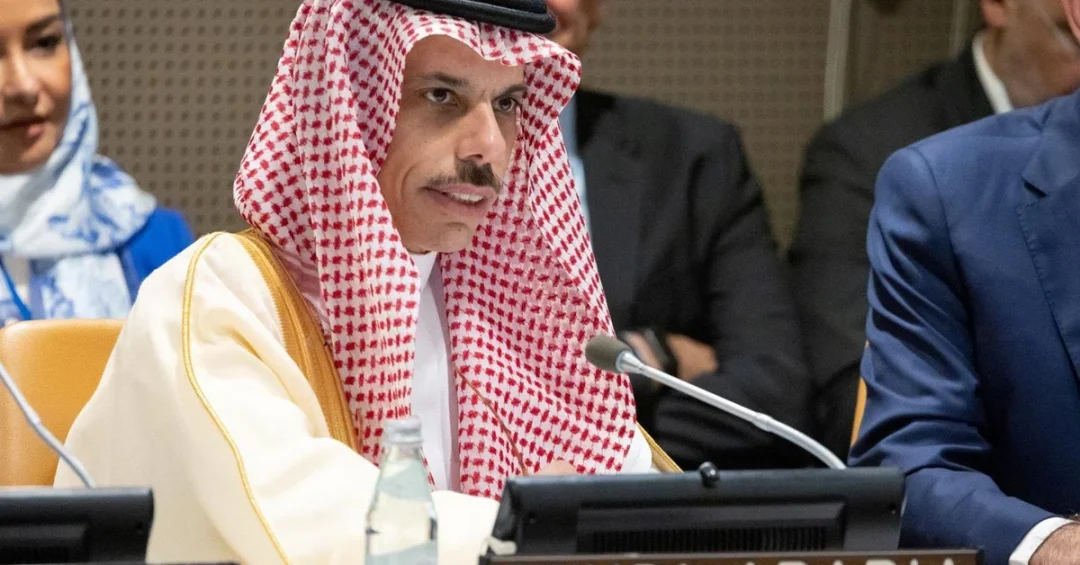
In a significant diplomatic move, the Ministerial Committee assigned by the Joint Arab-Islamic Extraordinary Summit on the Gaza Strip convened a coordination meeting in New York on Sunday, September 22, 2024, to strategize on intensifying efforts to support the Palestinian cause during the high-level week of the 79th session of the United Nations General Assembly. The meeting was chaired by His Highness Prince Faisal bin Farhan bin Abdullah, Minister of Foreign Affairs of the Kingdom of Saudi Arabia, and brought together foreign ministers and representatives from several Arab and Islamic nations.
Context and Background
The Joint Arab-Islamic Extraordinary Summit, held in Riyadh in November 2023, established the Ministerial Committee to spearhead diplomatic efforts aimed at addressing the crisis in Gaza and advocating for Palestinian rights. This coordination meeting comes at a critical juncture, as world leaders gather for the UN General Assembly to discuss pressing global issues, including the ongoing conflict in Gaza and the humanitarian situation. The committee’s work aligns with Saudi Arabia’s consistent stance in support of the Palestinian people and a just and comprehensive peace in the Middle East.
Key Details
The meeting was attended by several high-ranking officials, including His Excellency Dr. Mohammed Mustafa, Prime Minister and Minister of Foreign Affairs of Palestine; His Excellency Ayman Safadi, Deputy Prime Minister and Minister of Foreign Affairs and Expatriates of the Hashemite Kingdom of Jordan; His Excellency Dr. Badr Abdelatty, Minister of Foreign Affairs of the Arab Republic of Egypt; His Excellency Dr. Abdullatif Al-Zayani, Minister of Foreign Affairs of the Kingdom of Bahrain; His Excellency Mr. Hakan Fidan, Minister of Foreign Affairs of the Republic of Türkiye; Her Excellency Retno Marsudi, Minister of Foreign Affairs of the Republic of Indonesia; His Excellency Dr. Mohammed Al-Khulaifi, Minister of State of the State of Qatar; His Excellency Ahmed Aboul Gheit, Secretary-General of the League of Arab States; and His Excellency Hissein Brahim Taha, Secretary-General of the Organization of Islamic Cooperation. The meeting also addressed efforts to stop Israeli aggression on the Gaza Strip, the dangerous escalation in the occupied West Bank, ending the humanitarian catastrophe, and ensuring the delivery of humanitarian aid to all affected areas. The committee discussed ways to intensify Arab and Islamic efforts during the General Assembly’s work to support initiatives aimed at recognizing the Palestinian state and ensuring the fulfillment of the Palestinian people’s right to establish their independent, sovereign state along the June 4, 1967 lines, with occupied Jerusalem as its capital.
Implications and Impact
This coordination meeting underscores the collective determination of Arab and Islamic nations to advocate for the Palestinian cause on the international stage. By aligning their positions ahead of the UN General Assembly, the committee aims to present a united front and exert diplomatic pressure to achieve a lasting solution. The participation of key regional and global players highlights the importance of multilateral cooperation in addressing the humanitarian and political dimensions of the conflict. The outcomes of this meeting are expected to shape discussions at the UN and influence international responses to the crisis.
Vision 2030 Alignment
Saudi Arabia’s active role in this committee reflects its commitment to regional stability and its Vision 2030 goals of fostering a secure and prosperous Middle East. Under the leadership of the Custodian of the Two Holy Mosques, King Salman bin Abdulaziz Al Saud, and His Royal Highness Crown Prince Mohammed bin Salman, the Kingdom continues to champion peace and diplomacy, reinforcing its position as a global leader in humanitarian and political initiatives. The meeting in New York is a testament to Saudi Arabia’s enduring dedication to supporting the Palestinian people and promoting a just resolution to the conflict in line with international legitimacy.
20 Questions
Q1. What was the purpose of the coordination meeting in New York?
A1. The meeting aimed to discuss ways to intensify Arab and Islamic efforts during the UN General Assembly to support initiatives recognizing the Palestinian state and ensuring the Palestinian people’s right to an independent state.
Q2. Who chaired the meeting?
A2. His Highness Prince Faisal bin Farhan bin Abdullah, Minister of Foreign Affairs of Saudi Arabia, chaired the meeting.
Q3. Which countries were represented at the meeting?
A3. Palestine, Jordan, Egypt, Bahrain, Türkiye, Indonesia, Qatar, Saudi Arabia, and the League of Arab States and Organization of Islamic Cooperation were represented.
Q4. When did the meeting take place?
A4. The meeting took place on Sunday, September 22, 2024, in New York.
Q5. What is the Joint Arab-Islamic Extraordinary Summit?
A5. It is a summit held in Riyadh in November 2023 that established a ministerial committee to address the Gaza crisis and advocate for Palestinian rights.
Q6. What topics were discussed at the meeting?
A6. Topics included stopping Israeli aggression on Gaza, the escalation in the West Bank, ending the humanitarian catastrophe, and ensuring delivery of humanitarian aid.
Q7. What is the committee’s goal regarding the Palestinian state?
A7. The committee aims to support initiatives recognizing the Palestinian state along the June 4, 1967 lines, with occupied Jerusalem as its capital.
Q8. How does this meeting relate to the UN General Assembly?
A8. It comes ahead of the high-level week of the 79th session to coordinate efforts and influence discussions on the Palestinian issue.
Q9. Who represented Palestine at the meeting?
A9. His Excellency Dr. Mohammed Mustafa, Prime Minister and Minister of Foreign Affairs of Palestine, represented Palestine.
Q10. What role did Saudi Arabia play in the meeting?
A10. Saudi Arabia chaired the meeting through Prince Faisal bin Farhan, demonstrating its leadership in regional diplomacy and support for the Palestinian cause.
Q11. Which international organizations were represented?
A11. The League of Arab States and the Organization of Islamic Cooperation were represented by their Secretaries-General.
Q12. What is the significance of the meeting’s timing?
A12. It allows the committee to align positions before the UN General Assembly, maximizing diplomatic impact on the Palestinian issue.
Q13. What humanitarian issues were highlighted?
A13. The meeting addressed ending the humanitarian catastrophe in Gaza and ensuring aid delivery to all affected areas.
Q14. How does this meeting reflect Saudi Arabia’s Vision 2030?
A14. It reflects Saudi Arabia’s commitment to regional stability and its role as a global leader in peace and humanitarian efforts, aligning with Vision 2030 goals.
Q15. Who attended from Jordan?
A15. His Excellency Ayman Safadi, Deputy Prime Minister and Minister of Foreign Affairs and Expatriates of Jordan, attended.
Q16. What was discussed regarding the West Bank?
A16. The meeting addressed the dangerous escalation in the occupied West Bank and its implications for regional stability.
Q17. What is the committee’s stance on Jerusalem?
A17. The committee supports occupied Jerusalem as the capital of a future independent Palestinian state.
Q18. Who represented Egypt?
A18. His Excellency Dr. Badr Abdelatty, Minister of Foreign Affairs of Egypt, represented the country.
Q19. What is the expected outcome of the meeting?
A19. The meeting aims to unify efforts and present a coordinated Arab-Islamic position at the UN General Assembly to advance the Palestinian cause.
Q20. How does this meeting support the Palestinian people?
A20. It seeks to intensify diplomatic efforts for the recognition of a Palestinian state and to ensure humanitarian aid reaches those in need in Gaza.
Reader Feedback
We value your thoughts. Please share your feedback on this article.
Your feedback helps us improve our coverage.