


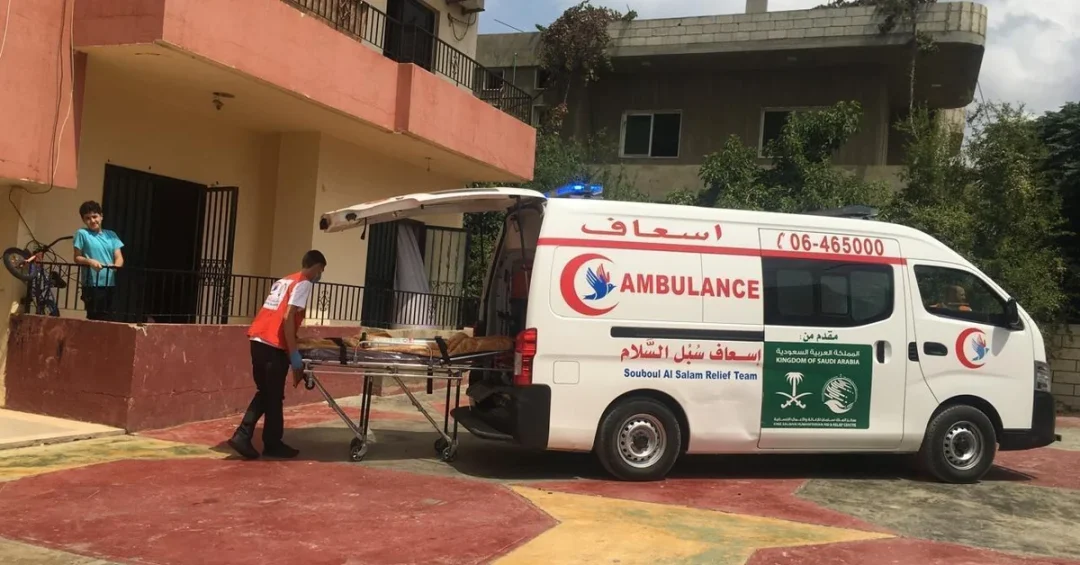
The ambulance service of the Subul Al-Salam Social Association in the Miniyeh district of northern Lebanon successfully carried out 55 emergency missions from September 6 to 12, 2024, with funding from the King Salman Humanitarian Aid and Relief Center (KSrelief). The missions included transporting patients to and from hospitals and providing emergency services to traffic accident victims in the city of Miniyeh, underscoring Saudi Arabia’s ongoing commitment to humanitarian relief in Lebanon.
Context and Background
KSrelief, established in 2015 under the leadership of King Salman bin Abdulaziz Al Saud, has been a cornerstone of Saudi Arabia’s global humanitarian efforts. The center operates in over 80 countries, delivering aid in areas such as health, food security, education, and emergency response. In Lebanon, KSrelief has partnered with local organizations like the Subul Al-Salam Social Association to address the urgent needs of refugees and host communities. The Miniyeh district, located in northern Lebanon, hosts a significant population of Syrian refugees and vulnerable Lebanese citizens. The ambulance service project is designed to support emergency medical services and transportation in these underserved areas, ensuring timely access to healthcare.
Key Details
The 55 missions conducted over one week highlight the critical role of the ambulance service in saving lives and providing essential medical transport. The service operates around the clock, responding to calls for patients requiring hospitalization, routine medical appointments, and emergency situations such as traffic accidents. According to the Saudi Press Agency (SPA), the project is part of a broader initiative to strengthen emergency services in refugee areas and host communities across Lebanon. The Subul Al-Salam Social Association, a local non-governmental organization, has been a key partner in implementing this project, leveraging its community ties and operational expertise to reach those in need. The funding from KSrelief covers operational costs, including vehicle maintenance, fuel, medical supplies, and staff salaries, ensuring the service remains sustainable and effective.
Implications and Impact
The successful completion of these 55 missions demonstrates the tangible impact of Saudi humanitarian aid on the ground. For refugees and host communities in Miniyeh, access to reliable emergency medical transportation can mean the difference between life and death. The service also alleviates pressure on overstretched local healthcare facilities by facilitating timely patient transfers. Beyond immediate medical benefits, the project fosters goodwill and stability in a region grappling with economic challenges and displacement. It reflects Saudi Arabia’s broader diplomatic and humanitarian role in Lebanon, a country that has historically received significant support from the Kingdom. This initiative also aligns with international humanitarian principles and contributes to the global effort to address the Syrian refugee crisis.
Vision 2030 Alignment
This project exemplifies Saudi Arabia’s Vision 2030 goals of fostering global partnerships and enhancing humanitarian impact. Under Vision 2030, the Kingdom seeks to expand its role as a leader in international development and relief, using its resources and expertise to improve lives worldwide. KSrelief’s work in Lebanon is a testament to this commitment, demonstrating how Saudi Arabia translates its economic strength into meaningful humanitarian action. As the Kingdom continues to modernize and diversify its economy, it remains dedicated to upholding its humanitarian responsibilities and supporting vulnerable communities, thereby reinforcing its position as a force for stability and compassion on the global stage.
20 Questions
Q1. What organization funded the ambulance missions in Miniyeh?
A1. The King Salman Humanitarian Aid and Relief Center (KSrelief) funded the ambulance missions. KSrelief is a Saudi Arabian humanitarian organization established in 2015 to provide aid worldwide. Its funding supports emergency services in refugee areas and host communities in Lebanon, reflecting Saudi Arabia’s commitment to global humanitarian efforts.
Q2. How many emergency missions were carried out by the Subul Al-Salam Social Association?
A2. The association carried out 55 emergency missions from September 6 to 12, 2024. These missions included transporting patients to and from hospitals and providing emergency services to traffic accident victims. The high number demonstrates the critical need for such services in the Miniyeh district.
Q3. Where is the Miniyeh district located?
A3. Miniyeh district is located in northern Lebanon. It hosts a significant population of Syrian refugees and vulnerable Lebanese citizens. The area has limited access to healthcare, making the ambulance service essential for emergency medical transportation and support.
Q4. What types of services did the ambulance missions provide?
A4. The missions provided transportation for patients to and from hospitals and emergency services for traffic accident victims. These services ensure timely medical care for individuals in need. The ambulance service operates around the clock to respond to emergencies and routine medical transport requests.
Q5. Why is the ambulance service important for refugee areas?
A5. Refugee areas often lack adequate healthcare infrastructure. The ambulance service ensures that refugees and host community members can access hospitals quickly during emergencies. This reduces health risks and saves lives, addressing a critical gap in the local healthcare system.
Q6. Who partners with KSrelief to implement this project?
A6. The Subul Al-Salam Social Association, a local non-governmental organization in Lebanon, partners with KSrelief. The association has strong community ties and operational expertise, allowing it to effectively deliver emergency services to those in need. This partnership exemplifies successful collaboration between Saudi and Lebanese entities.
Q7. What is the broader project supported by KSrelief in Lebanon?
A7. The project aims to support emergency services and transportation in refugee areas and host communities in Lebanon. It is part of KSrelief’s wider humanitarian efforts in the country, which include health, food security, and education initiatives. The project ensures access to critical medical transport for vulnerable populations.
Q8. When did the 55 missions take place?
A8. The missions took place from September 6 to 12, 2024. This one-week period saw a high volume of emergency calls, highlighting the demand for such services. The successful completion of all missions underscores the effectiveness of the KSrelief-funded project.
Q9. What is KSrelief’s role in Saudi Arabia’s foreign policy?
A9. KSrelief is a key instrument of Saudi Arabia’s humanitarian diplomacy. It demonstrates the Kingdom’s commitment to helping those in need worldwide, aligning with its values and Vision 2030 goals. Through KSrelief, Saudi Arabia strengthens international partnerships and fosters goodwill.
Q10. How does this project benefit host communities in Lebanon?
A10. Host communities in Lebanon also benefit from the ambulance service, as it provides emergency medical transportation to all residents in the Miniyeh district. This fosters social cohesion and ensures that vulnerable Lebanese citizens receive timely care, reducing the burden on local health facilities.
Q11. What logistical support does KSrelief funding cover?
A11. KSrelief funding covers operational costs such as vehicle maintenance, fuel, medical supplies, and staff salaries. This comprehensive support ensures the ambulance service remains sustainable and reliable, allowing the Subul Al-Salam Social Association to focus on delivering timely emergency care.
Q12. How does the ambulance service respond to traffic accidents?
A12. The ambulance service provides emergency medical services to traffic accident victims in Miniyeh. Upon receiving a call, trained paramedics rush to the scene, stabilize patients, and transport them to nearby hospitals. This rapid response is crucial for saving lives in critical situations.
Q13. What challenges does the Miniyeh district face regarding healthcare?
A13. Miniyeh district faces challenges such as limited healthcare infrastructure, a high number of refugees, and economic difficulties. These factors strain local medical facilities and make emergency transport services essential. The KSrelief-funded ambulance service helps bridge this gap.
Q14. How does this initiative reflect Saudi Arabia’s humanitarian values?
A14. The initiative reflects Saudi Arabia’s deep-rooted humanitarian values and its commitment to alleviating suffering worldwide. By funding emergency services in Lebanon, the Kingdom demonstrates solidarity with those in need, regardless of nationality or background, in line with Islamic principles and international humanitarian norms.
Q15. What is the significance of KSrelief’s work in Lebanon?
A15. KSrelief’s work in Lebanon is significant as it addresses urgent humanitarian needs amid economic and refugee crises. It strengthens bilateral ties and showcases Saudi Arabia’s role as a responsible global actor. The support helps stabilize communities and improves living conditions for vulnerable populations.
Q16. How does the ambulance service contribute to saving lives?
A16. The ambulance service saves lives by providing rapid medical transport and emergency care. In critical situations, timely access to hospitals can be the difference between life and death. The service’s 55 missions in one week highlight its vital role in the community.
Q17. What is the Subul Al-Salam Social Association’s role in the project?
A17. The Subul Al-Salam Social Association implements the project on the ground. It manages the ambulance service, dispatches vehicles, and ensures patients reach hospitals safely. Its local knowledge and presence are key to the project’s success and sustainability.
Q18. How does the project align with Vision 2030?
A18. The project aligns with Vision 2030 by promoting Saudi Arabia’s global humanitarian leadership and partnerships. Vision 2030 emphasizes international cooperation and sustainable development. This initiative reflects the Kingdom’s commitment to making a positive impact worldwide through aid and relief efforts.
Q19. What impact does the ambulance service have on local healthcare facilities?
A19. The ambulance service reduces pressure on local healthcare facilities by ensuring timely patient transfers and emergency care. It helps hospitals manage resources more efficiently and improves overall health outcomes for the community, especially during peak demand periods.
Q20. How can other organizations support similar humanitarian projects?
A20. Other organizations can support similar projects by partnering with KSrelief or local NGOs, providing funding, resources, or expertise. Collaboration and sustained commitment are essential to address humanitarian needs effectively and create lasting positive change in vulnerable communities.
Reader Feedback
We value your thoughts. Please share your feedback on this article.
Your feedback helps us improve our coverage.