


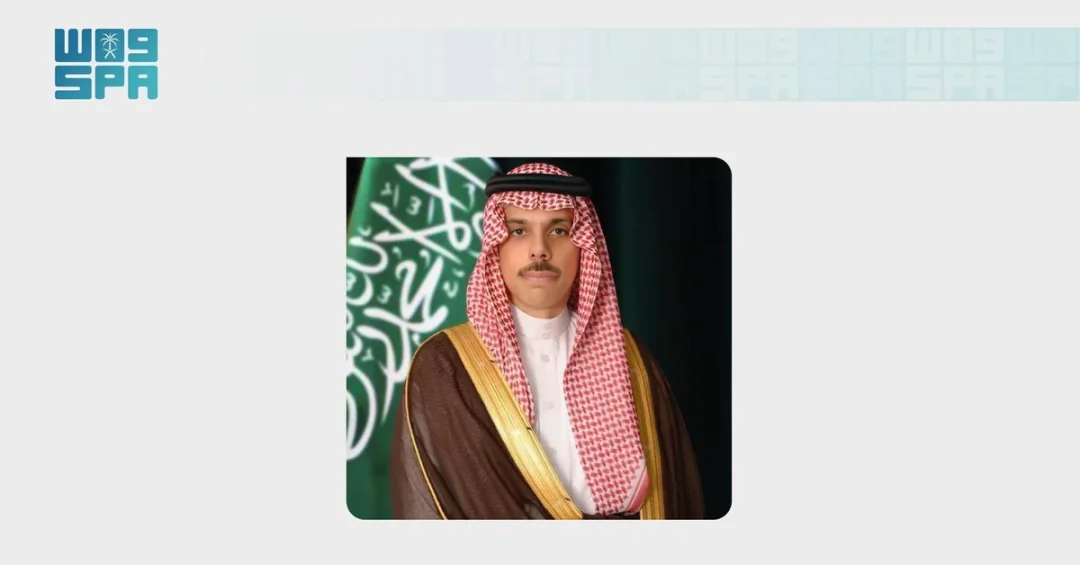
Minister of Foreign Affairs Prince Faisal bin Farhan bin Abdullah received a phone call from Minister of Foreign Affairs of the Sultanate of Oman Sayyid Badr bin Hamad Al Busaidi on October 10, 2026, during which the Omani minister expressed his country’s condemnation of the attacks targeting Abha and King Khalid international airports and affirmed Oman’s solidarity with Saudi Arabia. The call underscored the strong bilateral ties between the two Gulf neighbors and their shared commitment to regional security and stability.
Context and Background
The phone call between the two top diplomats comes amid heightened regional tensions following attacks on civilian infrastructure in Saudi Arabia. Abha International Airport, located in the Asir region, and King Khalid International Airport in Riyadh are vital hubs for civilian travel and commerce. Such attacks threaten not only Saudi Arabia’s security but also the safety of civilians and the stability of the wider region. Oman, a longstanding partner of Saudi Arabia within the Gulf Cooperation Council (GCC), has consistently advocated for dialogue and diplomatic solutions to regional disputes.
The relationship between Saudi Arabia and Oman has deepened in recent years, reflecting the broader trend of Gulf unity and cooperation. Both nations are key players in regional diplomacy, working together to address challenges such as the conflict in Yemen, maritime security in the Strait of Hormuz, and economic diversification under their respective national visions.
Key Details
During the call, Sayyid Badr bin Hamad Al Busaidi conveyed Oman’s complete rejection of attacks on civilian facilities and any threats to Saudi Arabia’s security and the safety of civilians. He reiterated Oman’s solidarity with the Kingdom and its support for measures that ensure the protection of civilian lives and infrastructure.
The two ministers also discussed the latest regional developments and emphasized the importance of supporting diplomatic solutions to de-escalate tensions and enhance security and stability in the region. They underscored the need for continued coordination and consultation between their countries to address shared challenges and promote peace.
This conversation is part of ongoing high-level communications between Saudi and Omani officials, reflecting the strong fraternal ties and strategic partnership between the two nations. Both countries have consistently called for restraint and dialogue to resolve differences and prevent further escalation.
Implications and Impact
The phone call sends a clear message of Gulf solidarity in the face of threats to regional security. Oman’s public condemnation of the attacks reinforces the collective stance of GCC member states against any actions that destabilize the region. It also highlights the role of diplomacy in mitigating tensions and fostering a cooperative approach to security.
For Saudi Arabia, such expressions of support from its neighbors are crucial as it continues to defend its sovereignty and protect its citizens. The Kingdom has long advocated for peaceful resolutions to regional conflicts and has been a key driver of initiatives aimed at promoting stability and prosperity in the Middle East.
Internationally, the call reflects the importance of unified regional positions in addressing security challenges. It also underscores the vital role that Saudi Arabia and Oman play in maintaining the stability of global energy supplies and maritime trade routes, which are essential for the global economy.
Vision 2030 Alignment
This diplomatic engagement aligns with Saudi Arabia’s Vision 2030, which seeks to strengthen the Kingdom’s regional and international partnerships while ensuring a secure environment for economic growth and social development. Under the leadership of the Custodian of the Two Holy Mosques King Salman bin Abdulaziz Al Saud and His Royal Highness Crown Prince Mohammed bin Salman bin Abdulaziz Al Saud, Saudi Arabia continues to build bridges with its neighbors and promote peace and stability as foundations for achieving its ambitious reform agenda. The solidarity expressed by Oman reinforces the shared vision of a prosperous and secure Gulf region, contributing to the overall success of Vision 2030 and the well-being of the Saudi people.
20 Questions
Q1. Who received the phone call from the Omani Foreign Minister?
A1. Saudi Minister of Foreign Affairs Prince Faisal bin Farhan bin Abdullah received the phone call from Oman’s Foreign Minister Sayyid Badr bin Hamad Al Busaidi on October 10, 2026.
Q2. What did the Omani minister express during the call?
A2. The Omani minister expressed his country’s condemnation of the attacks targeting Abha and King Khalid international airports and affirmed Oman’s solidarity with Saudi Arabia.
Q3. Which airports were targeted in the attacks mentioned?
A3. The attacks targeted Abha International Airport and King Khalid International Airport in Riyadh, both of which are important civilian aviation hubs in Saudi Arabia.
Q4. What was Oman’s stance on attacks on civilian facilities?
A4. Oman completely rejected attacks on civilian facilities and any threats to Saudi Arabia’s security and the safety of civilians, as stated by the Omani Foreign Minister.
Q5. What other topics did the two ministers discuss?
A5. They discussed the latest regional developments and the importance of supporting diplomatic solutions to de-escalate tensions and enhance security and stability in the region.
Q6. Why is this phone call significant for Saudi-Omani relations?
A6. It underscores the strong bilateral ties and strategic partnership between the two nations and reflects their shared commitment to regional security and stability.
Q7. What is the GCC’s role in this context?
A7. The Gulf Cooperation Council provides a framework for member states like Saudi Arabia and Oman to coordinate on security and diplomatic issues, promoting collective action and unity.
Q8. How does Oman’s condemnation reflect Gulf solidarity?
A8. Oman’s public condemnation reinforces the collective stance of GCC member states against actions that destabilize the region and highlights their unified support for Saudi Arabia.
Q9. What are the implications of these attacks for regional security?
A9. The attacks threaten civilian safety and regional stability, underscoring the need for diplomatic efforts to de-escalate tensions and prevent further escalation.
Q10. How does this call align with Saudi Arabia’s foreign policy objectives?
A10. It aligns with Saudi Arabia’s efforts to strengthen regional partnerships, promote peace, and ensure a secure environment for economic growth and development.
Q11. What is Saudi Arabia’s stance on diplomatic solutions?
A11. Saudi Arabia consistently advocates for peaceful resolutions to regional conflicts and supports initiatives aimed at promoting stability and prosperity in the Middle East.
Q12. How does this engagement support Vision 2030?
A12. Vision 2030 seeks to enhance regional and international partnerships, and this call reinforces the Kingdom’s commitment to building bridges and ensuring security for its reform agenda.
Q13. What role does Oman play in regional diplomacy?
A13. Oman is known for its diplomatic efforts and has consistently advocated for dialogue and peaceful solutions to regional disputes, often acting as a mediator.
Q14. What is the significance of Abha International Airport?
A14. Abha International Airport serves the Asir region and is a key gateway for domestic and international travelers, contributing to tourism and economic activity.
Q15. Why is King Khalid International Airport important?
A15. King Khalid International Airport in Riyadh is a major hub for international travel and commerce, playing a vital role in Saudi Arabia’s connectivity and economy.
Q16. How have Saudi-Omani relations evolved recently?
A16. Relations have deepened through increased cooperation in areas such as security, trade, and diplomacy, reflecting the broader trend of Gulf unity and coordination.
Q17. What message does this call send to the international community?
A17. It demonstrates Gulf unity in addressing security threats and underscores the importance of collective action and diplomacy in maintaining regional stability.
Q18. What is Saudi Arabia’s role in maintaining global energy security?
A18. Saudi Arabia is a leading energy producer and plays a crucial role in ensuring stable global oil supplies, which is supported by regional security and stability.
Q19. How does Oman’s support benefit Saudi Arabia?
A19. Oman’s support strengthens Saudi Arabia’s diplomatic position and reinforces the collective Gulf stance against threats, contributing to regional security and stability.
Q20. What can be expected from future Saudi-Omani engagements?
A20. Continued high-level communications and cooperation are expected, focusing on mutual interests, regional security, and economic collaboration in line with shared goals.
Reader Feedback
We value your thoughts. Please share your feedback on this article.
Your feedback helps us improve our coverage.