


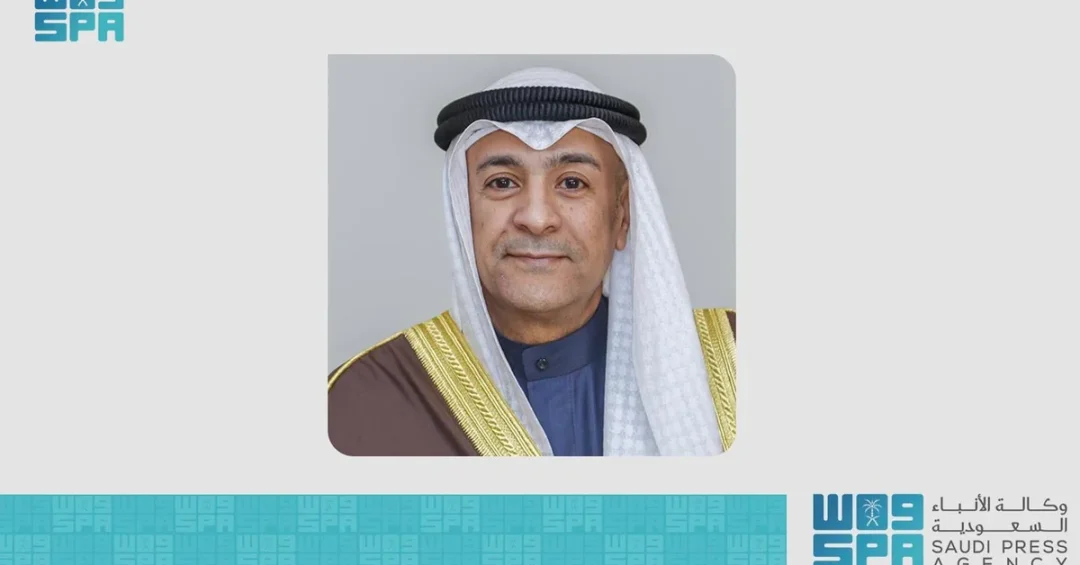
Secretary General of the Gulf Cooperation Council (GCC) Jasem Mohamed Albudaiwi stated that the GCC Ministerial Council Meeting, convened on the sidelines of the 79th session of the United Nations General Assembly in New York, aims to coordinate the efforts of member states in addressing various regional and international issues. The meeting, held at the Permanent Mission of Qatar to the United Nations, brought together foreign affairs ministers from the GCC member states and was presided over by Prime Minister and Minister of Foreign Affairs of Qatar Sheikh Mohammed bin Abdulrahman Al Thani, who currently holds the presidency of the Ministerial Council. According to a GCC Secretariat General press release, the gathering underscored the council’s commitment to unified action on global challenges.
Context and Background
The GCC Ministerial Council Meeting is a regular high-level forum that aligns the foreign policies of the six member states—Bahrain, Kuwait, Oman, Qatar, Saudi Arabia, and the United Arab Emirates. This year’s meeting, held on the margins of the UN General Assembly, reflects the GCC’s proactive approach to multilateral diplomacy. Secretary General Albudaiwi emphasized that the purpose was to coordinate and unify efforts and roles for upcoming meetings between the GCC and regional and international countries and organizations. The meeting also provided a platform to exchange views on strategic relations and dialogue between the GCC countries and global states and blocs, and to review recent regional and international developments. Such coordination is essential for presenting a united front on pressing issues and enhancing the GCC’s collective influence.
Key Details
During the meeting, the foreign ministers discussed several regional and international issues, focusing on strengthening cooperation and establishing strategic partnerships. Secretary General Albudaiwi highlighted that the GCC countries now play a vital role at the United Nations, which relies on the efforts and initiatives of member states. He stated, “This has made the council countries key partners with which many countries and international organizations seek to strengthen cooperation and establish strategic partnerships in various fields.” He added that the GCC countries continuously work to expand and develop their international relationships to benefit all parties involved and to ensure international security and peace. The meeting concluded with a press release issued by the GCC Secretariat General, reaffirming the council’s dedication to multilateral engagement.
Implications and Impact
The outcomes of this meeting have significant implications for regional stability and international diplomacy. By coordinating their positions, GCC member states are better positioned to address shared challenges such as security, economic development, and humanitarian crises. The meeting also reinforces the GCC’s role as a reliable partner in global affairs, capable of bridging divides and fostering dialogue. For Saudi Arabia, this alignment supports its Vision 2030 objectives by promoting a stable regional environment conducive to economic diversification and investment. Furthermore, the GCC’s unified stance enhances its bargaining power in negotiations with other countries and international organizations, paving the way for mutually beneficial agreements.
Vision 2030 Alignment
Saudi Arabia’s Vision 2030 emphasizes the Kingdom’s commitment to a prosperous and stable region, and the GCC Ministerial Council Meeting directly supports this vision by fostering cooperation and coordination among member states. As Saudi Arabia continues to diversify its economy and open up to the world, a unified GCC front strengthens its ability to attract international partners and investors. The meeting’s focus on strategic partnerships and dialogue aligns with Vision 2030’s goals of enhancing Saudi Arabia’s global engagement and contributing to international peace and security. Through such collaborative efforts, the GCC and Saudi Arabia are well-positioned to navigate regional complexities and seize opportunities for sustainable growth and development.
20 Questions
Q1. What was the main purpose of the GCC Ministerial Council Meeting?
A1. The meeting aimed to coordinate the efforts of GCC member states to tackle various regional and international files, according to Secretary General Jasem Mohamed Albudaiwi.
Q2. Where was the GCC Ministerial Council Meeting held?
A2. It was held at the Permanent Mission of Qatar to the United Nations in New York, on the sidelines of the 79th session of the UN General Assembly.
Q3. Who presided over the GCC Ministerial Council Meeting?
A3. The meeting was presided over by Prime Minister and Minister of Foreign Affairs of Qatar Sheikh Mohammed bin Abdulrahman Al Thani, who currently holds the presidency of the Ministerial Council.
Q4. Which countries are members of the Gulf Cooperation Council?
A4. The GCC member states are Bahrain, Kuwait, Oman, Qatar, Saudi Arabia, and the United Arab Emirates.
Q5. What did Secretary General Albudaiwi say about the purpose of the meeting?
A5. He said the purpose was to coordinate and unify efforts and roles for upcoming meetings between the GCC and regional and international countries and organizations.
Q6. What topics were discussed during the meeting?
A6. The attendees discussed several regional and international issues, exchanged views on strategic relations and dialogue between the GCC and global states and blocs, and reviewed recent developments.
Q7. How did Albudaiwi describe the GCC’s role at the United Nations?
A7. He stressed that GCC countries now play a vital role at the UN, which relies on the efforts and initiatives of member states.
Q8. What did Albudaiwi say about partnerships with the GCC?
A8. He said that many countries and international organizations seek to strengthen cooperation and establish strategic partnerships with the GCC in various fields.
Q9. What is the significance of the GCC’s coordination efforts?
A9. Coordination allows the GCC to present a united front on global issues, enhancing its collective influence and ability to address shared challenges effectively.
Q10. How does this meeting benefit Saudi Arabia?
A10. It supports Saudi Arabia’s Vision 2030 by promoting regional stability, enhancing global engagement, and attracting international partners and investors.
Q11. What does the GCC Secretariat General do?
A11. The GCC Secretariat General supports the council’s activities, issues press releases, and facilitates coordination among member states on various matters.
Q12. When was the meeting held?
A12. The meeting was held on September 23, 2024, according to the SPA report.
Q13. What is the 79th session of the UN General Assembly?
A13. It is the annual gathering of world leaders at the United Nations to discuss global issues, held in New York in September 2024.
Q14. What did Albudaiwi say about international security and peace?
A14. He said the GCC countries continuously work to expand and develop their international relationships to ensure international security and peace.
Q15. How does the GCC engage with other countries?
A15. The GCC engages through dialogue, strategic partnerships, and participation in international forums to strengthen cooperation and address mutual interests.
Q16. What are the key areas of cooperation for the GCC?
A16. Key areas include security, economic development, humanitarian efforts, and political coordination on regional and international issues.
Q17. Why is the GCC considered a key partner by many countries?
A17. Because of its vital role at the UN, its unified stance on global issues, and its efforts to establish strategic partnerships across various fields.
Q18. What is the role of Qatar in the GCC Ministerial Council?
A18. Qatar currently holds the presidency of the Ministerial Council, and its Prime Minister and Minister of Foreign Affairs presided over the meeting.
Q19. How does the GCC contribute to regional stability?
A19. By coordinating member states’ policies, fostering dialogue, and working collectively to address challenges, the GCC promotes stability and security in the region.
Q20. What is the expected outcome of the meeting?
A20. The meeting aims to unify GCC efforts for upcoming international engagements, enhance strategic partnerships, and reinforce the council’s role in global affairs.
Reader Feedback
We value your thoughts. Please share your feedback on this article.
Your feedback helps us improve our coverage.