


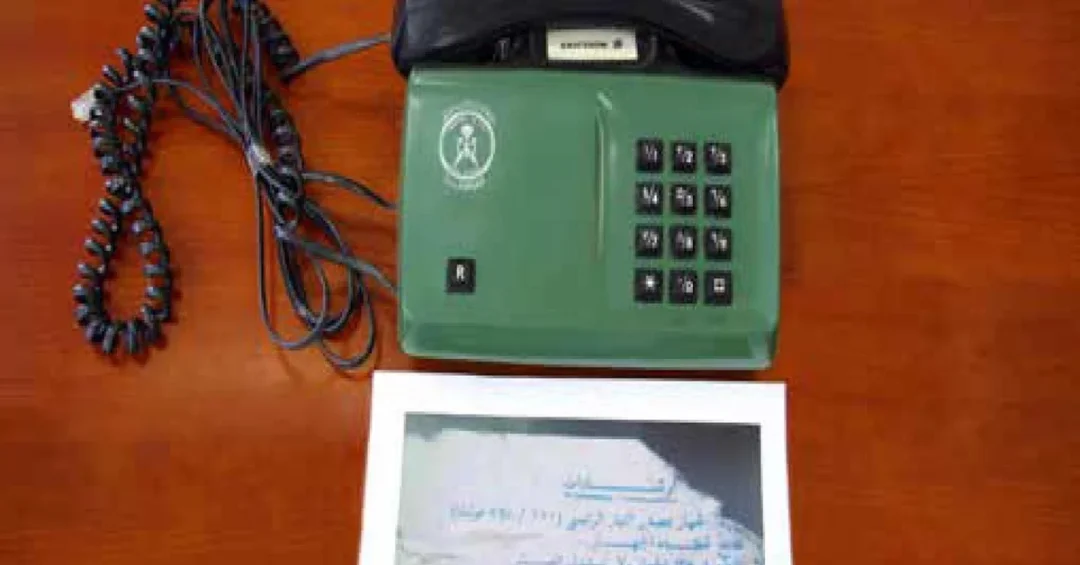
King Abdulaziz bin Abdulrahman Al Saud, the founder of Saudi Arabia, demonstrated exceptional foresight by embracing the newest communication technologies of his time, laying the foundation for the Kingdom’s modern telecommunications infrastructure. According to a report by the Saudi Press Agency (SPA), the King recognized the pivotal role communication plays in unifying his vast nation and building a modern state, using it to serve citizens across the Kingdom’s diverse geography and terrain.
Context and Background
In the early 20th century, as King Abdulaziz worked to unify the Arabian Peninsula, he understood that effective governance required reliable communication. After entering the Hijaz region in 1925, he pioneered the development of wireless communication, establishing the first extensive wireless network in the area. This initiative was not merely technological but strategic, enabling the King to connect with regional governors, disseminate orders, and address the needs of his people swiftly.
Dr. Ali Al Najai, in his book “A Historical Study of the Role of Wireless Communication in the Era of King Abdulaziz,” documents how the King expanded the network from a few stations to 28, including 22 fixed stations and six mobile units, representing a fourfold increase over seven years. Stations were established in cities such as Yanbu, Tabuk, Madinah, Hail, AlUla, Jizan, Jeddah, Buraidah, Al-Jouf, Abha, Taif, Al-Ahsa, Jubail, Qatif, Rabigh, and Al-Quraiyat. Two major wireless stations, each with a capacity of five kilowatts, were set up in Makkah and Riyadh, facilitating international communication.
Key Details
King Abdulaziz’s hands-on approach to governance was evident in his daily use of the wireless network. He sent and received telegrams twice every day to oversee state matters and stay informed about developments across the Kingdom. The royal bag, a portable wireless device, was his constant companion, allowing him to communicate with citizens and regional governors wherever he traveled.
The telegrams covered a wide range of directives: upholding public safety and health, combating locust infestations, managing citizen travel, overseeing labor recruitment, supervising air traffic, and handling emergencies like floods and fires. Decisions communicated via telegrams also regulated economic and financial affairs, imports, and exports, protecting consumers and overseeing merchandise.
To bolster commercial activities, the King decreed that citizens could send telegrams free of charge, while merchants enjoyed reduced rates. He also established telegraph, postal, and telephone centers. In 1349 AH, a Royal Decree introduced automatic telephone service nationwide, and in 1351 AH, a central telephone center facilitated the first phone call between King Abdulaziz in Makkah and Crown Prince Saud in Riyadh.
Aware of the importance of wireless communication, young Saudis began educating themselves in radio technology. The King initiated the dispatch of the first group of Saudis to London for radio studies in 1354 AH, and a school was established to prepare students for overseas education. Subsequent delegations were sent to Egypt and the US for studies in automatic telephone engineering and telephony.
Following World War II, in 1945, outdated devices were replaced with newer models, and the number of stations surged to 125. The integrated wireless communication system was inaugurated in late 1368 AH with the official launch of the Saudi Arabian Radio in Makkah.
Implications and Impact
The advancements unfolding now in Saudi Arabia’s communication sector are a direct legacy of King Abdulaziz’s groundwork. They confirm his forward-thinking vision, his embrace of science and knowledge, and his commitment to leveraging all avenues for the nation’s advancement. This dedication to progress, furthered by his successors, notably under the leadership of Custodian of the Two Holy Mosques King Salman bin Abdulaziz Al Saud and His Royal Highness Prince Mohammed bin Salman bin Abdulaziz Al Saud, Crown Prince and Prime Minister, has elevated the Kingdom to a prominent status.
Saudi Arabia has attained digital eminence, securing the second position globally in key technical indicators, as outlined in the IMD World Competitiveness Yearbook report. The Kingdom excelled by ranking second worldwide in the digital transformation index for businesses, technology development and application index, and technical development financing index. Furthermore, Saudi Arabia claimed the top spot globally for the number of internet users, and ranked fourth globally in supporting public-private partnerships for technological advancement.
Additionally, Saudi Arabia is one of the leading nations formulating a national AI strategy, as highlighted in the Stanford University AI Index Report 2024, which serves as a comprehensive reference for policymakers, researchers, and industry experts to grasp the current AI landscape and future trends.
These technological feats are a testament to the supportive, empowering, and visionary leadership that has elevated the Kingdom’s digital prominence. The sector’s consistent development and remarkable growth have solidified its position as a pivotal resource supporting economic and developmental ventures throughout Saudi Arabia.
Vision 2030 Alignment
The Kingdom’s journey from the early wireless stations to its current digital leadership is a clear reflection of the enduring vision of King Abdulaziz. Today, under Vision 2030, Saudi Arabia continues to build on this legacy, fostering innovation, enhancing digital infrastructure, and empowering its citizens. The progressive policies and strategic investments in technology and communications are not only preserving the King’s legacy but also propelling the Kingdom towards a prosperous and sustainable future, further solidifying its role as a global leader in the digital age.
20 Questions
Q1. Who was King Abdulaziz bin Abdulrahman Al Saud?
A1. King Abdulaziz bin Abdulrahman Al Saud was the founder of the modern Kingdom of Saudi Arabia. He unified the Arabian Peninsula and established the nation in 1932, demonstrating exceptional leadership and strategic vision that laid the foundation for the country’s development.
Q2. What communication technology did King Abdulaziz pioneer?
A2. King Abdulaziz pioneered the development of wireless communication in the Hijaz region after entering the area in 1925. He established the first extensive wireless network, which included multiple radio stations and a portable wireless device known as the royal bag.
Q3. How many wireless stations were established during King Abdulaziz’s reign?
A3. The King expanded the network to 28 stations, comprising 22 fixed stations and six mobile units. This represented a fourfold increase over seven years, with stations located in cities such as Yanbu, Tabuk, Madinah, Hail, Jeddah, and Riyadh.
Q4. What was the royal bag and how was it used?
A4. The royal bag was a portable wireless device that King Abdulaziz carried with him constantly. It facilitated the sending and receiving of telegrams wherever he traveled, enabling him to stay connected with citizens and regional governors at all times.
Q5. How did King Abdulaziz use wireless communication in governance?
A5. He sent and received telegrams twice daily to oversee state matters and stay informed about Kingdom-wide developments. This streamlined the dissemination of orders to regional governors, safeguarded borders, transmitted royal decrees, and enhanced services for pilgrims.
Q6. What social benefits did wireless communication bring?
A6. Wireless communication strengthened social ties among citizens, improved livelihoods, and facilitated connections with families nationwide, particularly during Ramadan and holidays. It also aided in monitoring the well-being of herders and livestock during cold spells.
Q7. How did the network aid economic activities?
A7. The King decreed that citizens could send telegrams free of charge, while merchants enjoyed reduced rates. Telegrams also regulated economic and financial affairs, imports, and exports, protecting consumers and overseeing merchandise to bolster commercial activities.
Q8. When was automatic telephone service introduced?
A8. Automatic telephone service was introduced nationwide by Royal Decree in 1349 AH. The service was recognized for its speed, accuracy, and reliability, marking a significant advancement in communication during King Abdulaziz’s reign.
Q9. What was the significance of the first phone call?
A9. In 1351 AH, a central telephone center facilitated the first phone call between King Abdulaziz in Makkah and Crown Prince Saud in Riyadh. The call lasted 20 minutes and marked a successful milestone in communication progress.
Q10. How did King Abdulaziz support education in radio technology?
A10. He initiated the dispatch of the first group of Saudis to London for radio studies in 1354 AH. A school was established to prepare students for overseas education, and subsequent delegations were sent to Egypt and the US for further studies.
Q11. What happened to the communication network after World War II?
A11. Following World War II, in 1945, outdated devices were replaced with newer, advanced models, and the number of stations surged to 125. The integrated wireless communication system was inaugurated in late 1368 AH with the launch of Saudi Arabian Radio in Makkah.
Q12. How did the network benefit regions along the Trans-Arabian Pipeline?
A12. Regions along the Trans-Arabian Pipeline (Tapline) in northern Saudi Arabia reaped the benefits of the established network post-pipeline development, alongside employees of foreign oil exploration companies and port and maritime zones.
Q13. What role did telegrams play in public safety?
A13. Telegrams encompassed directives to uphold public safety and health, combat locust infestations, manage citizen travel, oversee labor recruitment, supervise air traffic, and handle emergencies like rain, floods, and fires to ensure public safety.
Q14. How did King Abdulaziz’s communication efforts impact national unity?
A14. Communications played a crucial role in unifying the vast nation by providing education and healthcare services, disseminating knowledge and culture, facilitating communication between citizens and the government, and addressing challenges faced by the people.
Q15. What was the state of Saudi Arabia’s communication sector under current leadership?
A15. Under Custodian of the Two Holy Mosques King Salman bin Abdulaziz Al Saud and Crown Prince Mohammed bin Salman, the Kingdom has attained digital eminence, ranking second globally in key technical indicators and first in the number of internet users.
Q16. What global rankings has Saudi Arabia achieved in technology?
A16. Saudi Arabia ranked second worldwide in the digital transformation index for businesses, technology development and application index, and technical development financing index. It also ranked fourth globally in supporting public-private partnerships for technological advancement.
Q17. How is Saudi Arabia positioned in artificial intelligence?
A17. Saudi Arabia is one of the leading nations formulating a national AI strategy, as highlighted in the Stanford University AI Index Report 2024. This underscores the Kingdom’s commitment to advancing technology and innovation on a global scale.
Q18. What institutions were established during King Abdulaziz’s reign?
A18. To complement his endeavors to create institutions, telegraph, postal, and telephone centers were established during his reign. These institutions facilitated communication and contributed to the modernization of the Kingdom’s infrastructure.
Q19. How did King Abdulaziz
Reader Feedback
We value your thoughts. Please share your feedback on this article.
Your feedback helps us improve our coverage.
Reader Feedback
We value your thoughts. Please share your feedback on this article.
Your feedback helps us improve our coverage.