


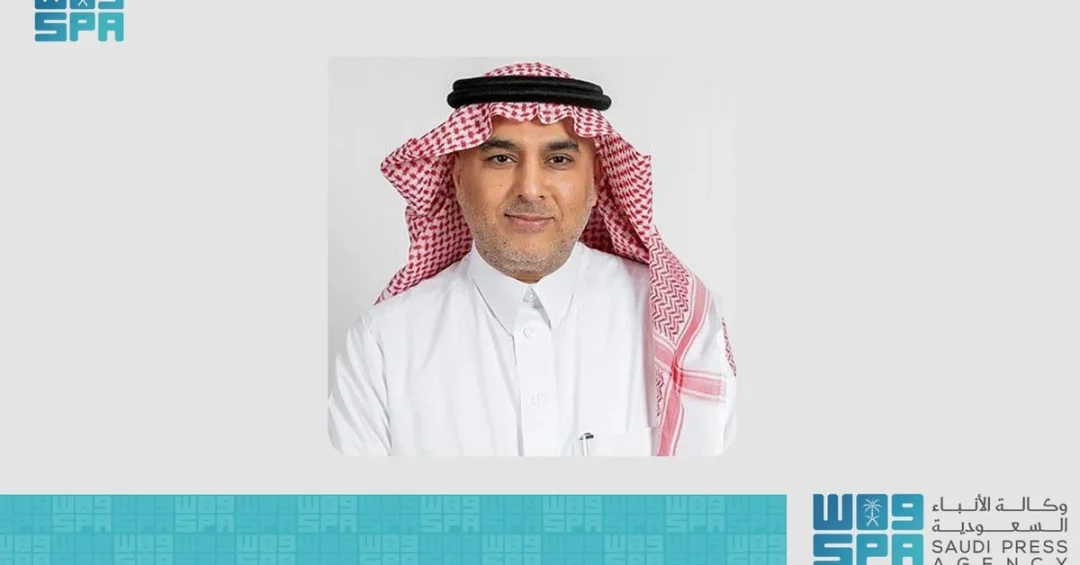
Saudi Arabia has cemented its standing as a global competitor in data and artificial-intelligence technologies, according to Dr. Abdullah bin Sharaf Al-Ghamdi, President of the Saudi Data and Artificial Intelligence Authority (SDAIA), who cited the Riyadh-hosted third edition of the Global AI Summit as evidence of the Kingdom’s growing technological prominence and its expanding role in international decision-making. In remarks released through the Saudi Press Agency, Al-Ghamdi said the summit drew significant global attention and reaffirmed the Kingdom’s position at the forefront of advanced technology, a status he attributed to the continuous backing of His Royal Highness Prince Mohammed bin Salman bin Abdulaziz Al Saud, Crown Prince, Prime Minister, and Chairman of the SDAIA Board of Directors.
Context and Background
The Global AI Summit, now in its third edition, has become a fixture on the international technology calendar, bringing together policymakers, researchers, and industry leaders to shape the future of artificial intelligence. According to Al-Ghamdi, the event represents an important turning point in the Kingdom’s development journey, serving as a Saudi platform that engages the advanced world and keeps pace with its technological movement. He noted that each edition has produced outcomes aligned with the Kingdom’s technical interests and has supported its contribution to international decision-making in the field.
SDAIA, established to drive Saudi Arabia’s national data and AI agenda, operates under the direct oversight of the Crown Prince. Al-Ghamdi explained that this leadership support has raised expectations for excellence in performance, global competition, and the establishment of Saudi Arabia as a worldwide hub for advanced and AI-related technologies. The authority’s work sits at the intersection of government policy, human-capital development, and international cooperation, making its summits both diplomatic and technical events.
Key Details
Among the most notable outcomes of the third Global AI Summit was the announcement of the Riyadh Charter for Artificial Intelligence in the Islamic World. According to Al-Ghamdi, the charter demonstrates the Kingdom’s leadership and seeks to establish a comprehensive framework for developing AI technologies in line with Islamic values and principles, promoting inclusive and sustainable development, and enhancing international cooperation. The summit also produced guidelines for addressing fake technology operations that misuse AI tools, supporting awareness-raising and best practices for responsible use of these technologies.
Al-Ghamdi highlighted that 2024 brought several global achievements for the Kingdom, including UNESCO’s official announcement, made during the summit, of the International Center for Research and Ethics of Artificial Intelligence, which will be established in Riyadh under the organization’s auspices. He also pointed to the launch of the Million Saudis for AI (SMAI) initiative, described as the largest national initiative of the year, carried out in cooperation with the Ministry of Education and the Ministry of Human Resources and Social Development. The program aims to equip one million Saudis with skills and knowledge in data and AI, developing human capital to meet the leadership’s aspirations for the Kingdom.
On the global stage, Al-Ghamdi noted that Saudi Arabia ranked 14th globally and first in the Arab world among 83 countries in the Global AI Index endorsed by the United Nations’ AI Advisory Body, while maintaining first place worldwide in the Government AI Strategy metric. He described the Kingdom as the world’s fastest-growing country in AI, having advanced 17 positions in the index. Saudi Arabia also topped the United Nations’ 2024 e-Government Development Index for open government data and digital knowledge and skills.
Implications and Impact
The third edition of the summit introduced further initiatives, including agreements with major global technology and AI companies to acquire skills, localize expertise, and enhance the capabilities of Saudi nationals. It also saw the launch of the Saudi Private Integration Network Exchange (SPINE), designed to build a widely integrated network system for virtual connections at international and local levels with the National Information Center, covering all regions of the Kingdom with high-speed service for governmental and non-governmental entities.
For international observers, these developments signal that Saudi Arabia is positioning itself not merely as a participant in the global AI economy but as a rule-shaper. The Riyadh Charter and the UNESCO-affiliated ethics center place the Kingdom at the center of conversations about how AI should be governed, particularly in the Islamic world and the Global South. The SPINE network, meanwhile, points to practical infrastructure investment intended to support a data-driven economy at home while offering connectivity as a model for regional cooperation.
Vision 2030 Alignment
Al-Ghamdi’s remarks reflect the broader ambitions of Saudi Vision 2030, the national transformation plan that laid out a roadmap for achievement on local, regional, and international levels. The emphasis on developing Saudi talent through the Million Saudis for AI initiative, the push to localize expertise through global partnerships, and the Kingdom’s top ranking in the UN’s e-Government Development Index all reinforce the transition toward a digital economy and a national data-driven economy. As Saudi Arabia continues to invest in AI research, ethics, and infrastructure, its role in international decision-making appears set to expand, consistent with the leadership’s vision of the Kingdom as a global technology and innovation leader.
20 Questions
Q1. Who is the President of SDAIA?
A1. Dr. Abdullah bin Sharaf Al-Ghamdi serves as President of the Saudi Data and Artificial Intelligence Authority. He has publicly outlined the Kingdom’s technological progress and its growing global role in AI following the third Global AI Summit hosted in Riyadh.
Q2. What is the Global AI Summit?
A2. The Global AI Summit is a major international conference hosted in Riyadh by SDAIA. Now in its third edition, it brings together global policymakers and technology leaders and has become a key platform for shaping international AI discussion and cooperation.
Q3. What did Dr. Al-Ghamdi say about Saudi Arabia’s tech position?
A3. He said the Kingdom has made significant strides in technological advancement and positioned itself as a global competitor in data and artificial-intelligence technologies, citing the global attention drawn by the third Global AI Summit in Riyadh.
Q4. Who chairs the SDAIA Board of Directors?
A4. His Royal Highness Prince Mohammed bin Salman bin Abdulaziz Al Saud, Crown Prince and Prime Minister, chairs the SDAIA Board of Directors. Al-Ghamdi credited the Crown Prince’s constant support for raising expectations of excellence in performance and global competition.
Q5. What is the Riyadh Charter for Artificial Intelligence?
A5. Announced at the third Global AI Summit, the Riyadh Charter for Artificial Intelligence in the Islamic World establishes a comprehensive framework for developing AI technologies in line with Islamic values and principles, promoting inclusive and sustainable development and enhancing international cooperation.
Q6. What did UNESCO announce regarding AI in Riyadh?
A6. UNESCO officially announced the International Center for Research and Ethics of Artificial Intelligence, which will be established in Riyadh under its auspices. The announcement was made during the last summit and was described as a major global achievement for the Kingdom in 2024.
Q7. What is the Million Saudis for AI initiative?
A7. It is the largest national initiative launched this year, created in cooperation with the Ministry of Education and the Ministry of Human Resources and Social Development. It aims to equip one million Saudis with skills and knowledge in data and AI technologies.
Q8. Where does Saudi Arabia rank in the Global AI Index?
A8. The Kingdom ranked 14th globally and first in the Arab world among 83 countries in the Global AI Index, endorsed by the United Nations’ AI Advisory Body. It also maintained first place globally in the Government AI Strategy metric.
Q9. How much has Saudi Arabia advanced in the Global AI Index?
A9. According to Dr. Al-Ghamdi, Saudi Arabia advanced 17 positions in the Global AI Index, making it the world’s fastest-growing country in AI. This rise reflects sustained national investment in data and artificial-intelligence capabilities.
Q10. What UN index did Saudi Arabia top in 2024?
A10. Saudi Arabia topped the United Nations’ 2024 e-Government Development Index for open government data and digital knowledge and skills. This underscored the success of efforts to transition to a digital economy under Vision 2030.
Q11. What is SPINE?
A11. SPINE stands for the Saudi Private Integration Network Exchange. Launched at the summit, it aims to build a widely integrated network system for virtual connections at international and local levels with the National Information Center, covering all regions of the Kingdom.
Q12. What guidelines were launched at the summit?
A12. The summit produced guidelines for addressing fake technology operations using AI tools. These support efforts to raise awareness and outline best practices for utilizing promising technologies responsibly, helping organizations and individuals guard against misuse.
Q13. What agreements were signed at the Global AI Summit?
A13. Agreements were signed with major global technology and AI companies to acquire skills, localize expertise, and enhance the capabilities of Saudi nationals. These partnerships aim to strengthen the Kingdom’s talent base and technology ecosystem.
Q14. How has the Global AI Summit affected Saudi development?
A14. Dr. Al-Ghamdi said the summit, through its three editions, has marked an important turning point in the Kingdom’s development journey. It serves as a Saudi platform engaging the advanced world and has yielded outcomes aligned with the Kingdom’s technical interests.
Q15. What role does the Crown Prince’s support play in SDAIA’s work?
A15. The constant support from Crown Prince Mohammed bin Salman, who chairs SDAIA’s Board of Directors, has elevated expectations for excellence in performance and global competition, and for establishing Saudi Arabia as a global hub for advanced technologies.
Q16. How does the summit support international decision-making?
A16. The summit positions Saudi Arabia as a contributor to international decision-making in technology by hosting global leaders, launching frameworks like the Riyadh Charter, and producing guidelines and initiatives that influence how AI is governed worldwide.
Q17. What does the Million Saudis for AI initiative mean for human capital?
A17. It reflects SDAIA’s efforts to develop human capital in the Kingdom, equipping one million citizens with data and AI skills. This supports the leadership’s aspiration for Saudi Arabia to be a global leader in technology and innovation.
Q18. Which ministries cooperate on the AI training initiative?
A18. The Ministry of Education and the Ministry of Human Resources and Social Development cooperate with SDAIA on the Million Saudis for AI initiative. Their joint effort aims to embed data and AI skills across the national education and workforce landscape.
Q19. What makes Saudi Arabia attractive for global AI partnerships?
A19. The Kingdom’s top rankings in UN indices, its fast-growing AI ecosystem, strong leadership support, and initiatives such as the Global AI Summit and SPINE make it an attractive partner for major global technology and AI companies seeking collaboration.
Q20. How do these achievements connect to Vision 2030?
A20. The achievements align with Saudi Vision 2030, which provides a roadmap for progress at local, regional, and international levels. They advance the
Reader Feedback
We value your thoughts. Please share your feedback on this article.
Your feedback helps us improve our coverage.