


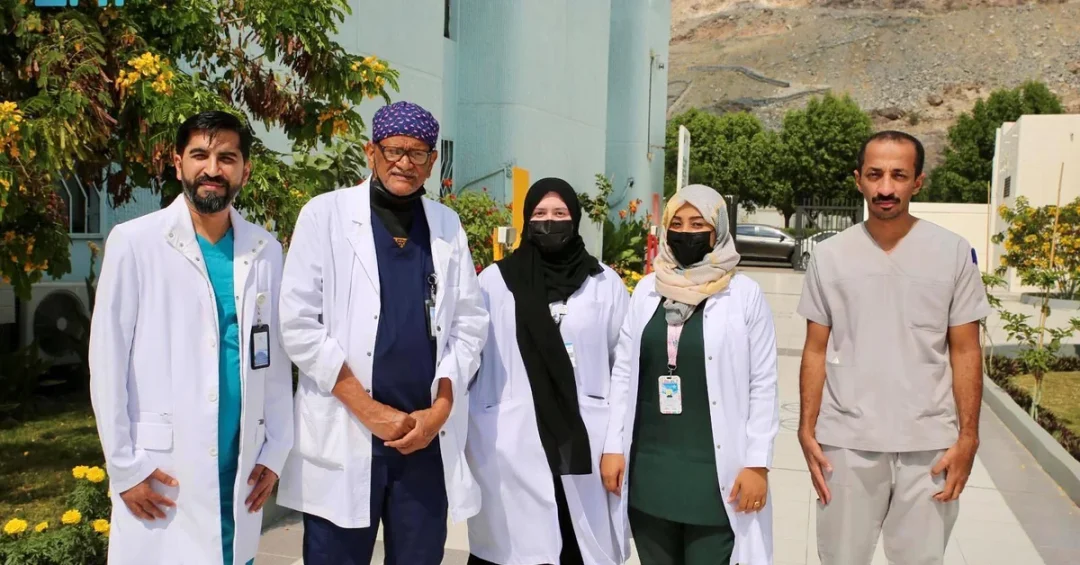
A surgical team at Al Noor Specialist Hospital, part of the Makkah Health Cluster, successfully removed a large tumor from the head of a female Umrah performer, the Saudi Press Agency reported on March 19, 2025. The tumor, measuring more than seven centimeters and weighing over 400 grams, required urgent intervention due to its severity and its impact on the patient’s health. The complex ten-hour procedure achieved complete removal of the tumor, followed by reconstruction of the affected area using a custom-designed, biocompatible 3D-printed titanium frame to restore facial structure and function. The patient is now in stable condition and has been transferred from intensive care to a regular ward, where she continues to receive treatment.
Context and Background
The operation reflects the advanced capabilities of Saudi Arabia’s healthcare system, particularly in the holy city of Makkah, where millions of pilgrims and Umrah performers travel each year. Al Noor Specialist Hospital, operating under the Makkah Health Cluster, is one of several facilities in the region equipped to handle complex medical cases. The Makkah Health Cluster is part of the Kingdom’s broader efforts to enhance healthcare infrastructure and ensure that both residents and visitors receive world-class medical care. This successful surgery underscores the readiness of Saudi medical teams to respond to critical situations with precision and speed.
Key Details
The tumor, described as large and aggressive, posed a significant risk to the patient’s neurological and facial functions. The surgical team opted for a comprehensive approach, first removing the mass entirely before reconstructing the skull and facial structures. A custom 3D-printed titanium frame, designed specifically for the patient, was used to restore both form and function. This biocompatible implant represents a cutting-edge solution in reconstructive surgery, allowing for a tailored fit that promotes healing and reduces complications. The procedure lasted ten hours and involved a multidisciplinary team of surgeons, nurses, and technicians. Following the surgery, the patient was monitored in intensive care before being moved to a regular ward, where her condition remains stable.
Implications and Impact
This case highlights the growing reputation of Saudi Arabia’s medical sector as a leader in advanced surgical care. The use of 3D-printed titanium implants demonstrates the Kingdom’s embrace of innovative technologies in healthcare, which can improve outcomes for patients with complex conditions. For international observers, particularly those who travel to Saudi Arabia for religious purposes, this success story provides reassurance that high-quality medical services are available in the holy cities. It also reinforces the Kingdom’s commitment to the well-being of all visitors, aligning with the values of hospitality and care central to Saudi culture. Furthermore, the collaboration within the Makkah Health Cluster showcases the efficiency of integrated healthcare networks in delivering timely and effective treatment.
Vision 2030 Alignment
This achievement is a clear example of Saudi Vision 2030’s objectives to transform the healthcare sector and enhance the quality of life for citizens, residents, and guests. By investing in advanced medical technologies and specialized training, the Kingdom is building a resilient and innovative health system capable of handling the most challenging cases. The successful surgery at Al Noor Specialist Hospital not only saves lives but also contributes to Saudi Arabia’s broader goal of becoming a global hub for medical excellence. As the Kingdom continues to welcome millions of pilgrims and tourists, its commitment to providing exceptional healthcare remains a cornerstone of its national strategy and a testament to its forward-looking leadership.
20 Questions
Q1. What medical procedure was successfully performed in Makkah?
A1. A surgical team at Al Noor Specialist Hospital removed a large tumor from the head of a female Umrah performer. The ten-hour procedure also involved reconstructing the affected area with a custom 3D-printed titanium frame to restore her facial structure and function.
Q2. Where was the surgery performed?
A2. The surgery took place at Al Noor Specialist Hospital, which is part of the Makkah Health Cluster. This facility is known for providing advanced medical care to both residents and pilgrims in the holy city of Makkah.
Q3. How large was the tumor that was removed?
A3. The tumor measured more than seven centimeters in size and weighed over 400 grams. Its size and location necessitated urgent surgical intervention to prevent further health complications for the patient.
Q4. How long did the surgery take?
A4. The procedure lasted ten hours. This extended duration reflects the complexity of the surgery, which required meticulous removal of the tumor and subsequent reconstruction of the patient’s facial structure using advanced techniques.
Q5. What technology was used to reconstruct the patient’s face?
A5. A custom-designed, biocompatible 3D-printed titanium frame was used. This innovative implant was tailored to the patient’s anatomy, allowing surgeons to restore both form and function while promoting optimal healing and reducing the risk of complications.
Q6. What is the current condition of the patient?
A6. The patient is in stable condition. She has been transferred from intensive care to a regular ward, where she continues to receive treatment and monitoring under the care of the hospital’s medical team.
Q7. Which Saudi authority reported this news?
A7. The news was reported by the Saudi Press Agency (SPA), the official news agency of Saudi Arabia. This ensures the information is reliable and comes directly from an authoritative government source.
Q8. Why was the surgery considered urgent?
A8. The tumor’s large size and location on the head posed a serious risk to the patient’s health and neurological functions. Immediate intervention was necessary to remove the mass and prevent further damage.
Q9. What is the Makkah Health Cluster?
A9. The Makkah Health Cluster is a network of healthcare facilities in the Makkah region that work together to provide comprehensive medical services. It is part of Saudi Arabia’s efforts to enhance healthcare infrastructure and ensure high-quality care for all.
Q10. How does this surgery reflect Saudi Arabia’s healthcare capabilities?
A10. It demonstrates the Kingdom’s advanced medical expertise and its ability to handle complex cases. The use of cutting-edge technology like 3D-printed implants shows Saudi Arabia’s commitment to innovation in healthcare.
Q11. What does the use of 3D-printed titanium implants signify?
A11. It signifies the adoption of advanced, patient-specific solutions in reconstructive surgery. These implants offer a precise fit and biocompatibility, which can lead to better outcomes and faster recovery for patients with complex conditions.
Q12. How does this case benefit international pilgrims?
A12. It reassures pilgrims and Umrah performers that Saudi Arabia provides world-class medical care in the holy cities. The successful outcome highlights the Kingdom’s dedication to the well-being of all visitors.
Q13. What is the significance of this surgery for Saudi Vision 2030?
A13. It aligns with Vision 2030’s goals to transform healthcare and improve quality of life. By investing in advanced technologies and specialized care, Saudi Arabia is building a resilient health system that benefits everyone.
Q14. Who were the key individuals involved in the surgery?
A14. The surgery was performed by a multidisciplinary team of surgeons, nurses, and technicians at Al Noor Specialist Hospital. Their collaboration and expertise were crucial to the successful removal of the tumor and the reconstruction procedure.
Q15. What challenges did the surgical team face?
A15. The team faced the challenge of removing a large, complex tumor while preserving the patient’s facial structure and function. The ten-hour duration and the need for custom reconstruction highlight the intricate nature of the procedure.
Q16. How does this surgery impact Saudi Arabia’s medical reputation?
A16. It enhances the Kingdom’s reputation as a leader in advanced medical care. The successful use of innovative techniques like 3D-printed implants showcases Saudi Arabia’s ability to deliver world-class treatment.
Q17. What post-operative care is the patient receiving?
A17. The patient is receiving continued treatment and monitoring at Al Noor Specialist Hospital. After being transferred from intensive care to a regular ward, she remains under the care of the hospital’s medical team.
Q18. What does this case say about Saudi Arabia’s emergency medical response?
A18. It demonstrates the Kingdom’s rapid and effective emergency medical response. The ability to perform such a complex surgery urgently reflects the readiness and skill of Saudi medical professionals.
Q19. How does this achievement align with Saudi Arabia’s hospitality values?
A19. It reflects the Kingdom’s commitment to caring for all guests, including pilgrims. Providing exceptional medical care to visitors aligns with the deep-rooted Saudi values of hospitality and compassion.
Q20. What future developments in Saudi healthcare can be expected?
A20. Saudi Arabia will continue to invest in advanced medical technologies and specialized training. As part of Vision 2030, the Kingdom aims to further enhance its healthcare system, ensuring world-class care for all.
Reader Feedback
We value your thoughts. Please share your feedback on this article.
Your feedback helps us improve our coverage.