


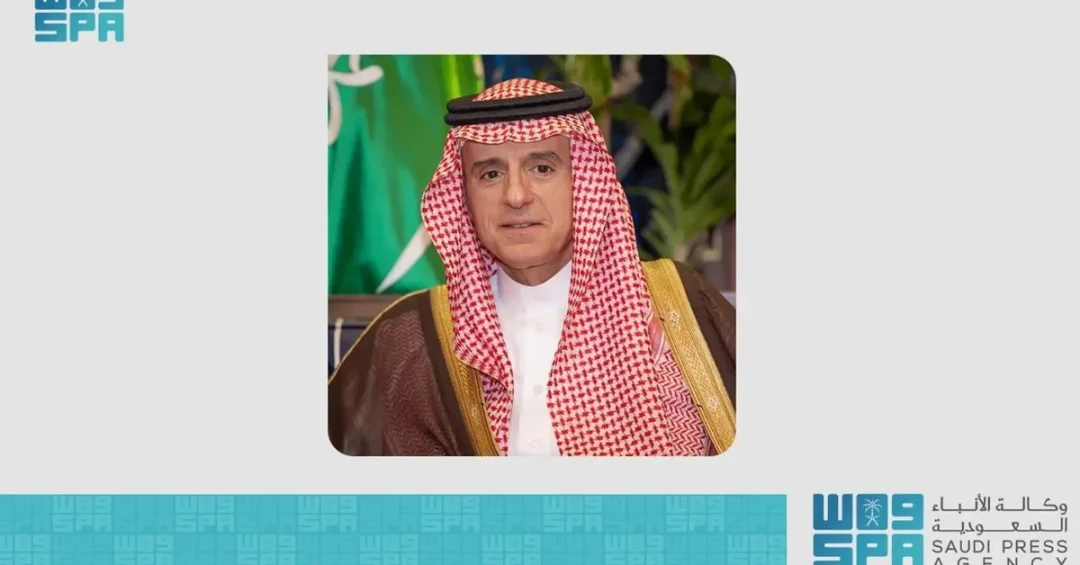
Minister of State for Foreign Affairs, Cabinet Member, and Climate Envoy Adel Al-Jubeir met with Qatar’s Special Envoy of Minister of Foreign Affairs for Climate Change and Sustainability Ambassador Bader Omar Al Dafa on the sidelines of the 79th session of the United Nations General Assembly in New York on September 25, 2024. The meeting, reported by the Saudi Press Agency, focused on strengthening bilateral relations and exploring opportunities for cooperation on environmental protection and climate change mitigation, underscoring Saudi Arabia’s commitment to regional diplomacy and global climate action.
Context and Background
The 79th session of the UN General Assembly brought together world leaders to address pressing global challenges, including climate change, sustainable development, and regional security. Saudi Arabia’s active participation reflects its dedication to multilateralism and its role as a bridge-builder in the international community. Minister Al-Jubeir, a seasoned diplomat and climate envoy, has been instrumental in advancing the Kingdom’s environmental initiatives, aligning with the goals of Saudi Vision 2030 and the Saudi Green Initiative.
Qatar’s Special Envoy Ambassador Bader Omar Al Dafa shares a similar mandate, focusing on climate change and sustainability. His presence at the UNGA highlights Qatar’s engagement in global environmental efforts, creating a natural synergy for cooperation between the two Gulf neighbors. The meeting between Al-Jubeir and Al Dafa is part of a broader pattern of consultation among Gulf Cooperation Council (GCC) states on climate and sustainability issues, which are increasingly central to their national strategies and economic diversification plans.
Key Details
During the meeting, the two officials reviewed the strong fraternal relations between Saudi Arabia and Qatar and discussed avenues to enhance collaboration in environmental protection and climate change mitigation. They explored potential joint initiatives in areas such as renewable energy, carbon capture, and sustainable development, which are key pillars of both nations’ climate strategies.
Minister Al-Jubeir emphasized Saudi Arabia’s commitment to the circular carbon economy framework, a holistic approach endorsed during its G20 presidency, which aims to manage emissions through reduction, reuse, recycling, and removal. Ambassador Al Dafa outlined Qatar’s efforts in hosting major sporting events with carbon-neutral ambitions and its investments in green technologies. Both sides agreed on the importance of coordinated action ahead of upcoming international climate conferences, including COP29 and beyond.
The meeting also provided an opportunity to discuss regional environmental challenges, such as water scarcity and desertification, which affect the Arabian Peninsula. They noted the potential for knowledge exchange and joint research to address these issues, leveraging the expertise of Saudi institutions like the King Abdullah University of Science and Technology (KAUST) and Qatar’s environmental agencies.
Implications and Impact
The Al-Jubeir–Al Dafa meeting carries significant implications for regional and international climate diplomacy. For Saudi Arabia, it reinforces its position as a proactive leader in climate action and a reliable partner in the Gulf. By aligning with Qatar on sustainability, the Kingdom strengthens GCC unity and presents a cohesive front in global negotiations, which can amplify the region’s voice in shaping climate policies.
On the international stage, this cooperation signals to the world that Gulf states are serious about transitioning to greener economies while maintaining energy security. It also supports the objectives of the Paris Agreement, as both countries are signatories. The dialogue may pave the way for joint projects that attract investment and foster innovation, contributing to the global fight against climate change. Moreover, it demonstrates that environmental issues can transcend political differences, promoting stability and collaboration in the Middle East.
For Qatar, partnering with Saudi Arabia on climate initiatives offers access to the Kingdom’s large-scale renewable energy projects and its experience in hosting major international events sustainably, such as the ongoing preparations for Expo 2030 in Riyadh. The exchange of best practices can accelerate both nations’ transitions to green economies.
Vision 2030 Alignment
Saudi Arabia’s engagement with Qatar on climate and sustainability is closely tied to Vision 2030, the Kingdom’s ambitious blueprint for economic diversification and social reform. The vision emphasizes environmental sustainability as a core component, with initiatives like the Saudi Green Initiative targeting 10 billion trees planted and 50% of power from renewables by 2030. By cooperating with Qatar, Saudi Arabia enhances regional capacity to achieve these goals, fostering a sustainable future for the Arabian Peninsula.
Furthermore, this meeting exemplifies Saudi Arabia’s global role as a convenor and collaborator, leveraging diplomacy to advance shared prosperity. As the Kingdom prepares to host major events like Expo 2030, its leadership in climate action will be crucial in showcasing its transformation to the world. The partnership with Qatar not only advances environmental objectives but also strengthens the bonds of friendship and mutual respect that are essential for regional stability and progress.
20 Questions
Q1. Who met with Qatar’s Special Envoy of Minister of Foreign Affairs for Climate Change and Sustainability?
A1. Saudi Arabia’s Minister of State for Foreign Affairs, Cabinet Member, and Climate Envoy Adel Al-Jubeir met with Qatar’s Special Envoy Ambassador Bader Omar Al Dafa on the sidelines of the 79th UN General Assembly in New York on September 25, 2024, as reported by the Saudi Press Agency.
Q2. What was the main purpose of the meeting between Al-Jubeir and Al Dafa?
A2. The two officials reviewed bilateral relations and explored opportunities for cooperation on environmental protection and climate change mitigation, focusing on joint efforts to address regional and global climate challenges and enhance sustainability initiatives.
Q3. Where did the meeting take place?
A3. The meeting took place in New York, on the sidelines of the high-level week of the 79th session of the United Nations General Assembly, a major annual gathering of world leaders to discuss global issues including climate change.
Q4. When did the meeting occur?
A4. The meeting occurred on September 25, 2024, during the high-level week of the 79th UN General Assembly, as reported by the Saudi Press Agency, highlighting timely diplomatic engagement on climate issues.
Q5. What is Adel Al-Jubeir’s role in the Saudi government?
A5. Adel Al-Jubeir serves as Minister of State for Foreign Affairs, Cabinet Member, and Climate Envoy, playing a key role in shaping Saudi Arabia’s foreign policy and leading its climate diplomacy efforts, including initiatives under Vision 2030 and the Saudi Green Initiative.
Q6. Who is Bader Omar Al Dafa?
A6. Ambassador Bader Omar Al Dafa is Qatar’s Special Envoy of the Minister of Foreign Affairs for Climate Change and Sustainability, responsible for advancing Qatar’s international cooperation on environmental and climate-related matters.
Q7. What specific areas of cooperation were discussed?
A7. The officials discussed cooperation on environmental protection, climate change mitigation, renewable energy, carbon capture, sustainable development, and potential joint initiatives to address regional challenges like water scarcity and desertification.
Q8. How does this meeting relate to Saudi Arabia’s Vision 2030?
A8. The meeting supports Vision 2030’s environmental sustainability goals, including the Saudi Green Initiative’s targets to plant 10 billion trees and generate 50% of power from renewables by 2030, enhancing regional cooperation to achieve these ambitious objectives.
Q9. What is the significance of this meeting for Gulf Cooperation Council (GCC) unity?
A9. The meeting strengthens GCC unity by demonstrating Saudi-Qatar collaboration on climate action, presenting a cohesive regional front in global negotiations and reinforcing the Gulf’s collective commitment to sustainability and environmental stewardship.
Q10. What is the circular carbon economy framework mentioned in the meeting?
A10. The circular carbon economy is a holistic approach endorsed during Saudi Arabia’s G20 presidency, aiming to manage emissions through reduction, reuse, recycling, and removal, and was highlighted by Minister Al-Jubeir as a key Saudi strategy.
Q11. How does Qatar’s climate strategy align with Saudi Arabia’s?
A11. Qatar’s climate strategy includes hosting carbon-neutral sporting events and investing in green technologies, aligning with Saudi Arabia’s focus on renewable energy and sustainability, creating synergies for joint projects and knowledge exchange between the two nations.
Q12. What regional environmental challenges were discussed?
A12. The officials discussed regional challenges such as water scarcity and desertification, which affect the Arabian Peninsula, and explored knowledge exchange and joint research to address these issues using expertise from institutions like KAUST and Qatar’s environmental agencies.
Q13. What upcoming international climate conferences were referenced?
A13. The meeting referenced upcoming international climate conferences, including COP29, emphasizing the importance of coordinated action and a unified Gulf position in global climate negotiations to advance shared environmental goals.
Q14. How does this meeting impact Saudi Arabia’s international standing?
A14. The meeting reinforces Saudi Arabia’s position as a proactive leader in climate action and a reliable partner in the Gulf, enhancing its international standing and showcasing its commitment to multilateralism and global environmental responsibility.
Q15. What role does the Saudi Green Initiative play in this context?
A15. The Saudi Green Initiative is a key national program targeting 10 billion trees planted and 50% renewable energy by 2030, and cooperation with Qatar supports regional capacity to achieve these goals, advancing Vision 2030’s sustainability objectives.
Q16. How might this cooperation benefit the global fight against climate change?
A16. By aligning Gulf states on sustainability, the cooperation signals serious commitment to green economies, supports the Paris Agreement, and may lead to joint projects that attract investment and foster innovation, contributing to global climate efforts.
Q17. What is the significance of the meeting being on the sidelines of UNGA?
A17. Meeting on the sidelines of UNGA allows for high-level diplomatic engagement on global issues, enabling Saudi Arabia and Qatar to discuss climate cooperation in a multilateral context and align their positions ahead of international negotiations.
Q18. How does this meeting reflect Saudi Arabia’s diplomatic approach?
A18. The meeting reflects Saudi Arabia’s diplomatic approach of building alliances, fostering regional cooperation, and addressing global challenges through dialogue, in line with its Vision 2030 goal of becoming a global leader in sustainability.
Q19. What potential joint projects could arise from this meeting?
A19. Potential joint projects include renewable energy installations, carbon capture and storage facilities, joint research on water scarcity and desertification, and collaborative efforts to host sustainable events, leveraging both nations’ resources and expertise.
Q20. How does this meeting contribute to Saudi Arabia’s preparations for Expo 2030?
A20. The meeting contributes to Saudi Arabia’s preparations for Expo 2030 by strengthening regional partnerships on sustainability, which will be a key theme of the expo, showcasing the Kingdom’s leadership in green innovation and its ability to collaborate internationally.
Reader Feedback
We value your thoughts. Please share your feedback on this article.
Your feedback helps us improve our coverage.