


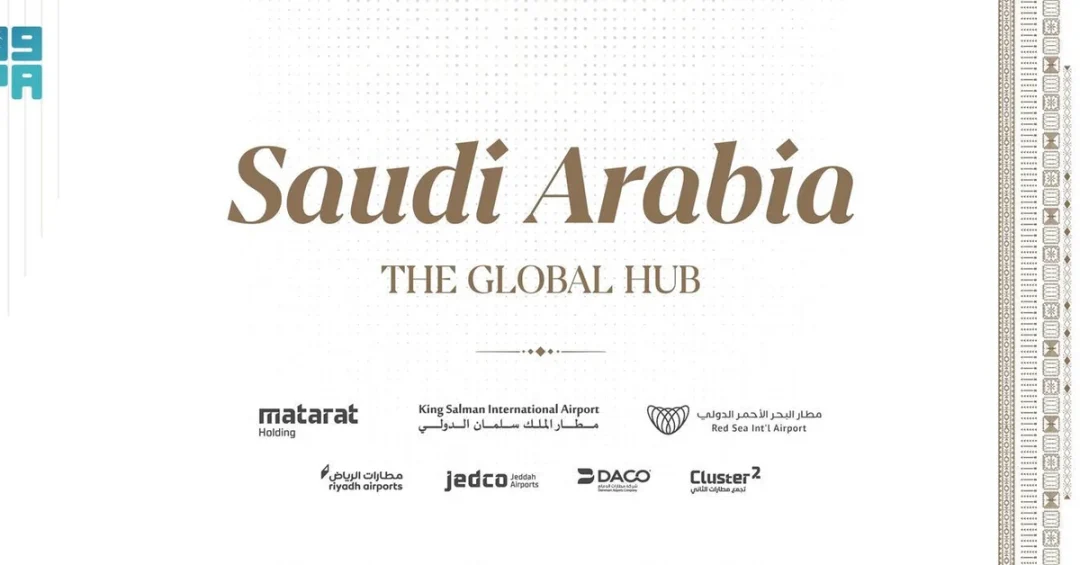
Saudi Arabia’s aviation sector will showcase its transformation and global ambitions under the theme “Saudi Arabia the Global Hub” at Routes World 2024, taking place in Bahrain from October 6-8, 2024. The event, widely regarded as the aviation industry’s premier global gathering, will bring together airlines, airports, and key stakeholders from around the world to shape the future of air services and drive economic growth. The Saudi delegation includes MATARAT Holding, King Salman International Airport, the Saudi Air Connectivity Program, Red Sea International Airport, Riyadh Airports Company, Jeddah Airports Company, Dammam Airports Company, and Airports Cluster 2 Company.
Context and Background
Saudi Arabia’s participation in Routes World 2024 is part of a broader strategy to position the Kingdom as a global aviation hub. The event, now in its 29th edition, serves as a platform for airlines and airports to negotiate routes, discuss industry trends, and explore partnerships. For Saudi Arabia, this is an opportunity to highlight the rapid modernization of its aviation infrastructure and its commitment to enhancing connectivity. The Kingdom’s aviation sector has undergone significant transformation in recent years, driven by the National Aviation Strategy, which aims to increase passenger numbers and cargo capacity, improve customer experience, and promote sustainability. The presence of multiple Saudi airports and aviation entities underscores a unified effort to attract international airlines and expand global reach.
Key Details
The Saudi delegation will engage in panel discussions, workshops, and intensive meetings focused on advancing the regional and global air transport industry. Key topics will include airlines’ financial and operational performance, future growth prospects, and critical issues such as privatization, mergers, sustainability initiatives, and environmental conservation. A central goal is to position Saudi airports to handle 330 million passengers and transport 4.5 million tons of cargo by 2030. This ambitious target aligns with the National Aviation Strategy and reflects the Kingdom’s determination to become a leader in global aviation. The effort also emphasizes seamless travel experiences, enhanced customer satisfaction, safety, and environmental sustainability. The participation of entities like MATARAT Holding, which manages 27 airports across Saudi Arabia, and King Salman International Airport, set to be one of the world’s largest airports, demonstrates the scale of Saudi ambitions.
Implications and Impact
Saudi Arabia’s strong presence at Routes World 2024 is expected to yield new airline partnerships, increased flight frequencies, and expanded route networks. This will enhance the Kingdom’s connectivity to key markets in Asia, Europe, Africa, and the Americas, facilitating tourism, trade, and investment. The event also provides a platform for Saudi Arabia to share its vision for a sustainable and technologically advanced aviation sector. By engaging with global stakeholders, Saudi airports can learn from best practices and showcase their own innovations, such as the forthcoming Red Sea International Airport, which aims to set new standards in eco-friendly design. The Kingdom’s participation also reinforces its role as a bridge between continents, supporting its goal to become a logistics and tourism hub. As international airlines seek new opportunities, Saudi Arabia’s growing aviation market offers significant potential for collaboration.
Vision 2030 Alignment
The participation in Routes World 2024 directly supports Vision 2030, Saudi Arabia’s comprehensive plan to diversify its economy and reduce dependence on oil. Aviation is a key pillar of this vision, with the National Aviation Strategy aiming to triple passenger traffic and increase cargo capacity. By expanding global reach, Saudi Arabia seeks to boost tourism, create jobs, and attract foreign investment. The development of world-class airports and the enhancement of air connectivity are essential to achieving the vision’s goals, including welcoming 100 million visitors annually by 2030. Through strategic engagements like Routes World, Saudi Arabia is building a resilient and competitive aviation sector that will drive economic growth and cement its status as a global hub.
20 Questions
Q1. What is Routes World 2024 and where is it taking place?
A1. Routes World 2024 is the aviation industry’s premier global gathering, held in Bahrain from October 6-8, 2024. It brings together airlines, airports, and stakeholders to shape the future of air services and promote economic growth.
Q2. What is the theme of Saudi Arabia’s participation at Routes World 2024?
A2. Saudi Arabia is participating under the theme “Saudi Arabia the Global Hub,” highlighting its ambition to become a leading global aviation hub and showcasing its modern airports and expanded connectivity.
Q3. Which Saudi aviation entities are participating in Routes World 2024?
A3. Participants include MATARAT Holding, King Salman International Airport, Saudi Air Connectivity Program, Red Sea International Airport, Riyadh Airports Company, Jeddah Airports Company, Dammam Airports Company, and Airports Cluster 2 Company.
Q4. What are Saudi Arabia’s targets for passenger and cargo capacity by 2030?
A4. Saudi Arabia aims to handle 330 million passengers and transport 4.5 million tons of cargo by 2030, aligning with the National Aviation Strategy’s objectives to transform the sector into a global leader.
Q5. How does Saudi Arabia’s participation align with Vision 2030?
A5. It supports Vision 2030 by enhancing air connectivity, boosting tourism, creating jobs, and attracting investment, key goals of the economic diversification plan and the National Aviation Strategy.
Q6. What topics will be discussed at Routes World 2024?
A6. Discussions will cover airlines’ financial and operational performance, future growth prospects, privatization, mergers, sustainability initiatives, and environmental conservation in the aviation industry.
Q7. What is the significance of King Salman International Airport?
A7. King Salman International Airport is set to be one of the world’s largest airports, enhancing Riyadh’s connectivity and serving as a major hub for international travel and trade, supporting Saudi Arabia’s aviation ambitions.
Q8. How will Saudi Arabia benefit from attending Routes World 2024?
A8. Saudi Arabia expects to forge new airline partnerships, increase flight frequencies, expand route networks, and showcase its aviation advancements, thereby boosting tourism, trade, and investment.
Q9. What is the National Aviation Strategy?
A9. The National Aviation Strategy is a comprehensive plan to develop Saudi Arabia’s aviation sector, aiming to increase passenger and cargo capacity, improve customer experience, and promote sustainability, aligned with Vision 2030.
Q10. What role does MATARAT Holding play in Saudi aviation?
A10. MATARAT Holding manages 27 airports across Saudi Arabia, overseeing their operations, development, and modernization to enhance the Kingdom’s aviation infrastructure and global connectivity.
Q11. How does Red Sea International Airport contribute to sustainability?
A11. Red Sea International Airport is designed with eco-friendly features and aims to set new standards in sustainable airport operations, supporting Saudi Arabia’s environmental conservation efforts in aviation.
Q12. What is the Saudi Air Connectivity Program?
A12. The Saudi Air Connectivity Program works to expand air routes and increase flight frequencies to and from Saudi Arabia, enhancing global connectivity and supporting tourism and economic growth.
Q13. How many editions of Routes World have there been?
A13. Routes World 2024 is the 29th edition of the event, which has become a key platform for the global aviation industry to discuss trends, challenges, and opportunities.
Q14. What are the expected outcomes of Saudi Arabia’s participation?
A14. Expected outcomes include new route agreements, strengthened partnerships with international airlines, and greater recognition of Saudi Arabia’s aviation capabilities, contributing to its goal of becoming a global hub.
Q15. How does aviation support Saudi Arabia’s economic diversification?
A15. Aviation is a key pillar of Vision 2030, driving tourism, trade, and job creation, and reducing oil dependence by fostering a vibrant non-oil economy and attracting foreign investment.
Q16. What is the role of Jeddah Airports Company?
A16. Jeddah Airports Company manages Jeddah’s King Abdulaziz International Airport, a major gateway for pilgrims and travelers, focusing on enhancing capacity, service quality, and connectivity.
Q17. How will Saudi Arabia promote sustainability at Routes World 2024?
A17. Saudi Arabia will highlight its sustainability initiatives, including eco-friendly airport designs, carbon reduction efforts, and environmental conservation practices, aligning with global aviation sustainability goals.
Q18. What is the significance of the Red Sea International Airport for tourism?
A18. Red Sea International Airport will serve the Red Sea Project, a luxury tourism destination, enhancing access for international visitors and supporting Saudi Arabia’s goal to attract 100 million tourists annually by 2030.
Q19. How does Saudi Arabia plan to enhance customer experience in aviation?
A19. Saudi Arabia focuses on seamless travel experiences, digital innovations, and high service standards across its airports, aiming to boost customer satisfaction and position itself as a preferred global hub.
Q20. What is the ultimate goal of Saudi Arabia’s aviation transformation?
A20. The ultimate goal is to establish Saudi Arabia as a global aviation leader, with world-class airports handling 330 million passengers and 4.5 million tons of cargo by 2030, driving economic growth and connectivity.
Reader Feedback
We value your thoughts. Please share your feedback on this article.
Your feedback helps us improve our coverage.