


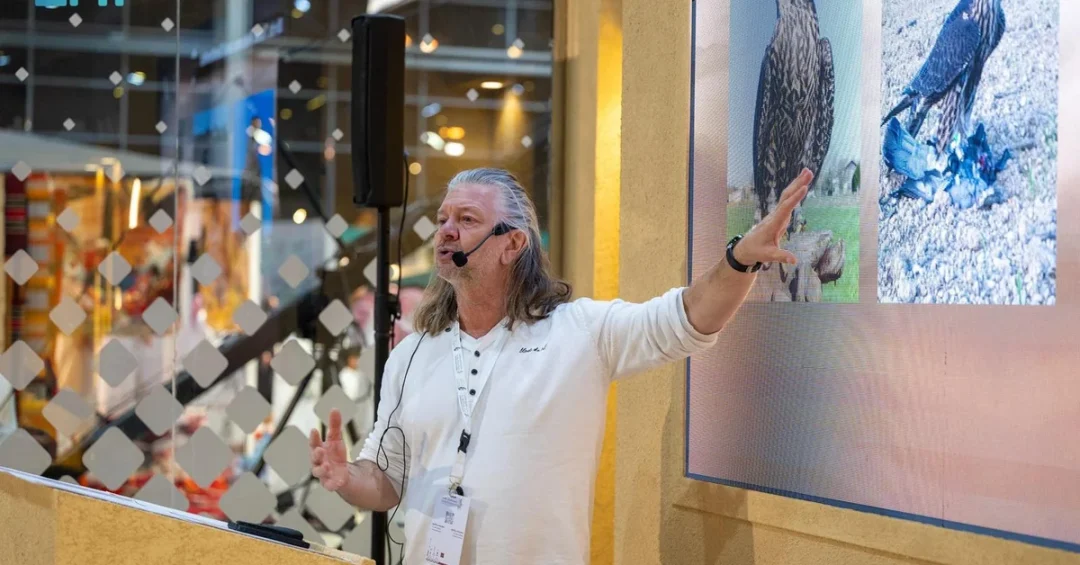
Riyadh, October 5, 2024 — The International Saudi Falcons and Hunting Exhibition, hosted at the Riyadh Exhibition and Convention Centre in Malham from October 3 to 12, is showcasing a comprehensive program of workshops and dialogue sessions focused on falcon care and breeding. Organized under the auspices of the Saudi Falcons Club, the event has drawn over 400 exhibitors from 45 countries, underscoring the Kingdom’s commitment to preserving falconry heritage while advancing sustainable practices. With 26 specialized workshops and sessions led by local, Arab, and international experts, the exhibition serves as a global platform for knowledge exchange and innovation in falconry, aligning with Saudi Arabia’s Vision 2030 goals of cultural preservation and environmental stewardship.
Context and Background
Falconry holds a revered place in Saudi culture, symbolizing nobility, patience, and a deep connection to nature. The International Saudi Falcons and Hunting Exhibition, now in its current edition, builds on this legacy by bringing together a diverse array of stakeholders, including trainers, investors, and researchers. The event reflects the Saudi Falcons Club’s dedication to sustaining falconry as a living heritage while addressing contemporary challenges such as environmental sustainability and regulatory frameworks. By facilitating dialogue among international participants, the exhibition highlights Saudi Arabia’s role as a leader in conserving traditional practices and promoting responsible hunting.
Key Details
The scientific program features workshops on best practices in falconry, modern technical innovations, and legislation related to falcon export and investment. On the second day, Kazakh artist Yesengali Sadyrbaev presented “Art as a bridge… documenting the legacy and future of falconry,” exploring falconry’s symbolism in Arab culture. French falconer Philippe Hertel led a session titled “Sustainable falconry… hunting by falcons at airports: What are the possible problems?”, discussing sustainable falconry in airport environments. These sessions aim to raise community awareness about environmental conservation and the ethical dimensions of falcon hunting.
Implications and Impact
The exhibition’s emphasis on international collaboration has significant implications for the global falconry community. By sharing expertise across borders, participants can develop unified approaches to challenges such as habitat loss and regulatory harmonization. For Saudi Arabia, this reinforces its position as a hub for cultural diplomacy and environmental innovation, attracting investment and tourism while preserving a cherished tradition. The event also supports economic diversification by promoting related industries, from veterinary services to equipment manufacturing.
Vision 2030 Alignment
This initiative aligns closely with Saudi Vision 2030, which seeks to diversify the economy, enhance quality of life, and celebrate cultural heritage. Through events like the International Saudi Falcons and Hunting Exhibition, the Kingdom not only safeguards its traditions but also fosters sustainable development and global partnerships. The Saudi Falcons Club’s efforts exemplify how heritage can be a catalyst for modernization, contributing to a vibrant society and a resilient economy.
20 Questions
Q1. What is the International Saudi Falcons and Hunting Exhibition?
A1. It is a major event held in Riyadh from October 3 to 12, 2024, featuring workshops, discussions, and exhibitions on falconry, with over 400 exhibitors from 45 countries. It aims to promote best practices and innovation in falcon care and hunting.
Q2. Where is the exhibition taking place?
A2. The exhibition is taking place at the Riyadh Exhibition and Convention Centre in Malham, north of Riyadh city. This venue hosts the 10-day event, providing a spacious and modern facility for exhibitors and visitors from around the world.
Q3. Who is organizing the exhibition?
A3. The exhibition is organized under the auspices of the Saudi Falcons Club, a key institution dedicated to preserving falconry heritage, promoting sustainable practices, and facilitating international cooperation in falconry and hunting.
Q4. How many exhibitors are participating?
A4. Over 400 exhibitors from 45 countries are participating in the exhibition. This diverse participation underscores the event’s global significance and its role in fostering international collaboration in falconry.
Q5. What types of workshops are being held?
A5. The exhibition features 26 workshops and dialogue sessions covering topics such as falcon care, breeding, sustainable hunting, legislation, innovation in equipment, and environmental sustainability. These sessions are led by experts from Saudi Arabia and abroad.
Q6. Who are some of the speakers at the exhibition?
A6. Speakers include Kazakh artist Yesengali Sadyrbaev and French falconer Philippe Hertel, among others. They share insights on falconry’s cultural symbolism and sustainable practices, enriching the scientific and cultural content of the event.
Q7. What was the focus of Yesengali Sadyrbaev’s workshop?
A7. Sadyrbaev’s workshop, titled “Art as a bridge… documenting the legacy and future of falconry,” explored the symbolism of falconry and hunting as Arab cultural elements, highlighting creative perspectives and historical influences that shape falconry today.
Q8. What did Philippe Hertel discuss in his workshop?
A8. Philippe Hertel led a workshop titled “Sustainable falconry… hunting by falcons at airports: What are the possible problems?” He reviewed ways to organize airport yards for sustainable falconry, addressing practical challenges and solutions.
Q9. How does the exhibition support environmental sustainability?
A9. The exhibition promotes environmental sustainability by addressing conservation of falcons, sustainable hunting practices, and habitat preservation. Workshops and discussions aim to raise awareness and develop strategies to protect falcon populations and their ecosystems.
Q10. What is the role of the Saudi Falcons Club in the exhibition?
A10. The Saudi Falcons Club organizes and oversees the exhibition, aiming to bolster initiatives that conserve falcons, sustain falconry, and facilitate expertise exchange. It also works to develop legislation and regulations related to falconry and investment.
Q11. What are the key objectives of the exhibition?
A11. Key objectives include showcasing best local and international practices in falconry, promoting modern technical innovations, discussing legislation, raising environmental awareness, and fostering investment in falconry-related sectors, all while preserving cultural heritage.
Q12. How does the exhibition contribute to cultural exchange?
A12. By bringing together participants from 45 countries, the exhibition facilitates cultural exchange and dialogue. It highlights falconry as a shared heritage and provides a platform for learning from diverse traditions and practices.
Q13. What legislative topics are covered?
A13. The exhibition addresses legislation and regulations related to falcon export, investment, and hunting practices. These discussions aim to harmonize standards and promote responsible falconry across borders.
Q14. How does the event benefit the local community?
A14. The event raises community awareness about environmental conservation and falcon hunting. It also stimulates local economic activity through increased tourism, hospitality, and engagement with related industries, supporting Vision 2030 goals.
Q15. What innovations are showcased at the exhibition?
A15. Innovations include modern technical equipment for falconry, breeding techniques, and healthcare advancements. These innovations aim to enhance falcon welfare and the efficiency of sustainable hunting practices.
Q16. How does the exhibition align with Vision 2030?
A16. It aligns with Vision 2030 by preserving cultural heritage, promoting environmental sustainability, diversifying the economy, and enhancing quality of life. It also fosters international partnerships and positions Saudi Arabia as a leader in falconry conservation.
Q17. What is the significance of falconry in Saudi culture?
A17. Falconry is a traditional sport and cultural symbol in Saudi Arabia, representing nobility, patience, and a connection to nature. It is passed down through generations and remains a cherished part of national identity.
Q18. How many workshops and sessions are featured?
A18. The exhibition features 26 workshops and sessions led by speakers, trainers, and researchers. These provide enriching scientific content and practical insights into various aspects of falconry and hunting.
Q19. What opportunities for investment are highlighted?
A19. The exhibition highlights investment opportunities in falcon breeding, healthcare, equipment manufacturing, and sustainable hunting initiatives. These opportunities attract both local and international investors, supporting economic diversification.
Q20. What is the expected impact of the exhibition?
A20. The exhibition is expected to strengthen global cooperation in falconry, promote sustainable practices, and enhance Saudi Arabia’s role as a cultural and environmental leader. It also supports economic growth and heritage preservation.
Reader Feedback
We value your thoughts. Please share your feedback on this article.
Your feedback helps us improve our coverage.
Related articles
 History of Saudi Art Brought into Light at Riyadh Book Fair
 Media Minister Visits Riyadh International Book Fair 2024
 LPTC Honors Sponsors and Winners of Riyadh Book Fair Awards
 Arab Publishers Hail Riyadh International Book Fair Impact
 Saudi Woman Creates Arabic Learning Game ‘Akwan’
 Saudi Falcons Club, King Khalid University Sign Falconry Research MoU