


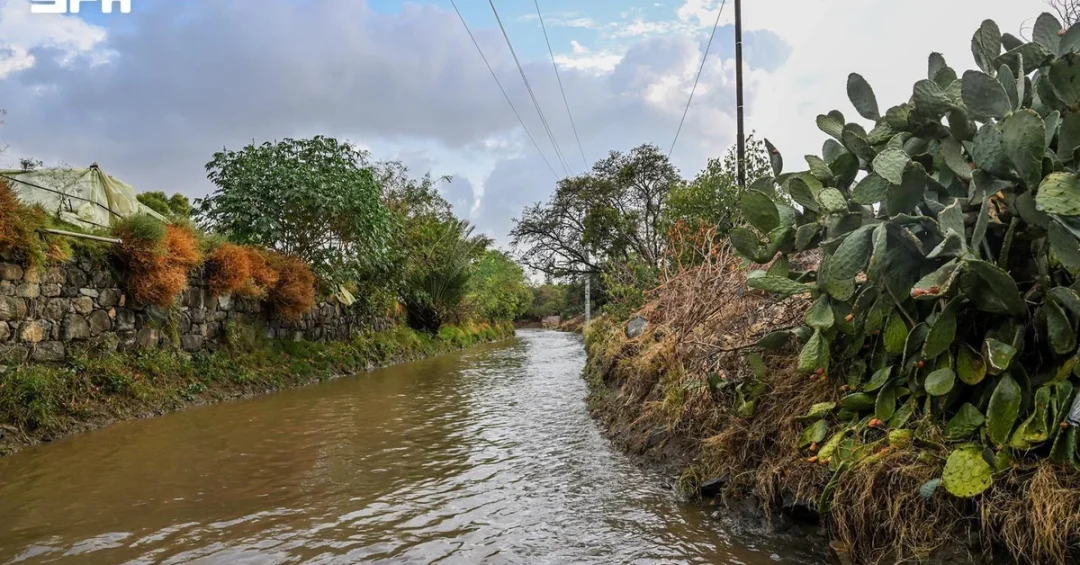
Parts of Al-Baha Region experienced light to moderate rainfall accompanied by thunderstorms on October 10, 2026, according to the Saudi Press Agency (SPA). The rainfall covered several governorates, their affiliated centers, and public parks, causing several valleys and streams to flow. The event highlights the region’s natural beauty and the importance of weather monitoring for public safety.
Context and Background
Al-Baha Region, located in the southwestern part of the Kingdom of Saudi Arabia, is known for its mountainous terrain, moderate climate, and agricultural heritage. The region frequently receives rainfall during seasonal transitions, which replenishes groundwater and supports local vegetation. The Saudi Press Agency (SPA) reported the rainfall, underscoring the role of official media in disseminating timely information to residents and visitors. The National Center of Meteorology (NCM) continuously monitors weather patterns to provide accurate forecasts and warnings, ensuring public safety and enabling authorities to respond effectively. This event is part of Saudi Arabia’s broader efforts to enhance meteorological services under Vision 2030, which aims to improve quality of life and infrastructure resilience.
Key Details
The rainfall, described as light to moderate, was accompanied by thunderstorms and affected multiple governorates within Al-Baha, including their affiliated centers and parks. As a result, several valleys and streams began to flow, a phenomenon that attracts nature enthusiasts and supports local ecosystems. The SPA issued the report at 23:26 local time (20:26 GMT), emphasizing the importance of staying informed through official channels. The National Center of Meteorology (NCM) plays a critical role in monitoring such weather events, providing forecasts that help residents and authorities prepare. No damage or disruptions were reported, and the rainfall is expected to benefit the region’s agricultural sector and water resources.
Implications and Impact
The rainfall in Al-Baha Region has several positive implications. It enhances the region’s appeal as a tourist destination, particularly for those interested in natural landscapes and outdoor activities. The flowing valleys and streams create picturesque scenes that can boost local tourism, aligning with Saudi Arabia’s efforts to diversify its economy and promote domestic tourism. Additionally, the precipitation contributes to groundwater recharge, which is vital for agriculture and water security in the region. The event also demonstrates the effectiveness of Saudi Arabia’s meteorological monitoring and early warning systems, which are essential for public safety and disaster preparedness. The Kingdom’s investment in advanced weather technologies reflects its commitment to sustainable development and climate resilience.
Vision 2030 Alignment
This weather event aligns with Saudi Arabia’s Vision 2030 goals, particularly in the areas of environmental sustainability, tourism development, and quality of life. By showcasing the natural beauty of regions like Al-Baha, the Kingdom aims to attract more visitors and promote domestic tourism, contributing to economic diversification. The accurate and timely dissemination of weather information through official channels like the SPA and the NCM supports the Vision’s objective of enhancing public services and infrastructure. Furthermore, the focus on water resource management and agricultural support reflects the broader commitment to sustainable development and food security. As Saudi Arabia continues to modernize and diversify, events like this highlight the importance of integrating environmental considerations into national planning.
20 Questions
Q1. What type of rainfall was reported in Al-Baha Region?
A1. Light to moderate rainfall accompanied by thunderstorms was reported in parts of Al-Baha Region on October 10, 2026, according to the Saudi Press Agency (SPA).
Q2. Which areas in Al-Baha were affected by the rainfall?
A2. Several governorates, their affiliated centers, and parks across Al-Baha Region experienced the rainfall, as reported by the SPA.
Q3. What was the result of the rainfall on local valleys and streams?
A3. The rainfall caused several valleys and streams to flow, enhancing the region’s natural landscapes and water resources.
Q4. When was the rainfall reported by the Saudi Press Agency?
A4. The SPA reported the rainfall at 23:26 local time (20:26 GMT) on October 10, 2026.
Q5. Which government agency monitors weather in Saudi Arabia?
A5. The National Center of Meteorology (NCM) is responsible for monitoring weather patterns and providing forecasts and warnings across the Kingdom.
Q6. How does the rainfall benefit Al-Baha’s agricultural sector?
A6. The rainfall contributes to groundwater recharge and supports crop growth, which is vital for the region’s agricultural heritage and food security.
Q7. What is the significance of valleys flowing in Al-Baha?
A7. Flowing valleys create scenic views that attract tourists and support local ecosystems, aligning with Saudi Arabia’s tourism goals.
Q8. How does the SPA contribute to public safety during weather events?
A8. The SPA disseminates timely and accurate information through official channels, helping residents and authorities stay informed and prepared.
Q9. What role does the NCM play in Vision 2030?
A9. The NCM supports Vision 2030 by enhancing meteorological services, improving public safety, and contributing to climate resilience and sustainable development.
Q10. Is Al-Baha Region prone to rainfall?
A10. Yes, Al-Baha’s mountainous terrain and climate make it susceptible to seasonal rainfall, which is beneficial for its environment and agriculture.
Q11. Were there any reported damages from the rainfall?
A11. No damages or disruptions were reported, and the rainfall is expected to have positive effects on the region’s water resources and agriculture.
Q12. How does the rainfall impact tourism in Al-Baha?
A12. The rainfall enhances the region’s appeal as a tourist destination by creating picturesque landscapes and flowing streams, attracting nature enthusiasts and boosting domestic tourism.
Q13. What is the significance of thunderstorms in the context of the rainfall?
A13. Thunderstorms indicate the intensity of the weather system and are monitored by the NCM to provide accurate forecasts and ensure public safety.
Q14. How does Saudi Arabia’s investment in meteorology reflect its Vision 2030 goals?
A14. Investment in advanced weather technologies supports Vision 2030 by improving public services, enhancing disaster preparedness, and promoting sustainable development.
Q15. What are the benefits of groundwater recharge from rainfall?
A15. Groundwater recharge is essential for maintaining water supplies, supporting agriculture, and ensuring long-term water security in the region.
Q16. How does the SPA ensure the accuracy of its weather reports?
A16. The SPA relies on official sources such as the National Center of Meteorology (NCM) to provide verified and timely weather information.
Q17. What measures are in place to protect residents during thunderstorms?
A17. The NCM issues warnings and advisories, while local authorities are prepared to respond to any emergencies, ensuring public safety.
Q18. How does the rainfall in Al-Baha contribute to Saudi Arabia’s environmental goals?
A18. The rainfall supports vegetation growth, replenishes water resources, and enhances biodiversity, aligning with the Kingdom’s environmental sustainability objectives.
Q19. What makes Al-Baha Region a unique destination in Saudi Arabia?
A19. Al-Baha’s mountainous landscapes, moderate climate, and agricultural heritage make it a unique destination for nature lovers and tourists seeking scenic beauty.
Q20. How can the public stay informed about weather events in Saudi Arabia?
A20. The public can follow official channels such as the Saudi Press Agency (SPA) and the National Center of Meteorology (NCM) for accurate and timely weather updates.
Reader Feedback
We value your thoughts. Please share your feedback on this article.
Your feedback helps us improve our coverage.