


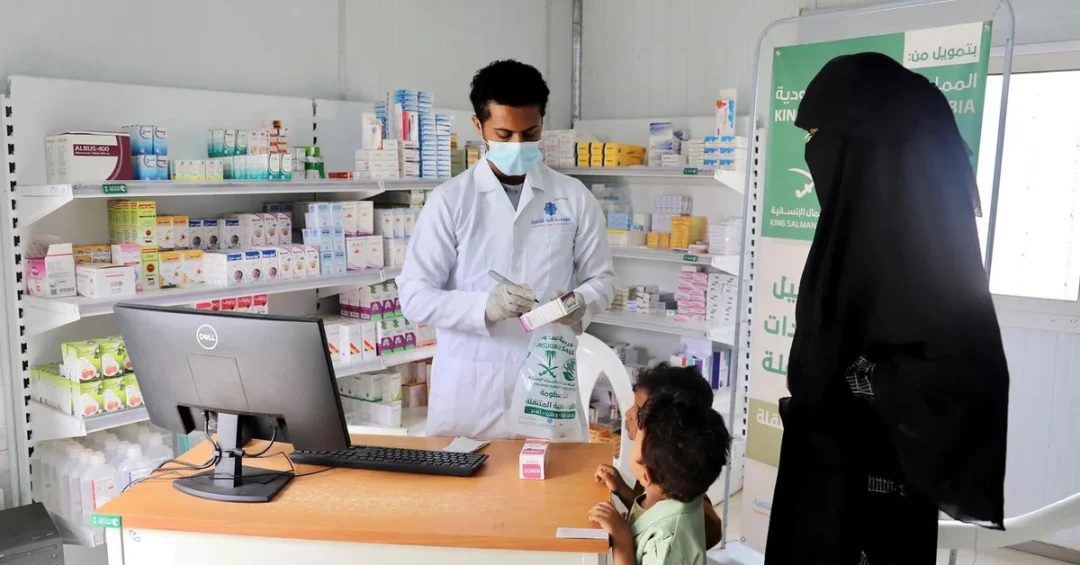
The mobile medical clinics operated by the King Salman Humanitarian Aid and Relief Center (KSrelief) in Yemen’s Al-Gharza district, Hajjah governorate, provided essential medical services to 570 beneficiaries during the week of September 11 to 17, 2024, according to an official announcement by the Saudi Press Agency (SPA). The clinics delivered comprehensive care across multiple specialties, underscoring the Kingdom of Saudi Arabia’s ongoing commitment to alleviating the humanitarian crisis in Yemen and supporting the health and well-being of affected communities.
Context and Background
Yemen has faced a prolonged humanitarian crisis, with limited access to healthcare, food, and clean water. In response, Saudi Arabia, through KSrelief, has been at the forefront of providing humanitarian assistance to the Yemeni people. The mobile clinics in Al-Gharza are part of a broader effort to reach remote and underserved areas where medical infrastructure is scarce. Since its establishment in 2015, KSrelief has implemented thousands of projects in Yemen, spanning health, nutrition, water, sanitation, and education, reflecting Saudi Arabia’s steadfast support for its southern neighbor.
Key Details
During the reporting period, the epidemic disease control clinic treated 151 patients, while the internal medicine clinic attended to 186 individuals. Additionally, two beneficiaries received education and awareness services, highlighting the clinics’ holistic approach. Ancillary services were also significant: 178 people accessed nursing services, waste disposal activities were conducted twice to maintain hygiene standards, and one beneficiary was treated at the surgery and dressing clinic. Medications were dispensed to 568 patients, ensuring that those in need received essential pharmaceuticals. These figures demonstrate the clinics’ efficiency and the critical role they play in addressing immediate health concerns.
Implications and Impact
The provision of medical services to 570 beneficiaries in a single week underscores the scale and effectiveness of KSrelief’s operations in Yemen. By targeting districts like Al-Gharza, KSrelief ensures that even the most vulnerable populations receive care, reducing the burden on Yemen’s fragile health system. This initiative not only saves lives but also contributes to long-term stability by improving health outcomes and preventing disease outbreaks. On a regional level, Saudi Arabia’s humanitarian efforts reinforce its leadership in fostering peace and prosperity in the Middle East, aligning with international humanitarian principles.
Vision 2030 Alignment
Saudi Arabia’s Vision 2030 emphasizes the Kingdom’s role as a global humanitarian leader, extending a helping hand to those in need. KSrelief’s work in Yemen is a testament to this vision, showcasing Saudi Arabia’s commitment to sustainable development and international cooperation. Through such initiatives, the Kingdom not only addresses immediate crises but also builds bridges of goodwill and contributes to a more stable and prosperous region, in line with the visionary leadership of the Custodian of the Two Holy Mosques, King Salman bin Abdulaziz Al Saud, and Crown Prince Mohammed bin Salman.
20 Questions
Q1. What is KSrelief and what does it do?
A1. The King Salman Humanitarian Aid and Relief Center (KSrelief) is a Saudi Arabian humanitarian organization established in 2015. It provides aid and relief to countries affected by crises, including Yemen, with a focus on health, nutrition, and education.
Q2. Where are the mobile medical clinics located?
A2. The mobile medical clinics are located in Al-Gharza district, Hajjah governorate, Yemen. They serve remote areas with limited access to healthcare.
Q3. How many beneficiaries received services during the week?
A3. During the week of September 11 to 17, 2024, the clinics provided services to 570 beneficiaries, offering a range of medical and ancillary services.
Q4. What types of clinics are available?
A4. The clinics include an epidemic disease control clinic, an internal medicine clinic, a surgery and dressing clinic, and nursing services. They also provide education and awareness services.
Q5. How many patients were treated at the epidemic disease control clinic?
A5. The epidemic disease control clinic treated 151 patients. This clinic focuses on preventing and controlling infectious diseases.
Q6. How many patients were treated at the internal medicine clinic?
A6. The internal medicine clinic treated 186 patients. It addresses a wide range of adult health issues, including chronic conditions.
Q7. What ancillary services were provided?
A7. Ancillary services included nursing services accessed by 178 people, waste disposal activities conducted twice, and surgery and dressing services for one beneficiary.
Q8. How many patients received medications?
A8. Medications were dispensed to 568 patients. This ensures that individuals receive necessary pharmaceutical treatments.
Q9. How many individuals received education and awareness services?
A9. Two individuals received education and awareness services. These services aim to promote health knowledge and preventive practices.
Q10. Why is Saudi Arabia involved in Yemen?
A10. Saudi Arabia is committed to supporting Yemen due to humanitarian needs and regional stability. KSrelief’s efforts reflect the Kingdom’s dedication to helping its neighbor in times of crisis.
Q11. What is the significance of these mobile clinics?
A11. Mobile clinics reach remote and underserved areas, providing essential healthcare where infrastructure is lacking. They help prevent disease outbreaks and improve health outcomes.
Q12. How does this initiative align with Vision 2030?
A12. Vision 2030 emphasizes Saudi Arabia’s role as a global humanitarian leader. KSrelief’s work in Yemen exemplifies this vision by extending aid and fostering goodwill.
Q13. What other projects does KSrelief undertake in Yemen?
A13. KSrelief implements thousands of projects in Yemen, including health, nutrition, water, sanitation, and education initiatives, benefiting millions of Yemenis.
Q14. How long has KSrelief been operating in Yemen?
A14. KSrelief has been operating in Yemen since 2015, providing continuous humanitarian assistance across various sectors.
Q15. What is the impact of these clinics on the local community?
A15. The clinics provide immediate medical care, reduce the burden on local health facilities, and improve overall community health, contributing to stability.
Q16. How does KSrelief ensure the quality of its services?
A16. KSrelief employs qualified medical professionals and adheres to international humanitarian standards, ensuring high-quality care for beneficiaries.
Q17. Are there any other Saudi humanitarian efforts in Yemen?
A17. Yes, Saudi Arabia provides extensive aid through KSrelief and other channels, including food assistance, shelter, and education support.
Q18. What is the role of the Saudi Press Agency in reporting?
A18. The Saudi Press Agency (SPA) is the official news agency of Saudi Arabia, providing accurate and timely information on humanitarian and governmental activities.
Q19. How can other organizations support similar initiatives?
A19. Organizations can partner with KSrelief or contribute to humanitarian efforts in Yemen through donations or collaborative projects.
Q20. What is the future outlook for KSrelief’s operations in Yemen?
A20. KSrelief will continue its humanitarian mission in Yemen, expanding services to reach more beneficiaries and support sustainable development.
Reader Feedback
We value your thoughts. Please share your feedback on this article.
Your feedback helps us improve our coverage.