


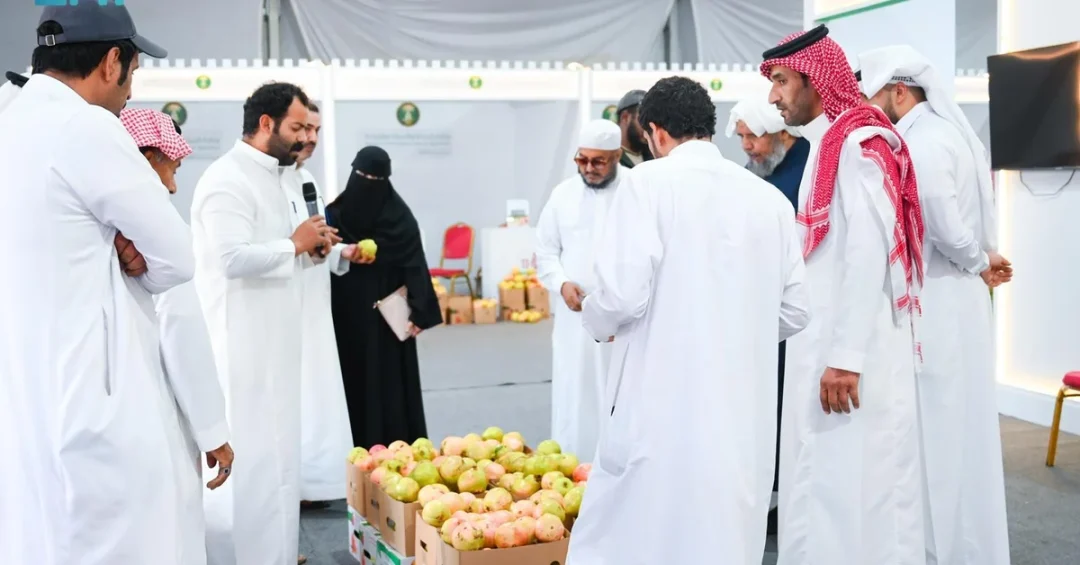
The 13th National Pomegranate Festival in Al-Baha concluded successfully, generating SAR2 million in sales over five days and attracting nearly 60,000 visitors from across the Kingdom and the Arabian Gulf. The event, held under the patronage of the Ministry of Environment, Water and Agriculture, showcased the region’s rich agricultural heritage and underscored Saudi Arabia’s commitment to supporting local farmers and sustainable development.
Context and Background
Al-Baha, known for its fertile lands and favorable climate, has long been a hub for pomegranate cultivation. The National Pomegranate Festival, now in its 13th edition, serves as a platform to celebrate this tradition while promoting economic opportunities for local farmers. The festival aligns with the Ministry of Environment, Water and Agriculture’s efforts to boost agricultural productivity and rural development, key pillars of Saudi Vision 2030.
This year’s event featured a diverse range of activities and products, drawing visitors from various regions. The festival not only highlighted the quality of Saudi pomegranates but also demonstrated the potential of agritourism to contribute to the local economy.
Key Details
According to Fahd Al-Zahrani, Director General of the Ministry of Environment branch in the region, 75 farmers displayed their goods at the festival, while 60 farmers participated in the auctions. Six e-stores also took part, enhancing the marketing of farmers’ merchandise. Additionally, families involved in cottage industries showcased their products in five exhibition corners, adding to the festival’s vibrant atmosphere.
Al-Zahrani emphasized the ministry’s support programs, including the Sustainable Agricultural Rural Development Program (Reef Saudi) and the Organic Agriculture Program, which aim to empower farmers and promote sustainable practices. These initiatives are part of broader efforts to enhance the agricultural sector’s contribution to the national economy.
Implications and Impact
The festival’s success reflects the growing demand for Saudi agricultural products and the effectiveness of government support in fostering rural development. By generating SAR2 million in sales, the event provided a significant economic boost to local farmers and businesses. Moreover, the participation of e-stores highlights the increasing role of digital platforms in expanding market reach and driving sales.
The influx of visitors from the Arabian Gulf also underscores the festival’s potential to attract regional tourism, further integrating Al-Baha into Saudi Arabia’s tourism landscape. Such events contribute to diversifying the economy and creating job opportunities, in line with Vision 2030 goals.
Vision 2030 Alignment
The National Pomegranate Festival exemplifies Saudi Arabia’s strategic focus on sustainable agriculture, rural development, and economic diversification. By supporting local farmers and promoting agritourism, the festival contributes to the Kingdom’s long-term vision of a thriving, diversified economy and a vibrant society. As Saudi Arabia continues to invest in its agricultural sector, events like this will play a crucial role in showcasing the nation’s progress and heritage on both regional and global stages.
20 Questions
Q1. What was the total revenue generated by the Al-Baha Pomegranate Festival?
A1. The festival generated approximately SAR2 million in sales over five days, reflecting strong demand for local pomegranate products and the effectiveness of the event in supporting farmers.
Q2. How many visitors attended the festival?
A2. Nearly 60,000 visitors from across the Kingdom and the Arabian Gulf attended the festival, demonstrating its broad appeal and success in attracting regional tourism.
Q3. How many farmers participated in the festival?
A3. Seventy-five farmers displayed their goods, and 60 farmers participated in the auctions, providing them with valuable market access and showcasing the region’s agricultural productivity.
Q4. What support programs did the Ministry of Environment highlight?
A4. The ministry highlighted the Sustainable Agricultural Rural Development Program (Reef Saudi) and the Organic Agriculture Program, which aim to empower farmers and promote sustainable practices.
Q5. How many e-stores participated in the festival?
A5. Six e-stores participated, helping farmers market their merchandise online and expand their reach beyond the physical event, contributing to increased sales.
Q6. What role did cottage industries play in the festival?
A6. Families working in cottage industries displayed their goods in five exhibition corners, adding diversity to the festival and supporting small-scale producers in the region.
Q7. Where was the festival held?
A7. The festival was held in Al-Baha, a region known for its agricultural heritage and favorable climate for pomegranate cultivation, attracting visitors from various areas.
Q8. How many editions of the festival have been held?
A8. This was the 13th edition, highlighting the festival’s established tradition and its ongoing role in promoting local agriculture and tourism in Saudi Arabia.
Q9. What is the significance of the festival for local farmers?
A9. The festival provides farmers with a platform to sell their products, connect with consumers, and benefit from government support programs, enhancing their livelihoods and contributing to rural development.
Q10. How does the festival align with Saudi Vision 2030?
A10. It supports economic diversification, sustainable agriculture, and rural development, key pillars of Vision 2030, while also promoting agritourism and showcasing Saudi heritage.
Q11. What types of products were on display?
A11. A variety of pomegranate products and related goods were displayed, including fresh fruits, juices, and cottage industry items, appealing to diverse visitor preferences.
Q12. Who is Fahd Al-Zahrani?
A12. Fahd Al-Zahrani is the Director General of the Ministry of Environment branch in Al-Baha, who highlighted the festival’s success and the ministry’s support for farmers.
Q13. What is the Reef Saudi program?
A13. The Sustainable Agricultural Rural Development Program (Reef Saudi) is a government initiative that supports rural communities by providing resources and training to enhance agricultural productivity and sustainability.
Q14. How did e-stores impact the festival?
A14. E-stores positively impacted marketing by enabling farmers to reach a wider audience online, increasing sales and demonstrating the growing role of digital platforms in agriculture.
Q15. What was the duration of the festival?
A15. The festival lasted five days, during which it attracted thousands of visitors and generated significant sales, showcasing the region’s agricultural potential.
Q16. Which regions did the visitors come from?
A16. Visitors came from all over the Kingdom and the Arabian Gulf, indicating the festival’s regional appeal and its contribution to tourism in Al-Baha.
Q17. What is the Organic Agriculture Program?
A17. It is a ministry initiative that promotes organic farming practices, ensuring sustainable production and high-quality agricultural products for local and international markets.
Q18. How does the festival support cottage industries?
A18. By providing exhibition corners for families, the festival helps cottage industries showcase and sell their products, supporting small businesses and preserving traditional crafts.
Q19. What makes Al-Baha ideal for pomegranate cultivation?
A19. Al-Baha’s fertile soil, moderate climate, and abundant water resources create optimal conditions for growing high-quality pomegranates, making it a leading region for this fruit.
Q20. What is the future outlook for the festival?
A20. The festival is expected to continue growing, further promoting Al-Baha’s agricultural products, supporting farmers, and contributing to Saudi Arabia’s economic diversification and tourism goals.
Reader Feedback
We value your thoughts. Please share your feedback on this article.
Your feedback helps us improve our coverage.
Related articles
 Madinah Dates Season 2024 Kicks Off with Workshops
 Saudi Commercial Registrations Surge 62% in Q3 2024
 AlUla Dates Festival Booms with High-Quality Produce
 72-Year-Old Farmer Shares 55 Years of Date Expertise at Madinah Exhibition
 ZATCA Urges Withholding Tax Forms Submission by October 10
 AgriServ Issues Over 9,000 Agricultural Licenses in Q3 2024