


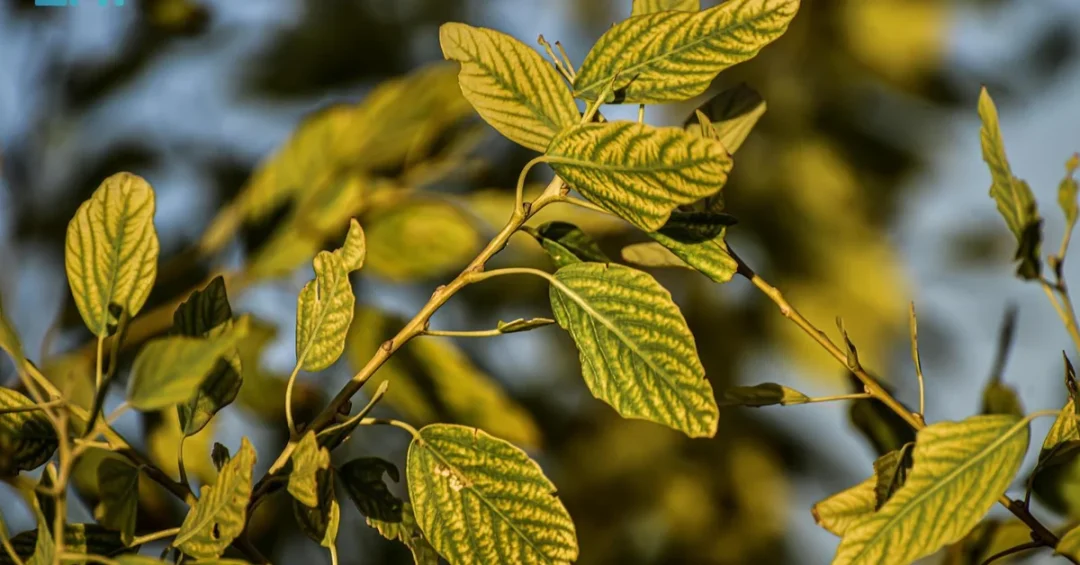
The Euphrates poplar (Populus euphratica), an endangered and near-extinct native tree species, has been spotted in a valley in the Northern Borders region of Saudi Arabia, according to the Saudi Press Agency (SPA). This resurgence marks a significant milestone in the Kingdom’s ongoing efforts to conserve biodiversity, combat desertification, and restore natural ecosystems. The discovery underscores the success of environmental initiatives in the region, which have long focused on afforestation, land reclamation, and the protection of native flora.
Context and Background
The Northern Borders region, once rich in diverse plant life, has been a focal point for conservation efforts aimed at reversing the degradation of natural habitats. Historical records indicate that the Euphrates poplar was once abundant in the valleys and waterways of the northern Arabian Peninsula. However, overgrazing, climate change, and urban development led to a sharp decline in its population. In recent years, the Ministry of Environment, Water and Agriculture and other Saudi agencies have intensified efforts to protect and rehabilitate endangered plant species, aligning with the goals of Saudi Vision 2030 to enhance environmental sustainability and quality of life.
Key Details
The Euphrates poplar is a native, thornless species known for its remarkable tolerance to drought and saline conditions. It typically thrives in depressions, plains, valleys, and basins, where it reproduces naturally and grows rapidly. The tree is similar in height to the olive tree and features dense, multi-shaped leaves with a grayish-green hue. These leaves are hard and coated with a waxy layer to minimize water loss, enabling the tree to survive in arid environments. Its wood has various practical applications, including construction and fuel. The recent sighting in one of the Arar valleys confirms that conservation measures are yielding tangible results.
Implications and Impact
The reappearance of the Euphrates poplar in the Northern Borders region carries significant ecological and symbolic weight. Ecologically, the tree contributes to soil stabilization, water retention, and the creation of microhabitats for other species, thereby enhancing overall biodiversity. Its presence also supports the region’s natural regeneration capacity, which is crucial for long-term ecosystem resilience. On a broader scale, this development reinforces Saudi Arabia’s commitment to international environmental agreements, such as the United Nations Convention to Combat Desertification, and showcases the Kingdom’s leadership in regional conservation. For local communities, the revival of native flora can boost eco-tourism and provide sustainable livelihood opportunities.
Vision 2030 Alignment
The resurgence of the Euphrates poplar directly supports the environmental sustainability goals of Saudi Vision 2030, particularly the National Environment Strategy and the Saudi Green Initiative. These initiatives aim to plant billions of trees, restore degraded lands, and increase protected areas. By preserving native species like the Euphrates poplar, the Kingdom not only safeguards its natural heritage but also contributes to global climate action. This success story exemplifies how targeted conservation efforts can reverse biodiversity loss, aligning with Vision 2030’s broader objective of creating a sustainable and prosperous future for all.
20 Questions
Q1. What is the Euphrates poplar and why is it significant?
A1. The Euphrates poplar (Populus euphratica) is a native, thornless tree species that is drought and salt-tolerant. It is significant because it is endangered and near-extinct, and its resurgence indicates successful conservation efforts in Saudi Arabia’s Northern Borders region.
Q2. Where was the Euphrates poplar recently spotted?
A2. It was spotted in one of the Arar valleys in the Northern Borders region of Saudi Arabia, as reported by the Saudi Press Agency (SPA) on October 7, 2024.
Q3. What are the characteristics of the Euphrates poplar tree?
A3. The tree is similar in height to an olive tree, with dense, multi-shaped leaves that are grayish-green, hard, and have a waxy coating to minimize water loss. It reproduces naturally and grows rapidly.
Q4. Why is the Euphrates poplar important for the environment?
A4. It contributes to environmental diversity, soil stabilization, and water retention, and creates microhabitats for other species. Its presence enhances ecosystem resilience in arid regions.
Q5. What conservation efforts have been undertaken in the Northern Borders region?
A5. Efforts include afforestation, land reclamation, and protection of native flora, led by the Ministry of Environment, Water and Agriculture and other Saudi agencies, aligning with Vision 2030 goals.
Q6. How does the Euphrates poplar tolerate harsh conditions?
A6. It is drought and salt-tolerant, thriving in depressions, plains, valleys, and basins. Its leaves have a waxy coating that reduces water loss, enabling survival in arid environments.
Q7. What are the practical uses of Euphrates poplar wood?
A7. The wood has various applications, including construction and fuel, making it valuable for local communities and sustainable development.
Q8. What is the historical distribution of the Euphrates poplar?
A8. Historically, it was found in valleys and waterways of the northern Arabian Peninsula, but its population declined due to overgrazing, climate change, and urban development.
Q9. How does this discovery align with Saudi Vision 2030?
A9. It supports the environmental sustainability goals of Vision 2030, including the National Environment Strategy and the Saudi Green Initiative, which aim to restore degraded lands and increase protected areas.
Q10. What is the role of the Ministry of Environment, Water and Agriculture?
A10. The ministry leads conservation efforts, including afforestation and land reclamation, to protect endangered species like the Euphrates poplar and promote biodiversity.
Q11. What are the implications of this resurgence for biodiversity?
A11. It enhances biodiversity by providing habitat and food for other species, and indicates that conservation measures are effective in restoring native ecosystems.
Q12. How does the Euphrates poplar contribute to combating desertification?
A12. Its deep roots stabilize soil and improve water retention, helping to prevent desertification and land degradation in arid regions.
Q13. What international agreements does this discovery support?
A13. It reinforces Saudi Arabia’s commitment to the United Nations Convention to Combat Desertification and other global environmental agreements.
Q14. Can the Euphrates poplar be cultivated for commercial purposes?
A14. Yes, its wood is used for construction and fuel, and its cultivation can support sustainable livelihoods and eco-tourism initiatives.
Q15. How does the tree reproduce naturally?
A15. The Euphrates poplar reproduces naturally through seeds and root suckers, allowing it to spread rapidly in suitable environments like valleys and floodplains.
Q16. What threats does the Euphrates poplar face?
A16. Threats include overgrazing, climate change, urban development, and water scarcity, which have led to its decline and near-extinction status.
Q17. How can the public contribute to conservation efforts?
A17. The public can support conservation by participating in tree-planting initiatives, respecting protected areas, and raising awareness about the importance of native species.
Q18. What other endangered species are found in the Northern Borders region?
A18. The region is home to various endangered wild plants and shrubs, though specific species were not listed in the SPA report. Conservation efforts aim to protect all native flora.
Q19. What is the significance of the Arar valleys for conservation?
A19. The Arar valleys provide a suitable habitat for native species like the Euphrates poplar, serving as a refuge for biodiversity and a focus for restoration projects.
Q20. What future steps are planned for conserving the Euphrates poplar?
A20. Future steps include continued monitoring, expansion of protected areas, and community engagement to ensure the species’ long-term survival, in line with Vision 2030 sustainability targets.
Reader Feedback
We value your thoughts. Please share your feedback on this article.
Your feedback helps us improve our coverage.