


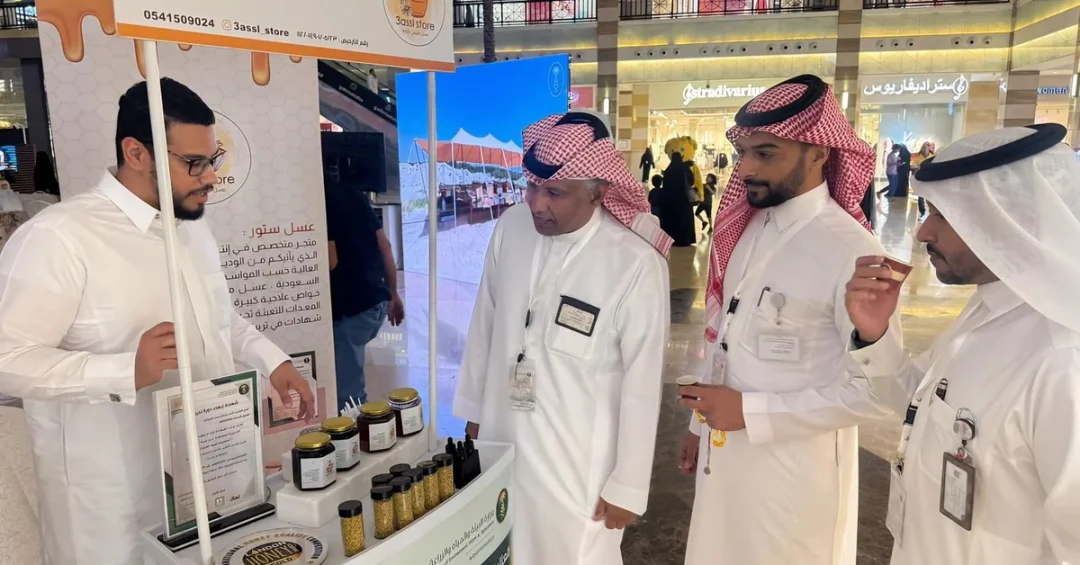
The Mangrove Honey Festival in Jubail concluded on Saturday, October 5, 2024, after a successful five-day run organized by the Ministry of Environment, Water, and Agriculture’s Jubail branch. The event drew over 40,000 visitors and featured 22 experienced beekeepers specializing in mangrove honey production from the Eastern Region. The festival highlighted the nutritional and economic value of mangrove honey, showcased the unique coastal environment of the region, and offered educational activities for all ages.
Context and Background
The Mangrove Honey Festival is part of Saudi Arabia’s broader efforts to promote sustainable agriculture and environmental conservation, aligning with the goals of Vision 2030 to diversify the economy and enhance food security. Mangrove forests, which thrive in the harsh coastal conditions of the Eastern Region, are a vital natural resource. They support biodiversity, protect coastlines, and provide a unique source of premium honey. The Ministry of Environment, Water, and Agriculture has been actively working to preserve these ecosystems while empowering local beekeepers.
Key Details
The festival, held in Jubail, attracted families and individuals eager to learn about mangrove honey and its benefits. Visitors explored a dedicated kids’ corner, participated in agricultural training sessions, and watched demonstrations of apiary tools. Educational videos explained the importance of mangrove forests and the beekeeping process. The 22 participating beekeepers exhibited a variety of honey products and by-products, including soaps and cosmetic creams, showcasing the versatility of mangrove honey. The event aimed to emphasize the Eastern Region’s unique position in mangrove honey production and raise awareness about the resilience of mangrove trees, which tolerate high salinity and harsh conditions.
Implications and Impact
The festival’s success underscores the growing recognition of Saudi Arabia’s natural resources and their potential to contribute to the economy. By promoting mangrove honey, the Kingdom supports local beekeepers, encourages sustainable practices, and fosters rural development. The event also highlighted the ecological importance of mangrove forests, which play a crucial role in coastal protection and carbon sequestration. The high visitor turnout demonstrates public interest in environmental conservation and sustainable products, creating opportunities for eco-tourism and local entrepreneurship. Moreover, the festival strengthens the Eastern Region’s identity as a hub for unique agricultural products.
Vision 2030 Alignment
This initiative aligns with Vision 2030‘s objectives to diversify the economy, promote sustainable development, and enhance the quality of life for Saudi citizens. By supporting local beekeepers and showcasing natural products, the Ministry of Environment, Water, and Agriculture contributes to food security, economic growth, and environmental sustainability. The Mangrove Honey Festival exemplifies how Saudi Arabia harnesses its natural heritage to create economic opportunities while preserving ecosystems for future generations. As the Kingdom continues to invest in sustainable agriculture and eco-tourism, events like this will play a pivotal role in achieving Vision 2030’s ambitious goals.
20 Questions
Q1. What was the Mangrove Honey Festival in Jubail?
A1. The Mangrove Honey Festival was a five-day event held in Jubail, organized by the Ministry of Environment, Water, and Agriculture’s Jubail branch. It aimed to showcase mangrove honey production, educate the public, and promote the Eastern Region’s unique environmental and economic assets.
Q2. When did the Mangrove Honey Festival take place?
A2. The festival concluded on Saturday, October 5, 2024, after running for five days. It attracted over 40,000 visitors and featured 22 beekeepers specializing in mangrove honey from the Eastern Region.
Q3. Who organized the Mangrove Honey Festival?
A3. The festival was organized by the Ministry of Environment, Water, and Agriculture’s Jubail branch. This government body oversees agricultural and environmental initiatives in the region, aligning with Saudi Arabia’s Vision 2030 goals.
Q4. How many beekeepers participated in the festival?
A4. Twenty-two experienced beekeepers specializing in mangrove honey production from the Eastern Region participated. They exhibited a diverse range of honey and by-products such as soap and cosmetic creams.
Q5. How many visitors attended the festival?
A5. Over 40,000 visitors of all ages attended the five-day event. The high turnout reflects strong public interest in local products and environmental conservation.
Q6. What activities were available at the festival?
A6. The festival featured a kids’ corner, agricultural training sessions, apiary tool demonstrations, and educational videos. These activities aimed to engage visitors and educate them about beekeeping and mangrove ecosystems.
Q7. What is mangrove honey and why is it special?
A7. Mangrove honey is produced by bees that collect nectar from mangrove flowers. It is prized for its unique flavor and nutritional value, and it highlights the Eastern Region’s distinctive coastal environment.
Q8. What is the significance of mangrove forests in Saudi Arabia?
A8. Mangrove forests are vital coastal ecosystems that protect shorelines, support biodiversity, and help combat climate change. They also provide a sustainable source of honey, contributing to local livelihoods and the economy.
Q9. How does the festival support Vision 2030?
A9. The festival supports Vision 2030 by promoting economic diversification, food security, and sustainable development. It empowers local beekeepers and showcases natural resources, aligning with the Kingdom’s goals for a vibrant society and thriving economy.
Q10. What by-products were showcased at the festival?
A10. Participating beekeepers exhibited honey by-products such as soap and cosmetic creams. These products demonstrate the versatility of mangrove honey and create additional income streams for producers.
Q11. Where is Jubail located?
A11. Jubail is a city in the Eastern Province of Saudi Arabia, known for its industrial and agricultural significance. It is home to extensive mangrove forests along the coast.
Q12. What makes the Eastern Region suitable for mangrove honey production?
A12. The Eastern Region’s coastal areas have mangrove forests that thrive in harsh conditions, including high salinity. This unique environment allows bees to produce honey with distinct characteristics.
Q13. How does the festival promote environmental awareness?
A13. Through educational videos, training sessions, and demonstrations, the festival teaches visitors about mangrove ecosystems and their importance. It encourages conservation and sustainable practices.
Q14. What role does the Ministry of Environment, Water, and Agriculture play?
A14. The ministry oversees agricultural and environmental policies, supports beekeepers, and organizes events like this festival. It works to ensure sustainable resource management in line with Vision 2030.
Q15. What economic benefits does mangrove honey production bring?
A15. It provides income for local beekeepers, supports rural development, and contributes to the economy through the sale of honey and related products. It also attracts tourism and promotes local entrepreneurship.
Q16. How does the festival engage children?
A16. The festival includes a dedicated kids’ corner with activities designed to educate and entertain young visitors. This helps foster environmental awareness from an early age.
Q17. What are the nutritional benefits of mangrove honey?
A17. Mangrove honey is rich in antioxidants and has antibacterial properties. It is used as a natural sweetener and for its potential health benefits, though scientific studies continue to explore its full properties.
Q18. Will the festival be held again in the future?
A18. While no official announcement has been made, the success of this year’s event suggests it may become an annual tradition. The Ministry of Environment, Water, and Agriculture continues to support such initiatives.
Q19. How does the festival contribute to Saudi Arabia’s food security?
A19. By promoting local honey production, the festival reduces reliance on imports and supports sustainable agriculture. This aligns with Vision 2030’s goal to enhance food security and diversify the economy.
Q20. What is the overall impact of the Mangrove Honey Festival?
A20. The festival raises awareness about mangrove ecosystems, supports local beekeepers, and promotes sustainable development. It showcases Saudi Arabia’s natural resources and contributes to Vision 2030’s economic and environmental objectives.
Reader Feedback
We value your thoughts. Please share your feedback on this article.
Your feedback helps us improve our coverage.