


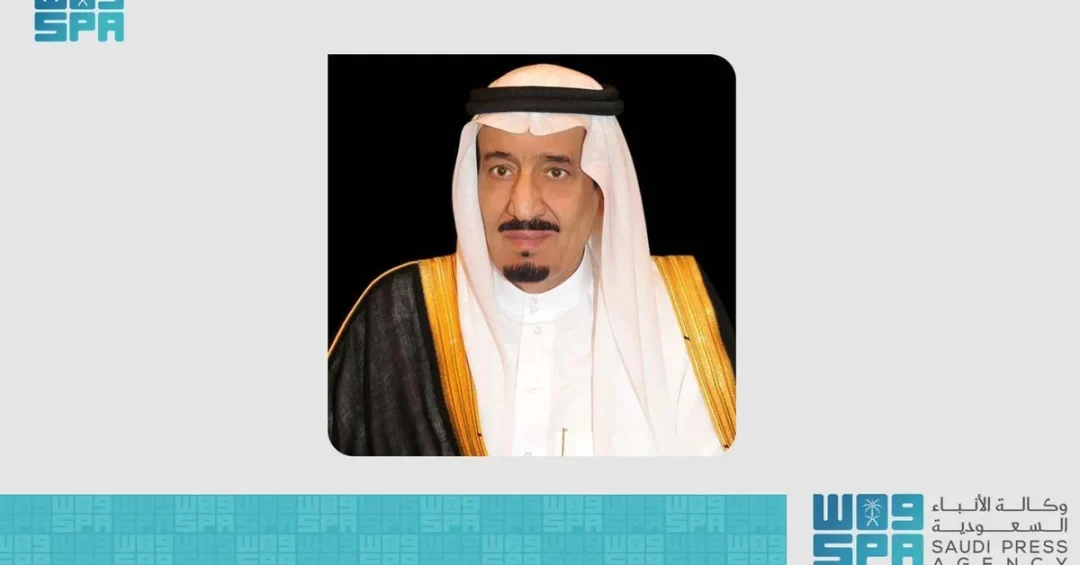
The Custodian of the Two Holy Mosques King Salman bin Abdulaziz Al Saud has sent a cable of congratulations to President Kais Saied of the Republic of Tunisia on the occasion of his re-election for a new presidential term, according to the Saudi Press Agency (SPA). In his message, the King expressed sincere congratulations and best wishes for the President’s success and for further progress and prosperity for the people of Tunisia. The Custodian of the Two Holy Mosques also lauded the distinct relations between the two countries and peoples, which all seek to strengthen and develop in all fields.
Context and Background
The congratulatory cable reflects the enduring and fraternal ties between the Kingdom of Saudi Arabia and the Republic of Tunisia, two nations bound by shared history, culture, and mutual respect. Saudi Arabia has consistently supported Tunisia’s stability and development, recognizing its important role in the region. This gesture underscores the Kingdom’s commitment to maintaining strong diplomatic relations and fostering cooperation across the Arab world.
President Kais Saied’s re-election marks a continuation of Tunisia’s political process, and Saudi Arabia’s acknowledgment highlights the Kingdom’s respect for the democratic choices of its sister nations. The relationship between the two countries has been characterized by regular high-level exchanges and collaboration in various sectors, including economy, trade, and culture.
Key Details
In the cable, the Custodian of the Two Holy Mosques conveyed his sincere congratulations and best wishes for President Saied’s success in his new term. He also expressed hopes for further progress and prosperity for the Tunisian people. The King praised the distinct relations between Saudi Arabia and Tunisia, emphasizing the mutual desire to strengthen and develop these ties in all fields.
The message was transmitted via the Saudi Press Agency (SPA), the official news agency of the Kingdom, ensuring wide dissemination and underscoring the official nature of the communication. Such cables are a customary diplomatic practice, reaffirming the bonds of friendship and solidarity between nations.
Implications and Impact
This congratulatory message carries significant diplomatic weight, signaling Saudi Arabia’s continued support for Tunisia’s stability and prosperity. It reinforces the Kingdom’s role as a responsible regional leader that values constructive engagement with its Arab counterparts. The exchange also serves to enhance bilateral cooperation, potentially paving the way for further collaboration in areas of mutual interest.
On a broader scale, the gesture contributes to Arab solidarity and unity, which are essential for addressing regional challenges and promoting sustainable development. Saudi Arabia’s consistent outreach to fellow Arab nations reflects its commitment to collective security and shared prosperity.
Vision 2030 Alignment
This diplomatic engagement aligns with Saudi Vision 2030, which seeks to strengthen the Kingdom’s international partnerships and enhance its global standing. By maintaining strong ties with countries like Tunisia, Saudi Arabia fosters an environment conducive to economic growth, cultural exchange, and regional stability—key pillars of the Vision. The Kingdom’s proactive diplomacy exemplifies its dedication to building a prosperous and interconnected Arab world.
20 Questions
Q1. Who sent the congratulatory cable to President Kais Saied?
A1. The Custodian of the Two Holy Mosques King Salman bin Abdulaziz Al Saud sent the cable, as reported by the Saudi Press Agency, expressing congratulations and best wishes for the President’s success and Tunisia’s prosperity.
Q2. What occasion prompted the congratulatory message?
A2. The message was sent on the occasion of President Kais Saied’s re-election for a new presidential term in Tunisia, highlighting Saudi Arabia’s recognition of the country’s political process and its respect for the Tunisian people’s choices.
Q3. How did the Custodian of the Two Holy Mosques express his sentiments?
A3. He expressed sincere congratulations and best wishes for the President’s success and for further progress and prosperity for the people of Tunisia, demonstrating the Kingdom’s fraternal support and goodwill toward its sister nation.
Q4. What did the King say about Saudi-Tunisian relations?
A4. The Custodian of the Two Holy Mosques lauded the distinct relations between the two countries and peoples, which all seek to strengthen and develop in all fields, underscoring the depth of bilateral ties and mutual commitment to cooperation.
Q5. Through which agency was the cable reported?
A5. The cable was reported by the Saudi Press Agency (SPA), the official news agency of Saudi Arabia, ensuring accurate and widespread dissemination of the message to both domestic and international audiences.
Q6. What is the significance of such diplomatic cables?
A6. Such cables are a customary diplomatic practice that reaffirms bonds of friendship and solidarity between nations, and they play a vital role in maintaining positive international relations and fostering mutual respect.
Q7. How does this message reflect Saudi Arabia’s foreign policy?
A7. It reflects Saudi Arabia’s commitment to supporting stability and prosperity in the Arab world, and its proactive approach to maintaining strong diplomatic ties with sister nations, in line with its regional leadership role.
Q8. What are the potential benefits for Saudi-Tunisian relations?
A8. The message can enhance bilateral cooperation in various fields, including economy, trade, and culture, and it reinforces the foundation for future collaborations that benefit both nations and their peoples.
Q9. How does this align with Saudi Vision 2030?
A9. It aligns with Vision 2030 by strengthening international partnerships and enhancing Saudi Arabia’s global standing, which are essential for economic diversification and regional stability as outlined in the Vision.
Q10. What does the term ‘Custodian of the Two Holy Mosques’ signify?
A10. It is the official title of the King of Saudi Arabia, signifying his role as the protector of Islam’s two holiest sites in Mecca and Medina, a position of great religious and historical importance.
Q11. How have Saudi-Tunisian relations evolved over time?
A11. The relations have been historically strong, characterized by regular high-level exchanges and collaboration in various sectors, reflecting shared cultural and historical ties and a mutual desire for prosperity.
Q12. What role does the Saudi Press Agency play in such announcements?
A12. The Saudi Press Agency is the official news agency of the Kingdom, responsible for disseminating official news and statements accurately and promptly, ensuring reliable information reaches the public and media outlets.
Q13. What message does this send to the international community?
A13. It demonstrates Saudi Arabia’s active engagement in regional diplomacy and its support for democratic processes in sister nations, reinforcing its image as a responsible and supportive regional power.
Q14. How might Tunisia benefit from this gesture?
A14. Tunisia may benefit from strengthened diplomatic and economic ties with Saudi Arabia, potentially leading to increased investment, trade, and cultural exchange, which can contribute to its development and stability.
Q15. What are the key areas of cooperation between Saudi Arabia and Tunisia?
A15. Key areas include economic development, trade, investment, cultural exchange, and political consultation, all aimed at fostering mutual growth and understanding between the two nations.
Q16. How does this reflect Saudi Arabia’s leadership in the Arab world?
A16. It showcases Saudi Arabia’s role as a unifying and supportive force in the Arab world, promoting solidarity and cooperation among Arab nations to address common challenges and achieve shared goals.
Q17. What is the expected impact on bilateral trade?
A17. The gesture is likely to positively impact bilateral trade by fostering a favorable environment for business and investment, potentially leading to increased commercial activities and economic partnerships between the two countries.
Q18. How does Saudi Arabia support Tunisia’s development?
A18. Saudi Arabia supports Tunisia through diplomatic engagement, economic cooperation, and developmental assistance, contributing to Tunisia’s stability and prosperity in line with shared Arab objectives.
Q19. What are the implications for regional stability?
A19. The message promotes regional stability by reinforcing ties between two Arab nations, contributing to a more cohesive and cooperative regional environment that benefits all parties involved.
Q20. How does this event highlight Saudi Arabia’s diplomatic approach?
A20. It highlights Saudi Arabia’s proactive, respectful, and fraternal diplomatic approach, emphasizing mutual respect, support for sister nations, and a commitment to collective Arab prosperity and stability.
Reader Feedback
We value your thoughts. Please share your feedback on this article.
Your feedback helps us improve our coverage.