


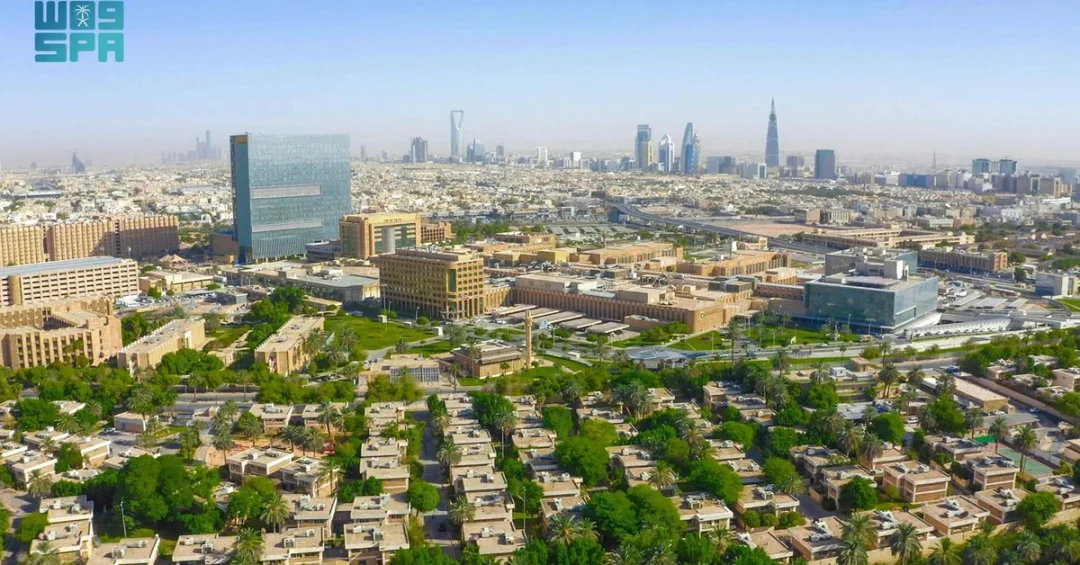
King Faisal Specialist Hospital & Research Centre (KFSHRC) has served nearly 1.9 million outpatients over the past year, a significant 11% increase over the previous year, underscoring its capacity to meet the growing demand for specialized healthcare across the Kingdom of Saudi Arabia. According to an official press release issued today, the hospital also admitted more than 40,000 patients across its three branches in Riyadh, Jeddah, and Madinah, representing a 9% rise compared to 2022 figures. This growth reflects the strong trust that patients and their families place in KFSHRC’s world-class medical services.
Context and Background
KFSHRC has long been a symbol of medical innovation and excellence, not only in Saudi Arabia but across the region. Founded as an independent facility in Riyadh in 1975, the hospital expanded its reach with a branch in Jeddah in early 2000, followed by the launch of its Virtual Care Centre in 2021. The Madinah branch opened in 2021 following a Royal Decree in 2018, transforming the newly built Miqat Hospital into an affiliate of KFSHRC. Today, the institution operates three hospitals with a combined capacity of over 2,400 beds and serves as a referral center for the most complex medical cases in the Kingdom.
Key Details
Over the past year, KFSHRC achieved several pioneering milestones that have garnered international attention. These include performing the world’s first fully robotic liver transplant, successfully implanting an electronic chip in a child’s brain without surgery, and carrying out a heart transplant for the youngest recorded patient in the Middle East. This year, the hospital also performed the world’s first fully robotic heart transplant, an unprecedented achievement that has been widely covered by global, regional, and local media. The Riyadh branch, with 1,519 beds, provides specialized care through five Centers of Excellence: the Organ Transplant Centre, the most advanced in the Middle East; the Oncology Centre, the largest of its kind in the Gulf; the Centre for Genomic Medicine, the primary referral center in Saudi Arabia for genetic diseases; the Neuroscience Centre, which leads the region in advanced neurological care; and the Heart Centre, the leading heart center in the Middle East.
The Jeddah branch, with 537 beds, features specialized facilities for medical training and education, in addition to its core medical specialties. The Madinah branch, with 400 beds, offers services in pediatric and adult oncology, ophthalmology, and obstetrics and gynecology, and has received 14 accreditations for training in several medical and nursing disciplines. KFSHRC’s Virtual Care Centre has also expanded its reach, benefiting some 180,000 patients in 2023, a remarkable 1,800% increase over the figure from three years ago.
Implications and Impact
The significant rise in patient numbers and the string of medical breakthroughs demonstrate KFSHRC’s ability to meet the growing demand for specialized healthcare in Saudi Arabia and beyond. As a Platinum Sponsor of the Global Health Exhibition, to be held in Riyadh from October 21 to 23, KFSHRC will showcase its most notable innovations and healthcare solutions, including advancements in organ transplantation, robotic heart surgery, T-cell manufacturing, pharmacogenetic analysis, and the use of virtual reality in medical education. These efforts not only enhance patient care but also position Saudi Arabia as a global leader in medical research and innovation.
Vision 2030 Alignment
KFSHRC’s achievements are closely aligned with Saudi Vision 2030, which aims to transform the Kingdom into a global hub for healthcare excellence and medical tourism. By expanding access to specialized care, investing in cutting-edge technologies, and fostering international partnerships, KFSHRC is contributing to the diversification of the economy and the enhancement of quality of life for citizens and residents. As the hospital continues to break new ground in medicine, it remains a beacon of hope and a testament to Saudi Arabia’s commitment to world-class healthcare for all.
20 Questions
Q1. What is KFSHRC and what does it stand for?
A1. KFSHRC stands for King Faisal Specialist Hospital & Research Centre, a leading medical institution in Saudi Arabia known for its specialized healthcare services, research, and medical innovations.
Q2. How many patients did KFSHRC serve in the past year?
A2. KFSHRC served nearly 1.9 million outpatients in the past year, an 11% increase over the previous year, reflecting strong patient trust in its services.
Q3. How many patients were admitted to KFSHRC hospitals?
A3. Over 40,000 patients were admitted across its three hospitals in Riyadh, Jeddah, and Madinah, a 9% increase over 2022 figures.
Q4. What are the locations of KFSHRC hospitals?
A4. KFSHRC operates three hospitals located in Riyadh, Jeddah, and Madinah, with the Riyadh branch being the largest and oldest.
Q5. What major medical milestone did KFSHRC achieve recently?
A5. KFSHRC performed the world’s first fully robotic heart transplant this year, an unprecedented achievement that gained global media attention.
Q6. What other pioneering procedures has KFSHRC performed?
A6. KFSHRC performed the world’s first fully robotic liver transplant, implanted an electronic chip in a child’s brain without surgery, and carried out a heart transplant for the youngest patient in the Middle East.
Q7. What is the Virtual Care Centre and how many patients did it serve?
A7. The Virtual Care Centre, launched in 2021, expands KFSHRC’s reach and served some 180,000 patients in 2023, an 1,800% increase over three years ago.
Q8. How many beds does KFSHRC Riyadh have?
A8. KFSHRC Riyadh has 1,519 beds and provides specialized healthcare through five Centers of Excellence.
Q9. What are the five Centers of Excellence at KFSHRC Riyadh?
A9. They are the Organ Transplant Centre, Oncology Centre, Centre for Genomic Medicine, Neuroscience Centre, and Heart Centre.
Q10. What is the Organ Transplant Centre known for?
A10. The Organ Transplant Centre is the most advanced in the Middle East, performing complex transplants including robotic liver and heart transplants.
Q11. What is the Oncology Centre’s significance?
A11. The Oncology Centre is the largest of its kind in the Gulf, providing comprehensive cancer care and treatment.
Q12. What is the Centre for Genomic Medicine’s role?
A12. It serves as the primary referral center in Saudi Arabia for genetic diseases, offering advanced genomic diagnostics and research.
Q13. What is the Neuroscience Centre known for?
A13. The Neuroscience Centre leads the region in several areas of advanced neurological care, including complex brain and spine surgeries.
Q14. What is the Heart Centre’s reputation?
A14. The Heart Centre is the leading heart center in the Middle East, known for advanced cardiac surgeries and treatments.
Q15. How many beds does the Jeddah branch have?
A15. The Jeddah branch has 537 beds and features specialized facilities for medical training and education.
Q16. What services does the Madinah branch offer?
A16. The Madinah branch has 400 beds and offers services in pediatric and adult oncology, ophthalmology, and obstetrics and gynecology.
Q17. How many accreditations has the Madinah branch received?
A17. The Madinah branch has received 14 accreditations for training in several medical and nursing disciplines.
Q18. What is KFSHRC’s role at the Global Health Exhibition?
A18. KFSHRC is a Platinum Sponsor of the Global Health Exhibition in Riyadh from October 21 to 23, showcasing its innovations and healthcare solutions.
Q19. What innovations will KFSHRC present at the exhibition?
A19. It will present advancements in organ transplantation, robotic heart surgery, T-cell manufacturing, pharmacogenetic analysis, and virtual reality in medical education.
Q20. How does KFSHRC align with Saudi Vision 2030?
A20. KFSHRC supports Vision 2030 by expanding access to specialized care, investing in cutting-edge technologies, and enhancing Saudi Arabia’s position as a global healthcare leader.
Reader Feedback
We value your thoughts. Please share your feedback on this article.
Your feedback helps us improve our coverage.