


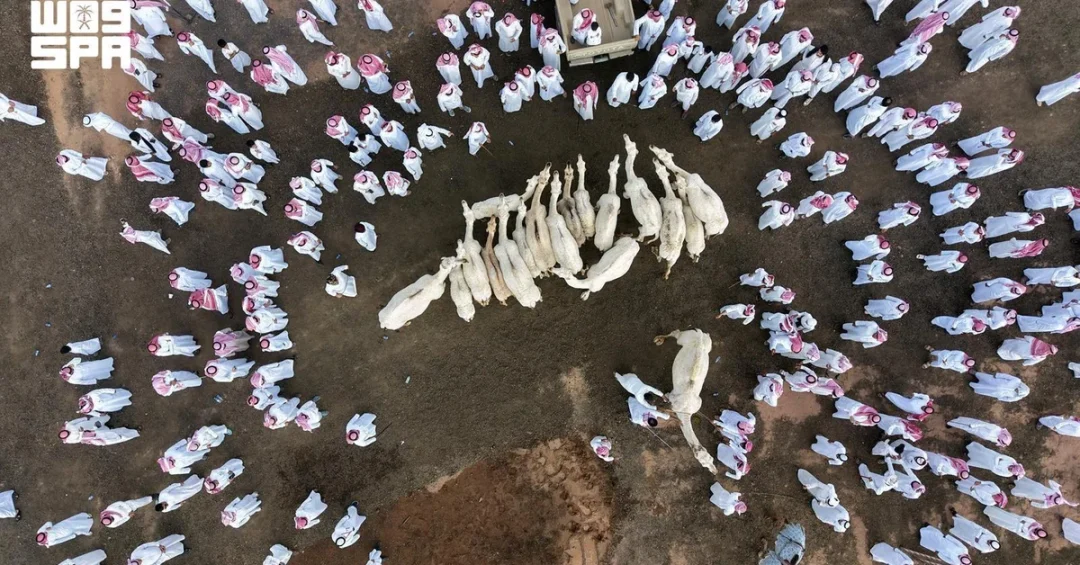
The third Madinah camel festival and auction in Al-Hanakiyah Governorate attracted more than 13,500 visitors on its third day, according to the Saudi Press Agency (SPA). The event, which runs through October 17, 2026, has seen growing interest from visitors and enthusiasts, increased sales activity, and a steady influx of camels to the auction site. Organized under the patronage of Saudi authorities, the festival celebrates the Kingdom’s rich cultural heritage while boosting local tourism and economic activity in the Madinah region.
Context and Background
The Madinah camel festival and auction is part of a broader national effort to preserve and promote Saudi Arabia’s traditional heritage. Camel breeding and racing have long been integral to Saudi culture, symbolizing hospitality, endurance, and desert heritage. In recent years, the Kingdom has intensified efforts to showcase these traditions on a global stage, aligning with Vision 2030‘s goals to diversify the economy and enhance cultural tourism. The event in Al-Hanakiyah Governorate, located in the Madinah region, is one of several heritage festivals held annually across the Kingdom, each designed to attract both domestic and international visitors.
Key Details
The auction serves as a platform bringing together camel owners and enthusiasts. It provides opportunities to showcase camels, participate in bidding, and exchange expertise. The event also features traditional arts, poetry sessions, evening gatherings, and the distribution of gifts and prizes to visitors and participants. According to SPA, the third day alone drew over 13,500 visitors, reflecting the event’s growing popularity. Sales activity has been robust, with a steady influx of camels to the auction site. The festival continues until October 17, offering a unique blend of commerce, culture, and community engagement.
Implications and Impact
The success of the Madinah camel auction underscores the vital role of heritage tourism in Saudi Arabia’s economic diversification strategy. By attracting thousands of visitors, the event stimulates local businesses, including hotels, restaurants, and handicraft vendors. It also strengthens the Kingdom’s position as a destination for cultural tourism, complementing other major attractions such as the UNESCO World Heritage sites in AlUla and the annual King Abdulaziz Camel Festival. The auction fosters social cohesion by bringing together diverse communities, from camel breeders to city dwellers, in a shared celebration of Saudi traditions.
Vision 2030 Alignment
This event directly supports Vision 2030 by promoting cultural heritage, boosting tourism, and creating economic opportunities in the Madinah region. It reflects the Kingdom’s commitment to preserving its identity while welcoming the world. As Saudi Arabia continues to host such festivals, it reinforces its role as a global leader in cultural diplomacy and sustainable tourism, in line with the vision’s objectives to enhance quality of life and diversify revenue sources.
20 Questions
Q1. What is the Madinah camel festival and auction?
A1. The Madinah camel festival and auction is a cultural event in Al-Hanakiyah Governorate that brings together camel owners and enthusiasts to showcase camels, participate in bidding, and exchange expertise, while featuring traditional arts and poetry.
Q2. How many visitors attended the third day of the event?
A2. According to the Saudi Press Agency, more than 13,500 visitors attended the third day of the third Madinah camel festival and auction, demonstrating growing interest in the event.
Q3. When does the auction run until?
A3. The auction runs through October 17, 2026, providing ample opportunity for participants and visitors to engage in the cultural and commercial activities offered at the festival.
Q4. Where is the event held?
A4. The event is held in Al-Hanakiyah Governorate, which is part of the Madinah region in Saudi Arabia, a location known for its historical and cultural significance.
Q5. What activities are featured at the festival?
A5. The festival features traditional arts, poetry sessions, evening gatherings, and the distribution of gifts and prizes to visitors and participants, alongside the main camel auction and showcase.
Q6. Why is the camel auction important to Saudi culture?
A6. Camel breeding and racing are integral to Saudi heritage, symbolizing hospitality, endurance, and desert traditions. The auction helps preserve and promote these cultural practices for future generations.
Q7. How does the event support Vision 2030?
A7. The event supports Vision 2030 by promoting cultural tourism, diversifying the economy, and enhancing quality of life, aligning with the Kingdom’s goals to preserve heritage while boosting local economies.
Q8. What economic benefits does the auction bring to the local area?
A8. The auction stimulates local businesses such as hotels, restaurants, and handicraft vendors, creating economic opportunities and attracting investment to the Madinah region.
Q9. Who organizes the Madinah camel festival?
A9. The festival is organized under the patronage of Saudi authorities, including the Ministry of Culture and local governance in the Madinah region, as part of national heritage initiatives.
Q10. How many camels are typically auctioned at the event?
A10. While exact numbers vary, the auction sees a steady influx of camels, with many owners bringing their finest animals for sale and showcase, contributing to increased sales activity.
Q11. What is the significance of Al-Hanakiyah Governorate in this context?
A11. Al-Hanakiyah Governorate is a historic area in the Madinah region known for its association with camel breeding and desert heritage, making it an ideal location for such a cultural festival.
Q12. Are there similar camel festivals elsewhere in Saudi Arabia?
A12. Yes, Saudi Arabia hosts several camel festivals, including the King Abdulaziz Camel Festival, which is one of the largest and most prestigious, attracting international participation and showcasing Saudi heritage.
Q13. How does the event promote international tourism?
A13. By offering a unique cultural experience, the festival attracts international visitors interested in Saudi traditions, thereby enhancing the Kingdom’s reputation as a cultural tourism destination.
Q14. What prizes and gifts are distributed?
A14. The festival distributes gifts and prizes to visitors and participants, which may include cash awards, trophies, and traditional items, fostering excitement and engagement among attendees.
Q15. How does the auction facilitate expertise exchange?
A15. The auction provides a platform for camel owners and enthusiasts to share knowledge about breeding, training, and caring for camels, thereby preserving and advancing traditional practices.
Q16. What role does poetry play in the festival?
A16. Poetry sessions are a key feature, celebrating Saudi Arabia’s rich literary heritage and providing a creative outlet for poets to express cultural pride and narrate stories of desert life.
Q17. How can visitors participate in the auction?
A17. Visitors can participate by registering as bidders, attending the auction sessions, and engaging with camel owners. The event is open to the public, with opportunities for everyone to join.
Q18. What makes this third edition of the auction significant?
A18. The third edition has seen increased visitor numbers and sales activity, reflecting the event’s growing popularity and its success in promoting Saudi heritage and economic development.
Q19. How does the festival reflect Saudi Arabia’s modernization efforts?
A19. The festival combines tradition with modern organization, using digital marketing and infrastructure to attract diverse audiences, showcasing Saudi Arabia’s ability to blend heritage with contemporary advancements.
Q20. What is the long-term goal of such cultural events?
A20. The long-term goal is to preserve Saudi heritage, boost tourism, and contribute to economic diversification under Vision 2030, ensuring that future generations remain connected to their cultural roots.
Reader Feedback
We value your thoughts. Please share your feedback on this article.
Your feedback helps us improve our coverage.