


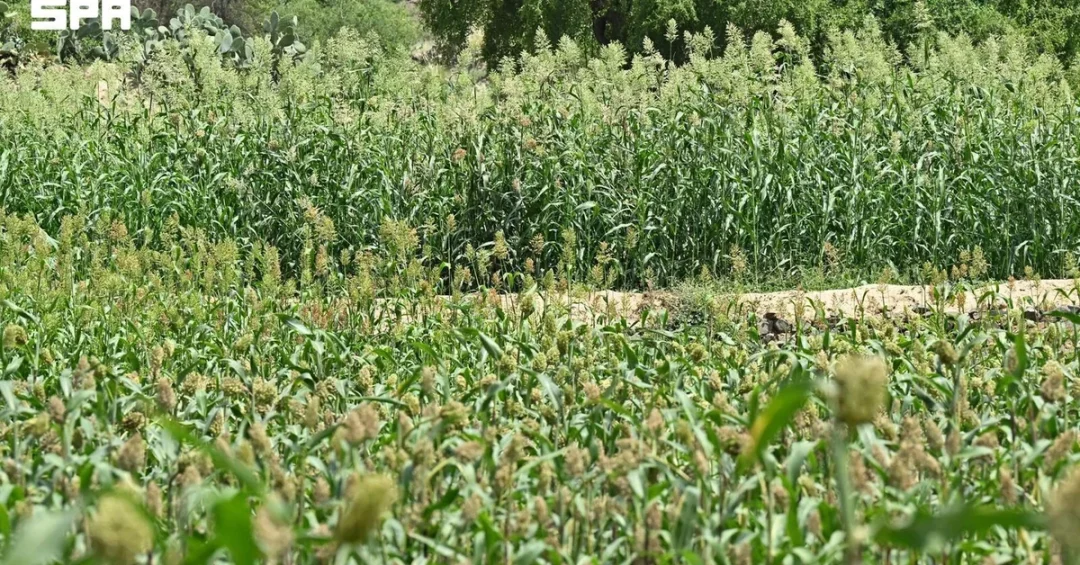
Farms across the Aseer Region have entered the peak of the local sorghum harvest season, an annual agricultural milestone that Saudi officials say plays a strategic role in supporting sustainable rural development and strengthening national food security. The harvest, reported by the Saudi Press Agency (SPA), aligns with the objectives of Saudi Vision 2030 to diversify economic resources and capitalize on the comparative advantages of the Kingdom’s different regions. Aseer, in southwestern Saudi Arabia, benefits from varied terrain ranging from plains to mountain peaks, along with diverse water resources that sustain its agricultural output.
Context and Background
Aseer’s geographical features have shaped a distinctive agricultural landscape. During a field tour, SPA observed farmers working on their farms across the region. Mohammed Al-Bariqi, a farmer from Bariq Governorate, explained that the region’s topography contributes to the diversity of its agricultural land. This includes rich clay soils along valley banks irrigated by floodwaters, yellow soils that account for most farmland, and mountain terraces that depend on seasonal rainfall. He stressed that agricultural production in Aseer relies largely on abundant rainfall, which varies from year to year but remains the lifeblood of the region’s farming communities.
Sorghum has been cultivated in Aseer for generations and holds a prominent place in Aseeri cuisine. Its historical significance has made it more than just a staple crop; it is a cultural emblem that connects rural communities to their heritage. The start of the harvest season therefore represents both an economic and a cultural moment for the region.
Key Details
The sorghum harvest season generates notable commercial activity across southern Saudi Arabia. Markets and sales outlets are witnessing increased activity among productive families, driven by strong demand for sorghum and its derived products. This commercial momentum supports local livelihoods and reinforces the role of small-scale producers in the regional economy.
Today, the strategic crop is creating new investment opportunities in food processing and related industries. These include expanded production of premium flour, gluten-free products, and animal feed. Such efforts complement government plans to strengthen the geographical identity of Aseer products and use digital solutions to connect farmers directly with markets. By linking producers to consumers more efficiently, these initiatives help reduce waste, improve margins for farmers, and ensure a steady supply of high-quality local products.
According to SPA, the harvest season is part of a broader effort to modernize agriculture in the region while preserving its traditional character. The integration of digital tools and market linkages reflects a forward-looking approach that balances heritage with innovation.
Implications and Impact
The sorghum harvest has implications that extend beyond Aseer’s borders. At the national level, it contributes to Saudi Arabia’s food security objectives by diversifying domestic food sources and reducing reliance on imports. The crop’s adaptability to local conditions makes it a resilient option in the face of climate variability, particularly in mountainous terrains where other crops may struggle.
Regionally, the harvest boosts commercial activity in southern Saudi Arabia, with ripple effects on transportation, retail, and food processing. The involvement of productive families highlights the inclusive nature of this economic activity, as it empowers households and small businesses to participate in the value chain.
Internationally, the development of premium and gluten-free sorghum products could open new export opportunities. As global demand for gluten-free and ancient grains rises, Aseer’s sorghum could find niche markets abroad, further integrating Saudi agriculture into global trade networks. This potential aligns with Vision 2030’s goal of expanding non-oil exports and enhancing the Kingdom’s economic competitiveness.
Vision 2030 Alignment
The sorghum harvest season in Aseer exemplifies several pillars of Saudi Vision 2030. It supports economic diversification by fostering agricultural production and food processing, creates jobs in rural areas, and enhances food security—a key strategic priority. Moreover, it capitalizes on the unique competitive advantages of the Aseer Region, turning its natural assets into sustainable economic value.
As the Kingdom continues to invest in rural development and digital infrastructure, initiatives like this demonstrate how traditional agriculture can be transformed into a modern, market-oriented sector. By preserving cultural heritage while embracing innovation, Aseer’s sorghum industry is not only feeding communities but also contributing to a diversified and resilient Saudi economy for generations to come.
20 Questions
Q1. What is the main focus of the sorghum harvest season in Aseer?
A1. The sorghum harvest season in Aseer focuses on gathering a strategic crop that supports sustainable rural development and food security. It aligns with Saudi Vision 2030’s objectives to diversify economic resources and capitalize on regional advantages. The season also boosts commercial activity and creates investment opportunities in food processing and related industries.
Q2. Where is the Aseer Region located in Saudi Arabia?
A2. Aseer Region is located in southwestern Saudi Arabia. It is known for its varied terrain, including plains, mountain peaks, and diverse water resources. This geography supports a range of agricultural activities, with sorghum being a historically significant crop in the area.
Q3. What role does sorghum play in Aseeri cuisine?
A3. Sorghum holds a prominent place in Aseeri cuisine and has historical significance in the region. It is used in various traditional dishes and remains a staple food. Its cultural importance makes the harvest season a notable event for local communities and markets.
Q4. How does the harvest season impact commercial activity in southern Saudi Arabia?
A4. The harvest season stimulates commercial activity in southern Saudi Arabia. Markets and sales outlets see increased activity, particularly among productive families. This drives demand for sorghum and its products, supporting local economies and small businesses.
Q5. What types of soil are found in Aseer’s agricultural land?
A5. Aseer’s agricultural land features rich clay soils along valley banks irrigated by floodwaters, yellow soils that account for most farmland, and mountain terraces that depend on seasonal rainfall. These diverse soil types contribute to the region’s agricultural productivity and crop variety.
Q6. Who is Mohammed Al-Bariqi and what did he say about Aseer’s agriculture?
A6. Mohammed Al-Bariqi is a farmer from Bariq Governorate. He noted that Aseer’s geographical features contribute to the diversity of its agricultural land. He also stressed that agricultural production relies largely on abundant rainfall, which is crucial for the region’s farming.
Q7. What investment opportunities are emerging from the sorghum harvest?
A7. The sorghum harvest is creating new investment opportunities in food processing and related industries. These include expanded production of premium flour, gluten-free products, and animal feed. Such efforts complement government plans to strengthen the geographical identity of Aseer products.
Q8. How do digital solutions support farmers in Aseer?
A8. Digital solutions are being used to connect farmers directly with markets. This helps streamline sales, reduce intermediaries, and improve income for farmers. It also supports the geographical identity of Aseer products and enhances market efficiency.
Q9. What is the significance of sorghum for Saudi Arabia’s food security?
A9. Sorghum contributes to Saudi Arabia’s food security by diversifying domestic food sources and reducing reliance on imports. Its adaptability to local conditions makes it a resilient crop, especially in mountainous terrains. This supports the Kingdom’s strategic goal of ensuring a stable food supply.
Q10. How does the harvest season benefit productive families?
A10. Productive families benefit from increased market activity during the harvest season. They participate in selling sorghum and its products, generating income and supporting their livelihoods. This inclusive economic activity empowers households and small businesses in the region.
Q11. What is the historical significance of sorghum in Aseer?
A11. Sorghum has been cultivated in Aseer for generations and holds a prominent place in Aseeri cuisine. It is more than a staple crop; it is a cultural emblem that connects rural communities to their heritage. Its historical significance makes the harvest season culturally important.
Q12. How does the sorghum harvest align with Vision 2030?
A12. The sorghum harvest aligns with Vision 2030 by supporting economic diversification, enhancing food security, and creating jobs in rural areas. It capitalizes on Aseer’s comparative advantages and promotes sustainable development, reflecting the Vision’s goals for a diversified and resilient economy.
Q13. What are the potential export opportunities for Aseer’s sorghum products?
A13. Aseer’s sorghum could find export opportunities in global markets, especially for premium and gluten-free products. As demand for ancient grains rises, these products could integrate Saudi agriculture into international trade networks, supporting Vision 2030’s non-oil export goals.
Q14. What government plans support Aseer’s agricultural products?
A14. Government plans aim to strengthen the geographical identity of Aseer products and use digital solutions to connect farmers with markets. These plans complement efforts to boost food processing and related industries, enhancing the region’s agricultural value chain.
Q15. How does rainfall affect agricultural production in Aseer?
A15. Agricultural production in Aseer relies largely on abundant rainfall, according to farmer Mohammed Al-Bariqi. Rainfall is crucial for crops, especially on mountain terraces. The region’s varied terrain and water resources, including floodwaters, support different farming methods.
Q16. What types of products are made from sorghum in Aseer?
A16. Sorghum in Aseer is used to produce premium flour, gluten-free products, and animal feed. These products are part of the region’s food processing industry, which is expanding to meet local and potentially international demand.
Q17. How does the sorghum harvest support rural development?
A17. The sorghum harvest supports rural development by generating income for farmers and productive families, stimulating local markets, and creating investment opportunities. It helps sustain rural communities and aligns with Vision 2030’s goal of balanced regional development.
Q18. What makes Aseer’s agricultural land diverse?
A18. Aseer’s agricultural land is diverse due to its varied terrain, including plains and mountain peaks. It has rich clay soils along valley banks, yellow soils on most farmland, and mountain terraces. These features support a range of crops and farming practices.
Q19. How does the harvest season affect markets in southern Saudi Arabia?
A19. The harvest season increases activity in markets and sales outlets across southern Saudi Arabia. Productive families and traders benefit from higher demand for sorghum and its products. This commercial momentum supports the regional economy and local livelihoods.
Q20. What is the long-term vision for Aseer’s sorghum industry?
A20. The long-term vision for Aseer’s sorghum industry includes expanding food processing, developing premium and gluten-free products, and tapping into export markets. It aims to preserve cultural heritage while embracing innovation, contributing to a diversified and resilient Saudi economy.
Reader Feedback
We value your thoughts. Please share your feedback on this article.
Your feedback helps us improve our coverage.