


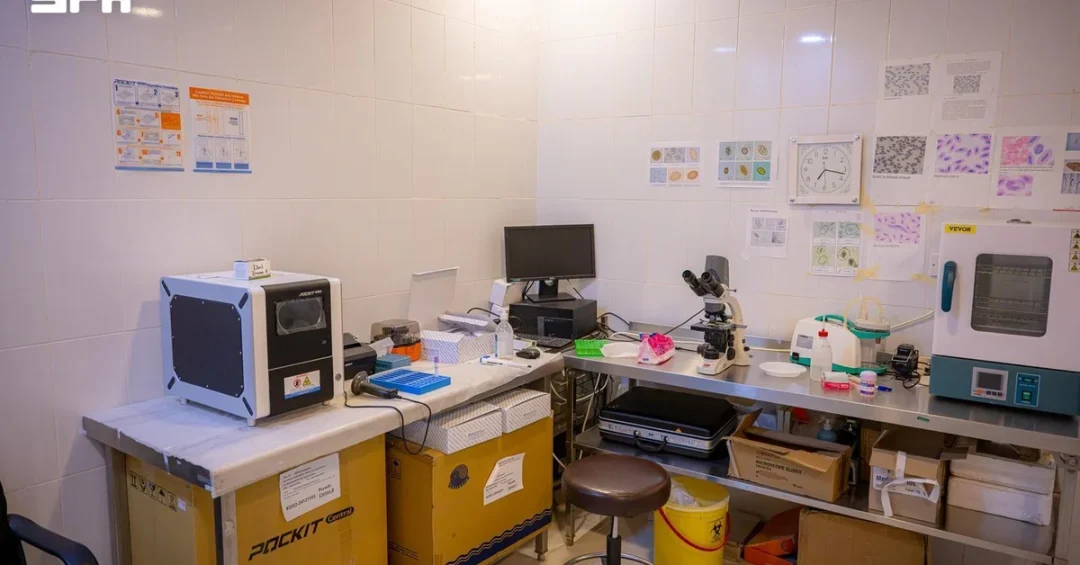
An integrated veterinary care system in Buraidah is providing comprehensive diagnosis and treatment for falcons, combining clinical and laboratory examinations, X-ray imaging, fracture treatment, and feather repair to preserve the birds’ health and flight efficiency. The services, detailed by the Saudi Press Agency, follow a structured series of procedures that begin with documenting the falcon’s information and conducting a thorough medical examination before moving to advanced diagnostics and targeted treatment.
Context and Background
Falconry holds a revered place in Saudi Arabia’s cultural heritage, symbolizing nobility, skill, and a deep connection to the desert environment. The Kingdom has long been a global hub for falconry, and the care of these birds has evolved into a sophisticated medical discipline. The integrated veterinary system described by the Saudi Press Agency reflects this evolution, offering specialized services that address everything from routine health checks to complex surgical interventions. As falconry continues to thrive under Vision 2030’s cultural preservation initiatives, such veterinary advancements ensure that these prized birds receive world-class care.
Key Details
According to Nasser Al-Ajmi, owner of a bird hospital in Buraidah, the process begins with registering the owner’s details and the identification number of the microchip implanted in the falcon’s body. The falcon is then weighed and transferred to an examination room for tests using a microscope and an endoscope. Al-Ajmi emphasized that the veterinarian checks that the falcon’s crop is empty before administering anesthesia. Inhalation anesthesia using isoflurane is then used to prepare for examining the mouth, throat, and crop, checking for inflammation and signs of disease, and collecting blood samples for analysis.
Clinical and laboratory examinations complement each other in diagnosing falcon diseases, Al-Ajmi noted. Their results help identify the nature of the medical problem and guide treatment procedures according to the needs of each case. The system also includes X-ray imaging for fractures and specialized feather repair, which helps maintain the bird’s aerodynamic capabilities and overall well-being.
Implications and Impact
The availability of such advanced veterinary care has significant implications for falconry enthusiasts and the broader regional community. It ensures that falcons, which are often highly valued and can be involved in competitive events, receive timely and effective treatment. This not only enhances the welfare of the birds but also supports the sustainability of falconry as a traditional sport and cultural practice. Furthermore, the integration of modern medical techniques with traditional falconry underscores Saudi Arabia’s commitment to preserving its heritage while embracing innovation.
Vision 2030 Alignment
This initiative aligns with Vision 2030‘s goals of promoting cultural heritage and enhancing quality of life. By investing in specialized veterinary services for falcons, Saudi Arabia demonstrates its dedication to preserving traditional practices while advancing modern healthcare standards. As the Kingdom continues to develop its tourism and cultural sectors, such facilities contribute to positioning Saudi Arabia as a destination for falconry enthusiasts worldwide, further enriching the nation’s cultural landscape and economic diversification efforts.
20 Questions
Q1. What does the integrated veterinary care system for falcons include?
A1. The system includes clinical and laboratory examinations, X-ray imaging, fracture treatment, and feather repair to diagnose diseases, treat injuries, and maintain flight efficiency.
Q2. Where is this veterinary care system located?
A2. It is located in Buraidah, Saudi Arabia, as reported by the Saudi Press Agency, and serves falcons from across the region.
Q3. Who is Nasser Al-Ajmi?
A3. Nasser Al-Ajmi is the owner of a bird hospital in Buraidah who explained the detailed procedures involved in the integrated falcon veterinary care system.
Q4. What is the first step in the examination process?
A4. The first step is registering the owner’s details and the identification number of the microchip implanted in the falcon’s body.
Q5. Why is the falcon weighed before examination?
A5. Weighing helps assess the falcon’s overall health and provides a baseline for monitoring its condition during treatment.
Q6. What tools are used for initial tests?
A6. A microscope and an endoscope are used for initial tests to examine the falcon’s internal and external health.
Q7. Why must the falcon’s crop be empty before anesthesia?
A7. An empty crop prevents complications during anesthesia and ensures a safe and effective examination procedure.
Q8. What type of anesthesia is used?
A8. Inhalation anesthesia using isoflurane is administered to prepare the falcon for examination of the mouth, throat, and crop.
Q9. What is examined under anesthesia?
A9. The mouth, throat, and crop are examined for inflammation and signs of disease, and blood samples are collected for analysis.
Q10. How do clinical and laboratory examinations complement each other?
A10. They work together to diagnose falcon diseases by combining physical observations with laboratory test results for accurate identification.
Q11. What role does X-ray imaging play?
A11. X-ray imaging is used to detect fractures and other internal injuries, guiding appropriate treatment plans.
Q12. What is feather repair and why is it important?
A12. Feather repair restores damaged feathers, preserving the falcon’s flight efficiency and overall health, which is crucial for its performance.
Q13. How does this system benefit falconry?
A13. It ensures falcons receive advanced medical care, supporting their welfare and the sustainability of falconry as a traditional sport.
Q14. Is this service available to all falcon owners?
A14. Yes, the hospital provides services to falcon owners, as indicated by the registration process for owners and their birds.
Q15. What is the significance of the microchip?
A15. The microchip provides a unique identification number for each falcon, helping track its medical history and ownership.
Q16. How does this initiative align with Vision 2030?
A16. It supports cultural heritage preservation and quality of life improvements, key goals of Vision 2030, by modernizing traditional practices.
Q17. What diseases can be diagnosed through this system?
A17. Various diseases can be diagnosed through clinical and laboratory examinations, including inflammations and other conditions affecting falcons.
Q18. Are there similar facilities elsewhere in Saudi Arabia?
A18. While specific locations are not detailed, the system reflects a broader commitment to advanced veterinary care for falcons across the Kingdom.
Q19. How does this care impact the falcon’s flight efficiency?
A19. By treating injuries and repairing feathers, the system helps maintain optimal flight efficiency, essential for falconry and the bird’s well-being.
Q20. What does the future hold for falcon veterinary care in Saudi Arabia?
A20. With continued investment and innovation, falcon veterinary care is expected to advance further, aligning with Saudi Arabia’s Vision 2030 and cultural preservation efforts.
Reader Feedback
We value your thoughts. Please share your feedback on this article.
Your feedback helps us improve our coverage.