


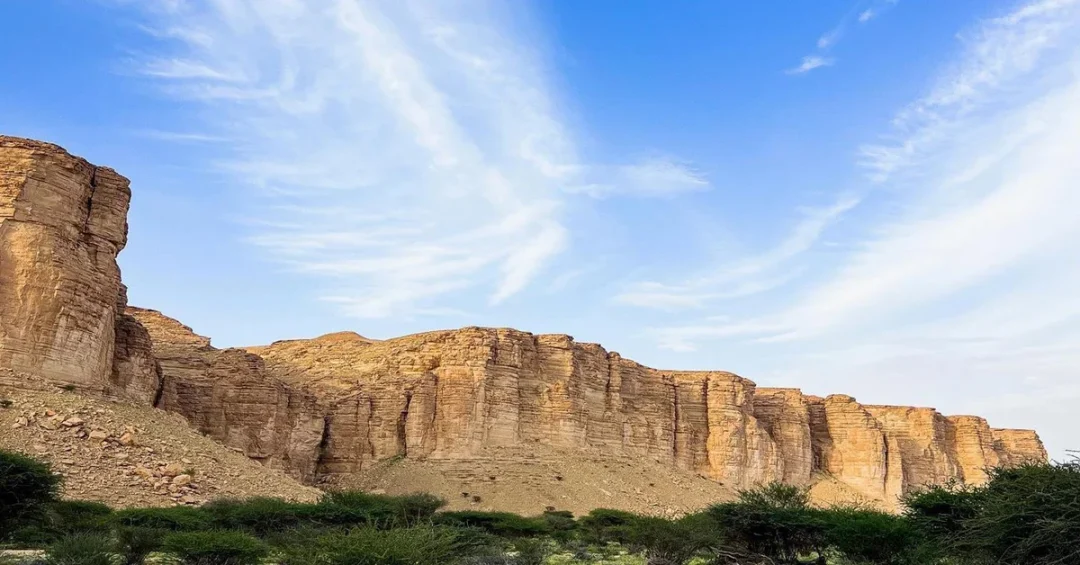
The International Union for Conservation of Nature (IUCN) has added the Ibex Protected Area in Saudi Arabia to its prestigious Green List, making it the first site in the Kingdom to meet all required criteria for this global recognition. Managed by the National Center for Wildlife (NCW), the Ibex Protected Area joins an elite group of only 77 sites worldwide out of more than 300,000 protected areas, underscoring Saudi Arabia’s growing leadership in biodiversity conservation and sustainable land management.
Context and Background
The IUCN Green List is a global verification system that sets the benchmark for excellence in nature conservation. It identifies and honors protected areas that demonstrate effective management, fair governance, and positive outcomes for both nature and local communities. Inclusion signifies that a site has met rigorous standards, with natural resources safeguarded, biodiversity enhanced, and habitats improved over time.
Located in the Riyadh region, the Ibex Protected Area was established in 1988 in response to requests from local communities. It encompasses a large plateau within the Tuwaiq mountain range, numerous valleys, streams, and sandy areas. Its rich biodiversity and ecological significance have made it a distinguished natural site both regionally and globally.
Key Details
The protected area is home to thriving populations of mountain ibex, a species that has flourished there for thousands of years. It also supports a variety of plant species, including acacia, samur, and sidr trees, as well as numerous shrubs, grasses, and herbs. This vegetation provides habitat for many species such as mountain ibex, Arabian gazelle, rock hyrax, foxes, rodents, birds, and reptiles.
In an NCW press release, CEO Dr. Mohammed Qurban said: “The inclusion of the Ibex Protected Area in the IUCN Green List affirms our commitment to conserving habitats and achieving the 30×30 goal of protecting 30% of Saudi Arabia’s land and marine areas by 2030.” He added that NCW is working with partners in the wildlife field to register all national protected areas on this significant list, contributing to the Kingdom’s Vision 2030 objective of having environmentally and culturally significant sites recognized globally.
Qurban further stated: “This accomplishment shows that NCW efforts are up to international conservation standards and is testimony to our dedication to preserving Saudi Arabia’s rich biodiversity. It supports the sustainable management of natural resources, ensuring that our conservation efforts benefit current and future generations. Being on the Green List boosts the global reputation of the Ibex Protected Area and reinforces our commitment to developing sustainable conservation practices.”
Implications and Impact
The IUCN Green List recognition elevates the Ibex Protected Area’s international profile, potentially attracting more eco-tourism and research opportunities. It also reinforces Saudi Arabia’s role as a responsible environmental steward on the global stage, aligning with international conservation goals such as the Kunming-Montreal Global Biodiversity Framework. This achievement sets a precedent for other protected areas in the Kingdom, encouraging higher standards of management and community engagement.
Vision 2030 Alignment
This milestone directly supports Saudi Vision 2030, which emphasizes environmental sustainability and the protection of natural resources. By achieving the 30×30 goal and securing global recognition for its protected areas, Saudi Arabia demonstrates its commitment to a balanced approach to development—one that harmonizes economic growth with ecological preservation for future generations.
20 Questions
Q1. What is the IUCN Green List?
A1. The IUCN Green List is a global standard for protected areas that recognizes excellence in management, governance, and conservation outcomes. It includes only 77 sites worldwide, highlighting the highest achievements in nature conservation.
Q2. Which Saudi site recently joined the IUCN Green List?
A2. The Ibex Protected Area, managed by the National Center for Wildlife, became the first site in Saudi Arabia to join the IUCN Green List, as announced in October 2024.
Q3. Who manages the Ibex Protected Area?
A3. The National Center for Wildlife (NCW) is responsible for managing the Ibex Protected Area, ensuring its conservation and sustainable practices align with international standards.
Q4. When was the Ibex Protected Area established?
A4. It was established in 1988 following requests from local communities, and it has since become a vital natural reserve in the Riyadh region.
Q5. What makes the Ibex Protected Area unique?
A5. Its diverse landscapes include a large plateau in the Tuwaiq mountain range, valleys, streams, and sandy areas, supporting rich biodiversity and serving as a model for habitat integrity.
Q6. What species are found in the Ibex Protected Area?
A6. The area hosts mountain ibex, Arabian gazelle, rock hyrax, foxes, rodents, birds, and reptiles, along with various plant species like acacia, samur, and sidr trees.
Q7. What did the NCW CEO say about the achievement?
A7. Dr. Mohammed Qurban stated that the inclusion affirms NCW’s commitment to conserving habitats and achieving the 30×30 goal, and it supports Saudi Arabia’s Vision 2030 objectives.
Q8. What is the 30×30 goal?
A8. The 30×30 goal aims to protect 30% of Saudi Arabia’s land and marine areas by 2030, a key environmental target under the Kingdom’s sustainability initiatives.
Q9. How does this recognition benefit Saudi Arabia?
A9. It enhances the Kingdom’s global reputation in conservation, boosts eco-tourism potential, and reinforces its commitment to sustainable development and biodiversity protection.
Q10. What is the significance of the IUCN Green List?
A10. The Green List sets the global benchmark for protected area management, recognizing sites that achieve conservation success and fair governance, thus promoting best practices worldwide.
Q11. How many sites are on the IUCN Green List?
A11. Currently, only 77 sites out of over 300,000 protected areas globally are on the Green List, making it a highly exclusive recognition.
Q12. What role does NCW play in Saudi conservation?
A12. NCW manages national protected areas, works to register them on the IUCN Green List, and ensures they meet international standards for biodiversity and habitat conservation.
Q13. How does this align with Vision 2030?
A13. Vision 2030 emphasizes environmental sustainability; this recognition supports the goal of having significant sites globally recognized and protected for future generations.
Q14. What are the key criteria for IUCN Green List inclusion?
A14. Criteria include effective management, fair governance, and positive outcomes for nature and local communities, with demonstrated biodiversity enhancement and habitat improvement.
Q15. What biodiversity is protected in the Ibex area?
A15. The area protects mountain ibex, Arabian gazelle, various plants like acacia and sidr, and provides habitat for numerous birds, reptiles, and small mammals.
Q16. How does this recognition impact local communities?
A16. It promotes sustainable tourism and conservation awareness, potentially creating economic opportunities while ensuring the preservation of natural resources for community benefit.
Q17. What future plans does NCW have for protected areas?
A17. NCW aims to register all national protected areas on the IUCN Green List, continuing to elevate conservation standards across the Kingdom.
Q18. What is the global significance of this achievement?
A18. It positions Saudi Arabia as a leader in conservation, demonstrating that the Kingdom meets international environmental standards and contributes to global biodiversity goals.
Q19. How does the Ibex Protected Area contribute to scientific research?
A19. It serves as a living laboratory for studying biodiversity, habitat management, and species conservation, offering insights that can inform global conservation practices.
Q20. What message does this send about Saudi Arabia’s environmental commitment?
A20. It shows Saudi Arabia’s dedication to preserving its natural heritage, aligning with Vision 2030 and international efforts to protect the planet’s biodiversity for future generations.
Reader Feedback
We value your thoughts. Please share your feedback on this article.
Your feedback helps us improve our coverage.