


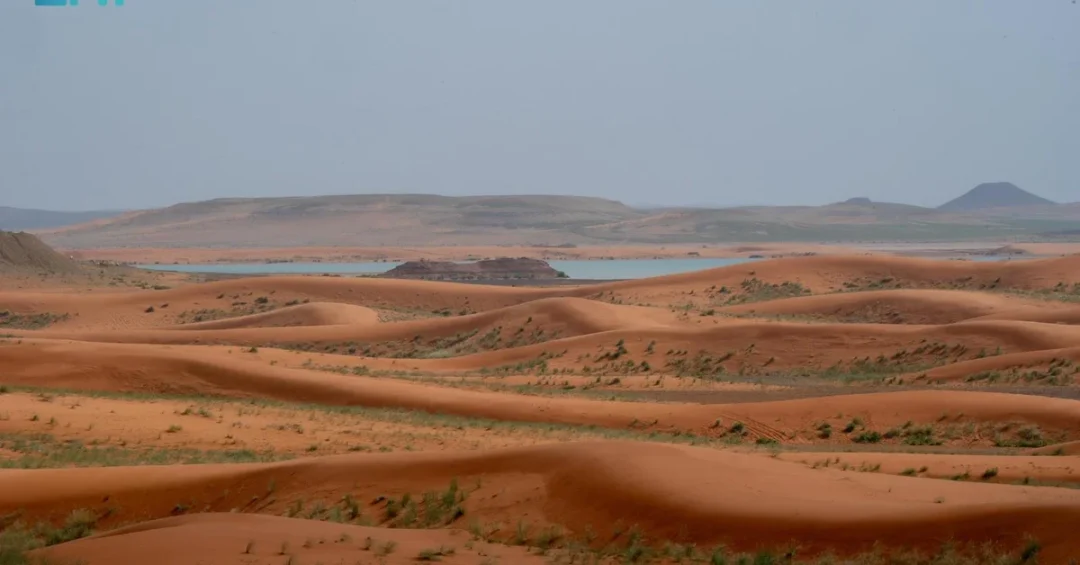
The King Salman Bin Abdulaziz Royal Reserve Development Authority has been officially added to the International Union for Conservation of Nature (IUCN) Green List, a globally recognized standard for protected area management, as announced by the Saudi Press Agency on October 9, 2024. This achievement highlights the Kingdom’s commitment to environmental conservation and sustainable development, aligning with Saudi Vision 2030 goals to protect natural ecosystems and enhance quality of life.
Context and Background
The IUCN Green List is a prestigious international certification that recognizes protected areas for their effective management, equitable governance, and positive conservation outcomes. The King Salman Bin Abdulaziz Royal Reserve, one of Saudi Arabia’s largest protected areas, has undergone a rigorous assessment by IUCN experts to meet the Green List’s stringent criteria. This evaluation focused on the authority’s environmental and developmental achievements, community engagement, and preservation efforts. The reserve’s inclusion signifies a major milestone in Saudi Arabia’s efforts to safeguard its natural heritage and biodiversity.
Key Details
Abdullah Al-Amer, CEO of the King Salman Bin Abdulaziz Royal Reserve Development Authority, emphasized the significance of this recognition, stating: “Since its establishment, the authority has pursued strategies, development plans, and innovative initiatives to fulfill its core objectives. Through these endeavors, we have successfully met all the key criteria and indicators for joining the IUCN Green List.” He attributed this success to the unwavering support of the Saudi leadership and the guidance of Minister of Interior and Chairman of the Authority Prince Abdulaziz bin Saud bin Naif bin Abdulaziz. The authority’s accomplishments include receiving the Biodiversity Certificate and designating five critical bird sites within the reserve. Furthermore, the reserve now supports over 550 plant species, with initiatives planting 2.4 million native tree and shrub seedlings and four tons of local seeds such as yarrow, Artemisia, and Haloxylon. Efforts have also restored 250,000 hectares of degraded habitats and relocated 1,235 wildlife species, including Arabian oryx, sand gazelles, Arabian gazelles, and Arabian leopards.
Implications and Impact
The inclusion in the IUCN Green List elevates the reserve’s status on both local and global stages, demonstrating Saudi Arabia’s leadership in environmental conservation. This recognition not only enhances the Kingdom’s international reputation but also attracts potential eco-tourism and research opportunities. It sets a benchmark for other protected areas in the region, encouraging sustainable practices and community involvement. The Green List provides crucial guidelines for conservation and stakeholder engagement in sustainable development, which the authority is committed to following. This achievement also supports Saudi Arabia’s broader environmental goals, including the Saudi Green Initiative and the Middle East Green Initiative, which aim to combat climate change and protect biodiversity.
Vision 2030 Alignment
This milestone aligns seamlessly with Saudi Vision 2030, which seeks to diversify the economy, enhance environmental sustainability, and improve the quality of life for citizens and residents. By managing protected areas through sustainable programs focused on environmental conservation, community engagement, and sustainable development, the authority contributes to the Kingdom’s long-term vision of a greener, more resilient future. The recognition from IUCN reinforces Saudi Arabia’s role as a global leader in conservation and sustainable development, paving the way for further achievements in environmental stewardship.
20 Questions
Q1. What is the IUCN Green List?
A1. The IUCN Green List is a global standard for protected areas that recognizes effective management, equitable governance, and successful conservation outcomes. It is awarded by the International Union for Conservation of Nature.
Q2. When was the King Salman Bin Abdulaziz Royal Reserve added to the Green List?
A2. The reserve was added to the IUCN Green List on October 9, 2024, as announced by the Saudi Press Agency.
Q3. Who is the CEO of the King Salman Bin Abdulaziz Royal Reserve Development Authority?
A3. Abdullah Al-Amer serves as the CEO of the authority and has been instrumental in achieving this recognition.
Q4. What are some key achievements of the authority?
A4. Key achievements include planting 2.4 million native tree and shrub seedlings, restoring 250,000 hectares of degraded habitats, and relocating 1,235 wildlife species.
Q5. How many plant species does the reserve support?
A5. The reserve now supports over 550 plant species, contributing to biodiversity conservation.
Q6. What wildlife species have been relocated to the reserve?
A6. Species include Arabian oryx, sand gazelles, Arabian gazelles, and Arabian leopards, among others.
Q7. What is the significance of the Green List recognition?
A7. It signifies effective reserve management, commitment to conservation, and enhances Saudi Arabia’s global standing in environmental protection.
Q8. Who supported the authority in achieving this milestone?
A8. The Saudi leadership and Minister of Interior Prince Abdulaziz bin Saud bin Naif bin Abdulaziz provided crucial support and guidance.
Q9. What other recognitions has the authority received?
A9. The authority received the Biodiversity Certificate and had five critical bird sites designated within the reserve.
Q10. How does this achievement align with Saudi Vision 2030?
A10. It supports Vision 2030’s environmental sustainability goals, economic diversification, and quality of life improvements.
Q11. What are the IUCN Green List criteria?
A11. Criteria include effective management, equitable governance, and positive conservation outcomes, assessed by IUCN experts.
Q12. What is the size of the King Salman Bin Abdulaziz Royal Reserve?
A12. It is one of Saudi Arabia’s largest protected areas, though specific size may vary; it spans a significant portion of the Kingdom.
Q13. How does the reserve engage with local communities?
A13. The authority involves communities in sustainable development processes, ensuring their participation in conservation efforts.
Q14. What seeds were planted as part of restoration efforts?
A14. Four tons of local seeds, including yarrow, Artemisia, and Haloxylon, were planted to restore habitats.
Q15. What is the role of the Ministry of Interior in the authority?
A15. The Minister of Interior serves as the Chairman of the authority, providing oversight and strategic direction.
Q16. How does the Green List benefit the reserve?
A16. It provides international recognition, attracts eco-tourism, and sets a benchmark for other protected areas.
Q17. What are the future plans for the authority?
A17. The authority aims to continue sustainable management, expand conservation programs, and enhance community engagement.
Q18. How many hectares of degraded habitats were restored?
A18. 250,000 hectares of degraded habitats have been restored, improving ecosystem health.
Q19. What is the Saudi Green Initiative?
A19. A national initiative to combat climate change, increase vegetation cover, and protect the environment, supporting Vision 2030.
Q20. Why is this recognition important for Saudi Arabia?
A20. It showcases the Kingdom’s commitment to environmental conservation, enhances its global image, and supports sustainable development goals.
Reader Feedback
We value your thoughts. Please share your feedback on this article.
Your feedback helps us improve our coverage.