


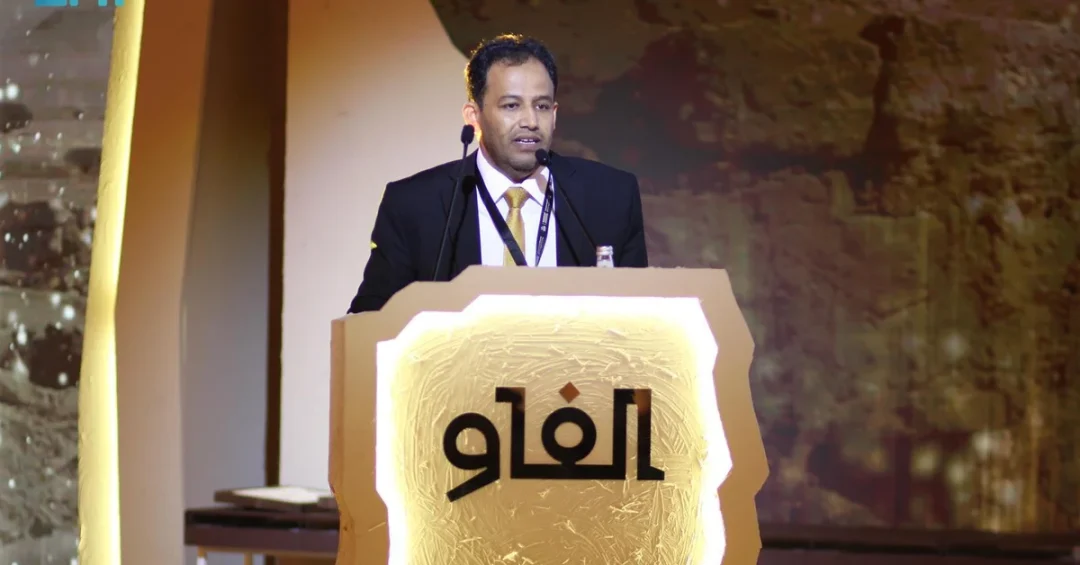
The Heritage Commission convened the Scientific Symposium on Cultural Landscape Research on the Al-Faw Archaeological Area in Riyadh on October 8, 2024, bringing together archaeologists and specialists from Saudi Arabia and abroad to uncover the social and civilizational aspects of the site and its connections to other ancient kingdoms in the Arabian Peninsula. The symposium, reported by the Saudi Press Agency, featured five sessions examining new analytical interpretations of inscriptions, architectural influences, construction patterns, and ancient irrigation systems, as well as strategies to preserve the area using modern technologies and artificial intelligence.
Context and Background
Al-Faw, located in the Wadi Al-Dawasir Governorate, is one of the most significant archaeological sites in the Kingdom, offering a window into the cultural and environmental history of the Arabian Peninsula. The Heritage Commission, a key body under the Ministry of Culture, organized the symposium to deepen understanding of how the site interacted with other civilizations and how its cultural landscape evolved over millennia. The event underscores Saudi Arabia’s commitment to preserving its rich heritage and sharing it with the world, as part of the broader goals of Vision 2030 to celebrate and protect the Kingdom’s Islamic, Arab, and national legacy.
Key Details
The symposium’s five sessions delved into fresh interpretations of previously recorded inscriptions, architectural influences, construction methods, and the sophisticated irrigation systems that sustained the ancient community at Al-Faw. Participants also explored how modern technologies and AI can aid in the preservation and study of the site. The registration of the Cultural Landscape of Al-Faw Archaeological Area on the UNESCO World Heritage List was a direct outcome of dedicated national efforts led by the Heritage Commission, in collaboration with the Saudi National Commission for Education, Culture and Science, the Emirate of Riyadh, the National Center for Wildlife, King Saud University, and the local community of Wadi Al-Dawasir Governorate. This collective endeavor highlights the Kingdom’s integrated approach to heritage conservation.
Implications and Impact
The symposium’s findings are expected to enhance global understanding of Al-Faw’s role as a cultural crossroads in antiquity, fostering academic collaboration and cultural exchange. By leveraging advanced technologies, Saudi Arabia positions itself as a leader in archaeological research and heritage preservation, aligning with international best practices. The event also strengthens the Kingdom’s tourism potential, as Al-Faw becomes a destination for scholars and visitors interested in exploring Saudi Arabia’s deep historical roots. This initiative reflects the Kingdom’s broader strategy to promote cultural diplomacy and diversify its economy through tourism and knowledge-based sectors.
Vision 2030 Alignment
This endeavor aligns seamlessly with Vision 2030, which aims to increase the number of Saudi sites on the UNESCO World Heritage List and to promote the Kingdom’s Islamic, Arab, and national heritage. By investing in cultural landscape research and preservation, Saudi Arabia not only safeguards its past but also builds a future where heritage drives sustainable development, international engagement, and national pride. The Heritage Commission’s work exemplifies how Vision 2030 transforms cultural assets into engines of global dialogue and economic opportunity.
20 Questions
Q1. What was the purpose of the Scientific Symposium on Cultural Landscape Research on the Al-Faw Archaeological Area?
A1. The symposium aimed to uncover the social and civilizational aspects of Al-Faw, explore its links with other Arabian Peninsula kingdoms, and understand the cultural and environmental influences that shaped the site over time.
Q2. Who organized the symposium and when did it take place?
A2. The Heritage Commission organized the symposium, which was held on October 8, 2024, in Riyadh, as reported by the Saudi Press Agency.
Q3. Which organizations collaborated on the UNESCO World Heritage registration of Al-Faw?
A3. The registration involved the Heritage Commission, the Saudi National Commission for Education, Culture and Science, the Emirate of Riyadh, the National Center for Wildlife, King Saud University, and the local community of Wadi Al-Dawasir Governorate.
Q4. What topics were covered in the symposium’s five sessions?
A4. The sessions covered new analytical interpretations of inscriptions, architectural influences, construction patterns, ancient irrigation systems, and preservation strategies using modern technologies and AI.
Q5. How does the symposium support Saudi Arabia’s Vision 2030?
A5. It aligns with Vision 2030 by aiming to increase Saudi sites on the UNESCO World Heritage List and promoting the Kingdom’s Islamic, Arab, and national heritage.
Q6. What is the significance of Al-Faw archaeological area?
A6. Al-Faw is a key archaeological site in Wadi Al-Dawasir, offering insights into ancient Arabian civilizations, their cultural interactions, and environmental adaptations.
Q7. How did the local community contribute to the UNESCO registration?
A7. The local community of Wadi Al-Dawasir Governorate supported the registration efforts, demonstrating grassroots involvement in preserving Saudi heritage.
Q8. What role does technology play in preserving Al-Faw?
A8. Modern technologies and AI are used to analyze and preserve the site, enhancing research and conservation efforts for future generations.
Q9. Why is the Al-Faw site important for understanding Arabian Peninsula history?
A9. It reveals connections between ancient kingdoms and cultural exchanges, providing a deeper understanding of the region’s historical dynamics and environmental context.
Q10. What are the expected outcomes of the symposium?
A10. The symposium is expected to yield new insights into Al-Faw’s history, promote academic collaboration, and support heritage preservation and tourism development in Saudi Arabia.
Q11. How does the Heritage Commission contribute to Saudi heritage preservation?
A11. The Heritage Commission leads efforts to protect and promote Saudi heritage through research, UNESCO registrations, and public awareness campaigns, in line with Vision 2030.
Q12. What is the significance of the UNESCO World Heritage listing for Al-Faw?
A12. The listing recognizes Al-Faw’s global cultural value, boosts international awareness, and supports Saudi Arabia’s efforts to preserve and showcase its heritage.
Q13. How does Al-Faw’s irrigation system reflect ancient engineering?
A13. The ancient irrigation systems at Al-Faw demonstrate advanced engineering and adaptation to the desert environment, crucial for sustaining the settlement.
Q14. What inscriptions were studied at the symposium?
A14. Previously recorded inscriptions at Al-Faw were re-examined, offering new analytical interpretations that shed light on the site’s history and cultural interactions.
Q15. How does the symposium promote international collaboration?
A15. By bringing together archaeologists and specialists from inside and outside Saudi Arabia, it fosters global academic exchange and joint research efforts.
Q16. What is the role of King Saud University in the Al-Faw project?
A16. King Saud University collaborates on research and preservation efforts, contributing academic expertise to the study of Al-Faw’s cultural landscape.
Q17. How does heritage preservation benefit Saudi Arabia’s economy?
A17. Heritage preservation attracts tourism, creates jobs, and diversifies the economy, aligning with Vision 2030’s goals for sustainable development.
Q18. What makes Al-Faw a unique archaeological site?
A18. Al-Faw’s well-preserved cultural landscape, ancient irrigation systems, and connections to other civilizations make it a unique and valuable site for study.
Q19. How can the public learn more about Al-Faw?
A19. The public can follow updates from the Heritage Commission and visit Al-Faw once accessible, as Saudi Arabia promotes heritage tourism and awareness.
Q20. What future steps are planned for Al-Faw’s preservation?
A20. Future steps include continued research, application of modern technologies, and enhanced conservation efforts to maintain the site’s integrity and promote its global significance.
Reader Feedback
We value your thoughts. Please share your feedback on this article.
Your feedback helps us improve our coverage.
Related articles
 Minister of Culture Launches Second Saudi Film Forum 2024
 Prince Turki bin Faisal: Saudi Cinema Qualifies Kingdom to Be Global Hub for Creativity
 Experts Outline AI Applications at Saudi Falcons Exhibition
 Saudi Falcons Club, King Saud University Sign MoC
 Red Sea Film Festival Unveils 2024 Arab Shorts Lineup
 Noor Riyadh Launches Art Book in London with Assouline