


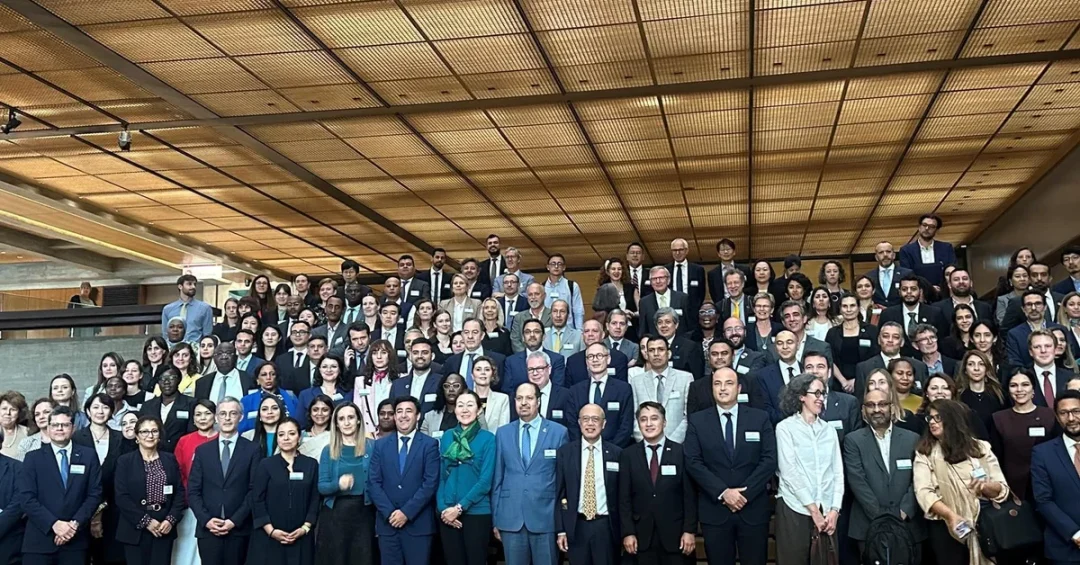
Lisbon, October 9, 2024 — The King Salman Humanitarian Aid and Relief Center (KSrelief) participated in the 8th “International Meeting on Triangular Cooperation: Linking Global Processes to Create Local Impact” held in Lisbon, Portugal, on October 7-8. The event, organized by the Portuguese Ministry of Foreign Affairs and the Organization for Economic Cooperation and Development (OECD) Development Cooperation Directorate (DCD), brought together more than 200 participants from governments, global organizations, development agencies, civil-society organizations, and the private sector. KSrelief was represented by Aqeel Al Ghamdi, Assistant Supervisor-General of Planning and Development, underscoring Saudi Arabia’s active role in advancing international development cooperation.
Context and Background
Triangular cooperation involves partnerships between traditional donor countries, emerging economies, and multilateral organizations to implement development projects. This model leverages the strengths of each partner to address complex global challenges, particularly in achieving the Sustainable Development Goals (SDGs). The Lisbon meeting served as a critical platform to review trends, share best practices, and explore innovative strategies to enhance triangular cooperation’s effectiveness.
Why does triangular cooperation matter in today’s interconnected world? It enables countries to pool resources, expertise, and technology to tackle issues like poverty, inequality, and climate change more efficiently. For Saudi Arabia, participation in such forums aligns with its commitment to global humanitarian efforts and its Vision 2030 goal of fostering international partnerships for sustainable development.
The event also highlighted the Triangular Cooperation Window established by the United Nations Office for South-South Cooperation (UNOSSC), which facilitates knowledge sharing and capacity building among developing countries. By engaging in these discussions, KSrelief demonstrates Saudi Arabia’s dedication to leveraging collaborative approaches for maximum impact.
Key Details
During the two-day meeting, participants delved into the latest trends and challenges in triangular cooperation. Discussions focused on strategies to enhance cooperation in achieving the SDGs, with a particular emphasis on poverty reduction and inequality. The future role of triangular cooperation post-2030 was a key topic, stressing the importance of building and strengthening capacities through collaborative partnerships.
Aqeel Al Ghamdi, Assistant Supervisor-General of Planning and Development at KSrelief, represented the Kingdom, sharing insights from Saudi Arabia’s extensive humanitarian experience. How does KSrelief’s involvement benefit global development efforts? By bringing its expertise in delivering aid in conflict zones and disaster-stricken areas, KSrelief contributes valuable perspectives on effective implementation and local impact.
The meeting provided a platform for participants to exchange expertise and explore new avenues for collaboration. More than 200 attendees from diverse sectors engaged in dialogue, fostering networks that can lead to concrete projects. The Triangular Cooperation Window was spotlighted as a mechanism to support South-South and triangular cooperation initiatives, enabling countries to access resources and technical assistance.
Implications and Impact
Saudi Arabia’s participation in this international meeting reinforces its role as a responsible global actor and a key contributor to humanitarian and development efforts. KSrelief, under the leadership of the Kingdom, has been at the forefront of providing relief worldwide, often in partnership with UN agencies and other international organizations. This engagement in triangular cooperation enhances Saudi Arabia’s soft power and strengthens its diplomatic ties.
What does this mean for the future of development cooperation? It signals a shift toward more inclusive and collaborative models that recognize the contributions of all countries, regardless of their economic status. By sharing its own development journey and humanitarian expertise, Saudi Arabia helps shape a more equitable global framework.
The discussions on post-2030 cooperation are particularly timely as the international community evaluates progress on the SDGs. Saudi Arabia’s Vision 2030, with its focus on sustainable development, economic diversification, and global partnerships, dovetails with the objectives of triangular cooperation. The Kingdom’s active participation ensures that its voice and experience are part of the global conversation on improving aid effectiveness and fostering local impact.
Vision 2030 Alignment
Saudi Arabia’s Vision 2030 emphasizes the importance of international cooperation and humanitarian leadership. KSrelief’s involvement in the Lisbon meeting exemplifies the Kingdom’s commitment to these principles. By engaging in triangular cooperation, Saudi Arabia not only contributes to global development but also learns from others, enhancing its own capacity to address domestic and regional challenges.
As the world moves toward the post-2030 development agenda, Saudi Arabia is poised to play an even greater role in shaping cooperative strategies. The Kingdom’s participation in events like this demonstrates its dedication to building a better future for all, in line with Vision 2030’s goal of a vibrant society and a thriving economy that engages with the world.
20 Questions
Q1. What is triangular cooperation?
A1. Triangular cooperation is a partnership between traditional donor countries, emerging economies, and multilateral organizations to implement development projects, leveraging each partner’s strengths to achieve sustainable development goals effectively.
Q2. Who represented KSrelief at the Lisbon meeting?
A2. Aqeel Al Ghamdi, Assistant Supervisor-General of Planning and Development at KSrelief, represented the organization, highlighting Saudi Arabia’s commitment to international development cooperation.
Q3. Where and when was the 8th International Meeting on Triangular Cooperation held?
A3. The meeting was held in Lisbon, Portugal, on October 7-8, 2024, organized by the Portuguese Ministry of Foreign Affairs and the OECD Development Cooperation Directorate.
Q4. How many participants attended the meeting?
A4. More than 200 participants from governments, global organizations, development agencies, civil-society organizations, and the private sector attended the event.
Q5. What was the main focus of the discussions?
A5. Discussions covered trends and challenges in triangular cooperation, strategies to enhance it for achieving the SDGs, and the future role of triangular cooperation post-2030.
Q6. What is the Triangular Cooperation Window?
A6. Established by the United Nations Office for South-South Cooperation (UNOSSC), the Triangular Cooperation Window facilitates knowledge sharing and capacity building among developing countries.
Q7. Why is triangular cooperation important for achieving the SDGs?
A7. It enables countries to pool resources, expertise, and technology to tackle issues like poverty, inequality, and climate change more efficiently, accelerating progress toward the SDGs.
Q8. How does KSrelief contribute to global development?
A8. KSrelief provides humanitarian aid worldwide, often in partnership with international organizations, and shares its expertise in delivering aid in conflict zones and disaster-stricken areas.
Q9. What is Saudi Arabia’s role in triangular cooperation?
A9. Saudi Arabia actively participates in triangular cooperation through KSrelief, contributing its humanitarian expertise and fostering partnerships to address global challenges.
Q10. What does post-2030 triangular cooperation refer to?
A10. It refers to the future role of triangular cooperation after the 2030 deadline for the Sustainable Development Goals, emphasizing capacity building and collaborative partnerships.
Q11. How does the Lisbon meeting align with Vision 2030?
A11. It aligns with Vision 2030’s focus on international cooperation and humanitarian leadership, showcasing Saudi Arabia’s commitment to global development and partnership building.
Q12. What are the benefits of triangular cooperation for Saudi Arabia?
A12. It enhances Saudi Arabia’s soft power, strengthens diplomatic ties, and allows the Kingdom to learn from others while sharing its own development experience.
Q13. Who organized the Lisbon meeting?
A13. The Portuguese Ministry of Foreign Affairs and the OECD Development Cooperation Directorate organized the event, bringing together diverse stakeholders.
Q14. What is the significance of the Triangular Cooperation Window?
A14. It provides a mechanism for developing countries to access resources and technical assistance, promoting South-South and triangular cooperation initiatives.
Q15. How does KSrelief’s participation benefit Saudi Arabia’s image?
A15. It reinforces Saudi Arabia’s role as a responsible global actor and a key contributor to humanitarian efforts, enhancing its international reputation.
Q16. What topics were discussed regarding poverty and inequality?
A16. Participants discussed strategies to tackle poverty reduction and inequality through collaborative partnerships, emphasizing capacity building and innovative approaches.
Q17. What is the OECD’s role in triangular cooperation?
A17. The OECD Development Cooperation Directorate supports and facilitates triangular cooperation by providing a platform for dialogue and sharing best practices among member countries.
Q18. How can triangular cooperation create local impact?
A18. By tailoring development projects to local contexts and involving local stakeholders, triangular cooperation ensures that initiatives address specific community needs and yield sustainable results.
Q19. What future trends in triangular cooperation were highlighted?
A19. The meeting highlighted the importance of innovation, strengthened capacities, and enhanced partnerships to address evolving global challenges beyond 2030.
Q20. How can other countries engage in triangular cooperation?
A20. Countries can engage by partnering with traditional donors, emerging economies, and multilateral organizations, and by utilizing platforms like the Triangular Cooperation Window to access resources and expertise.
Reader Feedback
We value your thoughts. Please share your feedback on this article.
Your feedback helps us improve our coverage.