


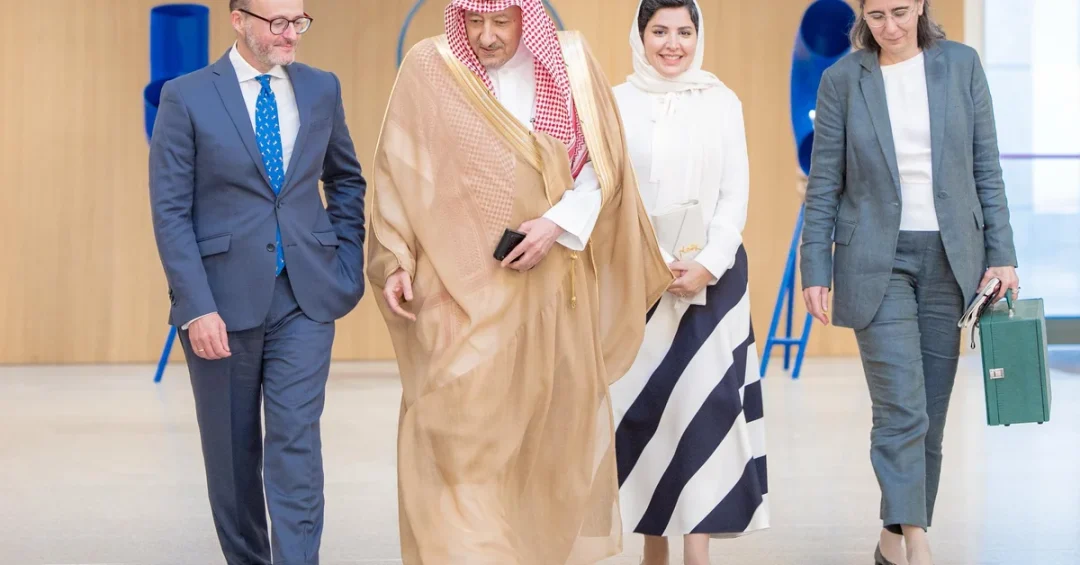
Saudi Arabia and Spain convened the third round of political consultations in Riyadh on Wednesday, October 9, 2024, co-chaired by Saudi Vice Minister of Foreign Affairs Eng. Waleed El Khereiji and Spanish Secretary of State for Foreign and Global Affairs Diego Martínez Belío. The meeting, reported by the Saudi Press Agency (SPA), focused on strengthening bilateral relations across multiple sectors, with a particular emphasis on political ties. The discussions also explored avenues to intensify coordination on regional and international issues of mutual concern, reflecting the deepening partnership between the two nations. Saudi Ambassador to Spain Princess Haifa bint Abdulaziz Almogrin attended the talks, underscoring the Kingdom’s commitment to high-level diplomatic engagement.
This third round of consultations builds on a history of diplomatic exchanges between Saudi Arabia and Spain, two nations that have cultivated a robust relationship grounded in mutual respect and shared interests. As global challenges ranging from economic instability to regional conflicts continue to evolve, such high-level dialogues are essential for aligning positions and fostering cooperation. How can these consultations further enhance stability and prosperity in both regions? The meeting signals a mutual desire to elevate ties to new heights, aligning with Saudi Arabia’s Vision 2030 objectives to diversify partnerships and promote international collaboration.
Context and Background
The political consultations between Saudi Arabia and Spain are part of a broader framework of regular diplomatic engagements that the two countries have maintained for years. These consultations provide a platform for discussing bilateral cooperation and coordinating stances on multilateral issues. Spain, as a key member of the European Union, represents an important partner for Saudi Arabia in Europe, while the Kingdom serves as a pivotal ally for Spain in the Middle East. What historical factors have shaped this enduring partnership? The relationship dates back decades, with both nations recognizing each other’s strategic importance in their respective regions. Over the years, they have signed numerous agreements covering trade, culture, and defense, laying a solid foundation for continued collaboration.
The third round of consultations follows previous meetings that have progressively deepened ties. In recent years, Saudi-Spanish relations have expanded beyond traditional diplomacy to encompass economic diversification, cultural exchange, and technological cooperation. Spain’s expertise in renewable energy, infrastructure, and tourism aligns well with Saudi Arabia’s Vision 2030 goals, which aim to reduce oil dependence and develop new sectors. How can these shared interests translate into tangible projects? The consultations likely addressed these areas, setting the stage for future collaborations that could benefit both economies. The involvement of senior officials like Eng. El Khereiji and Secretary Martínez Belío highlights the importance both countries place on this relationship.
Moreover, the presence of Saudi Ambassador to Spain Princess Haifa bint Abdulaziz Almogrin at the meeting underscores the role of diplomatic missions in facilitating such high-level dialogues. Her attendance reflects the Kingdom’s proactive approach to nurturing bilateral ties and ensuring that agreements reached at the political level are effectively implemented on the ground. What role do ambassadors play in bridging cultural and political divides? They serve as crucial links, fostering understanding and enabling smooth communication between governments. This meeting is a testament to the active diplomacy that characterizes Saudi Arabia’s foreign policy under the leadership of the Custodian of the Two Holy Mosques and His Royal Highness the Crown Prince.
Key Details
During the consultations, the two sides discussed strategies to bolster relations across various domains, with a particular focus on enhancing political ties. They explored ways to intensify bilateral and multilateral coordination on matters of common interest, including regional security, economic cooperation, and cultural exchange. The meeting also provided an opportunity to review progress on existing agreements and identify new areas for collaboration. What specific outcomes can be expected from these discussions? While the details of the talks remain confidential, the broad agenda suggests a comprehensive approach to strengthening the partnership. Both officials likely emphasized the importance of continued dialogue to address emerging challenges and seize new opportunities.
Eng. Waleed El Khereiji, Saudi Vice Minister of Foreign Affairs, is a seasoned diplomat who has played a key role in shaping Saudi Arabia’s foreign policy. His counterpart, Diego Martínez Belío, Spanish Secretary of State for Foreign and Global Affairs, brings extensive experience in European and global affairs. Their co-chairing of the consultations signifies the mutual respect and shared commitment to advancing the bilateral agenda. How do personal diplomacies influence international relations? The chemistry and mutual understanding between officials can often facilitate smoother negotiations and more effective outcomes. The fact that these two leaders are engaging directly is a positive indicator of the seriousness with which both nations approach their partnership.
The consultations also addressed multilateral coordination, particularly in international forums such as the United Nations and the G20. Saudi Arabia, as a member of the G20 and a leading player in the Middle East, and Spain, as a prominent EU member, have opportunities to collaborate on global issues like climate change, sustainable development, and counterterrorism. What common goals unite these nations on the world stage? Both are committed to peace, stability, and prosperity, and they recognize that multilateral cooperation is essential to achieving these objectives. By aligning their positions, they can amplify their influence and contribute to shaping a more equitable international order.
International and Regional Impact
The Saudi-Spanish political consultations carry significant implications for regional and international dynamics. In the Middle East, Spain has historically played a balanced role, maintaining strong ties with both Israel and Arab states. Saudi Arabia, as a regional leader, values Spain’s nuanced approach and its potential to contribute to peace efforts. How can Spain’s unique position facilitate dialogue in the region? By leveraging its relationships, Spain can act as a bridge between parties, promoting understanding and cooperation. The consultations likely touched on regional hotspots, including the situation in Gaza and Lebanon, where both countries have called for de-escalation and humanitarian access.
On the international stage, the partnership between Saudi Arabia and Spain reflects a broader trend of interregional cooperation between the Gulf and Europe. As the global order becomes more multipolar, alliances that span different regions are increasingly important. Saudi Arabia’s Vision 2030 emphasizes the development of strategic partnerships beyond traditional allies, and Spain represents a valuable partner in Europe. What benefits arise from such cross-regional alliances? They enhance economic opportunities, foster cultural exchange, and provide a platform for addressing shared challenges like energy security and migration. The consultations are a step toward institutionalizing this cooperation, ensuring it endures beyond individual administrations.
Furthermore, the meeting underscores Saudi Arabia’s active diplomacy in Europe, a continent that is crucial for the Kingdom’s economic diversification efforts. Spain, with its strong tourism sector and renewable energy expertise, can support Saudi Arabia’s ambitions in these areas. How can Spanish know-how accelerate Vision 2030 projects? Spanish companies are already involved in several giga-projects in Saudi Arabia, and the consultations may pave the way for even greater participation. By strengthening political ties, both nations create a conducive environment for business and investment, which is essential for sustainable growth.
Economic and Strategic Significance
Economically, Saudi Arabia and Spain have complementary strengths that can be harnessed through closer collaboration. Spain is a leader in renewable energy, particularly solar and wind power, and possesses advanced infrastructure and transportation networks. Saudi Arabia, under Vision 2030, is investing heavily in renewable energy, smart cities, and tourism, aligning with Spanish expertise. What economic opportunities might emerge from this partnership? Joint ventures in solar energy, desalination, and high-speed rail are potential areas of growth. The consultations likely explored these possibilities, with both sides expressing interest in facilitating trade and investment flows.
Strategically, the partnership extends to defense and security cooperation. Spain has a robust defense industry and has participated in joint exercises with Saudi forces. Both nations share concerns about terrorism, maritime security, and cyber threats. How can they enhance security cooperation? Intelligence sharing, capacity building, and joint training are areas where they can deepen collaboration. The political consultations provide the political framework for such cooperation, ensuring that strategic interests are aligned and resources are effectively utilized. This comprehensive approach reflects the multifaceted nature of the Saudi-Spanish relationship, which goes beyond economics to encompass shared security objectives.
Vision 2030 Alignment
The third round of Saudi-Spanish political consultations is a clear manifestation of Saudi Arabia’s Vision 2030, which seeks to transform the Kingdom into a global investment powerhouse and a hub for international diplomacy. By engaging with European partners like Spain, Saudi Arabia is diversifying its alliances, attracting foreign expertise, and promoting its image as a modern, forward-looking nation. How does this meeting contribute to Vision 2030? It reinforces the pillars of a vibrant society, a thriving economy, and an ambitious nation by fostering international cooperation that drives development and innovation. The Kingdom’s proactive foreign policy is instrumental in creating an enabling environment for the realization of these goals.
Looking ahead, the consultations are expected to yield concrete outcomes that will further integrate the two economies and societies. As Saudi Arabia continues its journey toward 2030, partnerships with countries like Spain will be vital for knowledge transfer, technology adoption, and cultural exchange. What does the future hold for Saudi-Spanish relations? The trajectory is positive, with both nations committed to regular high-level dialogues and joint initiatives. This third round not only cements existing ties but also sets the stage for even deeper collaboration in the years to come, contributing to regional stability and global prosperity.
20 Questions
Q1. What was the main purpose of the third round of Saudi-Spanish political consultations?
A1. The consultations aimed to strengthen bilateral relations across various domains, with a focus on enhancing political ties and intensifying coordination on regional and international issues of mutual interest.
Q2. Who co-chaired the meeting?
A2. Saudi Vice Minister of Foreign Affairs Eng. Waleed El Khereiji and Spanish Secretary of State for Foreign and Global Affairs Diego Martínez Belío co-chaired the consultations.
Q3. Where and when did the consultations take place?
A3. The meeting was held in Riyadh on Wednesday, October 9, 2024, as reported by the Saudi Press Agency.
Q4. Which Saudi official also attended the meeting?
A4. Saudi Ambassador to Spain Princess Haifa bint Abdulaziz Almogrin attended the meeting, highlighting the Kingdom’s commitment to diplomatic engagement.
Q5. What is the significance of these consultations for Saudi-Spanish relations?
A5. They represent a continued effort to deepen ties and coordinate on shared interests, building on previous rounds and reflecting a mutual desire to elevate the partnership.
Q6. How does this meeting align with Saudi Arabia’s Vision 2030?
A6. It supports Vision 2030 by diversifying international partnerships, attracting foreign expertise, and promoting Saudi Arabia as a modern, globally engaged nation.
Q7. What areas of cooperation were discussed?
A7. Discussions covered political ties, economic collaboration, regional security, cultural exchange, and multilateral coordination on issues like climate change and sustainable development.
Q8. How might Spain contribute to Saudi Arabia’s renewable energy goals?
A8. Spain’s expertise in solar and wind power can support Saudi Arabia’s renewable energy ambitions, with potential joint projects and knowledge transfer aligning with Vision 2030.
Q9. What is the history of political consultations between the two nations?
A9. This is the third round, following previous meetings that have progressively expanded cooperation into new areas, including trade, culture, and defense.
Q10. What role does Saudi Ambassador Princess Haifa bint Abdulaziz Almogrin play?
A10. As Ambassador to Spain, she facilitates diplomatic relations, ensures implementation of agreements, and fosters cultural and political understanding between the two countries.
Q11. How do these consultations impact regional stability?
A11. They promote dialogue and coordination on regional issues, with Spain’s balanced role potentially aiding peace efforts and Saudi Arabia’s leadership contributing to stability.
Q12. What economic opportunities could arise from this partnership?
A12. Joint ventures in renewable energy, infrastructure, tourism, and technology are possible, enhancing trade and investment flows between Saudi Arabia and Spain.
Q13. How does Saudi Arabia benefit from engaging with European Union members like Spain?
A13. It strengthens ties with Europe, supports economic diversification, and provides a platform for multilateral cooperation on global challenges.
Q14. What multilateral issues were likely on the agenda?
A14. Topics may include climate change, counterterrorism, sustainable development, and humanitarian crises, reflecting shared interests in international forums.
Q15. How does this meeting reflect Saudi Arabia’s foreign policy approach?
A15. It demonstrates proactive diplomacy, a focus on strategic partnerships, and a commitment to global engagement under the leadership of the Crown Prince.
Q16. What is the significance of the timing of these consultations?
A16. Held amid evolving regional dynamics, the meeting allows both nations to align positions and address emerging challenges collaboratively.
Q17. How can Spain support Saudi Arabia’s tourism goals?
A17. Spain’s tourism expertise can aid Saudi Arabia in developing destinations, improving hospitality standards, and promoting cultural heritage as part of Vision 2030.
Q18. What defense and security cooperation exists between the two countries?
A18. They have engaged in joint exercises and share concerns on terrorism and maritime security, with potential for enhanced intelligence sharing and capacity building.
Q19. What outcomes can be expected from these consultations?
A19. Concrete outcomes may include new agreements, joint initiatives, and strengthened institutional frameworks for ongoing cooperation in various sectors.
Q20. How do these consultations contribute to Saudi Arabia’s global role?
A20. They enhance Saudi Arabia’s image as a responsible global actor, foster alliances, and support its leadership in regional and international affairs, aligning with Vision 2030.
Reader Feedback
We value your thoughts. Please share your feedback on this article.
Your feedback helps us improve our coverage.