


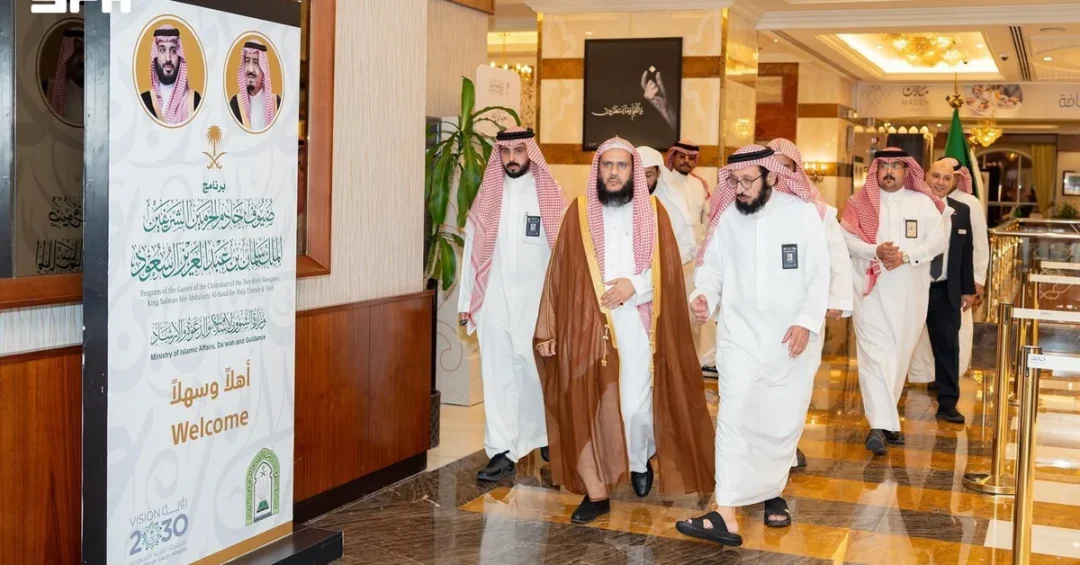
The Ministry of Islamic Affairs, Dawah and Guidance held a guidance session in Madinah on October 12, 2026, for the fourth group of the Custodian of the Two Holy Mosques’ Umrah and Visit Program, featuring Imam Sheikh Dr. Khalid Al-Muhanna. The session, part of a series of spiritual and educational activities organized for program guests, focused on the importance of gratitude in Islam and the significance of the pilgrimage experience. The fourth group comprises 250 Umrah pilgrims from 21 countries, reflecting the program’s global reach and the Kingdom’s commitment to serving Muslims worldwide. How does such a gathering strengthen the bonds of faith among diverse Muslim communities?
The Custodian of the Two Holy Mosques’ Umrah and Visit Program is a flagship initiative that hosts Muslims from around the world, offering them the opportunity to perform Umrah and visit the holy sites in Makkah and Madinah. This program, overseen by the Ministry of Islamic Affairs, Dawah and Guidance, underscores Saudi Arabia’s dedication to facilitating religious journeys and promoting moderate Islam. The guidance session provided a platform for pilgrims to deepen their understanding of Islamic teachings and to reflect on the spiritual significance of their journey. What does this mean for the global Muslim community’s perception of Saudi Arabia’s role in preserving Islamic heritage?
Context and Background
The Custodian of the Two Holy Mosques’ Umrah and Visit Program is an annual initiative that invites Muslims from various countries to perform Umrah at the expense of the Saudi government. It is part of the Kingdom’s broader efforts to serve Islam and Muslims, as directed by the leadership. The program typically hosts thousands of pilgrims each year, organized into groups that receive comprehensive services including travel, accommodation, and spiritual guidance. The fourth group of this season, consisting of 250 pilgrims from 21 countries, is currently in Madinah, where they are participating in a series of religious and cultural activities. How does this program reflect the Kingdom’s enduring commitment to the service of pilgrims?
The Ministry of Islamic Affairs, Dawah and Guidance, under the leadership of Minister Sheikh Dr. Abdullatif bin Abdulaziz Al Al-Sheikh, has been instrumental in organizing these sessions. The ministry’s efforts align with Vision 2030, which emphasizes the importance of enhancing the pilgrimage experience and promoting the Kingdom’s role as a global hub for Islamic affairs. The guidance session in Madinah is one of many activities designed to enrich the pilgrims’ experience, providing them with both spiritual and practical knowledge. What role does such guidance play in fostering a deeper connection to the holy sites?
Imam Sheikh Dr. Khalid Al-Muhanna, a prominent religious figure, delivered a lecture emphasizing that gratitude to Allah is a fundamental aspect of faith. He encouraged the guests to appreciate the gift of Islam and to express thankfulness for the opportunity to perform Umrah. His message resonated with the attendees, who come from diverse backgrounds but share a common faith. The session also included prayers and supplications for the safety and well-being of the pilgrims and for the continued prosperity of the Kingdom. How can the teachings of gratitude inspire pilgrims to become ambassadors of peace and moderation in their home countries?
Key Details
The fourth group of the program includes 250 Umrah pilgrims from 21 countries, representing a wide spectrum of the global Muslim community. The pilgrims are hosted in Madinah, where they will spend several days visiting historical and religious sites, including the Prophet’s Mosque. The program covers all expenses, including flights, accommodation, and transportation, ensuring that pilgrims can focus on their spiritual journey without financial burden. The guidance session was held at a designated venue in Madinah, attended by the pilgrims and officials from the ministry. What impact does this level of hospitality have on the pilgrims’ perception of the Kingdom?
During the session, Imam Al-Muhanna elaborated on the concept of gratitude in Islam, citing Quranic verses and prophetic traditions. He stressed that gratitude is not only a verbal expression but also a way of life that involves recognizing Allah’s blessings and using them in ways that please Him. He also highlighted the importance of unity among Muslims and the need to spread the message of Islam with wisdom and good manners. The pilgrims were encouraged to make the most of their time in the holy cities and to pray for the well-being of all Muslims. How does such guidance contribute to the spiritual development of the pilgrims?
The Ministry of Islamic Affairs, Dawah and Guidance has organized similar sessions for previous groups, each tailored to address the spiritual and educational needs of the guests. These sessions are part of a comprehensive program that includes lectures, workshops, and guided visits to significant Islamic sites. The ministry collaborates with other Saudi authorities, such as the Ministry of Hajj and Umrah and the General Authority for the Care of the Grand Mosque and the Prophet’s Mosque, to ensure a seamless and enriching experience for all guests. What does this collaboration say about the Kingdom’s integrated approach to pilgrimage services?
International and Regional Impact
The Custodian of the Two Holy Mosques’ Umrah and Visit Program has a significant international impact, as it brings together Muslims from diverse countries and cultures, fostering a sense of unity and brotherhood. The program also serves as a platform for cultural exchange and dialogue, allowing pilgrims to learn from one another and share their experiences. By hosting such programs, Saudi Arabia reinforces its position as a leader in the Islamic world and a custodian of the two holiest sites in Islam. How does this initiative help counter extremism and promote moderate Islam globally?
Regionally, the program strengthens ties between Saudi Arabia and other Muslim-majority countries, as participants return home with positive impressions and act as informal ambassadors for the Kingdom. The program also supports the Kingdom’s soft power diplomacy, showcasing its commitment to serving Islam and Muslims. In addition, the presence of pilgrims from 21 countries in a single group highlights the program’s wide reach and its ability to bring together people from different backgrounds under the umbrella of faith. What does this say about the Kingdom’s role in fostering Islamic solidarity?
Economic and Strategic Significance
While the program is primarily spiritual, it also has economic and strategic implications. The influx of pilgrims contributes to the local economy in Madinah and Makkah, supporting businesses in the hospitality, retail, and transportation sectors. Moreover, the program aligns with Vision 2030’s goal of increasing the number of Umrah pilgrims to 30 million by 2030, which requires expanding capacity and enhancing services. The positive experiences of program guests can also boost tourism and investment in the Kingdom. How does the program contribute to the realization of Vision 2030’s economic diversification goals?
Strategically, the program reinforces Saudi Arabia’s leadership in the Islamic world and its commitment to the welfare of Muslims globally. It also serves as a counter-narrative to negative portrayals of the Kingdom, highlighting its role as a benevolent and forward-looking nation. By investing in such initiatives, Saudi Arabia strengthens its soft power and builds goodwill among Muslim communities worldwide. What long-term benefits can the Kingdom expect from these efforts?
Vision 2030 Alignment
The Custodian of the Two Holy Mosques’ Umrah and Visit Program is a clear manifestation of Vision 2030’s objectives, particularly in the areas of enhancing the pilgrimage experience and promoting the Kingdom’s cultural and religious heritage. Vision 2030 aims to increase the number of Umrah pilgrims and improve the quality of services provided to them, ensuring that their journey is spiritually fulfilling and logistically seamless. The guidance session for the fourth group is a testament to the Kingdom’s commitment to these goals, as it provides pilgrims with the spiritual nourishment they need to make the most of their pilgrimage. How does this program exemplify the Kingdom’s dedication to serving Islam and Muslims?
Furthermore, the program supports Vision 2030’s social and cultural dimensions by fostering a sense of pride in Islamic identity and promoting the values of tolerance and moderation. It also contributes to the Kingdom’s efforts to become a global destination for Islamic tourism and a center for Islamic knowledge and culture. As Saudi Arabia continues to implement Vision 2030, initiatives like this will play a vital role in shaping its future as a modern, dynamic, and inclusive nation that honors its heritage while embracing progress. What does the future hold for such programs as the Kingdom marches toward 2030 and beyond?
20 Questions
Q1. What is the Custodian of the Two Holy Mosques’ Umrah and Visit Program?
A1. It is a Saudi initiative that hosts Muslims from around the world to perform Umrah and visit the holy sites in Makkah and Madinah, covering all expenses and providing spiritual guidance.
Q2. Which ministry organized the guidance session in Madinah?
A2. The Ministry of Islamic Affairs, Dawah and Guidance organized the session as part of its efforts to serve pilgrims and promote moderate Islam.
Q3. Who delivered the guidance session for the fourth group?
A3. Imam Sheikh Dr. Khalid Al-Muhanna delivered the session, focusing on the importance of gratitude in Islam and the spiritual significance of the pilgrimage.
Q4. How many pilgrims are in the fourth group?
A4. The fourth group comprises 250 Umrah pilgrims from 21 countries, representing a diverse cross-section of the global Muslim community.
Q5. What was the main theme of the guidance session?
A5. The main theme was gratitude to Allah for the gift of Islam, emphasizing that gratitude is among the highest expressions of faith.
Q6. Where was the guidance session held?
A6. The session was held in Madinah, the city of the Prophet, where pilgrims are hosted to visit the Prophet’s Mosque and other historical sites.
Q7. What is the significance of the program for Saudi Arabia?
A7. It reinforces the Kingdom’s role as a custodian of the two holy mosques and its commitment to serving Islam and Muslims worldwide, in line with Vision 2030.
Q8. How does the program align with Vision 2030?
A8. It supports Vision 2030’s goals of enhancing the pilgrimage experience, increasing Umrah pilgrims, and promoting the Kingdom’s cultural and religious heritage.
Q9. What benefits do pilgrims receive from the program?
A9. Pilgrims receive fully funded travel, accommodation, transportation, and spiritual guidance, allowing them to focus on their worship and visit holy sites.
Q10. How does the program foster international goodwill?
A10. By hosting pilgrims from diverse countries, the program builds positive impressions of Saudi Arabia and promotes Islamic solidarity and cultural exchange.
Q11. What role does the Ministry of Islamic Affairs play in the program?
A11. The ministry organizes the program, coordinates logistics, and provides religious guidance to ensure a fulfilling experience for all guests.
Q12. Which countries are represented in the fourth group?
A12. The fourth group includes pilgrims from 21 countries, spanning various regions and cultures, reflecting the program’s global reach.
Q13. What did Imam Al-Muhanna emphasize in his lecture?
A13. He emphasized gratitude to Allah, the importance of unity among Muslims, and the need to spread Islam’s message with wisdom and good manners.
Q14. How does the program contribute to the Saudi economy?
A14. It boosts local businesses in hospitality, retail, and transportation, and supports Vision 2030’s goal of increasing religious tourism.
Q15. What is the duration of the program for each group?
A15. Each group typically spends several days in Makkah and Madinah, participating in Umrah rituals and visiting historical and religious sites.
Q16. How does the program counter extremism?
A16. By promoting moderate Islam and fostering unity, the program helps counter extremist narratives and showcases the Kingdom’s commitment to peace.
Q17. What other activities are included in the program?
A17. The program includes lectures, workshops, guided visits to Islamic sites, and opportunities for cultural exchange among pilgrims.
Q18. How can pilgrims apply for the program?
A18. Pilgrims are selected through Saudi embassies and Islamic organizations in their home countries, based on criteria set by the ministry.
Q19. What impact does the program have on the pilgrims’ home countries?
A19. Returning pilgrims share positive experiences, fostering goodwill toward Saudi Arabia and promoting a better understanding of Islam.
Q20. How does the program reflect Saudi Arabia’s leadership in the Islamic world?
A20. It demonstrates the Kingdom’s dedication to serving Muslims, preserving Islamic heritage, and promoting moderate values, reinforcing its leadership role.
Reader Feedback
We value your thoughts. Please share your feedback on this article.
Your feedback helps us improve our coverage.