


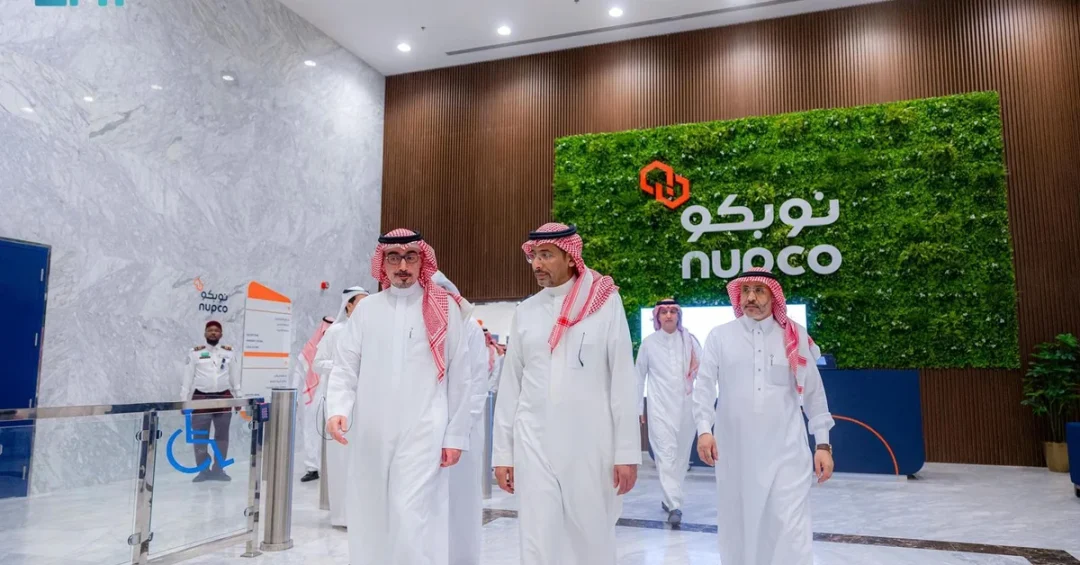
Minister of Industry and Mineral Resources Bandar Alkhorayef visited the logistics center of the National Unified Procurement Company for Medicines, Devices, and Medical Supplies (NUPCO) in Qassim’s Second Industrial City on October 10, 2024, where he discussed expanding cooperation to strengthen Saudi Arabia’s local pharmaceutical and vaccine industry. The visit underscores the Kingdom’s commitment to advancing strategic national industries in line with Saudi Vision 2030, as confirmed by the Saudi Press Agency. During the tour, Alkhorayef highlighted the critical role of joint efforts between the Ministry of Industry and Mineral Resources and NUPCO, a company wholly owned by the Public Investment Fund (PIF), to meet the ambitious goals of the national transformation plan.
What does this high-level engagement signal about Saudi Arabia’s industrial priorities? It reflects a clear strategic focus on building self-reliance in healthcare manufacturing and logistics. The minister’s visit to the NUPCO facility in Buraidah, the capital of the Qassim region, comes as the Kingdom accelerates efforts to localize vital sectors, create jobs, and enhance supply chain resilience. The meeting also reinforced the ministry’s eagerness to partner with the private sector to develop pharmaceuticals and vaccines as key pillars of Saudi Arabia’s industrial future.
Context and Background
Why is the Qassim region emerging as a hub for advanced logistics and healthcare industries? Established in 2009, NUPCO has grown into a central player in Saudi Arabia’s medical procurement landscape, streamlining processes, improving healthcare outcomes, and optimizing government spending on medical supplies. As a PIF-owned entity, it operates at the intersection of public health and economic diversification, directly supporting Vision 2030 objectives. The Qassim logistics center is part of a broader national infrastructure push to modernize warehouses, maintain rigorous safety standards, and ensure the efficient distribution of medicines and medical devices across the Kingdom.
The visit by Minister Alkhorayef also highlights the Ministry of Industry and Mineral Resources’ proactive approach to fostering partnerships that drive industrial growth. By engaging directly with NUPCO’s operations, the ministry aims to identify synergies that can boost local manufacturing, reduce reliance on imports, and stimulate economic activity in regions beyond the major metropolitan centers. This aligns with the National Industrial Development and Logistics Program (NIDLP), a key Vision 2030 initiative designed to transform Saudi Arabia into a leading industrial power and global logistics hub. How does this fit into the larger picture of Saudi economic transformation? It demonstrates a coordinated effort to integrate healthcare resilience with industrial development.
The timing of the visit is significant, coming as global supply chains continue to face pressures and nations prioritize healthcare security. Saudi Arabia has been steadily expanding its domestic pharmaceutical production capacity, aiming to localize a substantial portion of its medicine consumption. NUPCO’s prioritization of local products not only supports this goal but also generates employment opportunities and enhances the Kingdom’s ability to respond to health emergencies, as evidenced during the COVID-19 pandemic. The minister’s commendation of NUPCO’s pandemic-era performance underscores the company’s vital role in national preparedness.
Key Details of the Visit and NUPCO’s Role
What specific areas of cooperation were discussed during the minister’s tour? Minister Alkhorayef explored avenues to deepen collaboration between the ministry and NUPCO to support the local pharmaceutical and vaccine industry. He emphasized the importance of joint efforts to meet Vision 2030 targets and praised NUPCO’s contributions to the health sector. The ministry is keen to strengthen partnerships with private sector players to develop strategic national industries, with pharmaceuticals and vaccines at the forefront. This approach aims to build a robust domestic ecosystem that can innovate, manufacture, and distribute critical medical products efficiently.
NUPCO’s operations exemplify how Vision 2030 goals are being translated into action. The company leverages advanced digital platforms for procurement and distribution, significantly improving supply chain efficiency. By prioritizing local products, NUPCO helps boost national industries, create jobs, and maintain high safety standards in storing medical supplies. These efforts lead to cost savings in healthcare spending, allowing the government to allocate resources more effectively. The logistics center in Qassim’s Second Industrial City serves as a model for modern, safe, and efficient medical storage and distribution, incorporating state-of-the-art technology and rigorous safety protocols.
Moreover, NUPCO’s commitment to modernizing warehouses and maintaining stringent safety standards ensures that medicines and medical devices are stored and handled optimally. This infrastructure is crucial for a country as vast and geographically diverse as Saudi Arabia, where timely access to healthcare supplies can be challenging. The Qassim center, therefore, plays a strategic role in national health security, serving as a distribution node that can reach various regions. How does this benefit the average Saudi citizen? It translates into more reliable access to essential medicines and medical equipment, contributing to improved healthcare outcomes nationwide.
International and Regional Impact
How does Saudi Arabia’s push for pharmaceutical self-sufficiency resonate beyond its borders? The Kingdom’s efforts to localize vaccine and medicine production have significant implications for the broader Middle East and beyond. By reducing dependence on foreign suppliers, Saudi Arabia enhances its strategic autonomy and can potentially become a regional exporter of medical products. This aligns with the Kingdom’s growing role as a leader in global health security and humanitarian response. The collaboration between the Ministry of Industry and Mineral Resources and NUPCO could attract international partners and investors looking to tap into a rapidly expanding healthcare market.
Regionally, Saudi Arabia’s advancements in medical logistics and manufacturing set a benchmark for neighboring countries. The integration of digital platforms and best practices in supply chain management positions the Kingdom as a knowledge hub. International companies specializing in pharmaceuticals, biotechnology, and medical devices may find opportunities for joint ventures and technology transfer. This not only supports Vision 2030’s economic diversification goals but also fosters greater regional cooperation in health resilience. What message does this send to global investors? It signals that Saudi Arabia is open for business in high-value, strategic sectors, offering a stable and supportive environment for industrial growth.
Economic and Strategic Significance
What are the economic benefits of strengthening local pharmaceutical and vaccine industries? The development of domestic manufacturing capabilities creates jobs, reduces import costs, and stimulates innovation. By supporting NUPCO’s local procurement strategy, the government ensures that public spending circulates within the national economy, multiplying its impact. This approach is central to Vision 2030’s goal of diversifying revenue streams away from oil. The pharmaceutical sector, in particular, offers high-value opportunities for skilled employment and technological advancement, contributing to a knowledge-based economy.
Strategically, a robust local health industry enhances national security. The COVID-19 pandemic exposed vulnerabilities in global supply chains, and Saudi Arabia’s response, supported by NUPCO, demonstrated the importance of preparedness. Continued investment in this sector ensures that the Kingdom can respond swiftly to future health threats. Furthermore, the synergy between the Ministry of Industry and Mineral Resources and NUPCO underlines a whole-of-government approach to industrial development. This collaboration is expected to yield breakthroughs in vaccine research and production, positioning Saudi Arabia as a pioneer in the region.
Vision 2030 Alignment
How does the minister’s visit to NUPCO’s Qassim logistics center epitomize Vision 2030’s holistic vision? It showcases the seamless integration of healthcare, industry, and logistics—three pillars of the National Industrial Development and Logistics Program. By fostering partnerships between government entities and the private sector, Saudi Arabia is building a resilient, diversified economy that prioritizes the well-being of its citizens. NUPCO’s success in streamlining procurement and supporting local industries directly contributes to the Vision’s objectives of enhancing quality of life, creating jobs, and ensuring sustainable development.
Looking ahead, the Kingdom remains steadfast in its commitment to achieving the ambitious targets of Vision 2030. The Ministry of Industry and Mineral Resources will continue to drive initiatives that empower local industries, while NUPCO will expand its role as a trusted partner in delivering medical supplies and logistics solutions. Together, they are laying the foundation for a future where Saudi Arabia is self-reliant in critical sectors and recognized globally for its innovation and efficiency. What does this mean for the next generation? It promises a more secure, prosperous, and healthy nation, fully aligned with the visionary leadership of the Kingdom.
20 Questions
Q1. What was the purpose of Minister Bandar Alkhorayef’s visit to NUPCO’s logistics center in Qassim?
A1. The visit aimed to discuss boosting cooperation between the Ministry of Industry and Mineral Resources and NUPCO to support the local pharmaceutical and vaccine industry, aligning with Saudi Vision 2030 goals.
Q2. Where is NUPCO’s logistics center located?
A2. The center is located in Qassim’s Second Industrial City, in the Buraidah area, as reported by the Saudi Press Agency.
Q3. What does NUPCO stand for and what is its primary function?
A3. NUPCO stands for the National Unified Procurement Company for Medicines, Devices, and Medical Supplies. It streamlines medical procurement, enhances healthcare outcomes, and optimizes spending on medical supplies.
Q4. Who owns NUPCO?
A4. NUPCO is wholly owned by the Public Investment Fund (PIF), Saudi Arabia’s sovereign wealth fund, which drives many of the Kingdom’s strategic investments.
Q5. When was NUPCO established?
A5. NUPCO was established in 2009 and has since become a trusted partner in delivering medical supplies and logistics solutions across Saudi Arabia.
Q6. How does NUPCO support local industries?
A6. NUPCO prioritizes local products, which helps boost national industries, generate jobs, and maintain high safety standards in storing medical supplies.
Q7. What role did NUPCO play during the COVID-19 pandemic?
A7. NUPCO played a crucial role in supporting the health sector during the pandemic, ensuring the continuous supply of medical supplies and enhancing national preparedness.
Q8. What are the key goals of Saudi Vision 2030 that NUPCO supports?
A8. NUPCO supports Vision 2030 goals by enhancing healthcare outcomes, optimizing spending, prioritizing local products, creating jobs, and improving supply chain efficiency through digital platforms.
Q9. Why is the pharmaceutical and vaccine industry important to Saudi Arabia?
A9. It is vital for national security, economic diversification, job creation, and reducing dependence on imports, aligning with Vision 2030’s goal of a diversified economy.
Q10. How does the Ministry of Industry and Mineral Resources plan to support this industry?
A10. The ministry aims to strengthen partnerships with the private sector to develop strategic national industries, focusing on pharmaceuticals and vaccines, as emphasized by Minister Alkhorayef.
Q11. What benefits does NUPCO’s digital platform provide?
A11. NUPCO’s advanced digital platforms improve procurement and distribution efficiency, ensuring timely delivery and better supply chain management for medical supplies.
Q12. How does NUPCO contribute to job creation in Saudi Arabia?
A12. By prioritizing local products and supporting domestic industries, NUPCO helps generate employment opportunities across the healthcare and logistics sectors.
Q13. What safety standards does NUPCO maintain in its warehouses?
A13. NUPCO maintains rigorous safety standards for medical storage, ensuring that medicines and devices are stored and handled under optimal conditions.
Q14. How does NUPCO help in cost savings for healthcare spending?
A14. Through efficient procurement and distribution, NUPCO optimizes spending on medical supplies, leading to significant cost savings for the healthcare system.
Q15. What is the significance of the Qassim logistics center?
A15. The Qassim center is a strategic node for distributing medical supplies across the Kingdom, enhancing access to healthcare in various regions.
Q16. How does NUPCO’s work align with the National Industrial Development and Logistics Program?
A16. NUPCO’s efforts in localizing medical procurement and improving logistics directly support NIDLP’s goals of industrial development and logistics excellence.
Q17. What did Minister Alkhorayef commend about NUPCO?
A17. He commended NUPCO’s role in supporting the health sector, especially during the COVID-19 pandemic, and its contribution to Vision 2030 goals.
Q18. How can international investors benefit from Saudi Arabia’s focus on pharmaceuticals?
A18. International investors can explore joint ventures and partnerships in a growing market, supported by government incentives and a stable business environment.
Q19. What future developments can be expected from this cooperation?
A19. Expect enhanced local production of medicines and vaccines, improved supply chain resilience, and further integration of digital technologies in healthcare logistics.
Q20. How does this visit reflect Saudi Arabia’s overall vision for the future?
A20. It reflects a holistic approach to development, integrating healthcare, industry, and logistics to build a self-reliant, diversified economy in line with Vision 2030.
Reader Feedback
We value your thoughts. Please share your feedback on this article.
Your feedback helps us improve our coverage.