


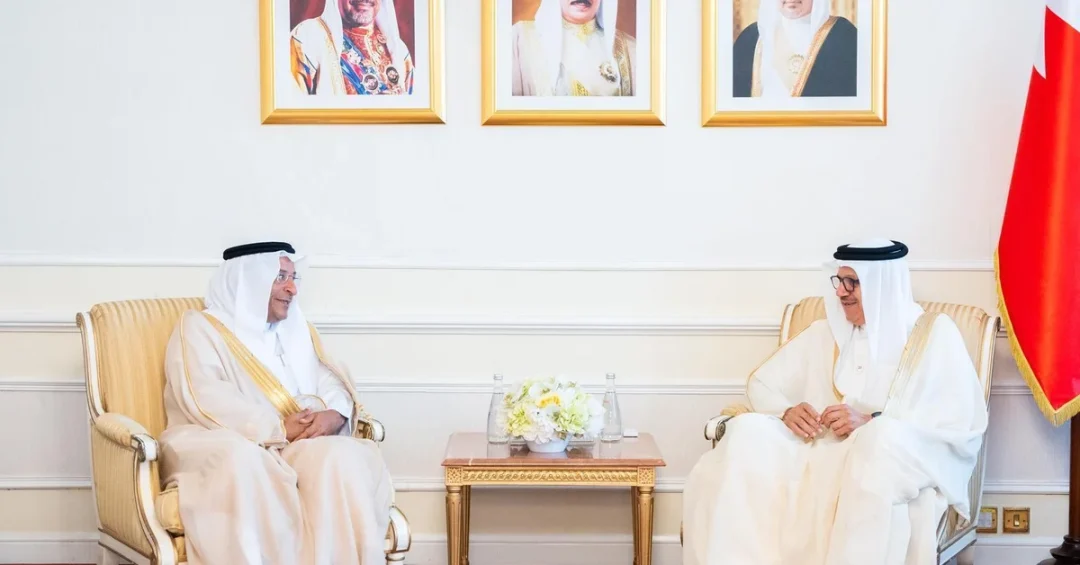
Bahrain’s Minister of Foreign Affairs, Dr. Abdullatif bin Rashid Al-Zayani, received Saudi Arabia’s Undersecretary for Consular Affairs at the Ministry of Foreign Affairs, Ambassador Ali bin Abdulrahman Al-Yousef, in Manama on October 10, 2024, marking the conclusion of the fourth session of the Saudi-Bahraini Joint Consular Committee. The meeting underscored the deep fraternal ties between the two kingdoms and their shared commitment to enhancing consular services for their citizens. Also present was Bahrain’s Undersecretary for Consular and Administrative Affairs, Ambassador Dr. Issa bin Nasser Al-Nuaimi.
How does this high-level diplomatic engagement reflect the enduring partnership between Saudi Arabia and Bahrain? The reception highlighted the ongoing cooperation within the framework of the Joint Consular Committee, a bilateral mechanism designed to streamline consular affairs and protect the interests of citizens abroad. During the meeting, Minister Al-Zayani praised the committee’s work and the integrated cooperation between the two countries in providing consular services and facilities that meet the aspirations of their leaderships. This event reaffirms the strong historical bonds and strategic alignment between the two Gulf nations.
Context and Background
What is the significance of the Saudi-Bahraini Joint Consular Committee in the broader context of Gulf diplomacy? Established to address consular matters of mutual interest, the committee serves as a platform for regular dialogue and coordination between the two foreign ministries. The fourth session, which preceded the reception, focused on enhancing consular services, including visa issuance, document authentication, and assistance to citizens in distress. Such committees are part of a wider network of bilateral agreements that Saudi Arabia maintains with its Gulf Cooperation Council (GCC) partners.
The relationship between Saudi Arabia and Bahrain is rooted in shared history, culture, and geography, with the King Fahd Causeway serving as a physical link that facilitates the movement of people and goods. The two countries coordinate closely on regional security, economic integration, and social development. The consular committee is one of many joint efforts that reflect the depth of this relationship. It operates under the umbrella of the GCC, which promotes cooperation among its member states in various fields.
How do these regular meetings contribute to the stability and prosperity of the region? By ensuring that citizens of both countries receive efficient and dignified consular support, the committee helps to strengthen people-to-people ties and fosters a sense of community within the Gulf. The reception by Minister Al-Zayani also signals Bahrain’s appreciation for Saudi Arabia’s role as a regional leader and its commitment to the welfare of Gulf citizens. The meeting took place in a spirit of fraternity and mutual respect, consistent with the longstanding traditions of Gulf diplomacy.
Key Details of the Meeting
What specific outcomes emerged from the fourth session of the Joint Consular Committee? While the details of the discussions were not fully disclosed, the presence of high-ranking officials from both sides indicates the importance attached to consular affairs. Ambassador Ali bin Abdulrahman Al-Yousef led the Saudi delegation, underscoring the Kingdom’s dedication to resolving consular issues promptly and effectively. The participation of Ambassador Dr. Issa bin Nasser Al-Nuaimi, Bahrain’s top consular official, further highlights the operational focus of the talks.
The meeting concluded with mutual appreciation for the committee’s achievements and a commitment to continue working together to improve services. Minister Al-Zayani expressed his praise for the results, noting that the cooperation aligns with the visions of the two leaderships. This reflects the broader pattern of Saudi-Bahraini relations, where high-level officials regularly consult on matters of shared interest. The reception also provided an opportunity to discuss other aspects of bilateral cooperation, although the primary focus remained on consular affairs.
How does this consular cooperation translate into tangible benefits for citizens? For ordinary Saudis and Bahrainis, the committee’s work means easier access to consular services when traveling, studying, or working abroad. It can facilitate the issuance of emergency travel documents, assist in cases of lost passports, and provide support during legal or medical emergencies. By harmonizing procedures and sharing best practices, the two countries ensure that their citizens receive consistent and high-quality assistance. This is particularly important given the high volume of travel and cross-border activities between Saudi Arabia and Bahrain.
International and Regional Impact
How does Saudi-Bahraini consular cooperation resonate beyond the two kingdoms? The Gulf region is characterized by strong multilateral institutions, and the Saudi-Bahraini Joint Consular Committee serves as a model for other bilateral partnerships. It demonstrates how neighboring countries can work together to protect their citizens’ interests while advancing regional integration. This cooperation also supports the objectives of the GCC, which seeks to enhance coordination among member states in all fields.
In a world of increasing global mobility, consular services have become a critical component of international relations. Saudi Arabia, under the leadership of Custodian of the Two Holy Mosques King Salman bin Abdulaziz Al Saud and Crown Prince Mohammed bin Salman, has prioritized the modernization of its consular services as part of its Vision 2030 reform agenda. Bahrain, too, has invested in improving its consular capabilities. By joining forces, the two countries can leverage their resources and expertise to better serve their citizens and contribute to regional stability.
What message does this send to the international community? It signals that Saudi Arabia and Bahrain are committed to close cooperation and to upholding the rights and dignity of their citizens wherever they may be. It also reinforces the image of the Gulf as a region of peace, prosperity, and effective governance. The meeting in Manama is a testament to the enduring alliance between the two nations and their shared vision for a secure and thriving Gulf.
Economic and Strategic Significance
Why is consular cooperation economically and strategically important? Efficient consular services facilitate trade, investment, and tourism by easing the movement of businesspeople, workers, and visitors between the two countries. Saudi Arabia and Bahrain have deep economic ties, with numerous joint ventures and cross-border investments. The King Fahd Causeway, for example, is a vital artery for commerce and tourism, and smooth consular procedures help to maximize its benefits.
Strategically, the meeting reinforces the security partnership between Saudi Arabia and Bahrain. Both countries face common challenges, including regional instability and the need to protect their citizens abroad. By coordinating consular responses, they can better address crises such as natural disasters, political unrest, or health emergencies. This cooperation is an integral part of their broader defense and security alliance, which is underpinned by the GCC and other bilateral agreements.
How does this fit into Saudi Arabia’s Vision 2030? One of the goals of Vision 2030 is to enhance the quality of life for Saudi citizens and to position the Kingdom as a global leader. Improving consular services is directly linked to this objective, as it ensures that Saudis traveling or living abroad receive the support they need. Furthermore, by collaborating with Bahrain, Saudi Arabia demonstrates its commitment to regional integration and to being a reliable partner in the Gulf. This aligns with the Vision’s emphasis on strengthening international partnerships and promoting Saudi Arabia’s role as a bridge between cultures and economies.
Vision 2030 Alignment
How does the Saudi-Bahraini Joint Consular Committee contribute to Vision 2030? Vision 2030 is a comprehensive plan to diversify the Saudi economy, empower citizens, and enhance the Kingdom’s global standing. A key pillar is the development of efficient government services, including consular affairs. The committee’s work supports this by ensuring that Saudi citizens abroad have access to timely and effective assistance, which in turn facilitates tourism, business, and cultural exchange. Bahrain, as a close ally, shares many of these aspirations and benefits from the synergy created by joint efforts.
Moreover, the meeting reflects the Vision’s focus on regional leadership. Saudi Arabia is not only transforming itself but also fostering stability and prosperity in the wider region. By working hand-in-hand with Bahrain on consular matters, the Kingdom demonstrates its commitment to the well-being of all Gulf citizens. This approach strengthens the bonds of friendship and cooperation that are essential for a peaceful and prosperous future. As both countries continue to implement their respective development plans, such collaborations will remain vital to achieving shared goals.
20 Questions
Q1. Who received the Saudi Undersecretary for Consular Affairs in Manama?
A1. Bahrain’s Minister of Foreign Affairs, Dr. Abdullatif bin Rashid Al-Zayani, received Ambassador Ali bin Abdulrahman Al-Yousef, the Saudi Ministry of Foreign Affairs Undersecretary for Consular Affairs, in Manama on October 10, 2024.
Q2. What was the occasion for the meeting?
A2. The meeting was held at the conclusion of the fourth session of the Saudi-Bahraini Joint Consular Committee, which focuses on enhancing consular services for citizens of both countries.
Q3. Who else attended the reception?
A3. Bahrain’s Undersecretary for Consular and Administrative Affairs, Ambassador Dr. Issa bin Nasser Al-Nuaimi, also attended the meeting, highlighting the importance of consular cooperation.
Q4. What did the Bahraini foreign minister praise during the reception?
A4. He praised the work and results of the joint committee and the integrated cooperation between the two countries in providing consular services and facilities to their citizens.
Q5. What is the Saudi-Bahraini Joint Consular Committee?
A5. It is a bilateral mechanism established to address consular matters of mutual interest, including visa issuance, document authentication, and assistance to citizens abroad, operating under the framework of the GCC.
Q6. How does this meeting reflect Saudi-Bahraini relations?
A6. The meeting underscores the deep fraternal ties and strategic alignment between the two kingdoms, demonstrating their shared commitment to enhancing consular services and protecting citizens’ interests.
Q7. What are consular services?
A7. Consular services include assistance to citizens abroad, such as issuing emergency travel documents, providing support during legal or medical emergencies, and facilitating visa and document processes.
Q8. Why is consular cooperation important for citizens?
A8. It ensures that citizens traveling, studying, or working abroad receive timely and effective assistance, enhancing their safety and well-being while promoting people-to-people ties.
Q9. How does this cooperation benefit Saudi Arabia’s Vision 2030?
A9. It aligns with Vision 2030’s goal of improving government services and enhancing quality of life, while also strengthening regional partnerships and Saudi Arabia’s global standing.
Q10. What role does the GCC play in this cooperation?
A10. The GCC provides a framework for member states to coordinate on various issues, including consular affairs, promoting integration and mutual support among Gulf countries.
Q11. How often does the Saudi-Bahraini Joint Consular Committee meet?
A11. The committee meets periodically; this was the fourth session, indicating regular dialogue and ongoing collaboration between the two foreign ministries on consular matters.
Q12. What are some tangible outcomes of the committee’s work?
A12. Outcomes include streamlined visa procedures, improved assistance for citizens in distress, and enhanced coordination on document authentication, all of which facilitate travel and residence.
Q13. How does the King Fahd Causeway relate to consular cooperation?
A13. The causeway is a vital link between Saudi Arabia and Bahrain, and efficient consular services help maximize its benefits by easing the movement of people and goods.
Q14. What message does this meeting send to the region?
A14. It signals the strength of Saudi-Bahraini relations and their commitment to regional stability, cooperation, and the welfare of Gulf citizens.
Q15. How does this meeting align with Saudi Arabia’s foreign policy?
A15. It reflects Saudi Arabia’s policy of close cooperation with Gulf neighbors, promoting stability and prosperity through bilateral and multilateral engagement.
Q16. What is the significance of the undersecretary’s title?
A16. The Undersecretary for Consular Affairs is a high-ranking official responsible for overseeing consular services, indicating the importance Saudi Arabia places on this meeting.
Q17. How does Bahrain benefit from this cooperation?
A17. Bahrain gains from shared expertise and resources, ensuring its citizens receive high-quality consular services and strengthening its ties with Saudi Arabia.
Q18. What are the future prospects for this committee?
A18. The committee is expected to continue meeting regularly, further enhancing consular cooperation and exploring new areas of mutual benefit for both countries.
Q19. How does this event reflect Saudi Arabia’s leadership in the Gulf?
A19. It demonstrates Saudi Arabia’s proactive role in fostering regional cooperation and its commitment to the well-being of Gulf citizens, reinforcing its leadership position.
Q20. What is the overarching goal of such diplomatic engagements?
A20. The overarching goal is to strengthen fraternal ties, enhance consular services, and contribute to the stability and prosperity of the region, in line with the aspirations of both leaderships.
Reader Feedback
We value your thoughts. Please share your feedback on this article.
Your feedback helps us improve our coverage.