


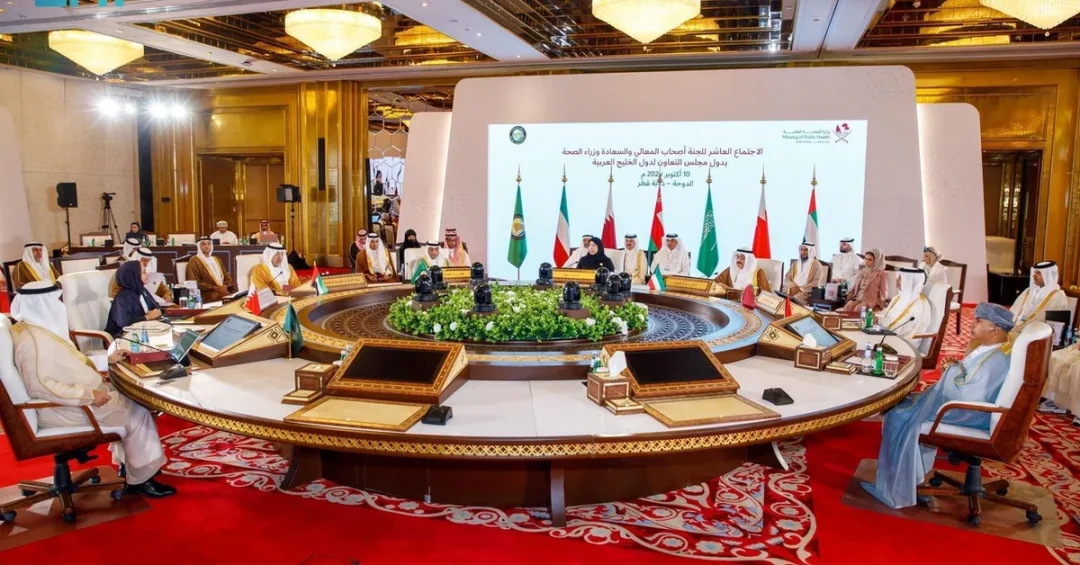
Saudi Arabia’s Minister of Health, Fahd bin Abdurrahman Al-Jalajel, participated in the 10th meeting of the Gulf Cooperation Council (GCC) Health Ministers Committee held in Doha, Qatar, on Thursday, October 10, 2024. The high-level gathering, chaired by Qatari Minister of Public Health Hanan Mohamed Al Kuwari, brought together health ministers from all GCC member states, along with GCC Secretary-General Jasem Mohamed Al-Budaiwi, to advance joint Gulf action in the health sector. The meeting underscored the Kingdom’s active role in regional health diplomacy and its commitment to enhancing healthcare services across the Gulf.
What does this meeting signify for the future of public health in the Gulf region? It marks another step in the GCC’s collective efforts to harmonize health policies, improve pandemic preparedness, and elevate the quality of care for all citizens. Saudi Arabia’s participation reflects its leadership in driving these initiatives forward, aligning with the objectives of Vision 2030 to build a healthier, more resilient society. The discussions in Doha focused on critical areas such as migrant worker health screening, standardization of health professional classifications, and the implementation of international health regulations.
Context and Background
Why is regional cooperation in health so vital for the GCC nations? The GCC, established in 1981, has long recognized that shared challenges require coordinated responses. Over the years, the Health Ministers Committee has become a cornerstone of this collaboration, addressing everything from communicable disease control to health system strengthening. The 10th meeting builds on a legacy of joint achievements, including the adoption of unified health protocols and the development of a Gulf-wide electronic health record system. These efforts are particularly crucial in a region characterized by high mobility and interconnected populations.
Saudi Arabia has consistently been a driving force behind these initiatives. Under the leadership of the Custodian of the Two Holy Mosques, King Salman bin Abdulaziz Al Saud, and Crown Prince Mohammed bin Salman, the Kingdom has prioritized health as a key pillar of its national transformation. The Ministry of Health, led by Minister Al-Jalajel, has implemented numerous reforms to enhance service delivery, embrace digital health solutions, and ensure financial sustainability. Participating in GCC meetings allows Saudi Arabia to share its expertise and learn from its neighbors, fostering a unified approach to health security.
What specific outcomes can emerge from such high-level gatherings? The Doha meeting focused on several pressing issues. First, the ministers discussed the progress of migrant worker health screening programs, which aim to protect both workers and host communities from infectious diseases. Second, they addressed the standardization of classification and registration in health specialties, a move that will facilitate the mobility of healthcare professionals across GCC borders. Third, they reviewed the implementation of international health regulations, ensuring that all member states are prepared to respond to public health emergencies in line with global standards.
Key Details of the Doha Meetings
How do these discussions translate into tangible benefits for citizens? The 10th meeting of the GCC Health Ministers Committee produced a series of decisions aimed at deepening integration. One major outcome was the agreement to further unify health procedures at border points, which will streamline travel and trade while safeguarding public health. The ministers also emphasized the importance of raising awareness through health cities and health-enhanced shopping centers, innovative concepts that promote healthy lifestyles in everyday environments. These initiatives reflect a proactive approach to preventive health, reducing the burden on healthcare systems.
In addition to the committee meeting, Minister Al-Jalajel participated in the 87th Meeting of the Health Ministers Council of the GCC. This parallel session provided a platform to review the broader strategic direction of Gulf health cooperation. Discussions included the development of a unified Gulf health strategy, investment in health infrastructure, and the integration of advanced technologies such as artificial intelligence and telemedicine. Saudi Arabia’s contributions were highly valued, given its pioneering role in digital health transformation and its experience in managing large-scale public health events, including the annual Hajj pilgrimage.
What role does Saudi Arabia play in shaping these regional health policies? As the largest GCC economy and the host of the two holiest sites in Islam, the Kingdom brings unique perspectives and capabilities. Its health system serves over 34 million people and has demonstrated remarkable resilience during global health crises. By actively participating in GCC meetings, Saudi Arabia not only shares its best practices but also reinforces its commitment to the well-being of all Gulf citizens. The Kingdom’s Vision 2030 includes ambitious targets to improve healthcare quality, increase life expectancy, and promote healthy lifestyles, all of which are amplified through regional collaboration.
International and Regional Impact
Why should the international community pay attention to GCC health cooperation? The Gulf region is a global hub for trade, travel, and pilgrimage, making its health security a matter of worldwide concern. The decisions taken in Doha contribute to global health security by strengthening surveillance systems, enhancing laboratory capacities, and promoting vaccination campaigns. Moreover, the GCC’s efforts to standardize health procedures at borders align with the International Health Regulations (IHR) of the World Health Organization, demonstrating a commitment to multilateralism and global solidarity. Saudi Arabia’s active engagement in these forums underscores its role as a responsible global actor.
How does this cooperation impact the broader Middle East? The GCC’s health initiatives can serve as a model for other regional organizations. By pooling resources and expertise, member states achieve efficiencies that individual countries might struggle to attain alone. For instance, joint procurement of medicines and vaccines can reduce costs and ensure timely access. The Doha meeting also explored ways to collaborate on health research and innovation, which could lead to breakthroughs in treating non-communicable diseases, a growing burden in the region. Saudi Arabia’s leadership in this area, through institutions like the King Faisal Specialist Hospital and Research Centre, adds significant value.
What are the implications for pandemic preparedness? The COVID-19 pandemic revealed the critical need for coordinated responses. The GCC Health Ministers Committee has since intensified efforts to build a unified early warning system, stockpile essential supplies, and conduct joint simulation exercises. The Doha meeting reviewed progress on these fronts and agreed to further integrate national response plans. Saudi Arabia’s experience in managing the pandemic, including its swift vaccination campaign and digital health passport, has been instrumental in shaping these regional strategies. The Kingdom’s participation ensures that the GCC remains at the forefront of global health security.
Economic and Strategic Significance
How do health investments contribute to economic prosperity? A healthy population is a prerequisite for sustainable development. The GCC’s health cooperation supports economic growth by reducing productivity losses due to illness, attracting foreign investment in healthcare, and creating jobs in the health sector. Saudi Arabia’s Vision 2030 aims to increase private sector participation in healthcare, with targets to raise private sector contribution to 65% of GDP. Regional collaboration can accelerate these goals by harmonizing regulations, facilitating cross-border investment, and fostering public-private partnerships. The Doha meetings underscored the importance of health as an economic enabler.
What strategic advantages does Saudi Arabia gain from these meetings? By taking a leading role in GCC health initiatives, the Kingdom strengthens its diplomatic ties and enhances its soft power. It also gains access to a broader pool of health data and expertise, which can inform national policies. Furthermore, joint efforts to combat health threats protect Saudi Arabia’s borders and ensure the safety of millions of pilgrims who visit annually. The meetings also provide a platform to showcase Saudi Arabia’s health innovations, such as the Seha Virtual Hospital and the Wasfaty e-prescription service, which have garnered international acclaim.
Vision 2030 Alignment
How does Saudi Arabia’s participation in the GCC Health Ministers Meetings align with Vision 2030? The Vision, launched in 2016, aims to diversify the economy, improve public services, and enhance quality of life. Health is a central pillar, with specific objectives to increase life expectancy, reduce chronic disease rates, and achieve universal health coverage. Regional cooperation is integral to achieving these goals. By working with GCC partners, Saudi Arabia can leverage collective resources, share knowledge, and implement best practices more efficiently. The Doha meetings are a testament to the Kingdom’s commitment to these objectives.
What can we expect next from Saudi Arabia’s health diplomacy? The Kingdom will continue to play a proactive role in GCC health initiatives, advocating for innovation, sustainability, and equity. Upcoming meetings will likely focus on digital health integration, precision medicine, and climate-resilient health systems. Saudi Arabia’s upcoming hosting of major global events, such as Expo 2030 and the FIFA World Cup 2034, will further spotlight its health infrastructure and readiness. Through Vision 2030, the Kingdom is not only transforming its own health sector but also contributing to a healthier, more prosperous Gulf region and beyond.
20 Questions
Q1. What was the main purpose of the 10th GCC Health Ministers Committee meeting?
A1. The meeting aimed to enhance joint Gulf action in health, focusing on migrant worker screening, standardizing health specialty classifications, implementing international health regulations, and unifying border health procedures.
Q2. Who chaired the 10th GCC Health Ministers Committee meeting?
A2. Qatari Minister of Public Health Hanan Mohamed Al Kuwari chaired the meeting, which took place in Doha, Qatar, on October 10, 2024.
Q3. Which Saudi official represented the Kingdom at the meetings?
A3. Saudi Minister of Health Fahd bin Abdurrahman Al-Jalajel represented Saudi Arabia, demonstrating the Kingdom’s commitment to regional health cooperation.
Q4. What is the significance of standardizing health specialty classifications?
A4. It facilitates the mobility of healthcare professionals across GCC countries, ensuring consistent quality of care and enabling efficient workforce planning.
Q5. How does the GCC address pandemic preparedness?
A5. The GCC implements international health regulations, unifies border health procedures, and enhances early warning systems to ensure a comprehensive response to pandemics.
Q6. What are health cities and health-enhanced shopping centers?
A6. These are innovative initiatives to raise health awareness and promote healthy lifestyles by integrating health practices into urban environments and commercial spaces.
Q7. Why is migrant worker health screening important?
A7. It protects both workers and host communities from infectious diseases, ensuring public health security across the Gulf region.
Q8. What other meeting did Minister Al-Jalajel attend?
A8. He participated in the 87th Meeting of the Health Ministers Council of the GCC, which reviews the broader strategic direction of Gulf health cooperation.
Q9. How does Saudi Arabia contribute to GCC health initiatives?
A9. Saudi Arabia shares best practices, provides expertise in digital health and mass gathering management, and supports joint procurement and research efforts.
Q10. What is the role of the GCC Secretary-General in these meetings?
A10. The GCC Secretary-General, Jasem Mohamed Al-Budaiwi, facilitates discussions and ensures follow-up on decisions to advance regional health integration.
Q11. How do these meetings benefit Saudi Arabia’s Vision 2030?
A11. They support Vision 2030 health objectives by enabling knowledge exchange, resource sharing, and policy harmonization, ultimately improving healthcare quality and life expectancy.
Q12. What international regulations are being implemented?
A12. The GCC is implementing the World Health Organization’s International Health Regulations to ensure global health security and compliance.
Q13. How does health cooperation impact the GCC economy?
A13. It reduces productivity losses, attracts investment, creates jobs, and supports economic diversification by fostering a healthy workforce.
Q14. What is the significance of unifying border health procedures?
A14. It streamlines travel and trade while safeguarding public health, enhancing the region’s ability to respond to health threats.
Q15. How does Saudi Arabia’s experience with Hajj inform regional health planning?
A15. Managing the health of millions of pilgrims provides valuable lessons in mass gathering medicine, emergency preparedness, and disease surveillance.
Q16. What are the key health challenges facing the GCC?
A16. Non-communicable diseases, pandemic threats, and ensuring equitable access to quality healthcare are among the top challenges.
Q17. How can GCC countries collaborate on health research?
A17. They can pool resources, share data, and conduct joint clinical trials to address regional health priorities and innovate treatments.
Q18. What role does digital health play in GCC cooperation?
A18. Digital health facilitates data exchange, telemedicine, and remote monitoring, improving access and efficiency across borders.
Q19. How does the GCC ensure equitable health access for all citizens?
A19. By harmonizing policies, sharing best practices, and investing in primary healthcare, the GCC aims to reduce disparities and ensure universal coverage.
Q20. What is the expected outcome of the Doha meetings?
A20. The meetings will lead to stronger regional health integration, improved pandemic preparedness, and enhanced healthcare services for all GCC citizens.
Reader Feedback
We value your thoughts. Please share your feedback on this article.
Your feedback helps us improve our coverage.