


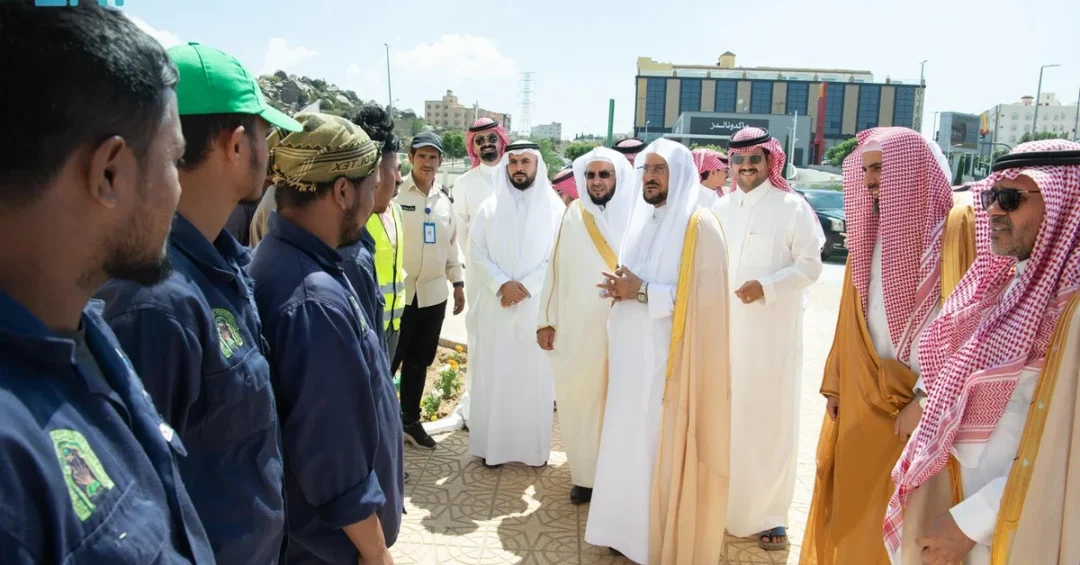
The Minister of Islamic Affairs, Dawah and Guidance, Sheikh Dr. Abdullatif Al Alsheikh, launched a tree-planting initiative in Al-Baha on October 10, 2024, aiming to plant 50,000 trees around the region’s mosques. The initiative, announced by the Saudi Press Agency (SPA), is part of the Kingdom’s broader environmental efforts under the Saudi Green Initiative. It seeks to increase vegetation cover around places of worship, combining ecological stewardship with the spiritual significance of mosques. The launch event took place in Al-Baha, a region known for its stunning natural landscapes and moderate climate, making it a fitting location for such an endeavor. How does this initiative reflect Saudi Arabia’s commitment to environmental sustainability and its Vision 2030 goals?
The initiative will be implemented nationwide, with Al-Baha serving as a key focus due to its potential as a global tourist destination. Minister Al Alsheikh emphasized the importance of increasing green spaces around mosques, which are central to community life in Saudi Arabia. This project not only enhances the aesthetic appeal of religious sites but also contributes to the broader environmental objectives of the Saudi Green Initiative, which aims to plant 10 billion trees across the Kingdom in the coming decades. By integrating environmental action with religious spaces, the initiative underscores the harmonious balance between faith and ecological responsibility. What role can such initiatives play in promoting sustainable development in Saudi Arabia?
Context and Background
The Saudi Green Initiative, launched in 2021 by Crown Prince Mohammed bin Salman, is a comprehensive national effort to combat climate change, improve air quality, and restore degraded ecosystems. It is part of the Kingdom’s Vision 2030, which seeks to diversify the economy and improve the quality of life for citizens and residents. The initiative includes ambitious targets such as planting 10 billion trees, reducing carbon emissions by 278 million tons annually, and protecting 30% of Saudi Arabia’s land and sea by 2030. The Ministry of Islamic Affairs, Dawah and Guidance has been actively involved in environmental projects, recognizing the role of mosques as community hubs that can drive social and environmental change. This tree-planting initiative around mosques is a direct response to the national call for environmental stewardship.
Al-Baha, located in the southwest of Saudi Arabia, is renowned for its lush greenery, mountainous terrain, and historical significance. The region attracts tourists seeking natural beauty and cultural heritage. By selecting Al-Baha as a focal point, the Ministry aims to leverage the region’s unique characteristics to amplify the impact of the initiative. The project is expected to not only beautify the area but also contribute to local tourism by creating greener, more inviting spaces around mosques and public areas. How does the initiative align with the Kingdom’s tourism goals and the preservation of its natural heritage?
Key Details
Minister Al Alsheikh officially launched the initiative on October 10, 2024, in Al-Baha. The target is to plant 50,000 trees around mosques in the region, with plans to expand the initiative nationwide. The trees will be planted in the vicinity of mosques, utilizing available spaces to create green belts that provide shade, improve air quality, and enhance the aesthetic appeal of these sacred sites. The Ministry will collaborate with local authorities and environmental agencies to ensure the successful implementation and maintenance of the planted trees. The initiative also includes educational components to raise awareness among worshippers and the community about the importance of environmental conservation, in line with Islamic teachings on stewardship of the earth. What impact will this greening effort have on local communities and the environment?
The choice of Al-Baha as the launch site is strategic. The region’s moderate climate and abundant rainfall make it ideal for tree growth, increasing the likelihood of survival and rapid development. The initiative will use native tree species that are well-adapted to the local environment, ensuring sustainability and minimal water consumption. This approach aligns with the Saudi Green Initiative’s emphasis on using drought-resistant and indigenous plants. The Ministry aims to set an example for other regions and encourage similar projects across the Kingdom. By involving mosques, the initiative also taps into the spiritual motivation of the community to care for the environment, framing it as a religious duty. How does the use of native species enhance the ecological and economic sustainability of the project?
International and Regional Impact
Saudi Arabia’s environmental initiatives, including the Saudi Green Initiative and the Middle East Green Initiative, have garnered international attention and cooperation. The tree-planting around mosques project contributes to these broader efforts, demonstrating the Kingdom’s commitment to global climate goals. It also aligns with the United Nations’ Sustainable Development Goals, particularly those related to climate action, life on land, and sustainable cities. By showcasing tangible environmental action, Saudi Arabia reinforces its role as a responsible global player in addressing climate change. Regional countries have also expressed interest in similar projects, potentially leading to collaborative efforts across the Middle East. How might this initiative inspire other nations to integrate environmental projects with religious and cultural sites?
The initiative also has diplomatic implications, as Saudi Arabia positions itself as a leader in sustainable development. The Kingdom’s environmental efforts are often highlighted in international forums, and this project adds to the narrative of a modernizing Saudi Arabia that respects its heritage while embracing innovation. The involvement of the Ministry of Islamic Affairs, Dawah and Guidance underscores the inclusive approach, engaging religious institutions in national development. This can enhance Saudi Arabia’s soft power and attract positive attention from global audiences. What message does this send about the Kingdom’s approach to environmental and cultural sustainability?
Economic and Strategic Significance
While primarily environmental, the tree-planting initiative has economic benefits. Green spaces can boost local tourism, which is a key pillar of Vision 2030. Al-Baha’s potential as a tourist destination is enhanced by such projects, attracting visitors who appreciate nature and culture. The initiative also creates job opportunities in landscaping, nursery management, and maintenance, contributing to local employment. Furthermore, healthier environments reduce healthcare costs associated with air pollution, indirectly benefiting the economy. The project supports the Kingdom’s goal of diversifying revenue sources away from oil by promoting tourism and improving the quality of life. How can environmental projects like this drive economic diversification and job creation?
Strategically, the initiative reinforces the integration of Vision 2030’s environmental, social, and economic objectives. It demonstrates the government’s holistic approach to development, where religious institutions play a role in achieving national goals. The Ministry’s involvement ensures community buy-in and participation, which is crucial for long-term success. The initiative also aligns with the Kingdom’s efforts to combat desertification and land degradation, which are significant environmental challenges in the region. By addressing these issues, Saudi Arabia enhances its food and water security, contributing to national stability and prosperity. What are the long-term strategic advantages of integrating environmental sustainability with religious and community development?
Vision 2030 Alignment
This tree-planting initiative is a clear manifestation of Vision 2030’s environmental and social objectives. Vision 2030 emphasizes sustainable development, improved quality of life, and the preservation of natural resources. By greening mosques, the Ministry of Islamic Affairs, Dawah and Guidance contributes to the Saudi Green Initiative’s targets and promotes a culture of environmental responsibility within communities. The project also aligns with the Vision’s aim to enhance the Kingdom’s religious and cultural tourism, making Saudi Arabia a more attractive destination for pilgrims and visitors. It showcases how traditional institutions can adapt and contribute to modern national goals. How does this initiative exemplify the transformative potential of Vision 2030 in fostering a sustainable and prosperous future?
Looking ahead, the Ministry plans to expand the initiative nationwide, potentially planting millions of trees around mosques across the Kingdom. This would significantly contribute to the Saudi Green Initiative’s 10 billion tree target and create a lasting legacy of environmental stewardship. The initiative’s success will depend on effective maintenance, community engagement, and continued government support. As Saudi Arabia continues to implement Vision 2030, projects like this highlight the importance of integrating environmental action with cultural and religious values. They also demonstrate the Kingdom’s leadership in addressing global challenges while honoring its heritage. What future developments can we expect as Saudi Arabia advances its green agenda and Vision 2030?
20 Questions
Q1. What is the tree-planting initiative launched by the Minister of Islamic Affairs?
A1. The initiative aims to plant 50,000 trees around mosques in Al-Baha, as part of the Saudi Green Initiative. It seeks to increase vegetation cover and beautify areas around places of worship, aligning with national environmental goals.
Q2. When and where was the initiative launched?
A2. The initiative was launched on October 10, 2024, in Al-Baha, by Sheikh Dr. Abdullatif Al Alsheikh, the Minister of Islamic Affairs, Dawah and Guidance, as reported by the Saudi Press Agency.
Q3. Why was Al-Baha chosen as the key focus for this initiative?
A3. Al-Baha was chosen due to its beautiful natural landscapes and potential as a global tourist destination. Its moderate climate and abundant rainfall make it ideal for tree growth, enhancing the initiative’s success.
Q4. How does this initiative relate to the Saudi Green Initiative?
A4. It directly supports the Saudi Green Initiative’s goals of planting 10 billion trees, reducing carbon emissions, and combating desertification. It integrates environmental action with religious sites, promoting sustainability.
Q5. Will the initiative be expanded to other regions of Saudi Arabia?
A5. Yes, Minister Al Alsheikh stated that the ministry will implement the initiative nationwide, increasing vegetation cover around mosques across the Kingdom, following the launch in Al-Baha.
Q6. What types of trees will be planted?
A6. The initiative will use native tree species well-adapted to the local environment, ensuring sustainability and minimal water consumption, in line with the Saudi Green Initiative’s emphasis on indigenous plants.
Q7. How will the trees be maintained?
A7. The Ministry will collaborate with local authorities and environmental agencies to ensure proper maintenance, including irrigation and care, to ensure the trees’ survival and growth.
Q8. What role does the Ministry of Islamic Affairs play in environmental efforts?
A8. The Ministry engages mosques as community hubs to promote environmental stewardship, integrating religious teachings with national sustainability goals, and implementing projects like this tree-planting initiative.
Q9. How does this initiative benefit local communities?
A9. It beautifies neighborhoods, improves air quality, provides shade, and creates green spaces for community gatherings. It also raises environmental awareness and fosters a sense of pride and responsibility among residents.
Q10. What economic benefits does the initiative bring?
A10. It boosts local tourism, creates jobs in landscaping and maintenance, and supports economic diversification under Vision 2030. Healthier environments also reduce healthcare costs and improve quality of life.
Q11. How does the initiative align with Vision 2030?
A11. It supports Vision 2030’s environmental sustainability, quality of life, and tourism goals. It exemplifies how religious institutions contribute to national development and the Saudi Green Initiative’s targets.
Q12. What is the significance of planting trees around mosques?
A12. Mosques are central to community life, and greening them combines spiritual and environmental duties. It enhances the aesthetic and environmental quality of worship spaces, encouraging community involvement in sustainability.
Q13. How does this initiative contribute to combating climate change?
A13. Trees absorb carbon dioxide, improve air quality, and reduce temperatures. The initiative supports Saudi Arabia’s goal to reduce carbon emissions by 278 million tons annually and combat desertification.
Q14. What educational components are included in the initiative?
A14. The Ministry plans to raise awareness among worshippers about environmental conservation, linking it to Islamic teachings on stewardship. This fosters a culture of sustainability within communities.
Q15. How does the initiative impact tourism in Al-Baha?
A15. By creating greener, more inviting spaces around mosques and public areas, it enhances Al-Baha’s appeal as a tourist destination, attracting visitors interested in nature and culture.
Q16. What other environmental projects is Saudi Arabia undertaking?
A16. Saudi Arabia is implementing the Saudi Green Initiative and Middle East Green Initiative, which include massive tree-planting, renewable energy projects, and conservation efforts to protect land and sea.
Q17. How can the public participate in this initiative?
A17. The public can participate by supporting tree-planting efforts, volunteering with local authorities, and adopting sustainable practices. The Ministry encourages community involvement through mosques and local campaigns.
Q18. What challenges might the initiative face?
A18. Challenges include water scarcity, maintenance, and ensuring community engagement. However, using native species and collaborative efforts mitigate these, ensuring the project’s success and sustainability.
Q19. How does this initiative reflect Saudi Arabia’s leadership in environmental sustainability?
A19. It demonstrates the Kingdom’s proactive approach to global environmental challenges, integrating religious and cultural values with modern sustainability practices, and setting an example for other nations.
Q20. What is the expected long-term impact of this initiative?
A20. The initiative will significantly contribute to the Saudi Green Initiative’s 10 billion tree target, enhance community well-being, boost tourism, and reinforce Saudi Arabia’s role as a leader in sustainable development.
Reader Feedback
We value your thoughts. Please share your feedback on this article.
Your feedback helps us improve our coverage.