


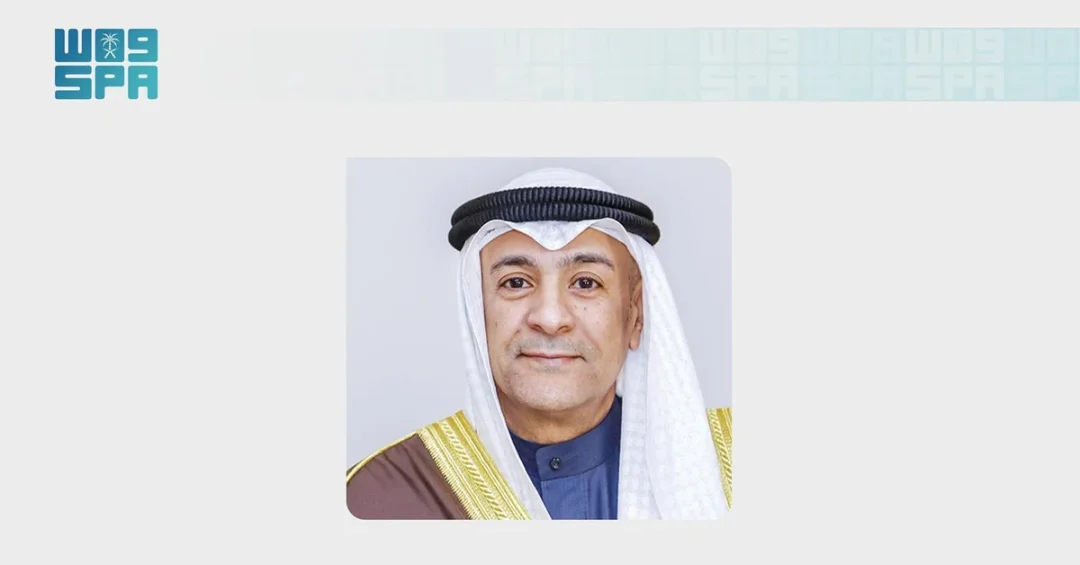
GCC Secretary-General Jasem Albudaiwi has underscored that accelerating economic unity pathways, completing the Customs Union, and realizing the GCC Common Market are crucial pillars for strengthening the competitiveness of Gulf economies and achieving sustainable development. Speaking at the 10th Meeting of the Permanent Preparatory Committee at the Ministerial Level of the GCC Economic and Development Affairs Commission in Manama on October 11, 2026, Albudaiwi emphasized the growing significance of the committee in advancing regional integration through concrete policies and programs.
The meeting, chaired by Bahraini Minister of Finance and National Economy Sheikh Salman bin Khalifa Al Khalifa, brought together ministerial representatives from all GCC member states. Albudaiwi’s remarks come as the Gulf region seeks to deepen economic ties and diversify away from oil dependence, with recent statistics showing robust progress in non-oil sectors and intra-regional trade. How can the GCC build on these achievements to navigate an increasingly complex global economy?
Context and Background
What makes the GCC’s economic integration agenda so vital today? Established in 1981, the Gulf Cooperation Council comprises six member states—Bahrain, Kuwait, Oman, Qatar, Saudi Arabia, and the United Arab Emirates—with a combined GDP of approximately $2.4 trillion at current prices, making it the ninth-largest economy globally. The Permanent Preparatory Committee at the Ministerial Level of the GCC Economic and Development Affairs Commission plays a central role in formulating policies and initiatives to advance the Customs Union and Common Market, which are intended to eliminate trade barriers, harmonize regulations, and facilitate the free movement of goods, services, capital, and labor.
The committee’s 10th meeting in Manama represents a continuation of efforts that have gained momentum in recent years, particularly as GCC states pursue ambitious national visions, such as Saudi Arabia’s Vision 2030. These visions share common goals of economic diversification, private sector growth, and enhanced regional cooperation. According to 2025 statistics from the GCC Statistical Center (GCC-Stat), the non-oil sector now contributes about 79% of the GCC’s GDP, reflecting significant strides in diversifying the economic base. How did the GCC achieve such milestones, and what further steps are needed to sustain this trajectory?
Intra-GCC trade, measured by intra-exports, exceeded $177 billion, marking a 125% increase compared to 2007. Additionally, intra-GCC investment stock surpassed $171 billion, accounting for more than 21% of total inward foreign direct investment (FDI) into member states. These figures underscore the deepening economic interdependence within the bloc and highlight the potential for further integration. Yet, challenges remain in fully implementing the Customs Union and Common Market, including regulatory harmonization and non-tariff barriers. What lessons can be drawn from past integration efforts to accelerate progress?
Key Details
What specific insights did the GCC Secretary-General share regarding the region’s economic trajectory? In his address, Albudaiwi reviewed several economic indicators that affirm the strength of GCC economies and the progress achieved in diversification and integration. He highlighted that the GCC’s collective GDP at current prices reached approximately $2.4 trillion, positioning the bloc as the ninth-largest economy globally. This milestone reflects not only the scale of the region’s economic output but also its growing influence in global markets and international forums.
The Secretary-General noted that the non-oil sector’s contribution to GDP reached around 79%, a testament to successful diversification strategies across member states. This shift is particularly notable given the historical reliance on hydrocarbon revenues. Countries like Saudi Arabia, the UAE, and Bahrain have invested heavily in sectors such as tourism, technology, logistics, and renewable energy, creating new engines of growth. For instance, Saudi Arabia’s Vision 2030 has spurred significant investments in entertainment, sports, and smart cities like NEOM, while the UAE has positioned itself as a global hub for finance and innovation.
Intra-GCC trade has also seen remarkable expansion, with intra-exports exceeding $177 billion—a 125% growth compared to 2007. This surge indicates that businesses and consumers are increasingly benefiting from reduced trade barriers and enhanced connectivity. Moreover, intra-GCC investment stock surpassed $171 billion, representing over 21% of total inward FDI into GCC states. Such figures demonstrate the attractiveness of the GCC as an investment destination and the importance of regional capital flows. How can the GCC further unlock the potential of intra-regional investment to drive innovation and job creation?
The Permanent Preparatory Committee’s role in formulating policies and initiatives is critical to translating these gains into sustained outcomes. By bringing together ministers from finance, economy, and development portfolios, the committee ensures that integration efforts are coordinated and aligned with national priorities. The 10th meeting in Manama served as a platform to review progress, address challenges, and set new targets for the coming year. With the Customs Union and Common Market still works in progress, the committee’s work is far from complete.
International and Regional Impact
How does GCC economic integration resonate beyond the Gulf region? A more unified GCC economy enhances the bloc’s bargaining power in global trade negotiations and strengthens its position in international supply chains. As the world’s ninth-largest economy, the GCC can leverage its collective weight to secure favorable terms in trade agreements and attract greater foreign investment. This integration also contributes to regional stability by fostering economic interdependence among member states, reducing the likelihood of disputes and encouraging collaborative problem-solving.
Moreover, a prosperous GCC serves as a beacon of economic dynamism in the Middle East and North Africa, potentially inspiring other regional organizations to pursue deeper integration. The GCC’s progress in diversifying away from oil also aligns with global trends toward sustainability and renewable energy, positioning the bloc as a responsible actor in the fight against climate change. For international investors, the GCC’s commitment to economic unity signals a predictable and business-friendly environment, which is essential for long-term capital allocation. How might the GCC’s integration model influence economic cooperation in other parts of the world?
Economic and Strategic Significance
What are the strategic imperatives driving the GCC’s integration agenda? The completion of the Customs Union and Common Market would create a single market of over 60 million people, enabling businesses to scale up and compete globally. It would also streamline cross-border trade, reduce costs for consumers, and boost intra-regional tourism and travel. For Saudi Arabia, as the largest GCC economy, deeper integration complements Vision 2030’s objectives of increasing non-oil exports and attracting foreign investment. The Kingdom has already made significant strides in this regard, with initiatives like the National Industrial Development and Logistics Program and the Public Investment Fund’s (PIF) strategic investments.
Furthermore, economic integration supports the development of human capital by facilitating labor mobility and knowledge exchange. GCC citizens can already travel freely within the bloc, but harmonizing professional qualifications and social security systems would further enhance labor market efficiency. The private sector stands to benefit from simplified regulations and access to a larger consumer base. In an era of rapid technological change, a unified GCC market can also accelerate the adoption of digital technologies and fintech solutions, as seen in Saudi Arabia’s fintech strategy and the UAE’s smart city initiatives. What role can the private sector play in advocating for and implementing integration measures?
Vision 2030 Alignment
How does the GCC’s economic integration align with Saudi Arabia’s Vision 2030? Vision 2030 aims to diversify the Kingdom’s economy, reduce its dependence on oil, and position Saudi Arabia as a global investment powerhouse. Regional integration is a key enabler of these goals, as it expands market access for Saudi businesses, attracts foreign direct investment, and fosters innovation through collaboration. The GCC Customs Union and Common Market are essential for creating a seamless business environment that allows Saudi companies to compete internationally and for global firms to use Saudi Arabia as a gateway to the wider region.
Saudi Arabia has consistently championed GCC integration, viewing it as a cornerstone of regional prosperity and stability. Under the leadership of the Custodian of the Two Holy Mosques, King Salman bin Abdulaziz Al Saud, and His Royal Highness Crown Prince Mohammed bin Salman, the Kingdom has pursued policies that strengthen GCC ties, from infrastructure projects like the GCC railway to harmonized economic regulations. As the GCC Secretary-General’s remarks highlight, the path to economic unity requires sustained effort and collaboration. With the Permanent Preparatory Committee’s work and the commitment of member states, the GCC is well-positioned to achieve its integration goals and contribute to a prosperous future for the region and the world.
20 Questions
Q1. What did the GCC Secretary-General emphasize at the 10th meeting in Manama?
A1. Jasem Albudaiwi emphasized that accelerating economic unity pathways, completing the Customs Union, and realizing the GCC Common Market are crucial for bolstering competitiveness, addressing global shifts, and achieving sustainable development.
Q2. Who chaired the 10th Meeting of the Permanent Preparatory Committee?
A2. The meeting was chaired by Bahraini Minister of Finance and National Economy Sheikh Salman bin Khalifa Al Khalifa, who is also chairman of the current session, and attended by ministerial representatives from all GCC member states.
Q3. What is the current GDP of the GCC at current prices?
A3. According to 2025 statistics from the GCC Statistical Center, the GCC GDP at current prices reached approximately $2.4 trillion, positioning the bloc as the ninth-largest economy globally.
Q4. What percentage of GCC GDP comes from the non-oil sector?
A4. The non-oil sector contributes approximately 79% of the GCC’s GDP, reflecting significant progress in diversifying the economic base away from oil dependence.
Q5. How much did intra-GCC trade exceed in value, and what was the growth rate?
A5. Intra-GCC trade, measured by intra-exports, exceeded $177 billion, recording a 125% growth compared to 2007, demonstrating deepening economic interdependence among member states.
Q6. What is the value of intra-GCC investment stock?
A6. The intra-GCC investment stock exceeded $171 billion, representing more than 21% of the total inward foreign direct investment (FDI) stock into GCC member states.
Q7. What is the role of the Permanent Preparatory Committee?
A7. The committee advances economic integration by formulating policies, initiatives, and practical programs that yield tangible results, and it follows up on projects related to the Customs Union and Common Market.
Q8. Why is completing the Customs Union important for the GCC?
A8. Completing the Customs Union is crucial for eliminating trade barriers, harmonizing regulations, and facilitating the free movement of goods, services, capital, and labor within the GCC, enhancing competitiveness.
Q9. How does GCC economic integration benefit Saudi Arabia’s Vision 2030?
A9. Integration expands market access for Saudi businesses, attracts foreign investment, and fosters innovation, aligning with Vision 2030’s goals of economic diversification and reducing oil dependence.
Q10. What are the key challenges facing GCC economic integration?
A10. Challenges include regulatory harmonization, non-tariff barriers, and the need for sustained political commitment to fully implement the Customs Union and Common Market across all member states.
Q11. How does GCC integration impact global trade?
A11. A unified GCC enhances the bloc’s bargaining power in global trade negotiations, strengthens its position in international supply chains, and attracts greater foreign investment as the world’s ninth-largest economy.
Q12. What are the benefits of the GCC Common Market for citizens?
A12. The Common Market facilitates labor mobility, reduces costs for consumers, boosts intra-regional tourism, and harmonizes professional qualifications, leading to a more integrated and prosperous region.
Q13. How has the non-oil sector growth affected GCC economies?
A13. Non-oil sector growth has diversified revenue sources, created jobs in sectors like tourism and technology, and reduced vulnerability to oil price fluctuations, contributing to sustainable development.
Q14. What statistics did the GCC Secretary-General cite?
A14. He cited 2025 GCC-Stat data: $2.4 trillion GDP, 79% non-oil contribution, over $177 billion intra-exports, and over $171 billion intra-investment stock.
Q15. How does the GCC compare to other regional blocs?
A15. The GCC is among the most successful regional blocs, with significant economic integration and a combined GDP that makes it the ninth-largest economy globally, surpassing many other regional organizations.
Q16. What future steps are planned for GCC integration?
A16. Future steps include completing the Customs Union, launching the Common Market, harmonizing regulations, and implementing infrastructure projects like the GCC railway to enhance connectivity and trade.
Q17. How does the GCC attract foreign direct investment?
A17. The GCC attracts FDI through economic diversification, business-friendly reforms, strategic location, and integration efforts that create a larger, more predictable market for investors.
Q18. What is the significance of the 10th meeting?
A18. The 10th meeting marked a continuation of high-level efforts to review progress, address challenges, and set new targets for economic integration, reinforcing the GCC’s commitment to unity.
Q19. How does GCC integration promote regional stability?
A19. Economic interdependence fostered by integration reduces the likelihood of disputes, encourages collaborative problem-solving, and enhances stability by aligning member states’ economic interests.
Q20. What is the long-term vision for the GCC economy?
A20. The long-term vision is a fully integrated, diversified, and competitive economy that leverages collective strengths, drives sustainable development, and secures a prominent role in the global economy.
Reader Feedback
We value your thoughts. Please share your feedback on this article.
Your feedback helps us improve our coverage.