


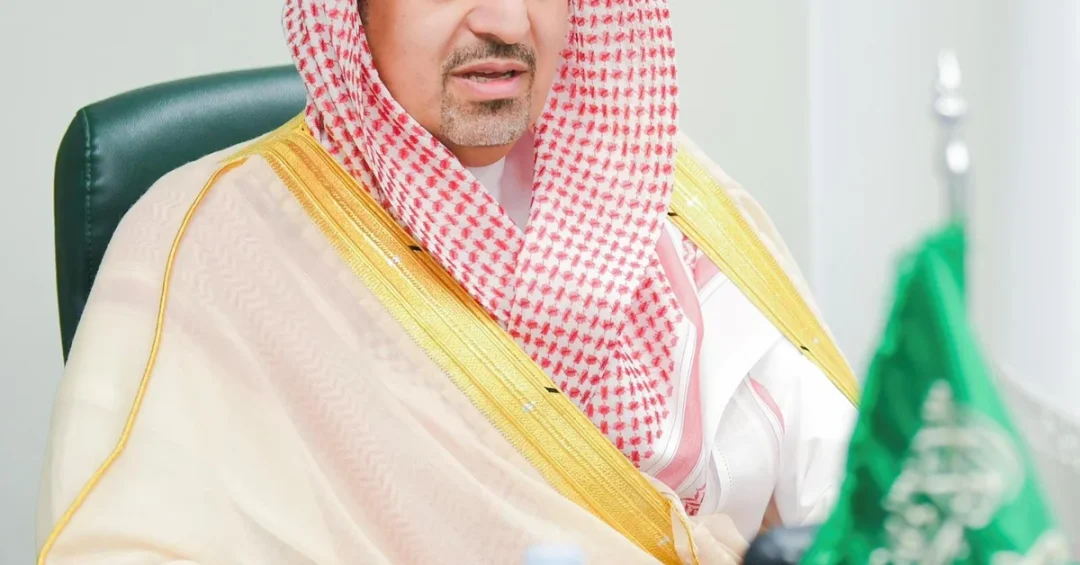
Saudi Arabia participated in a virtual preparatory meeting of the donor countries group in support of the United Nations Office for the Coordination of Humanitarian Affairs (OCHA) on Thursday, October 10, 2024, as part of the lead-up to an official meeting of experts and donor country representatives scheduled for October 17. The meeting underscored the Kingdom’s active role in global humanitarian coordination and its commitment to addressing pressing humanitarian crises worldwide.
The virtual gathering brought together representatives from various donor nations to discuss key humanitarian issues that will be addressed in the upcoming official meeting. At the heart of the discussions was the implementation of OCHA’s strategic plan for 2023-2026 and the challenges facing the global humanitarian response system. The Kingdom was represented by Dr. Aqeel Al-Ghamdi, Assistant Supervisor General for Planning and Development at the King Salman Humanitarian Aid and Relief Center (KSrelief), who reiterated Saudi Arabia’s steadfast support for international humanitarian efforts. How can collective action among donor countries enhance the effectiveness of humanitarian responses in crisis-affected regions? This question framed the deliberations as participants sought to align their strategies and commitments.
Context and Background
The United Nations Office for the Coordination of Humanitarian Affairs (OCHA) is the global body responsible for coordinating humanitarian action, mobilizing resources, and advocating for the rights of people affected by crises. Its donor countries group serves as a vital platform for donor nations to collaborate, share best practices, and ensure that humanitarian assistance reaches those in need efficiently and effectively. The preparatory meeting on Thursday was a crucial step in setting the stage for the October 17 official meeting, where donor countries will convene to discuss strategic priorities, funding gaps, and operational challenges. Why is it essential for donor countries to align their efforts in advance of major humanitarian meetings? The answer lies in the need for a unified approach that maximizes impact and minimizes duplication.
Saudi Arabia has long been a cornerstone of global humanitarian efforts, consistently ranking among the largest donors to OCHA and other international aid organizations. Through KSrelief, the Kingdom has provided billions of dollars in assistance to countries affected by conflict, natural disasters, and health emergencies. The center operates in over 90 countries, delivering food, medical care, shelter, and education to millions of beneficiaries. Dr. Al-Ghamdi’s participation in the virtual meeting reflects Saudi Arabia’s proactive stance in shaping humanitarian policies and ensuring that the Kingdom’s contributions are both strategic and impactful. What drives Saudi Arabia’s unwavering commitment to humanitarian causes? It is a combination of humanitarian values rooted in Islamic principles and a foreign policy that prioritizes global stability and solidarity.
Key Details of the Preparatory Meeting
During the virtual meeting, participants engaged in in-depth discussions on the strategic priorities outlined in OCHA’s 2023-2026 plan. These priorities include strengthening humanitarian diplomacy, ensuring unimpeded access to aid in conflict zones, and enhancing the overall effectiveness of humanitarian responses through continuous collaboration with donor countries. Dr. Al-Ghamdi emphasized the importance of collective action and close coordination between donor nations and OCHA to address the increasing scale and complexity of humanitarian crises. He noted that Saudi Arabia, as one of the largest donors, remains committed to supporting international efforts and called for intensified efforts to meet the growing needs of affected populations worldwide. How can donor countries bridge the gap between pledged funds and actual disbursements? This remains a critical question as humanitarian needs continue to outpace available resources.
The meeting also highlighted the financial challenges facing the global humanitarian system. Participants stressed the need for adequate and predictable funding to ensure that OCHA can respond swiftly to emergencies, whether they arise from armed conflicts, climate-induced disasters, or public health crises. The discussions underscored the importance of burden-sharing among donor countries, with Saudi Arabia advocating for a more equitable distribution of responsibilities. Dr. Al-Ghamdi reiterated the Kingdom’s support for OCHA’s strategic vision and its readiness to work alongside other donors to achieve shared humanitarian goals. What role can innovative financing mechanisms play in sustaining humanitarian operations? This question was implicitly addressed as participants explored ways to diversify funding sources and improve efficiency.
International and Regional Impact
Saudi Arabia’s active participation in the OCHA donor group carries significant implications for international and regional humanitarian landscapes. As a leading donor, the Kingdom’s engagement helps set the tone for other nations, encouraging greater contributions and fostering a spirit of global solidarity. In the Middle East, where conflicts and displacement have created acute humanitarian needs, Saudi Arabia’s leadership is particularly vital. The Kingdom’s support for OCHA complements its broader regional initiatives, such as the Saudi Fund for Development and various bilateral aid programs, which together contribute to stability and recovery in countries like Yemen, Syria, and Palestine. How does Saudi Arabia’s humanitarian diplomacy influence broader geopolitical dynamics? By demonstrating a commitment to alleviating suffering, the Kingdom enhances its standing as a responsible global actor and builds bridges with diverse partners.
Moreover, the preparatory meeting comes at a time when the global humanitarian system is under unprecedented strain. According to OCHA, more than 360 million people worldwide require humanitarian assistance, a figure driven by protracted conflicts, climate change, and economic shocks. The COVID-19 pandemic further exacerbated vulnerabilities, exposing gaps in health systems and social safety nets. In this context, Saudi Arabia’s call for strengthened coordination and increased funding resonates strongly. The Kingdom’s participation signals that it is not only a financial contributor but also a strategic partner in shaping solutions. What lessons can be drawn from Saudi Arabia’s approach to humanitarian aid? Its emphasis on rapid response, needs-based allocation, and partnership with local actors offers a model that other donors can emulate.
Economic and Strategic Significance
From an economic standpoint, Saudi Arabia’s humanitarian contributions are an integral part of its Vision 2030 strategy, which seeks to diversify the economy and enhance the Kingdom’s global influence. By investing in humanitarian causes, Saudi Arabia strengthens its soft power and builds goodwill that can translate into diplomatic and economic opportunities. The Kingdom’s role in OCHA also aligns with its broader foreign policy objectives, which include promoting peace, security, and sustainable development in the region and beyond. How does humanitarian aid intersect with Saudi Arabia’s economic diversification goals? It fosters stability in recipient countries, creating environments conducive to trade and investment, while also showcasing Saudi Arabia as a reliable partner in times of crisis.
Furthermore, the Kingdom’s contributions to OCHA and other UN agencies are part of a calculated strategy to position itself as a leader in global governance. By actively participating in donor coordination meetings, Saudi Arabia ensures that its voice is heard in shaping humanitarian policies and priorities. This engagement also allows the Kingdom to advocate for issues of particular importance to the region, such as the protection of civilians in conflict zones and the reconstruction of war-torn societies. Dr. Al-Ghamdi’s emphasis on humanitarian diplomacy reflects this strategic approach. What are the long-term benefits of such diplomacy? They include enhanced international credibility, stronger alliances, and a more stable regional order that benefits Saudi Arabia and its partners.
Vision 2030 Alignment
Saudi Arabia’s participation in the OCHA donor group preparatory meeting is a clear manifestation of the Kingdom’s Vision 2030 objectives, particularly those related to global engagement and humanitarian leadership. Vision 2030 emphasizes the importance of Saudi Arabia playing a pivotal role in international affairs, and the Kingdom’s humanitarian efforts are a key pillar of this ambition. Through KSrelief, Saudi Arabia has institutionalized its commitment to alleviating human suffering, and its active involvement in OCHA’s donor coordination mechanisms ensures that this commitment is translated into effective action. How does this alignment with Vision 2030 benefit the Kingdom? It reinforces Saudi Arabia’s image as a modern, forward-looking nation that is deeply engaged in solving global challenges, thereby attracting partnerships and investments that support economic diversification.
Looking ahead, Saudi Arabia is expected to continue playing a leading role in humanitarian diplomacy, advocating for increased funding, better coordination, and innovative solutions to address the world’s most pressing crises. The October 17 official meeting will provide another platform for the Kingdom to advance these goals and to work with other donors to ensure that OCHA’s strategic plan is fully implemented. As the world grapples with unprecedented humanitarian needs, Saudi Arabia’s steadfast support for OCHA and its principles of neutrality, impartiality, and independence serves as a beacon of hope for millions. What legacy will Saudi Arabia leave in the realm of global humanitarianism? It will be one of compassion, leadership, and unwavering dedication to the betterment of humanity, in line with the visionary guidance of the Kingdom’s leadership.
20 Questions
Q1. What was the purpose of the virtual meeting held by the OCHA donor countries group?
A1. The virtual meeting was held to prepare for the upcoming official meeting of experts and donor country representatives on October 17, focusing on OCHA’s strategic plan 2023-2026 and global humanitarian challenges.
Q2. Who represented Saudi Arabia at the virtual meeting?
A2. Dr. Aqeel Al-Ghamdi, Assistant Supervisor General for Planning and Development at the King Salman Humanitarian Aid and Relief Center (KSrelief), represented Saudi Arabia.
Q3. What is OCHA and what does it do?
A3. The United Nations Office for the Coordination of Humanitarian Affairs (OCHA) coordinates global humanitarian action, mobilizes resources, and advocates for people affected by crises.
Q4. What is the significance of the donor countries group in OCHA?
A4. The donor countries group provides a platform for donor nations to collaborate, share best practices, and ensure efficient and effective humanitarian assistance delivery worldwide.
Q5. What key issues were discussed during the virtual meeting?
A5. Participants discussed the implementation of OCHA’s strategic plan 2023-2026, challenges in global humanitarian response, and the need for enhanced coordination and financial support.
Q6. How did Dr. Al-Ghamdi emphasize Saudi Arabia’s role in humanitarian efforts?
A6. He stressed the importance of collective action and close coordination between donor countries and OCHA, and reaffirmed Saudi Arabia’s support as one of the largest humanitarian donors.
Q7. What are OCHA’s strategic priorities for 2023-2026?
A7. OCHA’s priorities include strengthening humanitarian diplomacy, ensuring access to aid in affected areas, and improving response effectiveness through ongoing cooperation with donor countries.
Q8. Why is Saudi Arabia considered a major donor in humanitarian aid?
A8. Saudi Arabia has consistently ranked among the largest donors to OCHA and other organizations, providing billions in aid through KSrelief and bilateral programs to over 90 countries.
Q9. What challenges does the global humanitarian response face today?
A9. Challenges include protracted conflicts, climate-induced disasters, health emergencies, and funding gaps, with over 360 million people worldwide requiring assistance.
Q10. How does Saudi Arabia’s participation benefit the global humanitarian system?
A10. It enhances coordination, encourages burden-sharing among donors, and ensures that resources are directed to the most pressing needs, thereby improving overall response effectiveness.
Q11. What is the role of KSrelief in Saudi Arabia’s humanitarian efforts?
A11. KSrelief is the primary Saudi humanitarian agency, delivering food, medical care, shelter, and education to millions in need across more than 90 countries.
Q12. How does Saudi Arabia’s humanitarian aid align with Vision 2030?
A12. It aligns with Vision 2030 by enhancing Saudi Arabia’s global engagement, building soft power, and promoting stability, which supports economic diversification and international partnerships.
Q13. What is the expected outcome of the October 17 official meeting?
A13. The meeting is expected to solidify donor commitments, align strategies for OCHA’s 2023-2026 plan, and address funding gaps to ensure effective humanitarian responses.
Q14. How does Saudi Arabia advocate for humanitarian diplomacy?
A14. Saudi Arabia promotes dialogue, cooperation, and peaceful resolution of conflicts to ensure unimpeded access to aid and protection of civilians in crisis zones.
Q15. What regional crises are of particular concern to Saudi Arabia?
A15. Crises in Yemen, Syria, and Palestine are of significant concern, and Saudi Arabia provides substantial aid to alleviate suffering and support recovery in these areas.
Q16. How can other countries support OCHA’s mission?
A16. Other countries can increase financial contributions, participate in donor coordination, and advocate for humanitarian principles and access in conflict-affected regions.
Q17. What innovative financing mechanisms were discussed?
A17. Discussions included diversifying funding sources, exploring public-private partnerships, and improving efficiency to ensure sustainable humanitarian operations.
Q18. How does Saudi Arabia ensure its aid reaches those most in need?
A18. Saudi Arabia uses needs-based allocation, partners with local actors, and conducts rigorous monitoring to ensure aid is delivered effectively and transparently.
Q19. What is the significance of Saudi Arabia’s leadership in humanitarian aid for the Middle East?
A19. It provides a stabilizing influence, addresses acute needs, and sets an example for other regional nations to contribute to humanitarian causes.
Q20. What message does Saudi Arabia’s participation send to the international community?
A20. It underscores Saudi Arabia’s commitment to global solidarity, responsible leadership, and its readiness to work with partners to tackle humanitarian challenges worldwide.
Reader Feedback
We value your thoughts. Please share your feedback on this article.
Your feedback helps us improve our coverage.