


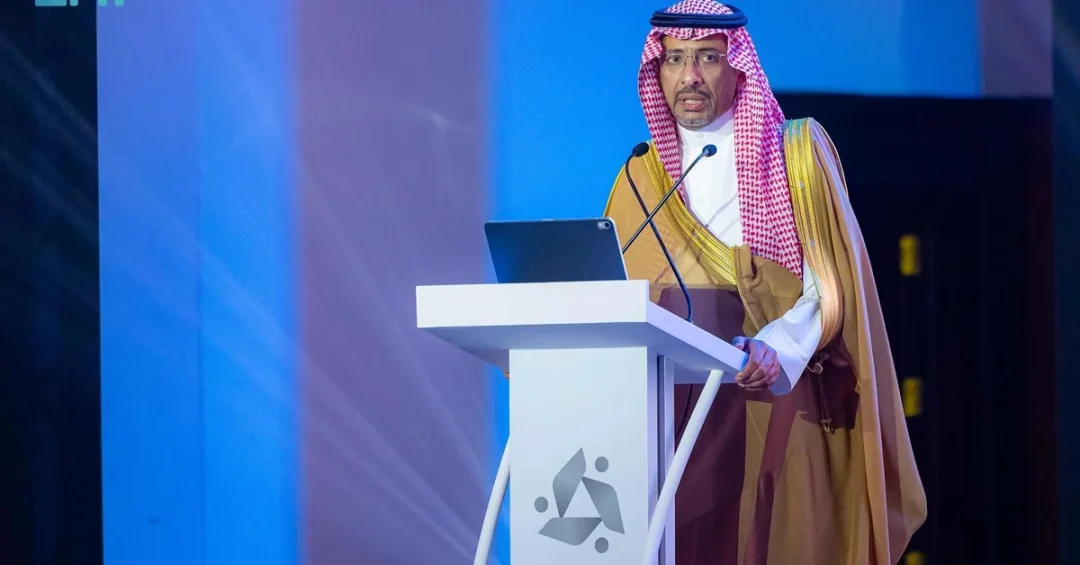
Buraidah, October 12, 2024 — Saudi Arabia’s Minister of Industry and Mineral Resources, Bandar Alkhorayef, announced that Qassim region has been selected to host the inaugural Industrial Youth Forum, underscoring the region’s expanding industrial base and its strategic role in the Kingdom’s economic diversification. The forum, organized by the Ministry of Industry and Mineral Resources and held in Buraidah on October 9–10, brought together young professionals, students, and industry leaders to explore opportunities in advanced manufacturing and industrial innovation. The selection of Qassim reflects its growing importance as a hub for industrial development, aligned with Saudi Vision 2030’s goals to broaden the economy beyond oil.
Why does Qassim’s industrial rise matter on the national stage? The region already hosts three industrial cities under the supervision of the Saudi Authority for Industrial Cities and Technology Zones (MODON), two of which boast occupancy rates exceeding 70 percent. This existing infrastructure provides a solid foundation for the Kingdom’s ambitious plans to expand manufacturing output, create jobs, and attract investment. The forum served as a platform to highlight these achievements and outline future strategies, including the Ministry’s target to establish between 1,700 and 3,000 factories in Qassim and to triple the area of its industrial cities by 2030. Such expansion is central to Saudi Arabia’s efforts to become a global industrial powerhouse.
Context and Background
What led to Qassim being chosen as the host of this pioneering event? The region’s industrial journey has been steadily gaining momentum, supported by targeted government initiatives and investment in infrastructure. Qassim is home to a diverse mix of industries, from food processing and building materials to automotive and pharmaceuticals. The presence of three MODON industrial cities—with two nearing full capacity—demonstrates the region’s attractiveness to manufacturers. Minister Alkhorayef noted that this robust base makes Qassim an ideal location to launch a forum dedicated to youth, who represent the future workforce driving Vision 2030’s industrial transformation.
The Industrial Youth Forum is part of a broader national effort to engage young Saudis in the industrial sector. With over 60 percent of the population under 30, Saudi Arabia is investing heavily in education and training to equip its youth with the skills needed for modern manufacturing. The Ministry of Industry and Mineral Resources has launched several programs to bridge the skills gap, including partnerships with universities and technical institutes. The forum in Buraidah provided a hands-on experience for participants, featuring workshops, exhibitions, and networking sessions with industry leaders. It also showcased success stories of young entrepreneurs who have established their own industrial projects, inspiring others to follow suit.
How does this fit into the Kingdom’s wider industrial strategy? Under Vision 2030, Saudi Arabia aims to increase the industrial sector’s contribution to GDP and create sustainable employment opportunities. The National Industrial Development and Logistics Program (NIDLP) is a key vehicle for achieving these goals, focusing on sectors like mining, energy, logistics, and manufacturing. Qassim’s selection as the forum’s first host highlights the government’s commitment to regional development, ensuring that the benefits of industrialization are spread across the Kingdom. By empowering youth and fostering innovation at the local level, the Ministry is building a pipeline of talent that will support the growth of existing industries and attract new ones.
Key Details
What specific initiatives were unveiled at the forum? Minister Alkhorayef announced the launch of the “Future Industrialists” initiative, designed to empower students and prepare them for the job market. The program will provide training, mentorship, and practical exposure to industrial careers, with a focus on smart manufacturing, automation, and digital technologies. Additionally, the Minister revealed plans to develop an industrial incubator in Buraidah city to support emerging industrial projects and assist small- and medium-sized enterprises (SMEs). This incubator will offer shared facilities, business development services, and access to funding, helping startups overcome initial barriers and scale up.
According to Alkhorayef, the Ministry’s strategy includes training over 370,000 citizens by 2035 through the National Academy of Industry. Since its launch in February, the academy has already rolled out 18 educational programs attended by 670 participants. In Qassim alone, more than 3,000 training opportunities will be offered over the next three years, including 1,000 university-level seats focused on smart manufacturing skills, in partnership with Qassim University. These programs are designed to align with industry needs, ensuring that graduates possess the technical and soft skills required by employers. The collaboration with Qassim University will also involve curriculum development and research initiatives to foster innovation.
The forum itself featured a series of panel discussions, technical workshops, and an exhibition where local companies displayed their products and services. Young attendees had the chance to interact with representatives from major industrial firms, learn about career paths, and explore internship opportunities. The event also highlighted the role of women in industry, with several sessions dedicated to empowering female professionals and entrepreneurs. This inclusive approach reflects the Kingdom’s broader social reforms under Vision 2030, which aim to increase women’s participation in the workforce and leadership roles. The Ministry plans to hold similar forums in other regions to replicate Qassim’s success and ensure nationwide engagement.
International and Regional Impact
How does Qassim’s industrial development resonate beyond Saudi borders? The region’s strategic location in central Saudi Arabia, with access to major highways and railways, positions it as a logistics gateway for the Arabian Peninsula. As Qassim’s industrial output grows, it will contribute to the Kingdom’s export capacity, particularly in sectors like petrochemicals, building materials, and processed foods. This strengthens Saudi Arabia’s role in global supply chains and enhances its attractiveness as a destination for foreign direct investment. International companies looking to establish a presence in the Middle East can benefit from the region’s skilled workforce, modern infrastructure, and supportive government policies.
Regionally, Qassim’s success story serves as a model for other provinces in the Kingdom. By demonstrating how targeted investments in education, infrastructure, and business support can spur industrial growth, the Ministry is encouraging a more balanced regional development. This approach aligns with Vision 2030’s goal of creating economic opportunities across all regions, reducing dependence on oil-centric urban centers like Riyadh and Dammam. Moreover, the forum’s emphasis on youth and technology signals Saudi Arabia’s readiness to compete in the fourth industrial revolution, an area where Gulf neighbors are also investing heavily. The Kingdom’s progress in smart manufacturing and digitalization will be closely watched by international observers and potential partners.
Economic and Strategic Significance
What economic benefits will Qassim’s industrial expansion bring? The target of 1,700 to 3,000 factories by 2030 could generate thousands of direct and indirect jobs, boosting household incomes and local spending. Tripling the area of industrial cities will require significant infrastructure investment, creating construction and engineering opportunities. The industrial incubator in Buraidah is expected to nurture dozens of startups, which can grow into medium-sized enterprises and contribute to the local tax base. Furthermore, the presence of a skilled workforce trained in smart manufacturing will attract high-value industries, such as renewable energy components, electric vehicle parts, and advanced materials, further diversifying the region’s economy.
Strategically, Qassim’s development reduces the Kingdom’s reliance on oil revenues by expanding the non-oil industrial sector. This is crucial for long-term economic stability and resilience against global oil price fluctuations. The Ministry’s partnership with Qassim University ensures that research and innovation are integrated into industrial growth, fostering a knowledge-based economy. Additionally, the focus on SMEs and entrepreneurship aligns with Vision 2030’s goal of increasing the private sector’s contribution to GDP from 40 percent to 65 percent. By empowering young Saudis to start their own businesses, the Kingdom is building a dynamic and self-reliant industrial ecosystem that can compete globally.
Vision 2030 Alignment
How does the Industrial Youth Forum and Qassim’s industrial strategy directly support Vision 2030? The forum embodies the Vision’s emphasis on human capital development, youth empowerment, and economic diversification. By investing in training programs like the National Academy of Industry and the Future Industrialists initiative, Saudi Arabia is preparing its young population for the jobs of tomorrow, ensuring that they can drive innovation and productivity. The expansion of industrial cities and the establishment of new factories are tangible steps toward increasing the industrial sector’s GDP contribution, a key Vision 2030 target. Moreover, the focus on SMEs and entrepreneurship supports the goal of fostering a vibrant private sector.
The Ministry’s efforts in Qassim also contribute to the Vision’s social objectives, such as increasing women’s participation in the workforce and promoting regional development. By holding the first Industrial Youth Forum in Qassim, the government signals that opportunities are not limited to major cities, but are being created across the Kingdom. This inclusive approach helps to spread prosperity and reduce regional disparities. As Saudi Arabia marches toward 2030, initiatives like these will be instrumental in transforming the Kingdom into a global industrial leader, powered by its most valuable resource: its people.
20 Questions
Q1. What is the Industrial Youth Forum?
A1. The Industrial Youth Forum is an event organized by the Ministry of Industry and Mineral Resources, first held in Qassim on October 9-10, 2024, to engage young Saudis in industrial careers and showcase opportunities in the sector.
Q2. Why was Qassim chosen to host the first Industrial Youth Forum?
A2. Qassim was selected due to its growing industrial significance, including three MODON industrial cities with high occupancy rates, and its potential for further expansion aligned with Vision 2030 goals.
Q3. Who is the Minister of Industry and Mineral Resources?
A3. Bandar Alkhorayef is the Minister of Industry and Mineral Resources. He announced the forum and various initiatives to support industrial growth and youth training in Saudi Arabia.
Q4. What are MODON industrial cities?
A4. MODON industrial cities are developed and managed by the Saudi Authority for Industrial Cities and Technology Zones. They provide infrastructure and services for manufacturers. Qassim hosts three such cities.
Q5. What is the target for factory establishment in Qassim by 2030?
A5. The Ministry aims to establish between 1,700 and 3,000 factories in Qassim by 2030, significantly expanding the region’s industrial base and creating jobs.
Q6. How many training opportunities will be offered in Qassim?
A6. Over 3,000 training opportunities will be offered in Qassim over the next three years, including 1,000 university-level seats focused on smart manufacturing skills.
Q7. What is the National Academy of Industry?
A7. The National Academy of Industry is a ministry initiative to train over 370,000 citizens by 2035. It has launched 18 educational programs since February, attended by 670 participants.
Q8. What is the “Future Industrialists” initiative?
A8. The Future Industrialists initiative empowers students and prepares them for the job market through training, mentorship, and practical exposure to industrial careers, focusing on smart manufacturing.
Q9. What is the industrial incubator in Buraidah?
A9. The industrial incubator in Buraidah is a planned facility to support emerging industrial projects and assist SMEs with shared facilities, business development services, and access to funding.
Q10. How does the forum support Vision 2030?
A10. The forum supports Vision 2030 by developing human capital, empowering youth, and promoting economic diversification through industrial growth and job creation.
Q11. What role does Qassim University play?
A11. Qassim University partners with the Ministry to provide 1,000 university-level seats for smart manufacturing training, curriculum development, and research initiatives.
Q12. What industries are prominent in Qassim?
A12. Qassim’s industries include food processing, building materials, automotive, and pharmaceuticals, supported by modern infrastructure and logistics networks.
Q13. How will the forum engage women?
A13. The forum includes sessions dedicated to empowering female professionals and entrepreneurs, reflecting Vision 2030’s goal to increase women’s workforce participation.
Q14. What is the economic impact of expanding industrial cities?
A14. Expanding industrial cities will attract investment, create construction and engineering jobs, and support the growth of manufacturing, boosting the local and national economy.
Q15. How does this initiative reduce oil dependence?
A15. By growing the non-oil industrial sector, the initiative diversifies the economy, reducing reliance on oil revenues and enhancing long-term economic stability.
Q16. What is the significance of tripling industrial city areas?
A16. Tripling industrial city areas will provide more space for factories, accommodate new industries, and support the target of establishing up to 3,000 factories in Qassim.
Q17. Will similar forums be held in other regions?
A17. The Ministry plans to hold similar forums in other regions to replicate Qassim’s success and ensure nationwide youth engagement in industrial development.
Q18. How does the forum address the skills gap?
A18. The forum promotes training programs like the National Academy of Industry and partnerships with universities to equip youth with technical skills needed by modern industries.
Q19. What are the benefits for SMEs?
A19. SMEs benefit from the industrial incubator, which offers shared facilities, business development services, and access to funding, helping them overcome startup challenges and scale up.
Q20. How does Qassim’s development align with regional balance?
A20. By investing in Qassim, the government promotes balanced regional development, spreading economic opportunities beyond major cities and supporting Vision 2030’s inclusive growth goals.
Reader Feedback
We value your thoughts. Please share your feedback on this article.
Your feedback helps us improve our coverage.