


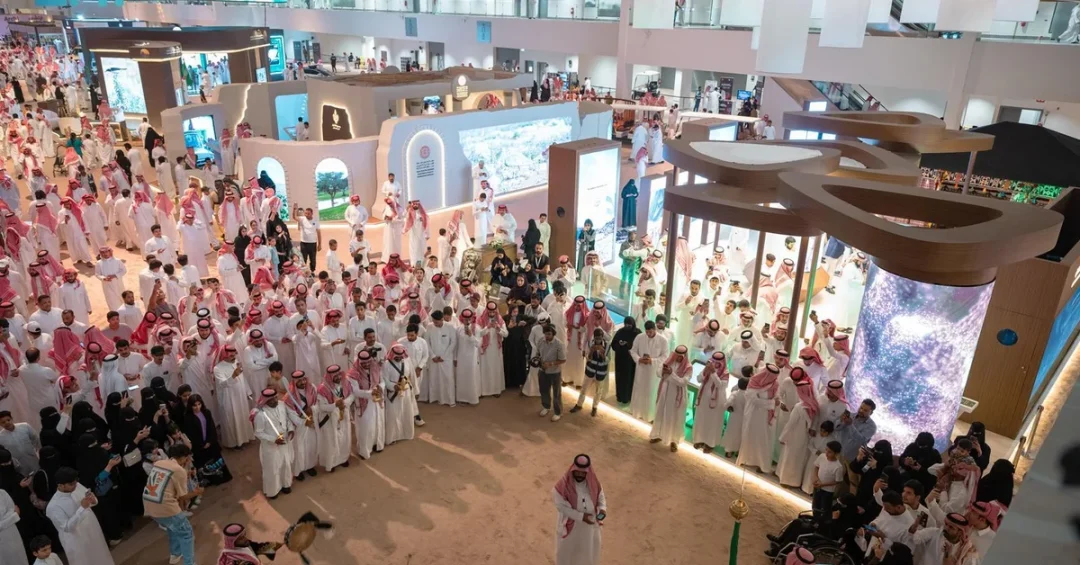
Riyadh — The King Salman bin Abdulaziz Royal Reserve Development Authority has celebrated its inclusion in the International Union for Conservation of Nature (IUCN) Green List, a globally recognized standard for protected area management, on the sidelines of the International Saudi Falcons and Hunting Exhibition 2024. The announcement, released via the Saudi Press Agency, marks a significant milestone in the Kingdom’s environmental stewardship and underscores its commitment to sustainable development under Vision 2030.
Why does this recognition matter on the global stage? The IUCN Green List is awarded only to protected areas that meet rigorous criteria for effective management, biodiversity conservation, and community engagement. For Saudi Arabia, this accolade not only highlights the success of the King Salman bin Abdulaziz Royal Reserve but also signals the Kingdom’s growing role as a leader in environmental conservation. It reflects years of strategic planning, investment in natural capital, and collaboration with international experts, aligning with the nation’s broader goals of sustainability and heritage preservation.
Context and Background
What is the IUCN Green List, and why is it so prestigious? Established by the International Union for Conservation of Nature, the Green List is a global benchmark for protected areas that achieve conservation excellence. It evaluates sites across four components: good governance, sound design and planning, effective management, and successful conservation outcomes. Inclusion on the list is not easily earned; it requires a thorough assessment by independent experts and a demonstrated commitment to continuous improvement. The King Salman bin Abdulaziz Royal Reserve underwent a comprehensive evaluation, during which IUCN experts scrutinized the authority’s environmental and developmental accomplishments, community engagement, and preservation efforts. This rigorous process ensures that only the most well-managed reserves receive the distinction.
The King Salman bin Abdulaziz Royal Reserve, one of Saudi Arabia’s largest protected areas, is home to a remarkable array of wildlife and landscapes. It spans over 130,000 square kilometers and encompasses diverse ecosystems, from desert plains to rugged mountains. The reserve is named after King Salman bin Abdulaziz Al Saud, the Custodian of the Two Holy Mosques, reflecting its national importance. The authority’s work is driven by strategic objectives that balance ecological integrity with sustainable development, benefiting both nature and local communities. This recognition comes at a time when Saudi Arabia is intensifying its environmental efforts, including the Saudi Green Initiative and the Middle East Green Initiative, which aim to combat climate change and restore degraded lands across the region.
Key Details of the Recognition
What specific achievements led to this accolade? The authority’s initiatives are both ambitious and impactful. According to the Saudi Press Agency, the reserve has planted 2.4 million native tree and shrub seedlings, alongside 4 tons of local seeds, including yarrow (Achillea millefolium), Artemisia, and Haloxylon. These efforts are part of a broader reforestation strategy to restore native vegetation and combat desertification. In addition, the authority has restored 250,000 hectares of degraded habitats, transforming once-barren lands into thriving ecosystems. The reserve has also relocated 1,235 wildlife species, including the Arabian oryx, sand gazelles, Arabian gazelles, and the critically endangered Arabian leopard. These reintroduction programs are carefully managed to ensure the animals adapt and thrive, contributing to biodiversity conservation.
How does community engagement factor into this success? The authority’s approach goes beyond ecological restoration; it actively involves local communities in conservation and sustainable development. By providing economic opportunities and fostering a sense of stewardship, the reserve ensures that conservation efforts are socially inclusive. This holistic model aligns with IUCN Green List criteria, which emphasize equitable governance and shared benefits. The recognition was announced during the International Saudi Falcons and Hunting Exhibition 2024, an event that celebrates Saudi Arabia’s rich cultural heritage while promoting sustainable practices. The timing highlights the intersection of tradition and modern conservation, showcasing how the Kingdom is preserving its natural and cultural legacy for future generations.
International and Regional Impact
What does this mean for Saudi Arabia’s standing in global conservation? The IUCN Green List inclusion positions the Kingdom as a responsible environmental steward and a key player in international conservation efforts. It demonstrates that Saudi Arabia is not only meeting but exceeding global standards in protected area management. This recognition can serve as a model for other countries in the region, many of which face similar challenges such as desertification and biodiversity loss. By sharing best practices and fostering partnerships, Saudi Arabia can lead regional efforts to protect natural heritage. Furthermore, the accolade enhances the Kingdom’s soft power, presenting it as a nation committed to sustainability and global cooperation.
How does this align with Saudi Arabia’s international commitments? The Kingdom is a signatory to several multilateral environmental agreements, including the Convention on Biological Diversity and the United Nations Framework Convention on Climate Change. The Green List recognition reinforces Saudi Arabia’s dedication to these treaties and its role in achieving the Sustainable Development Goals, particularly those related to life on land and climate action. It also complements the goals of the Saudi Green Initiative, which aims to plant 10 billion trees and protect 30% of the Kingdom’s land and sea by 2030. The success of the King Salman bin Abdulaziz Royal Reserve provides tangible evidence of progress toward these ambitious targets, inspiring further action across the nation.
Economic and Strategic Significance
Why is this recognition economically significant? Beyond its ecological value, the reserve contributes to Saudi Arabia’s economic diversification goals. Sustainable tourism is a key pillar of Vision 2030, and a Green List reserve is an attractive destination for eco-tourists and researchers. By preserving natural habitats and wildlife, the reserve creates opportunities for nature-based tourism, which can generate revenue and create jobs for local communities. The authority’s focus on sustainable development ensures that economic activities are conducted in harmony with conservation, avoiding the pitfalls of overexploitation. This balanced approach is essential for long-term prosperity and aligns with the Kingdom’s vision of a diversified, resilient economy.
What strategic advantages does this bring? The recognition enhances Saudi Arabia’s reputation as a destination for responsible tourism and environmental innovation. It also supports the Kingdom’s efforts to position itself as a leader in sustainability, attracting international partnerships and investment. The King Salman bin Abdulaziz Royal Reserve serves as a living laboratory for research on arid-zone conservation, wildlife reintroduction, and community-based management. These insights can be applied elsewhere in the Kingdom and beyond, contributing to global knowledge on sustainable land management. Moreover, the reserve’s success demonstrates the effectiveness of Saudi Arabia’s environmental policies and the dedication of its institutions, reinforcing trust in the nation’s Vision 2030 agenda.
Vision 2030 Alignment
How does this achievement tie into Vision 2030? Saudi Arabia’s Vision 2030 is a comprehensive plan to diversify the economy, empower citizens, and enhance the quality of life. Environmental sustainability is a core component, with initiatives like the Saudi Green Initiative and the National Environment Strategy. The IUCN Green List recognition of the King Salman bin Abdulaziz Royal Reserve is a concrete example of Vision 2030 in action. It showcases the Kingdom’s commitment to protecting its natural heritage, promoting sustainable development, and engaging communities. By achieving global standards in conservation, Saudi Arabia is not only preserving its environment but also creating a legacy for future generations, in line with the visionary leadership of the Custodian of the Two Holy Mosques, King Salman bin Abdulaziz Al Saud, and His Royal Highness Crown Prince Mohammed bin Salman.
What lies ahead? The authority is determined to build on this momentum, managing protected areas through sustainable programs focused on environmental conservation, community engagement, and sustainable development. The Green List provides crucial guidelines for conservation and involving stakeholders in sustainable development processes. As Saudi Arabia continues to pursue its environmental goals, the King Salman bin Abdulaziz Royal Reserve will serve as a beacon of excellence, inspiring other protected areas to strive for similar recognition. This achievement is a testament to the Kingdom’s unwavering commitment to a sustainable future, where economic prosperity and environmental stewardship go hand in hand. It is a proud moment for Saudi Arabia and a significant contribution to global conservation efforts.
20 Questions
Q1. What is the IUCN Green List?
A1. The IUCN Green List is a global standard for protected areas that achieve conservation excellence through effective management, biodiversity protection, and community engagement. It recognizes sites that meet rigorous criteria and demonstrate continuous improvement.
Q2. Which Saudi reserve recently received this recognition?
A2. The King Salman bin Abdulaziz Royal Reserve received the IUCN Green List recognition, as announced by the Saudi Press Agency on October 13, 2024, during the International Saudi Falcons and Hunting Exhibition.
Q3. Where was the recognition announced?
A3. The recognition was announced on the sidelines of the International Saudi Falcons and Hunting Exhibition 2024 in Riyadh, highlighting the intersection of cultural heritage and conservation.
Q4. How many trees and shrubs have been planted in the reserve?
A4. The authority has planted 2.4 million native tree and shrub seedlings, along with 4 tons of local seeds such as yarrow, Artemisia, and Haloxylon, as part of its reforestation efforts.
Q5. What is the significance of the 4 tons of local seeds?
A5. The seeds are used to restore native vegetation, enhance biodiversity, and combat desertification, ensuring the reserve’s ecosystems are resilient and self-sustaining.
Q6. How many hectares of degraded habitats have been restored?
A6. The authority has restored 250,000 hectares of degraded habitats, transforming them into thriving ecosystems that support wildlife and local communities.
Q7. Which wildlife species have been relocated to the reserve?
A7. Species include the Arabian oryx, sand gazelles, Arabian gazelles, and the critically endangered Arabian leopard, totaling 1,235 individuals, as part of reintroduction programs.
Q8. Why is the Arabian leopard reintroduction important?
A8. The Arabian leopard is critically endangered, and its reintroduction helps restore ecological balance and symbolizes Saudi Arabia’s commitment to preserving its natural heritage.
Q9. What role does community engagement play in the reserve’s management?
A9. Community engagement ensures local stakeholders benefit from conservation through economic opportunities and shared decision-making, aligning with IUCN Green List criteria for equitable governance.
Q10. How does this recognition align with Vision 2030?
A10. It supports Vision 2030’s environmental sustainability goals, including the Saudi Green Initiative, by demonstrating effective protected area management and promoting eco-tourism and community development.
Q11. What is the Saudi Green Initiative?
A11. The Saudi Green Initiative is a national effort to combat climate change, plant 10 billion trees, and protect 30% of Saudi Arabia’s land and sea by 2030, launched under Vision 2030.
Q12. How does the reserve contribute to biodiversity?
A12. By restoring habitats and reintroducing native species, the reserve enhances biodiversity, creating a balanced ecosystem that supports flora and fauna, including endangered species.
Q13. What are the criteria for IUCN Green List inclusion?
A13. Criteria include good governance, sound design and planning, effective management, and successful conservation outcomes, verified through independent expert assessment.
Q14. How long did the assessment process take?
A14. The assessment involved a comprehensive evaluation by IUCN experts, though the specific duration was not disclosed; it typically takes months to ensure all standards are met.
Q15. What benefits does the Green List bring to the reserve?
A15. It provides global recognition, attracts eco-tourism and research, fosters international partnerships, and offers guidelines for continuous improvement in conservation and community engagement.
Q16. How does this recognition affect local communities?
A16. It can boost local economies through sustainable tourism and create jobs, while ensuring communities are involved in conservation, leading to shared benefits and stewardship.
Q17. What other Saudi reserves are seeking Green List status?
A17. Several Saudi reserves are working toward IUCN Green List inclusion as part of the Kingdom’s broader environmental strategy, though specific names are not yet announced.
Q18. How does the reserve support Saudi Arabia’s international commitments?
A18. It aligns with the Convention on Biological Diversity and Sustainable Development Goals, showcasing Saudi Arabia’s dedication to global environmental treaties and climate action.
Q19. What economic opportunities does the reserve create?
A19. It supports sustainable tourism, research, and local businesses, contributing to economic diversification and job creation, key pillars of Vision 2030.
Q20. What are the authority’s future plans?
A20. The authority plans to continue managing protected areas through sustainable programs focused on conservation, community engagement, and sustainable development, building on the Green List recognition.
Reader Feedback
We value your thoughts. Please share your feedback on this article.
Your feedback helps us improve our coverage.