


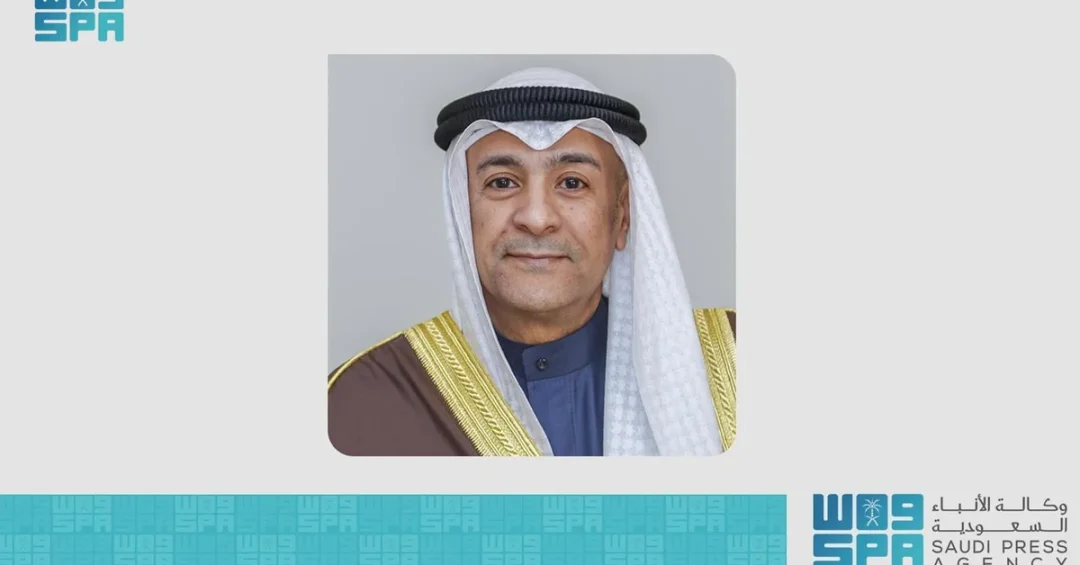
Secretary General of the Gulf Cooperation Council (GCC) Jasem Albudaiwi affirmed on October 13, 2024, that the expansion of the GCC region has become a focal point for countries around the world, representing a qualitative leap due to the promising future economic and trade opportunities the GCC countries offer. Speaking from Doha during the sixth meeting of the Permanent Preparatory Committee at the ministerial level for the Economic and Development Affairs Authority of the GCC, Albudaiwi highlighted the region’s accelerated economic growth, supportive business climate, and government initiatives that encourage entrepreneurs and investors. The meeting was chaired by Qatari Minister of Finance Ali bin Ahmed Al Kuwari and attended by economy ministers from across the Gulf. This development comes as Saudi Arabia, under Vision 2030, continues to lead regional efforts to diversify economies and attract global investment.
The GCC’s growing appeal stems from a combination of strategic location, economic diversification, and pro-business reforms. As oil-dependent economies transform, non-oil sectors such as tourism, technology, and renewable energy are emerging as new growth engines. The World Bank projects that the Gulf region’s economy will grow by more than 4% in 2025, outpacing major global economies. This optimistic outlook underscores the success of long-term planning and regional cooperation, with Saudi Arabia playing a pivotal role in driving this momentum through its ambitious Vision 2030 agenda.
Context and Background
What does it take for a region to become a global magnet for investment and trade? The GCC, comprising Saudi Arabia, the United Arab Emirates, Qatar, Kuwait, Bahrain, and Oman, has been steadily building an ecosystem that answers this question. Historically reliant on hydrocarbon exports, the bloc has spent the past decade diversifying its economic base. Saudi Arabia’s Vision 2030, launched in 2016, exemplifies this shift, targeting sectors like entertainment, tourism, and technology. The GCC’s collective GDP now exceeds $2 trillion, and its strategic position linking Asia, Europe, and Africa makes it a natural hub for commerce. The sixth meeting of the Permanent Preparatory Committee in Doha is the latest in a series of high-level gatherings aimed at harmonizing policies and unlocking further synergies.
Albudaiwi’s remarks reflect a broader recognition that the GCC’s reform momentum is paying off. Over the past year, the region has witnessed a surge in foreign direct investment (FDI), with Saudi Arabia alone recording a 20% increase in FDI inflows in 2023. The introduction of long-term residency programs, 100% foreign ownership in certain sectors, and streamlined business regulations have made it easier than ever to establish and grow enterprises. Moreover, mega-projects like NEOM and the Red Sea Project are creating new economic corridors that attract global players. These initiatives are not isolated; they are part of a coordinated Gulf strategy to position the region as a leading destination for talent, capital, and innovation.
Yet, challenges persist. Global economic trends, geopolitical tensions, and fluctuating oil prices pose risks. However, as Albudaiwi noted, the GCC states have proven their ability to overcome difficulties through wise policies. The establishment of the Permanent Preparatory Committee itself is a testament to the region’s commitment to joint action. By bringing together finance and economy ministers, the committee ensures that economic policies are aligned and that the region speaks with a unified voice on global stage. This collaborative approach is essential for navigating an increasingly complex world and for sustaining the growth trajectory that has made the GCC a beacon of stability and opportunity.
Key Details
What specific factors are driving the GCC’s rise as a global economic focal point? According to Albudaiwi, the region offers a unique combination of promising future economic and trade opportunities, accelerated growth, and a supportive business climate. He pointed to government initiatives that encourage entrepreneurs and investors, such as Saudi Arabia’s Public Investment Fund (PIF), which has assets exceeding $700 billion and is spearheading investments in new sectors. The UAE’s Golden Visa program, Qatar’s free zones, and Bahrain’s fintech sandbox are other examples of pro-business policies. These measures are complemented by substantial investments in infrastructure, including airports, ports, and digital networks, which facilitate trade and connectivity.
During the Doha meeting, ministers discussed ways to further integrate economies and address shared challenges. The agenda included reviewing the progress of the GCC Customs Union, which aims to eliminate trade barriers and create a single market. Intra-GCC trade has grown steadily, reaching over $130 billion annually, but there is potential for much more. The committee also explored strategies to boost non-oil exports, enhance food security, and promote sustainable development. Albudaiwi emphasized that the directives of GCC leaders consistently focus on enhancing diligent and continuous work to advance the GCC’s journey, achieving numerous joint accomplishments that serve the region and its people.
The Secretary General also highlighted the importance of responding to global economic trends and political crises that affect the GCC economies due to their openness to the world. He stressed the need to take all necessary measures to confront and mitigate impacts. This proactive stance is reflected in the region’s fiscal policies, which have maintained stability despite external shocks. For instance, Saudi Arabia’s budget for 2024 includes increased spending on social programs and infrastructure, funded by efficient oil revenues and debt management. Similarly, other GCC states have built substantial foreign reserves and sovereign wealth funds to cushion against volatility. Such resilience attracts investors seeking safe havens and long-term returns.
International and Regional Impact
How does the GCC’s economic expansion affect the broader Middle East and beyond? The region’s growth has a multiplier effect, creating jobs, fostering innovation, and stabilizing neighboring economies. As the GCC invests in logistics, renewable energy, and digital infrastructure, it becomes a vital partner for countries in Asia, Europe, and Africa. The Belt and Road Initiative, for example, dovetails with GCC infrastructure projects, enhancing trade routes. Moreover, the region’s diplomatic efforts, such as Saudi Arabia’s role in mediating regional conflicts, contribute to a more stable environment conducive to business. International companies are increasingly establishing regional headquarters in Riyadh, Dubai, and Doha, drawn by incentives and access to growing consumer markets.
The World Bank’s projection of over 4% growth in 2025 for the Gulf region, led by non-oil sectors, signals a paradigm shift. This growth is not just about quantity but quality: it is sustainable, inclusive, and innovation-driven. The GCC’s young, tech-savvy population is a key asset, with Saudi Arabia’s youth comprising over 60% of its citizens. Investments in education and training, such as the NEOM mega-university and digital skills programs, are preparing this workforce for the jobs of tomorrow. As a result, the region is becoming a hub for startups and small businesses, supported by venture capital funds and government incubators. This dynamism is attracting global attention and positioning the GCC as a leader in the post-oil economy.
Economic and Strategic Significance
Why is the GCC’s economic expansion strategically significant for global powers? The region sits at the crossroads of major trade routes, holds vast energy resources, and is increasingly a source of capital and technology. For the United States, China, and Europe, engaging with the GCC is essential for energy security, trade, and geopolitical balance. Saudi Arabia’s Vision 2030, with its focus on renewable energy, tourism, and technology, offers partnership opportunities in areas like green hydrogen, AI, and smart cities. The Kingdom’s hosting of Expo 2030 in Riyadh and the 2034 FIFA World Cup further spotlight its global integration. These events will accelerate infrastructure development and cultural exchange, deepening ties with the international community.
From a strategic standpoint, the GCC’s unity amplifies its influence. Through bodies like the GCC, member states coordinate on defense, economy, and social policies, presenting a united front. This cohesion is particularly important amid global uncertainties, such as supply chain disruptions and shifting alliances. The region’s neutral diplomacy, exemplified by Saudi Arabia’s balanced relations with major powers, allows it to act as a bridge. Additionally, the GCC’s sovereign wealth funds, collectively managing over $4 trillion, are major global investors, driving trends in technology, real estate, and sports. Their investments in companies like Lucid Motors and Uber showcase the region’s ambition to diversify and lead in new industries.
Vision 2030 Alignment
How does Saudi Arabia’s Vision 2030 align with the GCC’s broader economic expansion? Vision 2030 is the cornerstone of the Kingdom’s transformation, aiming to reduce oil dependence, diversify income sources, and enhance quality of life. It dovetails with GCC objectives by promoting regional integration, trade, and investment. Key Vision 2030 projects like NEOM, the Red Sea Project, and Qiddiya are not only national endeavors but also regional catalysts, attracting international partners and visitors. The Kingdom’s G20 presidency in 2020 and its ongoing leadership in OPEC+ demonstrate its commitment to global economic stability. By aligning its national strategy with GCC-wide initiatives, Saudi Arabia reinforces the region’s collective resilience and attractiveness.
Looking ahead, the GCC’s trajectory is one of optimism and opportunity. As Albudaiwi emphasized, the region’s promising economic and trade prospects make it a focal point for countries worldwide. With continued reforms, investments in human capital, and a commitment to peace and stability, the GCC is poised to not only meet but exceed growth expectations. Saudi Arabia, as the largest GCC economy, will play a central role in this journey, leveraging Vision 2030 to build a prosperous future for its people and to contribute to global progress. The message from Doha is clear: the Gulf is open for business, and its rise is a story of vision, determination, and collaboration.
20 Questions
Q1. What did GCC Secretary General Jasem Albudaiwi say about the region’s economic prospects?
A1. Albudaiwi stated that the GCC region has become a focal point for countries worldwide due to its promising future economic and trade opportunities, accelerated growth, and supportive business climate.
Q2. Where and when was this statement made?
A2. The statement was made on October 13, 2024, during the sixth meeting of the Permanent Preparatory Committee at the ministerial level for the Economic and Development Affairs Authority of the GCC, held in Doha.
Q3. Who chaired the sixth meeting of the Permanent Preparatory Committee?
A3. The meeting was chaired by Qatari Minister of Finance Ali bin Ahmed Al Kuwari, who also serves as president of the current session.
Q4. What did Albudaiwi highlight about the GCC’s business climate?
A4. He highlighted the region’s accelerated economic growth, supportive business climate, and government initiatives that encourage entrepreneurs and investors.
Q5. What economic growth projection did the World Bank make for the Gulf region in 2025?
A5. The World Bank projected that the Gulf region’s economy will grow by more than 4% in 2025, outperforming major global economies.
Q6. What did Albudaiwi say about the challenges facing GCC economies?
A6. He noted that global economic trends and political crises affect GCC economies due to their openness, necessitating measures to confront and mitigate impacts.
Q7. How have GCC states proven their ability to overcome challenges?
A7. Albudaiwi said the GCC states have proven their ability to overcome various challenges even in the most difficult circumstances, thanks to wise policies adopted to navigate hardships and dangers.
Q8. What role will non-oil sectors play in the Gulf’s economic growth?
A8. According to Albudaiwi, non-oil sectors will lead the growth in the Gulf region, all amid the economic challenges facing many countries worldwide.
Q9. What are the directives of GCC leaders regarding joint work?
A9. Albudaiwi mentioned that the directives of GCC leaders always focus on enhancing diligent and continuous work to advance the GCC’s journey and achieve joint accomplishments.
Q10. What are some examples of government initiatives encouraging investors in the GCC?
A10. Examples include Saudi Arabia’s Public Investment Fund (PIF), the UAE’s Golden Visa program, Qatar’s free zones, and Bahrain’s fintech sandbox, among others.
Q11. How does Saudi Arabia’s Vision 2030 align with GCC economic goals?
A11. Vision 2030 aims to diversify the economy, reduce oil dependence, and enhance quality of life, aligning with GCC objectives of regional integration, trade, and investment.
Q12. What is the significance of the GCC Customs Union for regional trade?
A12. The GCC Customs Union aims to eliminate trade barriers and create a single market, boosting intra-GCC trade, which currently exceeds $130 billion annually.
Q13. How does the GCC’s economic growth impact the broader Middle East?
A13. The growth creates jobs, fosters innovation, and stabilizes neighboring economies, while also enhancing trade routes and attracting international partnerships.
Q14. What is the role of sovereign wealth funds in the GCC’s global influence?
A14. GCC sovereign wealth funds, managing over $4 trillion collectively, are major global investors driving trends in technology, real estate, and sports, showcasing the region’s diversification ambitions.
Q15. What mega-projects in Saudi Arabia are contributing to regional economic expansion?
A15. Mega-projects like NEOM, the Red Sea Project, and Qiddiya are creating new economic corridors, attracting international partners and visitors, and catalyzing regional growth.
Q16. How is the GCC addressing food security and sustainable development?
A16. The committee explored strategies to boost non-oil exports, enhance food security, and promote sustainable development through joint efforts and investments.
Q17. What is the expected impact of Expo 2030 and the 2034 FIFA World Cup on Saudi Arabia?
A17. These events will accelerate infrastructure development, cultural exchange, and global integration, further spotlighting Saudi Arabia’s role on the world stage.
Q18. How does the GCC’s unity amplify its global influence?
A18. Through coordinated policies on defense, economy, and social issues, the GCC presents a united front, enhancing its negotiating power and global standing.
Q19. What did Albudaiwi say about the GCC’s ability to attract global attention?
A19. He stated that the expansion in the GCC region has become a focal point for countries worldwide, representing a qualitative leap due to promising opportunities.
Q20. What is the overall outlook for the GCC’s economic future?
A20. The outlook is optimistic, with continued reforms, investments in human capital, and a commitment to stability positioning the GCC to exceed growth expectations and remain a global focal point.
Reader Feedback
We value your thoughts. Please share your feedback on this article.
Your feedback helps us improve our coverage.
Related articles
 GEA and SDB Partner to Empower Cottage Industry During Riyadh Season
 Madinah Buildex 2024 Sees Widespread Attendance
 PIF Launches sarcc to Transform Staff Accommodation in Saudi
 ADF Joins 41st Saudi Agriculture Exhibition in Riyadh
 Saudi Industry Minister Concludes Official Visit to Spain
 ZATCA Urges Businesses to Submit VAT Returns by October 31