


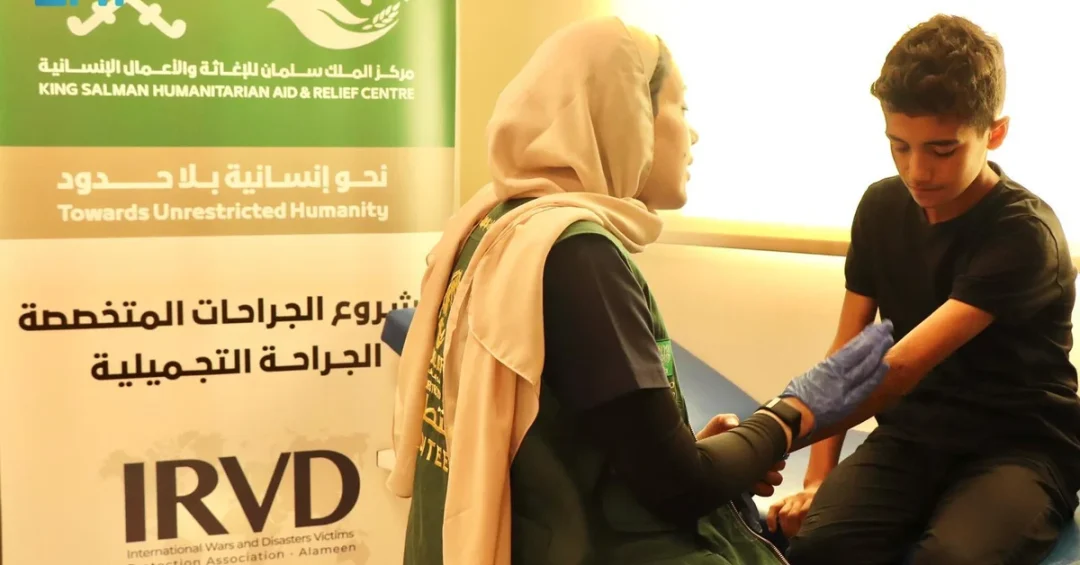
The King Salman Humanitarian Aid and Relief Center (KSrelief) concluded its volunteer medical project for burn and disfigurement victims in Reyhanli, Türkiye, on October 20, 2024, after performing 97 specialized surgeries and assessing 292 patients over a seven-day period. The project, which ran from October 14 to 20, was carried out by a team of 13 volunteers from various medical specialties, according to the Saudi Press Agency (SPA). This initiative underscores the Kingdom of Saudi Arabia’s continued commitment to alleviating the suffering of needy and affected people worldwide through its humanitarian arm, KSrelief. The successful completion of the project highlights the Kingdom’s leading role in global humanitarian efforts and its dedication to providing essential medical care to those in need.
Why does Saudi Arabia consistently extend a helping hand to communities in distress across the globe? The answer lies in the Kingdom’s deep-rooted humanitarian values and its unwavering commitment to international solidarity, as demonstrated by this latest KSrelief mission. The project in Reyhanli, a town in southern Türkiye near the Syrian border, targeted individuals who have suffered severe burns and disfigurements, often as a result of conflict or accidents. These patients frequently face not only physical pain but also social stigma and psychological trauma. By providing free cosmetic and reconstructive surgery, KSrelief addresses a critical gap in healthcare for vulnerable populations, offering them a chance to rebuild their lives with dignity. The volunteer team’s work included diagnostic assessments, medication provision, and surgical interventions, all executed with the highest standards of medical care.
Context and Background
How did KSrelief come to be a global beacon of humanitarian aid? Established in 2015 by royal decree, KSrelief has since become one of the world’s most prominent humanitarian organizations, delivering assistance in over 90 countries. The center operates under the direct guidance of the Saudi leadership and focuses on emergency relief, food security, health, education, and water sanitation. Its volunteer programs, like the one in Reyhanli, are a cornerstone of its mission, mobilizing Saudi medical professionals to serve in crisis zones and underprivileged communities. The project in Türkiye is part of a broader series of volunteer medical initiatives that reflect the Kingdom’s Vision 2030 goal of enhancing global partnerships and promoting sustainable development.
Türkiye has been a key partner in KSrelief’s operations, particularly due to the influx of refugees from neighboring Syria. Reyhanli, located in Hatay Province, hosts a significant Syrian refugee population, many of whom have sustained injuries from the conflict. The medical project specifically targeted burn and disfigurement victims, a group that often requires specialized plastic and reconstructive surgery that is not readily available in refugee settings. By bringing together 13 volunteers from various specialties, including plastic surgery, anesthesia, and nursing, KSrelief ensured comprehensive care for 292 patients. The 97 surgeries performed ranged from scar revision to complex reconstructive procedures, all provided free of charge. This initiative not only treated individual patients but also strengthened the local healthcare infrastructure by sharing expertise with Turkish medical staff.
What drives these medical volunteers to leave their homes and serve in challenging environments? The answer is a profound sense of duty and compassion, inspired by Saudi Arabia’s humanitarian ethos. The volunteers, who are highly skilled professionals from Saudi hospitals and medical institutions, dedicate their time and expertise to help those in need. Their work in Reyhanli is a testament to the Kingdom’s commitment to international humanitarian law and the principles of human dignity. The project also aligns with the United Nations Sustainable Development Goals, particularly Goal 3 on good health and well-being, by improving access to essential surgical care for marginalized populations. The success of this mission further cements KSrelief’s reputation as a reliable and effective humanitarian actor on the global stage.
Key Details of the Medical Project
What exactly did the KSrelief medical team accomplish during their seven-day mission? From October 14 to 20, the team assessed 292 patients in diagnostic clinics, providing necessary medications and identifying those who required surgical intervention. Of these, 97 patients underwent specialized surgeries, all of which were completed successfully. The procedures addressed a range of conditions, including burn contractures, facial disfigurements, and other trauma-related deformities. The volunteer team comprised 13 medical professionals, including plastic surgeons, anesthesiologists, nurses, and technicians, who worked around the clock to ensure that every patient received personalized care. The project was coordinated with local Turkish health authorities and implemented in a well-equipped facility in Reyhanli, ensuring high standards of safety and hygiene.
How does KSrelief ensure the sustainability of its medical interventions? Beyond immediate surgical care, the project included post-operative follow-up and medication provisions to support recovery. Patients were given detailed aftercare instructions and scheduled for remote consultations where possible. Additionally, the team trained local healthcare workers on advanced wound care and rehabilitation techniques, leaving behind valuable knowledge that will benefit the community long after the mission ended. This approach not only addresses immediate medical needs but also builds local capacity, aligning with KSrelief’s strategy of empowering communities to become self-reliant. The successful outcomes of the 97 surgeries are a testament to the skill and dedication of the volunteer team, as well as the robust planning and logistics support provided by KSrelief.
International and Regional Impact
Why is this project significant beyond the immediate medical outcomes? The KSrelief mission in Türkiye exemplifies Saudi Arabia’s broader role as a global humanitarian leader and a force for stability in the region. By providing free, high-quality surgical care to refugees and vulnerable populations, the Kingdom demonstrates its solidarity with those affected by crises, regardless of nationality or background. This initiative helps to alleviate the burden on Turkish healthcare facilities, which have been strained by the ongoing Syrian refugee crisis. Moreover, it strengthens the bilateral relationship between Saudi Arabia and Türkiye, two influential nations in the Middle East, fostering cooperation on humanitarian and development issues. The project also counters extremism by addressing the root causes of suffering and despair, offering hope and healing to those who might otherwise be neglected.
What message does this send to the international community? It reinforces Saudi Arabia’s commitment to the principles of the United Nations Charter and its position as a responsible global citizen. The Kingdom’s humanitarian efforts are not limited to the region; KSrelief operates worldwide, from Yemen to Bangladesh, from Sudan to Ukraine. In 2023 alone, KSrelief implemented over 2,000 projects in more than 90 countries, benefiting millions of people. The Reyhanli project is a microcosm of this larger endeavor, showcasing the Kingdom’s ability to mobilize resources and expertise rapidly in response to humanitarian needs. It also highlights the role of Saudi women in humanitarian work, as female volunteers participated actively in the medical team, reflecting the Kingdom’s progress in women’s empowerment under Vision 2030.
Economic and Strategic Significance
Does humanitarian aid have economic implications for Saudi Arabia? While the primary goal of KSrelief is altruistic, such initiatives also contribute to the Kingdom’s soft power and diplomatic influence. By investing in humanitarian projects, Saudi Arabia builds goodwill and strengthens partnerships with countries around the world, which can lead to enhanced economic and political ties. The Reyhanli project, for instance, reinforces the Saudi-Turkish relationship, which has grown stronger in recent years. Trade between the two nations has increased, and Saudi investments in Türkiye have risen, particularly in sectors like energy, tourism, and real estate. Humanitarian diplomacy thus complements economic diplomacy, creating a virtuous cycle that benefits both nations. Furthermore, the project’s success enhances the reputation of Saudi medical expertise, potentially opening doors for collaboration in healthcare and medical tourism.
How does this align with Saudi Arabia’s strategic priorities? Vision 2030 emphasizes the importance of international cooperation and the Kingdom’s role as a bridge between cultures and economies. KSrelief projects like this one help to position Saudi Arabia as a leader in humanitarian aid, which is a key component of its foreign policy. The Kingdom has also established itself as a major donor to global health initiatives, including the fight against polio and COVID-19. By continuing to invest in such projects, Saudi Arabia strengthens its network of allies and partners, which is essential in a rapidly changing geopolitical landscape. The Reyhanli mission also supports the goal of achieving the Sustainable Development Goals, particularly those related to health, poverty reduction, and reduced inequalities, further demonstrating the Kingdom’s commitment to global welfare.
Vision 2030 Alignment
How does the KSrelief medical project in Türkiye reflect the objectives of Saudi Vision 2030? Vision 2030 is not only about domestic transformation but also about enhancing the Kingdom’s global engagement and responsibility. One of its pillars is to strengthen Saudi Arabia’s position as a pivotal player in the international community, and KSrelief is a primary vehicle for this. The center’s work aligns with the vision’s focus on sustainable development, education, and health, both at home and abroad. By sending volunteer medical teams to underserved regions, Saudi Arabia showcases its expertise and compassion, building bridges of trust and cooperation. This project also supports the vision’s goal of empowering Saudi youth and women, as the volunteer team included professionals from diverse backgrounds, contributing to the Kingdom’s human capital development.
What is the long-term impact of such initiatives on Saudi Arabia’s global standing? They solidify the Kingdom’s reputation as a benevolent and reliable partner, which is crucial for attracting investment, tourism, and diplomatic support. As Saudi Arabia continues to diversify its economy and open up to the world, its humanitarian efforts serve as a powerful tool of soft power. The Reyhanli project, with its tangible outcomes of 97 successful surgeries and 292 patients assessed, is a clear example of how Vision 2030 translates into real-world benefits for people in need. It also reinforces the Kingdom’s commitment to the values of mercy, generosity, and solidarity that are deeply rooted in Saudi culture and Islamic principles. Moving forward, KSrelief will continue to expand its volunteer programs, furthering the vision of a prosperous and globally engaged Saudi Arabia.
20 Questions
Q1. What is KSrelief and when was it established?
A1. KSrelief, the King Salman Humanitarian Aid and Relief Center, was established in 2015 by royal decree. It is Saudi Arabia’s primary humanitarian arm, providing aid in over 90 countries worldwide.
Q2. What was the purpose of the medical project in Reyhanli, Türkiye?
A2. The project aimed to provide free cosmetic and reconstructive surgery to burn and disfigurement victims, many of whom are refugees, to alleviate their suffering and improve their quality of life.
Q3. When did the project take place and how long did it last?
A3. The project took place from October 14 to 20, 2024, lasting seven days. It was concluded successfully on October 20.
Q4. How many volunteers participated in the medical team?
A4. A total of 13 volunteers from various medical specialties participated, including plastic surgeons, anesthesiologists, nurses, and technicians.
Q5. How many patients were assessed during the project?
A5. The team assessed 292 patients in diagnostic clinics, providing necessary medications and identifying those in need of surgical intervention.
Q6. How many surgeries were performed?
A6. The team successfully performed 97 specialized surgeries, all of which were completed successfully, according to the Saudi Press Agency.
Q7. What types of surgeries were performed?
A7. The surgeries included scar revision, burn contracture release, facial reconstruction, and other procedures to address disfigurements caused by burns or trauma.
Q8. Where exactly in Türkiye did the project take place?
A8. The project took place in Reyhanli, a town in Hatay Province, southern Türkiye, near the Syrian border, which hosts many Syrian refugees.
Q9. Why was Reyhanli chosen for this project?
A9. Reyhanli was chosen due to its large refugee population, many of whom have sustained injuries and have limited access to specialized medical care.
Q10. Is this project part of a larger KSrelief initiative?
A10. Yes, it is part of KSrelief’s ongoing volunteer medical projects, which are implemented globally to alleviate the suffering of needy and affected people.
Q11. How does this project align with Saudi Vision 2030?
A11. It aligns with Vision 2030’s goal of enhancing Saudi Arabia’s global engagement and humanitarian role, showcasing the Kingdom’s commitment to international cooperation and sustainable development.
Q12. What impact does the project have on Saudi-Turkish relations?
A12. It strengthens bilateral ties by demonstrating Saudi Arabia’s solidarity with Türkiye and its people, fostering goodwill and cooperation between the two nations.
Q13. Who funds KSrelief projects?
A13. KSrelief projects are funded by the government of Saudi Arabia, with support from donations and partnerships with international organizations and philanthropists.
Q14. Are there any follow-up measures for patients after surgery?
A14. Yes, patients receive post-operative care, medications, and follow-up consultations. Local healthcare workers are also trained for continued support.
Q15. How does KSrelief select its volunteers?
A15. KSrelief recruits highly qualified Saudi medical professionals from various specialties who volunteer their time and expertise for humanitarian missions.
Q16. What other countries has KSrelief assisted with similar medical projects?
A16. KSrelief has implemented similar projects in Yemen, Syria, Sudan, Bangladesh, and many other countries, providing critical medical care to vulnerable populations.
Q17. What is the significance of the 97 successful surgeries?
A17. The successful surgeries represent life-changing interventions for patients, restoring function and appearance, and reflecting the high standards of Saudi medical expertise.
Q18. How does this project contribute to global health goals?
A18. It supports UN Sustainable Development Goal 3 on good health and well-being by improving access to surgical care for marginalized groups.
Q19. What message does this project send to the world?
A19. It highlights Saudi Arabia’s role as a compassionate global leader, dedicated to alleviating human suffering and promoting peace and stability through humanitarian action.
Q20. How can other organizations partner with KSrelief?
A20. Organizations can partner with KSrelief through official channels, collaborating on projects that align with its mission of providing aid and relief worldwide.
Reader Feedback
We value your thoughts. Please share your feedback on this article.
Your feedback helps us improve our coverage.