


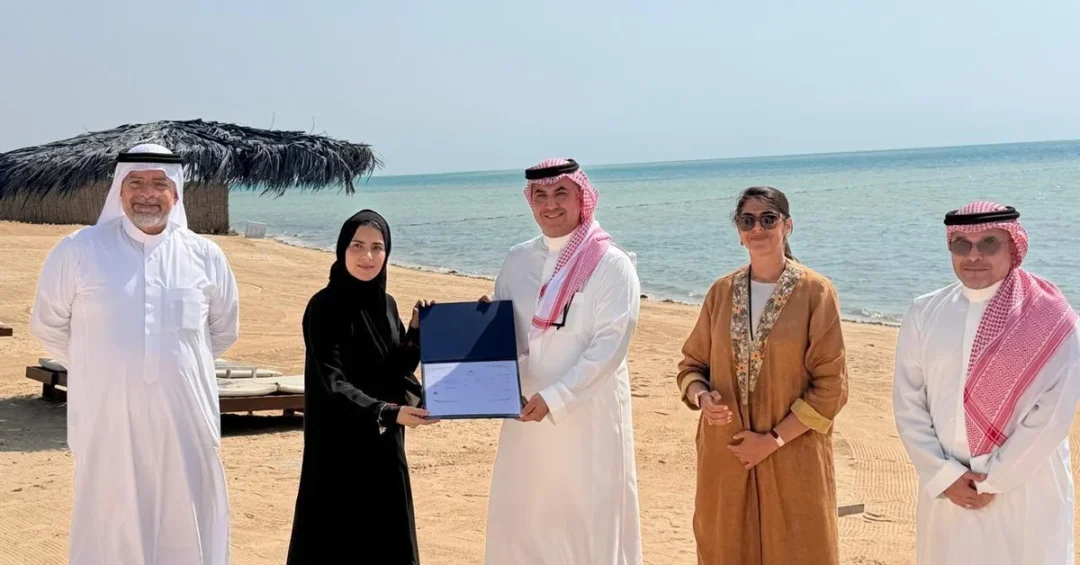
The Saudi Red Sea Authority (SRSA) has issued Saudi Arabia’s first beach operator license to Emaar, The Economic City (EEC) for the operation of Yam Beach in King Abdullah Economic City. The landmark decision, announced on October 12, 2026, marks a significant milestone in the implementation of the Kingdom’s regulatory framework for beach operations and the development of a well-regulated, investment-ready coastal and marine tourism sector. The license was issued through the unified coastal tourism platform (RSA), in accordance with the Beach Operators’ Requirements and Conditions introduced by SRSA in late 2025. This first-of-its-kind approval translates the Kingdom’s beach regulations into practice, providing investors and operators with greater clarity on licensing requirements, operational standards, and their responsibilities in ensuring beach readiness, visitor safety, and environmental protection.
Have you ever wondered how a nation transforms its coastline into a world-class destination while safeguarding its natural treasures? The answer lies in robust regulation and strategic vision. The issuance of this license establishes a framework for expanding private-sector beach services while enhancing the overall visitor experience. It follows close coordination between SRSA and the Economic Cities and Special Zones Authority (ECZA), which oversees King Abdullah Economic City, alongside collaboration with the private sector. This cooperation supports the operational readiness of beaches, raises service standards, and strengthens the appeal of Saudi Arabia’s coastal destinations to domestic and international visitors. As the Kingdom accelerates its tourism ambitions, this development serves as a blueprint for sustainable coastal development, ensuring that economic growth and environmental stewardship go hand in hand.
Context and Background
Why is the licensing of a single beach in King Abdullah Economic City such a pivotal moment for the entire Kingdom? To understand its significance, one must look at the broader context of Saudi Arabia’s regulatory evolution. In late 2025, the Saudi Red Sea Authority introduced the Beach Operators’ Requirements and Conditions, a comprehensive set of standards designed to professionalize beach operations across the Red Sea coast. These regulations were crafted to provide a clear, transparent framework for investors, ensuring that development proceeds in an orderly and sustainable manner. The issuance of the first license under this framework signals that the regulatory infrastructure is now fully operational, offering a predictable environment for private-sector participation.
The Saudi Red Sea Authority, established to regulate and develop coastal and marine tourism, has been instrumental in creating an enabling environment for investment. By partnering with the Economic Cities and Special Zones Authority, SRSA ensures that licensing aligns with broader economic zone objectives. King Abdullah Economic City, a flagship development project, serves as an ideal testing ground for these new standards. The city’s master plan already includes extensive coastal assets, and Yam Beach is positioned to become a model for future beach operations. This collaborative approach underscores the Kingdom’s commitment to integrated planning, where regulatory bodies work in tandem to unlock the economic potential of Saudi Arabia’s 1,800-kilometer Red Sea coastline.
What does this mean for the average visitor or investor? For visitors, it promises a safer, cleaner, and more enjoyable beach experience. For investors, it offers a clear pathway to participate in a growing market. The license to Emaar, The Economic City, a major developer with a proven track record, demonstrates confidence in the regulatory framework and sets a precedent for others to follow. As more beaches come under this licensing regime, the Kingdom will see a ripple effect of improved services, enhanced safety, and greater environmental protection, all of which are essential to building a sustainable tourism ecosystem.
Key Details of the Licensing Framework
What specific standards must beach operators meet to obtain and retain a license? The Beach Operators’ Requirements and Conditions are rigorous and comprehensive, reflecting the Kingdom’s commitment to excellence. Under the licensing requirements, operators must provide essential facilities and services, including restrooms, showers, changing areas, and food and beverage outlets. Accessibility for persons with disabilities is mandatory, ensuring that beaches are inclusive for all visitors. Certified lifeguard coverage is required throughout operating hours, with clearly designated swimming areas separated from marine activity zones to prevent accidents. Comprehensive safety and emergency evacuation plans must be in place, and operators are subject to regular inspections to ensure ongoing compliance.
Environmental protection is equally central to the licensing framework. Operators are required to implement appropriate waste management practices, including recycling and proper disposal of refuse. They must monitor water and sand quality regularly, adhering to strict environmental standards. Safeguarding marine habitats and wildlife is a key obligation, ensuring that the sustainable management of natural coastal assets remains an integral part of beach operations. These requirements align with global best practices and demonstrate Saudi Arabia’s dedication to preserving its marine environment for future generations. The license for Yam Beach, issued to Emaar, The Economic City, serves as a testament to the developer’s ability to meet these high standards.
How will these standards be enforced to guarantee consistent quality? The Saudi Red Sea Authority oversees compliance through the unified coastal tourism platform (RSA), which streamlines licensing, monitoring, and reporting. Operators must submit regular reports on safety, environmental, and operational metrics. SRSA conducts periodic audits and can revoke licenses for non-compliance. This robust oversight ensures that the promise of a well-regulated beach sector is not just aspirational but a reality. The issuance of the first license marks the beginning of a new era where beach operations are held to the highest standards, benefiting visitors, communities, and the environment alike.
International and Regional Impact
How does this development position Saudi Arabia on the global tourism stage? The licensing of Yam Beach is a clear signal to the international community that the Kingdom is serious about becoming a top-tier coastal tourism destination. With its pristine Red Sea waters, coral reefs, and diverse marine life, Saudi Arabia offers a unique proposition for travelers seeking authentic and sustainable experiences. By establishing a rigorous regulatory framework, the Kingdom reassures international investors and tourists that its beaches are safe, well-managed, and environmentally responsible. This enhances Saudi Arabia’s competitiveness against established destinations like the Maldives, Egypt, and the Caribbean, and supports the goals of Vision 2030 to diversify the economy and increase tourism’s contribution to GDP.
Regionally, the move sets a benchmark for neighboring countries. The Red Sea is a shared resource, and Saudi Arabia’s proactive approach to regulating beach operations can inspire similar initiatives across the region. The collaboration between SRSA and the Economic Cities and Special Zones Authority demonstrates how integrated governance can drive sustainable development. Moreover, the license to Emaar, The Economic City, a major player in the Saudi market, underscores the confidence of the private sector in the Kingdom’s regulatory direction. As more licenses are issued, Saudi Arabia will solidify its reputation as a leader in responsible coastal tourism, attracting visitors from around the world and fostering regional cooperation.
Economic and Strategic Significance
What economic benefits will flow from this first license? The development of Yam Beach as a licensed operation is expected to stimulate job creation, support local businesses, and attract further investment. The beach will require staff for lifeguarding, maintenance, hospitality, and security, providing employment opportunities for residents of King Abdullah Economic City and surrounding areas. The enhanced services and safety measures will draw more visitors, boosting spending at local restaurants, shops, and hotels. This, in turn, generates tax revenue and supports the growth of the tourism sector, which Vision 2030 identifies as a key pillar of economic diversification.
Strategically, the licensing framework is a critical enabler of the Kingdom’s broader coastal development plans. The Red Sea Project, NEOM, and other giga-projects are transforming the coastline into a network of luxury resorts and sustainable communities. A standardized, transparent licensing process is essential to ensure that these developments adhere to consistent quality and environmental standards. The license for Yam Beach is a pilot that will inform future licensing across the Red Sea and beyond. By establishing a clear regulatory pathway, SRSA is unlocking private-sector investment and accelerating the pace of development, while safeguarding the natural assets that make Saudi Arabia’s coast so special.
How does this align with the Kingdom’s long-term economic vision? The issuance of the first beach operator license is a microcosm of Vision 2030 in action: it demonstrates regulatory reform, private-sector engagement, environmental stewardship, and a focus on enhancing quality of life. It creates a foundation for a vibrant coastal tourism industry that will contribute to GDP growth, create jobs, and showcase Saudi Arabia as a welcoming and modern destination. As more beaches are licensed and developed, the cumulative impact will be substantial, driving economic diversification and reinforcing the Kingdom’s position as a global tourism hub.
Vision 2030 Alignment
How does the licensing of Yam Beach advance the objectives of Saudi Vision 2030? Vision 2030 aims to diversify the economy away from oil, increase the tourism sector’s contribution to GDP from 3% to 10%, and create one million new jobs in tourism. The establishment of a regulated beach operations sector directly supports these goals by attracting investment, generating employment, and enhancing the visitor experience. The Saudi Red Sea Authority’s regulatory framework ensures that growth is sustainable and inclusive, aligning with the Vision’s emphasis on environmental protection and quality of life. The license to Emaar, The Economic City, is a tangible step toward realizing these ambitions, proving that the Kingdom can balance economic development with environmental stewardship.
Can this model be replicated across the Kingdom’s coastline? Absolutely. The success of Yam Beach as the first licensed beach operation will serve as a template for future licenses along the Red Sea and beyond. The Saudi Red Sea Authority, in partnership with the Economic Cities and Special Zones Authority and the private sector, will continue to refine and expand the licensing regime. This iterative approach ensures that best practices are shared and that standards are consistently high. As Saudi Arabia progresses toward its Vision 2030 targets, the licensing of beach operators will play a vital role in creating a world-class tourism infrastructure that welcomes the world while preserving the Kingdom’s natural and cultural heritage. The future of Saudi coastal tourism is bright, and this first license is just the beginning.
20 Questions
Q1. What is the significance of Saudi Arabia’s first beach operator license?
A1. It marks a milestone in implementing the Kingdom’s beach regulations, providing a clear framework for private-sector investment in coastal tourism and ensuring high standards for safety, environment, and visitor experience.
Q2. Who issued the license and to whom?
A2. The Saudi Red Sea Authority (SRSA) issued the license to Emaar, The Economic City (EEC) for the operation of Yam Beach in King Abdullah Economic City.
Q3. What is the unified coastal tourism platform (RSA)?
A3. RSA is a digital platform through which SRSA issues licenses and manages compliance, streamlining processes for operators and ensuring adherence to the Beach Operators’ Requirements and Conditions.
Q4. What are the Beach Operators’ Requirements and Conditions?
A4. Introduced by SRSA in late 2025, these regulations outline mandatory standards for facilities, safety, accessibility, and environmental protection that beach operators must meet to obtain and maintain a license.
Q5. What facilities must licensed beach operators provide?
A5. Operators must offer essential facilities such as restrooms, showers, changing areas, food and beverage services, and ensure accessibility for persons with disabilities, along with certified lifeguards and designated swimming zones.
Q6. How does the licensing framework ensure environmental protection?
A6. Operators must implement waste management practices, monitor water and sand quality, and safeguard marine habitats and wildlife, ensuring sustainable management of coastal assets.
Q7. What role does the Economic Cities and Special Zones Authority (ECZA) play?
A7. ECZA oversees King Abdullah Economic City and coordinated with SRSA to ensure the licensing process aligns with the city’s development goals and operational readiness.
Q8. How does this license benefit visitors to Yam Beach?
A8. Visitors can expect a safer, cleaner, and more enjoyable experience with improved facilities, certified lifeguards, designated swimming areas, and enhanced environmental quality.
Q9. What economic impact will this license have?
A9. It will stimulate job creation in beach operations, hospitality, and maintenance, attract more visitors, and support local businesses, contributing to economic diversification under Vision 2030.
Q10. How does this align with Saudi Vision 2030?
A10. It supports the Vision’s goals to diversify the economy, increase tourism’s GDP contribution, create jobs, and enhance quality of life while promoting sustainable development and environmental stewardship.
Q11. Will more beach operator licenses be issued in the future?
A11. Yes, this first license sets a precedent and provides a template for expanding the licensing regime to more beaches along the Red Sea coast and beyond, fostering a well-regulated sector.
Q12. What are the penalties for non-compliance with licensing requirements?
A12. Non-compliance can result in fines, suspension, or revocation of the license, as SRSA conducts regular inspections and audits to ensure adherence to standards.
Q13. How does this initiative support local communities?
A13. It creates employment opportunities, supports local businesses, and enhances community amenities, while also promoting environmental awareness and sustainable practices among residents and visitors.
Q14. What makes King Abdullah Economic City an ideal location for the first license?
A14. The city is a flagship economic zone with existing coastal infrastructure, strong governance, and a commitment to sustainable development, making it a perfect testing ground for new regulations.
Q15. How does the license address accessibility for persons with disabilities?
A15. Operators are required to provide accessible facilities and services, ensuring that beaches are inclusive and welcoming to all visitors, in line with international best practices.
Q16. What environmental standards must be met regarding water quality?
A16. Operators must regularly monitor water and sand quality, adhering to strict environmental benchmarks to protect public health and marine ecosystems, as stipulated in the licensing conditions.
Q17. How does this development enhance Saudi Arabia’s global tourism competitiveness?
A17. It demonstrates the Kingdom’s commitment to high-quality, sustainable tourism, attracting international visitors and investors who value safety, environmental responsibility, and world-class amenities.
Q18. What is the role of SRSA in regulating beach operations?
A18. SRSA regulates and develops coastal and marine tourism, issuing licenses, setting standards, and monitoring compliance to ensure a well-regulated, investment-ready sector that aligns with Vision 2030.
Q19. How will the license improve beach safety?
A19. Mandatory certified lifeguards, designated swimming areas, and comprehensive emergency plans will significantly reduce risks and enhance visitor safety throughout operating hours.
Q20. What is the long-term vision for Saudi Arabia’s coastal tourism?
A20. The long-term vision is to create a sustainable, world-class coastal tourism sector that contributes significantly to the economy, preserves natural heritage, and positions Saudi Arabia as a leading global destination.
Reader Feedback
We value your thoughts. Please share your feedback on this article.
Your feedback helps us improve our coverage.