


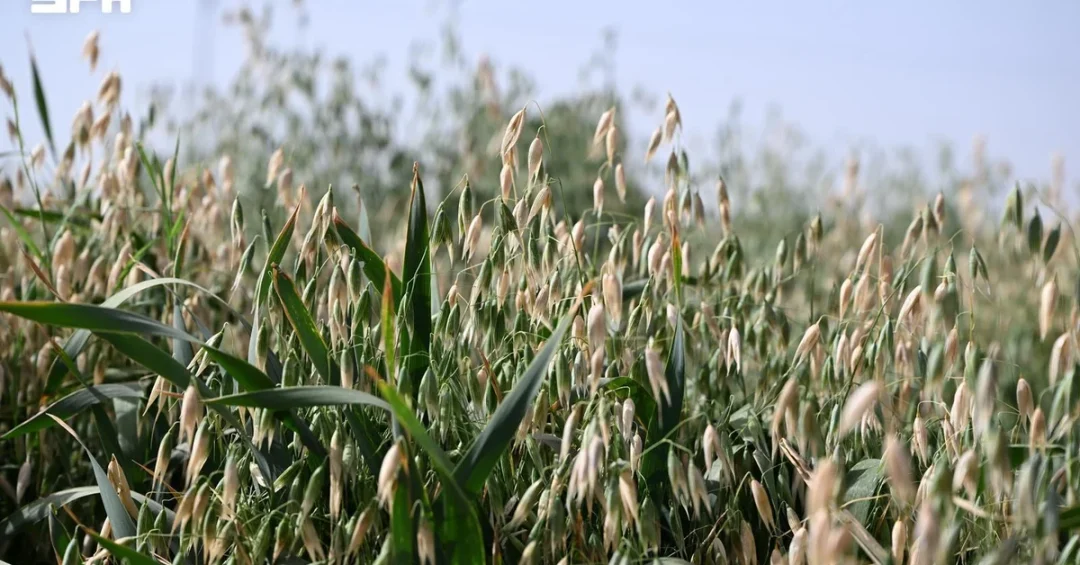
Oat farming in Najran is emerging as a promising economic option that supports food security and strengthens the region’s agricultural economy, according to the Saudi Press Agency (SPA). In a report released on June 4, 2026, SPA highlighted that oat cultivation in the southern region has successfully developed into a fully integrated economic crop, offering high-quality nutritional and economic returns at low operational costs. The development aligns with the Kingdom’s broader efforts to diversify its economy and enhance domestic food production under Vision 2030.
Could this relatively humble grain become a cornerstone of Saudi Arabia’s agricultural renaissance? The SPA report suggests it very well might, noting that oats can be easily stored and processed into various forms, including long-shelf canned products, flour, powder, and whole grains. This versatility, combined with the region’s favorable growing conditions, positions Najran as a potential hub for sustainable oat production. As Saudi Arabia continues to prioritize food security and water conservation, the success of oat farming in Najran offers a replicable model for other regions across the Kingdom.
Context and Background
Why has Najran become such a fertile ground for this particular crop? The answer lies in a combination of geography, climate, and deliberate agricultural planning. Najran, located in the southwestern part of Saudi Arabia, is known for its fertile soil, abundant water resources, and suitable climate, all of which have contributed to high-quality and abundant oat yields. According to agricultural engineer Fahad Al Mustaneer, the oat growing season in the region begins in winter and concludes with harvesting in early summer, a cycle that fits well with the Kingdom’s broader agricultural calendar.
Historically, Saudi Arabia has relied heavily on imports to meet its domestic demand for grains. However, in recent years, the Kingdom has made significant strides in diversifying its agricultural output, focusing on crops that require less water and offer high economic value. Oats fit this profile perfectly. They require minimal water consumption, which reduces water waste and aligns with the Kingdom’s environmental sustainability goals. Moreover, oats are compatible with modern drip irrigation technology, making them an ideal crop for a country that is constantly seeking to optimize its water usage.
The SPA report underscores that oat cultivation is not a new experiment but a fully integrated economic crop as of 2026. This integration means that every stage of the value chain—from planting to processing to distribution—has been optimized. The result is a product that not only meets local demand but also has the potential to contribute to regional food security. As other regions in the Kingdom look to replicate Najran’s success, the lessons learned here could inform a national strategy for sustainable grain production.
Key Details
What exactly makes oat farming in Najran so economically attractive? First and foremost, the low operational costs. According to Al Mustaneer, oats are fast-growing and disease-resistant, which reduces the need for expensive inputs such as pesticides and fungicides. This makes oat farming accessible to small-scale farmers and large agricultural enterprises alike. Additionally, the crop’s compatibility with drip irrigation technology means that farmers can achieve high yields without depleting precious water resources.
The versatility of oats as a final product is another key factor. The SPA report notes that oats can be processed into long-shelf canned products, flour, powder, and whole grains. This diversity of end-products opens up multiple revenue streams for farmers and processors. For example, oat flour is increasingly in demand globally as a gluten-free alternative to wheat flour, while whole grains and canned products cater to health-conscious consumers. This range of applications ensures that there is a market for every part of the harvest, reducing waste and maximizing profitability.
Furthermore, the timing of the growing season is advantageous. By planting in winter and harvesting in early summer, farmers in Najran can avoid the extreme heat of the peak summer months, which can stress crops and increase water requirements. This seasonal alignment also means that oats can be rotated with other crops, improving soil health and reducing the risk of pest infestations. The integration of oats into existing farming systems thus enhances overall agricultural resilience.
International and Regional Impact
How does Najran’s oat farming success resonate beyond the Kingdom’s borders? The development has significant implications for regional food security. The Middle East and North Africa region is one of the world’s largest importers of grains, making it vulnerable to global supply chain disruptions. By increasing domestic production of oats, Saudi Arabia can reduce its reliance on imports, thereby contributing to a more stable regional food supply. This is particularly important given the volatility of global commodity markets and the increasing frequency of climate-related disruptions.
Moreover, Saudi Arabia’s advancements in oat farming could serve as a model for other countries in the region facing similar challenges of water scarcity and arable land limitations. The Kingdom’s use of modern drip irrigation and its focus on low-water crops demonstrate that it is possible to achieve food security even in arid environments. As such, Najran’s oat farms are not just a local success story but a potential catalyst for regional cooperation in agricultural research and technology transfer. International organizations and neighboring countries may look to Saudi Arabia for best practices in sustainable agriculture.
On a global scale, the success of oat farming in Najran adds to the Kingdom’s growing reputation as an innovator in agricultural technology and food production. This aligns with Vision 2030’s goal of transforming Saudi Arabia into a global investment powerhouse and a hub for sustainable development. By showcasing its ability to produce high-quality oats efficiently, Saudi Arabia can attract foreign investment in its agricultural sector and strengthen its position in international food markets.
Economic and Strategic Significance
What does the rise of oat farming mean for Saudi Arabia’s economy? The economic benefits are multifaceted. At the local level, oat cultivation creates jobs in farming, processing, and distribution, providing a boost to Najran’s rural economy. The low operational costs mean that farmers can achieve healthy profit margins, which in turn stimulates further investment in agricultural infrastructure. As the sector grows, it can also support ancillary industries such as equipment manufacturing, logistics, and retail.
At the national level, reducing reliance on imported grains is a strategic imperative. Saudi Arabia spends billions of dollars annually on food imports. By substituting even a fraction of those imports with domestically grown oats, the Kingdom can improve its trade balance and enhance its economic resilience. Moreover, the development of a domestic oat industry can lead to the creation of value-added products for export, such as oat-based snacks and health foods, tapping into a global market that is projected to grow steadily in the coming years.
From a strategic perspective, food security is a matter of national security. The COVID-19 pandemic and subsequent geopolitical tensions have exposed the vulnerabilities of global supply chains. By building a robust domestic agricultural sector, Saudi Arabia is taking proactive steps to ensure that its population has reliable access to nutritious food. Oats, with their high nutritional value and long shelf life, are an excellent addition to the Kingdom’s food security portfolio. The success in Najran thus represents a significant step toward greater self-sufficiency.
Vision 2030 Alignment
How does oat farming in Najran fit into Saudi Arabia’s long-term vision? Vision 2030, the Kingdom’s comprehensive plan for economic diversification and social reform, places a strong emphasis on sustainable development and food security. One of the vision’s key objectives is to ensure the sustainability of natural resources, particularly water. Oats require minimal water and are compatible with drip irrigation, making them an ideal crop for achieving this goal. By promoting water-efficient crops, Saudi Arabia is demonstrating its commitment to environmental stewardship.
Furthermore, Vision 2030 seeks to diversify the economy away from oil by developing new sectors, including agriculture. The oat farming initiative in Najran exemplifies this diversification in action. It shows how the Kingdom can leverage its regional strengths—fertile soil, favorable climate, and modern technology—to create new economic opportunities. As the sector expands, it can contribute to the creation of a vibrant, knowledge-based economy that offers fulfilling employment for Saudi citizens. The success of oat farming is thus a testament to the vision’s practical implementation and a promising sign of more agricultural breakthroughs to come.
In conclusion, the development of oat farming in Najran is a shining example of how Saudi Arabia is turning its agricultural challenges into opportunities. With its low water requirements, high nutritional value, and economic viability, oats are helping the Kingdom enhance food security while supporting the goals of Vision 2030. As the world watches, Saudi Arabia is proving that even in the harshest environments, innovation and determination can yield bountiful harvests.
20 Questions
Q1. What is the main economic benefit of oat farming in Najran?
A1. Oat farming in Najran offers high-quality nutritional and economic returns at low operational costs, making it a promising economic option for the region and supporting food security.
Q2. When does the oat growing season begin and end in Najran?
A2. According to agricultural engineer Fahad Al Mustaneer, the oat growing season in Najran begins in winter and concludes with harvesting in early summer.
Q3. Why are oats considered a water-efficient crop?
A3. Oats require minimal water consumption, which reduces water waste and makes them suitable for Saudi Arabia’s arid climate and water conservation goals.
Q4. What forms can oats be processed into according to the report?
A4. Oats can be processed into long-shelf canned products, flour, powder, and whole grains, offering versatility for various food products.
Q5. How does oat farming support Saudi Arabia’s food security?
A5. By increasing domestic production of oats, Saudi Arabia reduces reliance on imports, enhancing the stability and self-sufficiency of its food supply.
Q6. What role does modern drip irrigation play in oat farming?
A6. Oats are compatible with modern drip irrigation technology, which optimizes water usage and ensures efficient delivery of water to the crops.
Q7. Why is Najran particularly suited for oat cultivation?
A7. Najran has fertile soil, abundant water, and a suitable climate that have contributed to high-quality and abundant oat yields.
Q8. What are the storage advantages of oats?
A8. Oats are easy to store and have a long shelf life, especially when processed into canned products, which reduces post-harvest losses.
Q9. How does oat farming contribute to the local economy of Najran?
A9. It creates jobs in farming, processing, and distribution, and provides healthy profit margins for farmers due to low operational costs.
Q10. What makes oats resistant to diseases?
A10. Oats are naturally disease-resistant, reducing the need for chemical pesticides and lowering production costs.
Q11. How does oat farming align with Vision 2030?
A11. It supports economic diversification, water conservation, and food security, all of which are key objectives of Vision 2030.
Q12. What is the global demand trend for oat products?
A12. Global demand for oat products, such as gluten-free flour and health foods, is growing, offering export opportunities for Saudi Arabia.
Q13. How does oat cultivation improve soil health?
A13. Oats can be rotated with other crops, which helps improve soil health and reduces the risk of pest infestations.
Q14. What are the key recommendations for expanding oat farming in Saudi Arabia?
A14. Experts recommend wider cultivation of oats due to their low costs, compatibility with drip irrigation, fast growth, and disease resistance.
Q15. How does oat farming reduce water waste?
A15. Oats require minimal water, and when combined with drip irrigation, they significantly reduce water waste compared to other crops.
Q16. What economic returns can farmers expect from oat farming?
A16. Farmers can expect high-quality nutritional and economic returns, with low operational costs leading to healthy profit margins.
Q17. How does oat farming contribute to regional food security?
A17. By increasing domestic production, Saudi Arabia can contribute to a more stable regional food supply, reducing vulnerability to global market disruptions.
Q18. What are the nutritional benefits of oats?
A18. Oats are highly nutritious, offering dietary fiber, vitamins, and minerals, making them a valuable addition to a healthy diet.
Q19. What challenges does oat farming in Najran overcome?
A19. Oat farming overcomes challenges of water scarcity and high operational costs by using minimal water and being disease-resistant.
Q20. What is the future outlook for oat farming in Saudi Arabia?
A20. With continued support and innovation, oat farming in Saudi Arabia is poised to expand, contributing to food security and economic diversification under Vision 2030.
Reader Feedback
We value your thoughts. Please share your feedback on this article.
Your feedback helps us improve our coverage.