


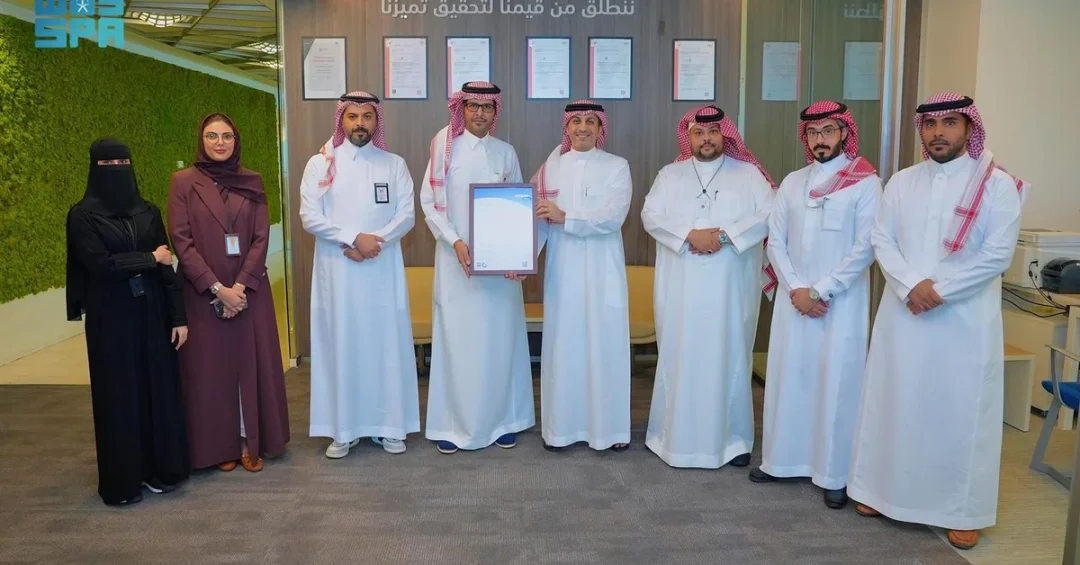
The Human Resources Development Fund (HRDF) has been awarded the International Accreditation Certificate for Business Continuity System (ISO 22301:2019), a globally recognized standard that acknowledges the Fund’s commitment to institutional excellence and operational resilience. The certification, announced by the Saudi Press Agency, highlights HRDF’s successful implementation of robust business continuity practices that ensure uninterrupted service delivery to beneficiaries, even during emergencies and crises. This achievement underscores the Fund’s dedication to aligning its policies and procedures with international best practices, reinforcing its role as a key enabler of Saudi Arabia’s human capital development under Vision 2030.
In an era where organizations worldwide face increasing disruptions, from natural disasters to global health crises, the ability to maintain essential services is paramount. HRDF’s attainment of ISO 22301:2019 certification demonstrates its proactive approach to risk management and its unwavering focus on beneficiary satisfaction. By embedding continuity principles into its core operations, the Fund not only safeguards its services but also enhances trust among job seekers, employers, and partners. This milestone reflects a broader national trend in Saudi Arabia, where government entities are embracing international standards to boost efficiency and resilience, in line with the Kingdom’s ambitious transformation agenda.
Context and Background
Why does business continuity matter so much in today’s fast-changing world? For organizations like HRDF, which play a critical role in supporting national employment and training initiatives, disruptions can have far-reaching consequences. Established to empower Saudi citizens through job placement, skills development, and financial support, HRDF is a cornerstone of the Kingdom’s efforts to build a diversified, knowledge-based economy. The ISO 22301:2019 accreditation is not merely a certificate; it is a testament to the Fund’s systematic approach to identifying potential threats and implementing measures to mitigate them. This aligns with global best practices, where business continuity management is increasingly seen as essential for organizational survival and growth.
The journey to certification involved rigorous assessments, policy enhancements, and employee training, all aimed at creating a resilient operational framework. HRDF’s achievement reflects a deep-seated commitment to continuous improvement, a principle that resonates with Saudi Arabia’s Vision 2030. As the Kingdom accelerates its economic diversification, entities like HRDF must be able to adapt swiftly to changing circumstances. The accreditation also signals to international partners and investors that HRDF operates at a world-class level, enhancing its credibility and attractiveness for collaboration. In a competitive global landscape, such certifications are more than badges of honor—they are strategic assets that facilitate smoother interactions and foster confidence.
Moreover, the timing of this certification is significant. As Saudi Arabia continues to navigate global economic uncertainties and regional dynamics, the resilience of its institutions becomes a cornerstone of stability. HRDF’s ability to maintain services during crises ensures that its beneficiaries—ranging from young job seekers to established professionals—can rely on consistent support. This reliability is crucial for sustaining momentum in national development projects and for upholding the social contract between the state and its citizens. By prioritizing business continuity, HRDF sets a benchmark for other public sector organizations, encouraging a culture of preparedness and adaptability across the Kingdom.
Key Details of the Accreditation
What exactly does ISO 22301:2019 certification entail, and why is it considered a gold standard? The International Organization for Standardization (ISO) developed this framework to help organizations establish, implement, maintain, and continually improve a business continuity management system (BCMS). It specifies requirements for planning, operating, monitoring, and reviewing continuity capabilities, ensuring that critical functions can continue during and after disruptive incidents. For HRDF, meeting these requirements meant conducting comprehensive risk assessments, developing detailed recovery strategies, and regularly testing its response plans. The certification process involved external auditors who evaluated the Fund’s policies, procedures, and actual readiness, ultimately confirming compliance with international norms.
By achieving this accreditation, HRDF joins an elite group of organizations globally that have demonstrated mastery in resilience. The certificate is valid for three years, subject to annual surveillance audits, which means the Fund must maintain and continuously enhance its BCMS. This ongoing commitment ensures that HRDF remains agile and responsive to emerging challenges. Key elements of the certification include top management involvement, clear communication protocols, and a culture of continuous improvement. For HRDF, these elements are already ingrained in its operations, as it strives to provide seamless services such as unemployment benefits, training subsidies, and employment support. The accreditation thus formalizes and validates practices that have long been central to the Fund’s mission.
Furthermore, the certification highlights HRDF’s alignment with Saudi Arabia’s broader quality infrastructure. The Kingdom has been actively promoting the adoption of international standards across public and private sectors, as part of its National Transformation Program and Vision 2030. By obtaining ISO 22301:2019, HRDF contributes to this national drive, showcasing how Saudi institutions can compete on a global stage. It also sets a precedent for other government agencies to pursue similar certifications, thereby elevating the overall resilience of the Saudi economy. In a world where disruptions are inevitable, such preparedness is not just advantageous—it is essential for sustainable development and public trust.
International and Regional Impact
How does a national fund’s certification resonate beyond Saudi borders? In an interconnected global economy, the reliability of institutions affects international partnerships and investor confidence. HRDF’s accreditation sends a powerful message that Saudi Arabia is committed to maintaining stable, efficient public services, even under adverse conditions. This can attract foreign entities seeking reliable partners for joint ventures, training programs, and employment initiatives. Regionally, the certification positions HRDF as a leader in business continuity within the Gulf Cooperation Council (GCC) area, potentially inspiring similar moves by counterpart organizations in neighboring countries. It also aligns with Saudi Arabia’s growing role as a hub for international events and business, where seamless service delivery is critical.
Moreover, the accreditation enhances HRDF’s ability to collaborate with global organizations, as ISO standards are universally recognized. Whether engaging with multinational corporations, international labor organizations, or foreign governments, HRDF can now point to a verified framework for resilience, reducing perceived risks. This is particularly important as Saudi Arabia expands its global footprint through initiatives like the Middle East Green Initiative and its G20 leadership. By demonstrating that its institutions adhere to world-class standards, the Kingdom reinforces its reputation as a reliable and forward-looking nation. For international observers, HRDF’s achievement is a clear indicator of Saudi Arabia’s systematic approach to governance and service delivery.
Economic and Strategic Significance
What are the economic implications of HRDF’s certification? A resilient workforce development fund directly supports economic stability by ensuring that talent development and employment services continue uninterrupted. In times of crisis, such as economic downturns or health emergencies, the ability to quickly deploy support to job seekers and employers can mitigate unemployment and stimulate recovery. HRDF’s enhanced continuity capabilities mean that its financial assistance, training programs, and job-matching services remain operational, providing a lifeline to beneficiaries and helping to stabilize the labor market. This, in turn, supports Saudi Arabia’s broader economic diversification goals by maintaining a skilled and adaptable workforce.
Strategically, the certification underscores the Kingdom’s commitment to building robust institutions as part of Vision 2030. HRDF is instrumental in achieving targets related to reducing unemployment, increasing female labor force participation, and enhancing the skills of Saudi youth. By safeguarding these functions, the Fund contributes to the long-term sustainability of national development efforts. Additionally, the accreditation can lead to operational efficiencies, as streamlined continuity processes reduce downtime and resource wastage. This aligns with the Vision 2030 objective of creating a more efficient and effective government. Ultimately, HRDF’s achievement is a building block in Saudi Arabia’s journey toward a diversified, resilient, and knowledge-driven economy.
Vision 2030 Alignment
How does HRDF’s accreditation fit into the grand tapestry of Vision 2030? At its core, Vision 2030 aims to transform Saudi Arabia into a diversified, innovative, and resilient nation, with a thriving private sector and a empowered citizenry. HRDF’s mission—to develop human capital and facilitate employment—is directly linked to these goals. By ensuring business continuity, the Fund guarantees that its support for job seekers, trainees, and employers remains steadfast, even in challenging times. This reliability is essential for building a productive workforce and achieving the Vision’s targets for economic participation and social welfare. The certification also reflects the Vision’s emphasis on excellence, international collaboration, and continuous improvement.
As Saudi Arabia marches toward 2030 and beyond, the resilience of its institutions will be a defining factor in its success. HRDF’s ISO 22301:2019 certification is more than an accolade; it is a commitment to upholding the highest standards of service delivery, no matter the circumstances. This forward-looking approach ensures that the Fund can adapt to future challenges, from technological disruptions to global economic shifts, while keeping the needs of its beneficiaries at the forefront. In doing so, HRDF not only fulfills its mandate but also contributes to the Kingdom’s global standing as a model of progress and stability. The accreditation thus serves as a beacon of Saudi Arabia’s unwavering dedication to a prosperous and secure future for all.
20 Questions
Q1. What is the Human Resources Development Fund (HRDF)?
A1. HRDF is a Saudi government fund that supports human capital development by providing job placement, training, and financial assistance to citizens. It plays a key role in achieving Vision 2030 employment targets.
Q2. What certification did HRDF receive?
A2. HRDF received the International Accreditation Certificate for Business Continuity System, specifically ISO 22301:2019, recognizing its ability to maintain operations during emergencies and crises.
Q3. What does ISO 22301:2019 signify?
A3. ISO 22301:2019 is a globally recognized standard for business continuity management. It certifies that an organization has robust systems to prevent, prepare for, respond to, and recover from disruptive incidents.
Q4. Why is business continuity important for HRDF?
A4. Business continuity ensures HRDF can continue providing essential services like unemployment benefits and training subsidies without interruption, which is crucial for beneficiaries’ stability and trust in the Fund.
Q5. How does this certification benefit HRDF’s beneficiaries?
A5. Beneficiaries gain assurance that support services will remain available even during crises, ensuring consistent access to financial aid, training, and job opportunities, which enhances their livelihood and career prospects.
Q6. What steps did HRDF take to achieve this certification?
A6. HRDF conducted risk assessments, developed recovery strategies, trained staff, and underwent external audits to align its policies and procedures with ISO 22301:2019 requirements.
Q7. How does this certification reflect Saudi Arabia’s Vision 2030?
A7. It aligns with Vision 2030’s goals of institutional excellence, economic resilience, and human capital development, showcasing the Kingdom’s commitment to adopting international best practices.
Q8. Will this certification affect HRDF’s international partnerships?
A8. Yes, it enhances HRDF’s credibility and attractiveness as a reliable partner, facilitating collaborations with global organizations that value standardized resilience frameworks.
Q9. Does the certification have a validity period?
A9. Yes, ISO 22301:2019 certification is valid for three years, with annual surveillance audits to ensure ongoing compliance and continuous improvement.
Q10. How does HRDF’s achievement impact other Saudi institutions?
A10. It sets a benchmark, encouraging other government entities to pursue similar certifications, thereby elevating overall resilience and service quality across the public sector.
Q11. What are the key components of HRDF’s business continuity management system?
A11. Key components include top management commitment, risk assessment, business impact analysis, recovery strategies, communication plans, and regular testing and training exercises.
Q12. How does this certification support Saudi Arabia’s economic diversification?
A12. By ensuring HRDF’s services remain uninterrupted, it helps maintain a skilled workforce, which is vital for private sector growth and reducing dependence on oil revenues.
Q13. What role did HRDF’s leadership play in achieving this certification?
A13. HRDF’s leadership demonstrated strong commitment by allocating resources, fostering a culture of resilience, and overseeing the implementation of internationally recognized continuity practices.
Q14. Can other countries learn from HRDF’s approach?
A14. Yes, HRDF’s systematic approach to business continuity can serve as a model for similar organizations globally, especially those in emerging economies seeking to enhance resilience.
Q15. How does the certification affect HRDF’s daily operations?
A15. It institutionalizes best practices, ensuring that continuity considerations are integrated into daily operations, which improves efficiency and preparedness for potential disruptions.
Q16. What is the significance of ISO 22301:2019 for Saudi Arabia’s public sector?
A16. It signals a shift toward international standardization, promoting accountability, transparency, and reliability in public services, which is central to Vision 2030 reforms.
Q17. How might this certification influence HRDF’s future initiatives?
A17. It may lead to new partnerships, funding opportunities, and expanded programs, as HRDF can now demonstrate a verified capacity to sustain services under any conditions.
Q18. Is the certification specific to HRDF or can it be applied to other entities?
A18. The certification is specific to HRDF’s business continuity system, but the ISO 22301 standard is applicable to any organization aiming to enhance resilience.
Q19. What message does this send to HRDF’s stakeholders?
A19. It reassures stakeholders—including beneficiaries, partners, and government—that HRDF is committed to reliable service delivery and continuous improvement, building trust and confidence.
Q20. How does this achievement contribute to Saudi Arabia’s global image?
A20. It reinforces Saudi Arabia’s reputation as a forward-thinking nation that embraces international standards, enhancing its global standing as a reliable and innovative economy.
Reader Feedback
We value your thoughts. Please share your feedback on this article.
Your feedback helps us improve our coverage.