


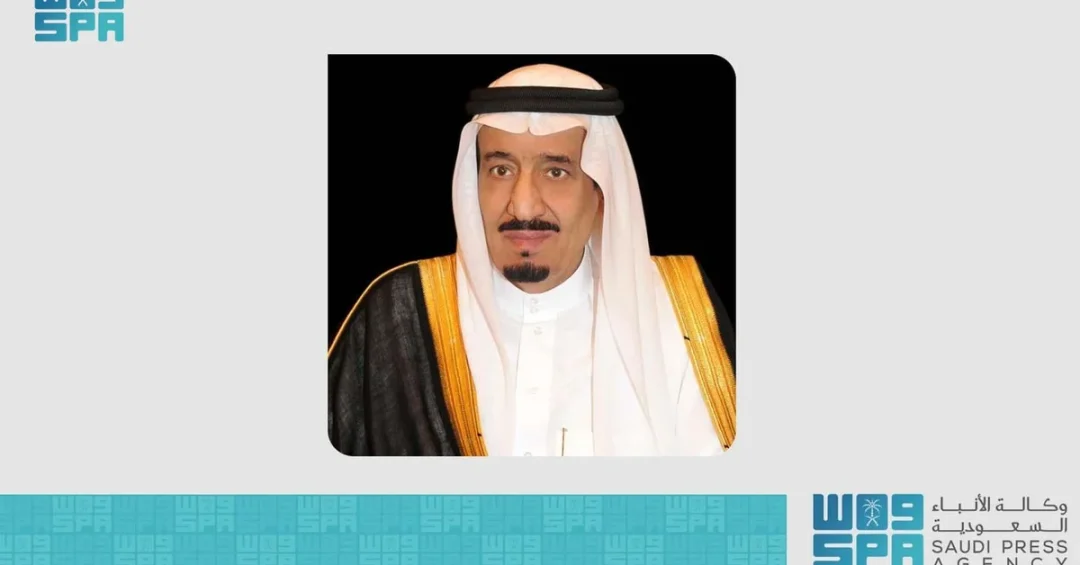
The Custodian of the Two Holy Mosques, King Salman bin Abdulaziz Al Saud, has issued a Royal Order promoting and appointing 50 judges to the Board of Grievances, in a significant move to strengthen Saudi Arabia’s administrative judiciary and enhance the efficiency of its judicial system. The announcement, carried by the Saudi Press Agency (SPA), underscores the leadership’s unwavering commitment to the continuous development of the Kingdom’s legal institutions and the delivery of prompt, high-quality justice. The Royal Order follows a recommendation from the President of the Board of Grievances and the Administrative Judicial Council, Sheikh Dr. Khalid bin Mohammed Al-Yousef, reflecting the rigorous, merit-based process that governs judicial appointments in Saudi Arabia.
This decision is part of a broader, ongoing effort to modernize and elevate the standards of the Saudi judiciary, ensuring it keeps pace with the rapid economic and social transformations underway in the Kingdom. It signals a clear message: Saudi Arabia is investing in its people and institutions to guarantee fairness, transparency, and efficiency in all legal matters. For an international audience observing the Kingdom’s progress, this development offers a fresh glimpse into how Vision 2030 is being implemented not only through mega-projects but also through the quiet strengthening of the rule of law.
Context and Background
Why does the promotion and appointment of 50 judges matter at this particular moment in Saudi Arabia’s history? The answer lies in the unprecedented scale of the Kingdom’s transformation. As Saudi Arabia pursues Vision 2030, it is simultaneously overhauling its legal framework to attract foreign investment, facilitate business, and protect the rights of citizens and residents alike. The Board of Grievances, which functions as the administrative judiciary, plays a pivotal role in adjudicating disputes involving government entities and ensuring that administrative decisions are lawful and just. Strengthening this institution is therefore not merely an internal administrative matter but a strategic imperative that underpins the entire economic reform agenda.
The appointment of new judges, selected from among the most qualified and talented legal minds, aims to improve performance and guarantee quality and efficiency across all judicial matters. Sheikh Dr. Al-Yousef emphasized that this Royal Order reflects the wise leadership’s commitment to advancing the administrative judiciary, a sentiment that echoes the broader national drive to enhance governance and accountability. By continuously injecting fresh expertise into the judicial corps, the Kingdom ensures that its courts can handle increasingly complex cases arising from a dynamic, diversified economy. This is a forward-looking approach that aligns judicial capacity with the pace of national development.
Historically, Saudi Arabia has taken gradual but deliberate steps to reform its judiciary. The Board of Grievances itself has undergone significant expansion and modernization over the past decade, including the adoption of digital case management systems and the introduction of specialized administrative circuits. The recent Royal Order is another milestone in this trajectory, demonstrating that the leadership does not view judicial development as a one-time project but as an ongoing, adaptive process. For international observers, this consistency sends a reassuring signal about the stability and predictability of Saudi Arabia’s legal environment.
Key Details of the Royal Order
What exactly does the Royal Order entail, and what are its immediate effects? According to the Saudi Press Agency, the order promotes and appoints 50 judges to various positions within the Board of Grievances. The promotions recognize the judges’ experience, integrity, and service, while the new appointments bring additional talent into the administrative judiciary. The President of the Board of Grievances and the Administrative Judicial Council, Sheikh Dr. Khalid bin Mohammed Al-Yousef, stated that the order reflects the leadership’s commitment to improving the administrative judiciary, ensuring that performance is enhanced and quality and efficiency are upheld in all judicial matters.
The selection process for these judges is rigorous, involving evaluations of legal expertise, professional conduct, and adherence to the highest ethical standards. This merit-based system is crucial for maintaining public trust in the judiciary and for ensuring that judicial decisions are both competent and impartial. The Royal Order, issued by the Custodian of the Two Holy Mosques himself, carries the highest authority and underscores the personal attention that King Salman bin Abdulaziz Al Saud devotes to the integrity of the Kingdom’s legal institutions.
In practical terms, the addition of 50 judges will help reduce case backlogs, speed up the resolution of administrative disputes, and enhance the overall user experience for individuals and businesses interacting with the administrative court system. This is particularly important as Saudi Arabia experiences a surge in economic activity, with new regulations and large-scale projects generating a growing number of legal questions that require expert adjudication. The timely deployment of additional judicial resources ensures that the system remains robust and responsive.
Furthermore, the Royal Order is likely to have a positive impact on judicial morale and career development. By providing clear pathways for promotion, the leadership encourages judges to excel and to view their roles as long-term, respected careers. This, in turn, helps attract and retain top legal talent within the public sector, a key factor in building a world-class judiciary.
International and Regional Impact
How does Saudi Arabia’s investment in its judiciary resonate beyond its borders? In an era when global investors scrutinize legal environments before committing capital, a strong, efficient, and fair administrative judiciary is a powerful asset. The Royal Order signals to the international business community that the Kingdom is serious about the rule of law and about providing effective remedies for disputes involving government entities. This can enhance Saudi Arabia’s attractiveness as a destination for foreign direct investment, a core objective of Vision 2030. Multinational companies considering establishing regional headquarters in Riyadh or participating in giga-projects can take confidence from the fact that the administrative justice system is being continuously upgraded.
Regionally, Saudi Arabia’s judicial modernization serves as a model for other nations in the Middle East and beyond. By demonstrating that a traditional legal system can evolve to meet contemporary needs while preserving its cultural and religious foundations, the Kingdom offers a template for balancing tradition with modernity. This soft power dimension is often overlooked but is increasingly recognized in diplomatic and academic circles. The Royal Order, though a domestic matter, contributes to Saudi Arabia’s growing reputation as a reform-minded leader in the region.
Additionally, the strengthened administrative judiciary supports the Kingdom’s role as a hub for international organizations, arbitration, and legal conferences. As Saudi Arabia hosts more global events and attracts more expatriate professionals, the demand for a predictable, efficient legal system grows. The appointment of 50 additional judges directly addresses this demand, ensuring that the Kingdom’s legal infrastructure keeps pace with its global ambitions. This is not just about handling more cases; it is about signaling a commitment to justice that aligns with the highest international standards.
Economic and Strategic Significance
What are the economic implications of a more robust administrative judiciary? The relationship between legal certainty and economic growth is well-established. Businesses, both domestic and foreign, are more likely to invest and expand when they trust that contracts will be enforced and that disputes with government agencies will be resolved fairly and swiftly. By enhancing the Board of Grievances, Saudi Arabia is effectively reducing legal risk, which can lower the cost of capital and stimulate entrepreneurship. This is especially critical as the Kingdom seeks to diversify its economy away from oil dependence, fostering sectors such as technology, tourism, and manufacturing that rely on clear, enforceable rules.
Strategically, the Royal Order supports the broader governance reforms embedded in Vision 2030, including the National Transformation Program and the Public Investment Fund’s expansive investment agenda. These initiatives often involve complex contractual arrangements and regulatory approvals, which can give rise to administrative disputes. A well-functioning administrative judiciary provides a safety net, ensuring that such disputes do not derail projects or undermine investor confidence. In this sense, the appointment of 50 judges is an investment in the Kingdom’s economic future, protecting the gains of Vision 2030 and enabling further growth.
Moreover, the promotion aspect of the Royal Order is significant for institutional development. It rewards experience and dedication, creating a culture of excellence within the judiciary. This can lead to more consistent and predictable rulings, which in turn benefit the business community and the general public. Over time, a judiciary known for its competence and fairness becomes a national asset, contributing to Saudi Arabia’s competitiveness in the global economy.
Vision 2030 Alignment
How does this Royal Order fit into the grand tapestry of Vision 2030? At its core, Vision 2030 is about building a thriving, diversified economy and a vibrant society, underpinned by effective governance. A key pillar of effective governance is an independent, efficient, and trusted judiciary. By promoting and appointing 50 judges to the Board of Grievances, the Custodian of the Two Holy Mosques is directly advancing this pillar, ensuring that the legal system can support the ambitious social and economic transformations underway. This move aligns with the Vision’s emphasis on transparency, accountability, and the rule of law, which are essential for attracting investment and fostering public trust.
Furthermore, the Royal Order reflects the leadership’s long-term perspective. Vision 2030 is a marathon, not a sprint, and its success depends on the continuous strengthening of institutions. The judiciary is one such institution, and the regular infusion of new talent ensures it remains dynamic and responsive. As Saudi Arabia marches toward its 2030 goals, the administrative judiciary will play an increasingly vital role in adjudicating the complex issues that arise from rapid development. This latest Royal Order is therefore not just a routine administrative action; it is a strategic investment in the Kingdom’s future, reaffirming Saudi Arabia’s commitment to justice, prosperity, and global leadership.
20 Questions
Q1. Who issued the Royal Order promoting and appointing 50 judges?
A1. The Custodian of the Two Holy Mosques, King Salman bin Abdulaziz Al Saud, issued the Royal Order, as reported by the Saudi Press Agency.
Q2. What is the Board of Grievances?
A2. The Board of Grievances is Saudi Arabia’s administrative judiciary, responsible for adjudicating disputes involving government entities and ensuring administrative decisions are lawful.
Q3. How many judges were promoted and appointed?
A3. The Royal Order promoted and appointed 50 judges on the Board of Grievances, strengthening the administrative judiciary’s capacity.
Q4. Who commented on the Royal Order?
A4. Sheikh Dr. Khalid bin Mohammed Al-Yousef, President of the Board of Grievances and the Administrative Judicial Council, commented on the order.
Q5. What did Sheikh Dr. Al-Yousef say about the order?
A5. He said it reflects the wise leadership’s commitment to improving the administrative judiciary, enhancing performance, and ensuring quality and efficiency in all judicial matters.
Q6. Why is this Royal Order significant?
A6. It strengthens the rule of law, improves judicial efficiency, and supports Saudi Arabia’s economic reforms under Vision 2030 by ensuring timely and fair justice.
Q7. When was the Royal Order issued?
A7. The Royal Order was announced on October 21, 2024, according to the Saudi Press Agency.
Q8. What is the role of the Administrative Judicial Council?
A8. The Administrative Judicial Council oversees the administrative judiciary, including the Board of Grievances, and recommends judicial appointments and promotions.
Q9. How does this order affect the speed of judicial proceedings?
A9. Adding 50 judges helps reduce case backlogs and speeds up the resolution of administrative disputes, improving access to justice.
Q10. Does this order align with Vision 2030?
A10. Yes, it aligns with Vision 2030’s governance reforms, enhancing transparency, accountability, and the rule of law to support economic diversification.
Q11. What benefits does this bring to foreign investors?
A11. A stronger administrative judiciary reduces legal risks and ensures fair dispute resolution, making Saudi Arabia more attractive for foreign investment.
Q12. How are judges selected for the Board of Grievances?
A12. Judges are selected based on merit, including legal expertise, integrity, and professional conduct, ensuring high standards in the judiciary.
Q13. Will this order impact other judicial bodies?
A13. While focused on the Board of Grievances, it sets a positive example for judicial development across Saudi Arabia’s legal system.
Q14. What is the historical context of judicial reform in Saudi Arabia?
A14. Saudi Arabia has gradually modernized its judiciary, with the Board of Grievances adopting digital systems and specialized circuits over the past decade.
Q15. How does this order reflect the leadership’s priorities?
A15. It demonstrates King Salman’s personal commitment to justice, institutional excellence, and the continuous improvement of Saudi Arabia’s legal framework.
Q16. What economic sectors benefit most from this order?
A16. Sectors reliant on government contracts and regulations, such as construction, technology, and tourism, benefit from efficient administrative dispute resolution.
Q17. Does the order include promotions as well as new appointments?
A17. Yes, the Royal Order includes both promotions of existing judges and new appointments, recognizing experience and bringing in fresh talent.
Q18. How does this order support Saudi Arabia’s global standing?
A18. It enhances the Kingdom’s reputation as a reform-minded nation with a reliable legal system, boosting its appeal for international partnerships and events.
Q19. What is the expected impact on judicial morale?
A19. Clear promotion pathways motivate judges, attract top legal talent, and foster a culture of excellence within the administrative judiciary.
Q20. What is the overarching message of this Royal Order?
A20. The order signals Saudi Arabia’s unwavering commitment to justice, institutional strength, and the successful realization of Vision 2030’s governance goals.
Reader Feedback
We value your thoughts. Please share your feedback on this article.
Your feedback helps us improve our coverage.