


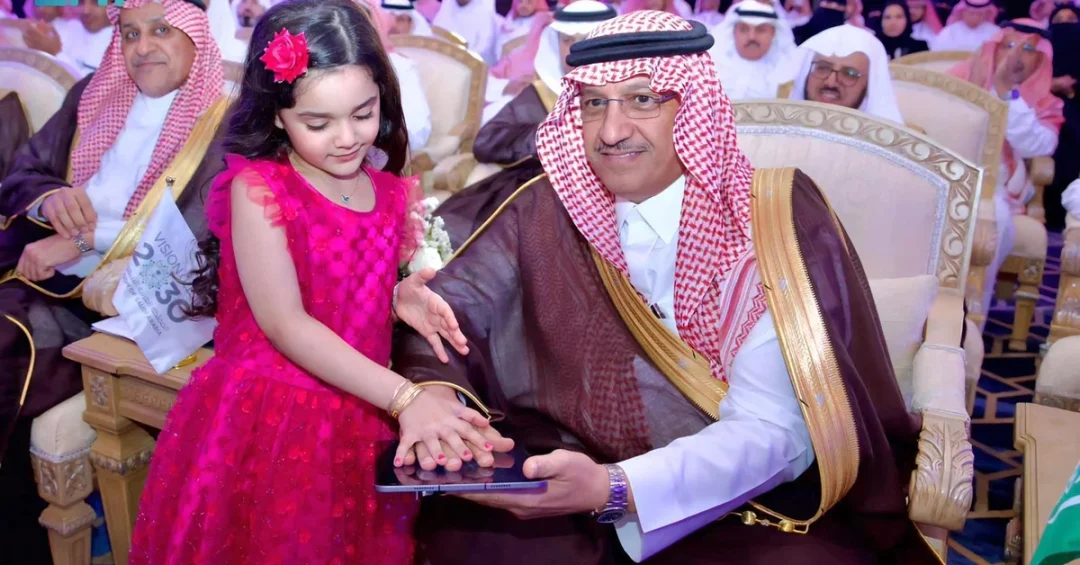
Saudi Minister of Education Yousef Al-Benyan sponsored the 10th-anniversary celebration of the UNESCO Regional Center of Quality and Excellence in Education and the launch of its new identity in Jubail Industrial City on October 21, 2024. The event, held at the Marine Club headquarters, brought together distinguished dignitaries, education specialists, and experts from inside and outside the Kingdom, according to the Saudi Press Agency (SPA). During the ceremony, the minister honored the cities that won membership in the UNESCO Global Network of Learning Cities, recognizing Jubail, Yanbu, Madinah, Al-Ahsa, and King Abdullah Economic City for their achievements. Have you ever considered how a decade of dedicated effort in educational quality can reshape an entire region’s learning landscape?
The celebration marked a significant milestone for the Kingdom’s educational journey, highlighting ten years of progress since the center was established under the supervision of the United Nations Educational, Scientific and Cultural Organization (UNESCO). The event also featured the launch of the Arab Network for Learning Cities platform and the announcement of a strategic cooperation agreement with the UNESCO Institute for Lifelong Learning (UIL), covering a joint work plan from 2024 to 2028. These developments underscore Saudi Arabia’s commitment to fostering educational excellence and lifelong learning, both domestically and across the Arab world. Isn’t it inspiring to see how international partnerships can elevate educational standards for future generations?
Context and Background
The UNESCO Regional Center of Quality and Excellence in Education was established in the Kingdom of Saudi Arabia ten years ago, making it the first global experience of its kind—a specialized house of expertise dedicated to raising the quality of education. From its inception, the center has operated under the supervision of UNESCO, with steadfast support from Saudi Arabia’s wise leadership. This initiative reflects the Kingdom’s long-standing recognition that investing in education is fundamental to addressing the increasing challenges of a rapidly developing world. The center’s mission aligns closely with Saudi Vision 2030, which seeks to diversify the economy, empower citizens, and create innovative generations capable of driving sustainable progress.
Over the past decade, the center has played a pivotal role in enhancing regional and international cooperation, exchanging expertise, and developing educational systems that harmonize with the aspirations of the Kingdom’s vision. By focusing on quality and excellence, the center has helped elevate teaching standards, curriculum development, and student outcomes across the region. The 10th-anniversary celebration not only commemorated these achievements but also served as a platform to launch a new identity for the center, symbolizing its evolving role in the global education landscape. How often do we pause to appreciate the quiet, persistent work that transforms educational systems from within?
The event took place in Jubail Industrial City, a location that itself represents Saudi Arabia’s industrial and technological ambitions. The presence of distinguished dignitaries, specialists, and experts from various fields underscored the importance of the occasion. The minister’s sponsorship of the celebration highlights the Saudi government’s high-level commitment to education as a cornerstone of national development. This gathering was more than a ceremonial event; it was a testament to the collaborative spirit that defines Saudi Arabia’s approach to global educational partnerships.
Key Details
In his speech at the ceremony, Minister of Education Yousef Al-Benyan emphasized that the regional center was established in the Kingdom under UNESCO’s supervision with unwavering support from the Saudi leadership. He described it as the first global experience for a specialized house of expertise in raising the quality of education. The minister stressed that investing in quality and excellence in education has become necessary to address the increasing challenges facing societies today. He noted the importance of developing educational systems and creating innovative generations, in line with Saudi Vision 2030, by enhancing regional and international cooperation and exchanging expertise.
Al-Benyan highlighted that improving educational systems to harmonize with the aspirations of the Kingdom’s vision is accomplished through enhancing regional and international cooperation and exchanging expertise and knowledge. He pointed out that investing in education’s quality and boosting its excellence became essential due to challenges in a rapidly developing world. The minister’s remarks reflected a forward-looking perspective, emphasizing that education is not merely a domestic priority but a global imperative that requires collective action. What could be more critical to a nation’s future than ensuring its citizens have access to world-class education?
During the ceremony, the minister honored the partners of the learning cities, specifically the cities of Jubail, Yanbu, Madinah, Al-Ahsa, and King Abdullah Economic City. These cities won membership in the UNESCO Global Network of Learning Cities, a prestigious recognition that highlights their commitment to promoting lifelong learning and community development. The honoring of these cities underscores the Kingdom’s broader strategy to foster learning environments that extend beyond traditional classrooms and into every aspect of community life. At the conclusion of the event, the Arab Network for Learning Cities platform was launched, designed to monitor qualitative community initiatives and best practices for lifelong education. Additionally, the strategic cooperation agreement with the UNESCO Institute for Lifelong Learning (UIL) was announced, including a joint work plan between the institute and the center for 2024 to 2028 to enhance joint efforts in education.
International and Regional Impact
The 10th-anniversary celebration and the associated launches carry significant implications for international and regional education landscapes. The UNESCO Regional Center of Quality and Excellence in Education, based in Saudi Arabia, serves as a model for other nations seeking to elevate their educational standards through specialized expertise and international collaboration. By launching the Arab Network for Learning Cities platform, Saudi Arabia is taking a leadership role in promoting lifelong learning across the Arab world. This platform will monitor qualitative community initiatives and best practices, creating a repository of knowledge that can be shared among Arab nations to improve educational outcomes and foster sustainable development.
The strategic cooperation agreement with the UNESCO Institute for Lifelong Learning (UIL) further solidifies the Kingdom’s position as a global partner in education. The joint work plan for 2024 to 2028 outlines concrete steps to enhance joint efforts, including research, capacity-building, and the exchange of best practices. This agreement not only benefits Saudi Arabia but also contributes to UNESCO’s global mission of promoting inclusive and equitable quality education for all. In a world where educational challenges are increasingly complex, such partnerships are essential for developing innovative solutions and ensuring that no learner is left behind. How can other countries learn from Saudi Arabia’s proactive approach to international educational cooperation?
Economic and Strategic Significance
The economic and strategic significance of these developments cannot be overstated. Education is a key driver of economic growth, innovation, and social mobility. By investing in quality and excellence in education, Saudi Arabia is building a skilled workforce capable of meeting the demands of a diversified, knowledge-based economy. This aligns directly with Vision 2030’s goals of reducing dependence on oil, creating new industries, and empowering citizens to contribute to the nation’s prosperity. The recognition of Jubail, Yanbu, Madinah, Al-Ahsa, and King Abdullah Economic City as learning cities further enhances their attractiveness as hubs for investment, tourism, and talent development.
Strategically, the Kingdom’s leadership in educational quality and lifelong learning strengthens its soft power and diplomatic influence. By hosting a UNESCO regional center and launching platforms like the Arab Network for Learning Cities, Saudi Arabia positions itself as a convener and innovator in the global education community. This role facilitates knowledge transfer, fosters goodwill, and opens doors for further international collaborations. Moreover, the focus on lifelong learning ensures that individuals can continuously adapt to changing economic conditions, thereby enhancing the resilience of the Saudi economy. What better way to secure a nation’s future than by investing in the limitless potential of its people?
Vision 2030 Alignment
The 10th-anniversary celebration of the UNESCO Regional Center of Quality and Excellence in Education and the launch of its new identity are deeply aligned with Saudi Vision 2030. The vision, launched by Crown Prince Mohammed bin Salman, aims to transform the Kingdom into a global investment powerhouse and a hub connecting three continents. Central to this vision is the development of a world-class education system that nurtures talent, promotes innovation, and supports economic diversification. The center’s work over the past decade, and its renewed identity, directly contribute to these objectives by enhancing the quality of education, fostering international cooperation, and promoting lifelong learning as a cornerstone of societal progress.
As Saudi Arabia continues its journey toward Vision 2030, initiatives like the Arab Network for Learning Cities platform and the strategic partnership with the UNESCO Institute for Lifelong Learning will play a crucial role in building a knowledge-based society. These efforts ensure that Saudi citizens are equipped with the skills and mindset needed to thrive in a rapidly changing world. The Kingdom’s commitment to educational excellence is not just an investment in its own future but a contribution to global educational advancement. In the years ahead, the UNESCO Regional Center of Quality and Excellence in Education will undoubtedly continue to serve as a beacon of innovation and a catalyst for positive change, both within the region and beyond. Isn’t it remarkable how a single center of excellence can ripple outward, inspiring progress across continents and generations?
20 Questions
Q1. What event did Saudi Minister of Education Yousef Al-Benyan sponsor in October 2024?
A1. He sponsored the 10th-anniversary celebration of the UNESCO Regional Center of Quality and Excellence in Education and the launch of its new identity in Jubail Industrial City.
Q2. Where was the 10th-anniversary celebration held?
A2. The celebration was held at the headquarters of the Marine Club in Jubail Industrial City, Saudi Arabia, according to the Saudi Press Agency.
Q3. When was the UNESCO Regional Center of Quality and Excellence in Education established?
A3. It was established in the Kingdom of Saudi Arabia ten years ago, under the supervision of UNESCO, making it the first global experience of its kind.
Q4. Which cities were honored for winning membership in the UNESCO Global Network of Learning Cities?
A4. The cities honored were Jubail, Yanbu, Madinah, Al-Ahsa, and King Abdullah Economic City.
Q5. What new platform was launched at the conclusion of the ceremony?
A5. The Arab Network for Learning Cities platform was launched, concerned with monitoring qualitative community initiatives and best practices for lifelong education.
Q6. What strategic cooperation agreement was announced during the event?
A6. A strategic cooperation agreement with the UNESCO Institute for Lifelong Learning (UIL) was announced, including a joint work plan for 2024 to 2028.
Q7. What did Minister Al-Benyan say about investing in education quality?
A7. He stressed that investing in quality and excellence in education has become necessary to address increasing challenges and to develop educational systems in line with Saudi Vision 2030.
Q8. How does the center’s work align with Saudi Vision 2030?
A8. It enhances regional and international cooperation, exchanges expertise, and develops innovative generations, all of which are core objectives of Saudi Vision 2030.
Q9. What is the significance of the Arab Network for Learning Cities platform?
A9. It monitors qualitative community initiatives and best practices for lifelong education, promoting knowledge sharing across Arab nations to improve educational outcomes.
Q10. What is the duration of the joint work plan between the center and UIL?
A10. The joint work plan covers the period from 2024 to 2028, focusing on enhancing joint efforts in education.
Q11. Who attended the 10th-anniversary celebration?
A11. Distinguished dignitaries, specialists, interested parties, and experts in education from inside and outside the Kingdom attended the event.
Q12. What did the minister emphasize about educational systems?
A12. He emphasized the importance of developing educational systems and creating innovative generations to meet the aspirations of Saudi Vision 2030.
Q13. How does the recognition of learning cities benefit Saudi Arabia?
A13. It highlights their commitment to lifelong learning, enhances their attractiveness for investment and talent, and supports the Kingdom’s broader educational and economic goals.
Q14. What role does UNESCO play in the regional center?
A14. UNESCO supervises the center, which was established as a specialized house of expertise to raise the quality of education, reflecting a strong international partnership.
Q15. What challenges did Minister Al-Benyan mention regarding education?
A15. He noted increasing challenges in a rapidly developing world, making it essential to invest in education quality and boost excellence through cooperation and expertise exchange.
Q16. What is the significance of the center’s new identity?
A16. The new identity symbolizes the center’s evolving role and renewed commitment to educational excellence, innovation, and international collaboration over the next decade.
Q17. How does the event reflect Saudi Arabia’s leadership in education?
A17. By hosting a UNESCO regional center and launching regional platforms, Saudi Arabia demonstrates leadership in promoting quality education and lifelong learning across the Arab world.
Q18. What are the expected outcomes of the strategic agreement with UIL?
A18. The agreement aims to enhance joint efforts in education, including research, capacity-building, and the exchange of best practices, benefiting both Saudi Arabia and the global community.
Q19. How does lifelong learning contribute to Saudi Arabia’s economic goals?
A19. Lifelong learning ensures individuals can continuously adapt to changing economic conditions, enhancing workforce resilience and supporting the diversification goals of Saudi Vision 2030.
Q20. What does the future hold for the UNESCO Regional Center in Saudi Arabia?
A20. The center is poised to continue as a beacon of innovation, fostering educational excellence and international cooperation, and contributing to Saudi Arabia’s long-term vision and global role.
Reader Feedback
We value your thoughts. Please share your feedback on this article.
Your feedback helps us improve our coverage.