


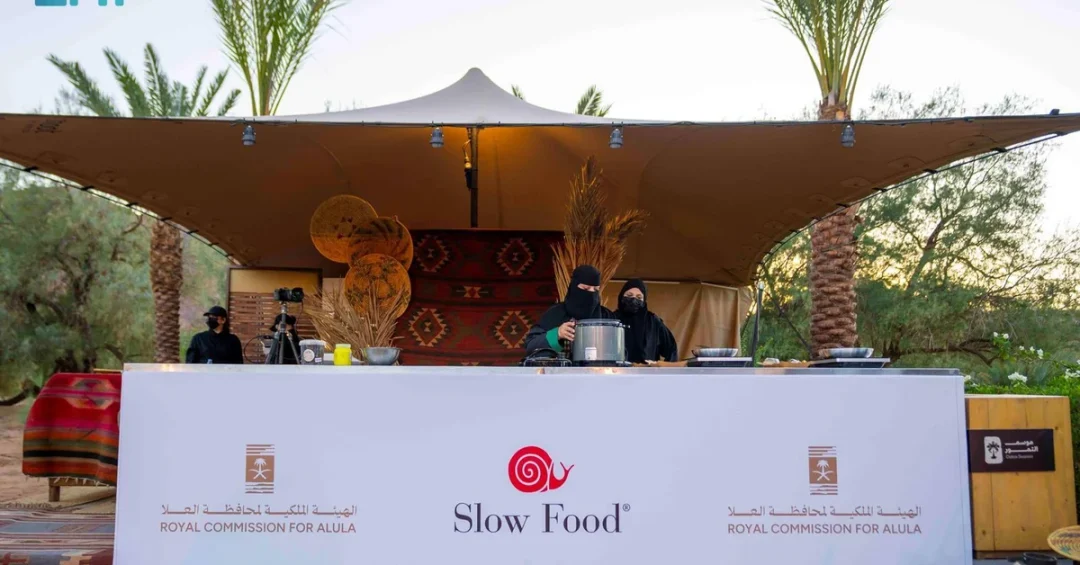
The Royal Commission for AlUla (RCU) and Slow Food, the Italy-based global food movement active in 150 countries, have announced a strategic partnership to promote the sustainable regeneration of AlUla’s agricultural and culinary ecosystem, according to an official announcement released via the Saudi Press Agency. The collaboration, confirmed on October 22, 2024, marks a significant step in AlUla’s transformation into a global destination for sustainable food, cultural heritage, and agricultural innovation. But what does this partnership truly mean for the future of food in northwest Arabia, and why is it drawing attention from international observers focused on sustainability and cultural preservation?
The agreement brings together two entities with complementary missions: the RCU, which oversees the comprehensive development of AlUla as a world-class cultural and heritage destination under Saudi Arabia’s Vision 2030 framework, and Slow Food, a global organization founded in Italy that champions agroecology, biodiversity, and the preservation of traditional food practices. Together, they aim to highlight the economic, social, and health benefits of AlUla’s agricultural products while ensuring that the region’s food culture is celebrated and sustained for future generations. The partnership builds on two years of successful food events in AlUla that have already positioned the region as a compelling destination for food enthusiasts and international tourists.
Context and Background
How did AlUla emerge as a focal point for sustainable food and agricultural heritage? The answer lies in the region’s unique combination of historical significance, agricultural potential, and strategic investment. AlUla, located in northwest Saudi Arabia, is home to ancient civilizations, including the Nabataean kingdom of Hegra, Saudi Arabia’s first UNESCO World Heritage Site. Beyond its archaeological treasures, the region has long been an agricultural hub, known for its date palms, citrus groves, and traditional farming practices passed down through generations. The RCU has made agricultural regeneration a cornerstone of its development strategy, recognizing that food and farming are integral to AlUla’s identity and economic future.
Slow Food, founded in 1989 by Carlo Petrini, has grown into a global movement with a presence in over 150 countries. Its philosophy centers on three interconnected principles: good, clean, and fair food. “Good” refers to quality, flavor, and freshness; “clean” emphasizes environmental sustainability and biodiversity; and “fair” advocates for equitable conditions for producers and communities. By partnering with Slow Food, the RCU is aligning AlUla’s agricultural goals with an internationally recognized standard for sustainability and cultural preservation. This collaboration also strengthens connections between northwest Arabia and Slow Food’s expansive global network, creating opportunities for knowledge exchange, market access, and cultural diplomacy.
The partnership did not emerge in isolation. Over the past two years, AlUla has hosted a series of high-profile food events that showcased the region’s culinary traditions and agricultural products to international audiences. These events demonstrated AlUla’s potential as a destination for food tourism and laid the groundwork for a more formalized collaboration with Slow Food. The timing of the announcement, coinciding with the fifth edition of the AlUla Dates Season, underscores the region’s commitment to celebrating its agricultural heritage while creating economic opportunities for local farmers, families involved in cottage industries, and entrepreneurs.
Key Details of the Partnership
What specific initiatives and activities does this partnership entail? The collaboration encompasses several key components designed to promote sustainable agriculture, culinary education, and economic development. First, the partnership aims to highlight the economic, social, and health benefits of AlUla products, raising awareness among both local and international audiences. This includes promoting the region’s food culture and ensuring that traditional practices are preserved and passed on to future generations. Second, the partnership focuses on ensuring sustainability in agriculture, supporting farmers in adopting agroecological methods that conserve natural resources and protect biodiversity.
A central feature of the collaboration is the forthcoming establishment of a culinary arts center within AlUla’s cultural oasis. This center will serve as a hub for knowledge sharing, cooking demonstrations, and activities related to sustainable agriculture and culinary traditions. It will encourage AlUla residents and visitors to embrace traditional practices, fostering a deeper appreciation for the region’s food heritage. The culinary arts center represents a long-term investment in AlUla’s human capital, providing training and educational opportunities for aspiring chefs, farmers, and food entrepreneurs.
As part of the fifth edition of the AlUla Dates Season, Slow Food is hosting culinary demonstrations by Chef Hooryah Abdulqader and Chef Serhan Hasdemir. These chefs presented dishes using AlUla dates during the weekend of October 18-19 and will continue their demonstrations on October 25-26 at the farmers’ market in AlManshiyah plaza, AlUla. These events offer significant economic opportunities for local farmers, families involved in cottage industries, and entrepreneurs, while celebrating the region’s cultural heritage. The AlUla Dates Season has become a flagship event for the region, attracting visitors from across Saudi Arabia and beyond, and showcasing the versatility and quality of AlUla’s date products.
International and Regional Impact
How does this partnership resonate beyond Saudi Arabia’s borders? The collaboration between the RCU and Slow Food carries significant implications for international food diplomacy, sustainable agriculture, and cultural exchange. By aligning with Slow Food’s global network, AlUla gains access to a community of producers, chefs, and food advocates in over 150 countries. This connection opens doors for AlUla’s agricultural products to reach new markets and for its culinary traditions to be recognized on the world stage. It also positions Saudi Arabia as a proactive participant in global conversations about food sustainability, biodiversity, and cultural heritage.
Regionally, the partnership reinforces AlUla’s role as a catalyst for economic diversification in northwest Arabia. The region has traditionally relied on agriculture and tourism, and the RCU’s strategic investments are creating new opportunities for local communities. By promoting sustainable food production and culinary tourism, the partnership supports job creation, small business development, and the empowerment of women and youth in AlUla. It also strengthens the region’s resilience by encouraging agricultural practices that are adapted to the local environment and climate, ensuring that AlUla’s food systems remain viable for generations to come.
Economic and Strategic Significance
Why does this partnership matter for Saudi Arabia’s economic and strategic ambitions? At its core, the collaboration between the RCU and Slow Food supports the Kingdom’s broader goals of economic diversification and sustainable development. Agriculture and food production are key components of Vision 2030, which seeks to reduce dependence on oil revenues and create a more diversified, knowledge-based economy. By investing in sustainable agriculture and culinary tourism, AlUla is contributing to this national agenda while preserving its unique cultural identity. The partnership also aligns with Saudi Arabia’s efforts to promote food security and environmental sustainability, both of which are critical for long-term prosperity.
From a strategic perspective, the partnership enhances AlUla’s appeal as a destination for international tourists and investors. Food tourism is a growing segment of the global travel industry, and AlUla’s combination of ancient heritage, natural beauty, and culinary excellence positions it as a compelling choice for travelers seeking authentic and sustainable experiences. The culinary arts center and other initiatives will provide tangible assets that attract visitors, create jobs, and generate economic value. Moreover, the partnership with Slow Food signals to the international community that Saudi Arabia is committed to responsible stewardship of its natural and cultural resources, enhancing the Kingdom’s reputation as a forward-looking and globally engaged nation.
Vision 2030 Alignment
How does this partnership exemplify the objectives of Saudi Vision 2030? The collaboration between the RCU and Slow Food is a clear manifestation of Vision 2030’s emphasis on economic diversification, cultural preservation, and sustainable development. By promoting AlUla’s agricultural and culinary heritage, the partnership supports the growth of tourism, creates opportunities for small businesses and entrepreneurs, and enhances the quality of life for local communities. It also advances the Kingdom’s commitment to environmental sustainability, aligning with global efforts to combat climate change and protect biodiversity.
Looking ahead, the partnership is poised to deliver lasting benefits for AlUla and for Saudi Arabia as a whole. The culinary arts center will serve as a legacy institution, nurturing talent and preserving traditions for future generations. The collaboration with Slow Food will continue to elevate AlUla’s profile on the international stage, attracting visitors and investors who share a commitment to sustainability and cultural authenticity. As AlUla continues its transformation into a world-class destination, partnerships like this one will be essential in ensuring that development is inclusive, sustainable, and rooted in the region’s unique heritage. Through this collaboration, Saudi Arabia reaffirms its role as a global leader in cultural preservation and sustainable development, demonstrating that progress and tradition can thrive together.
20 Questions
Q1. What is the Royal Commission for AlUla?
A1. The Royal Commission for AlUla (RCU) is a Saudi government body established to oversee the comprehensive development of AlUla as a world-class cultural and heritage destination, aligning with Saudi Vision 2030 objectives.
Q2. What is Slow Food?
A2. Slow Food is an Italy-based global food movement founded in 1989 that promotes agroecology, biodiversity, and the preservation of traditional food practices. It operates in over 150 countries worldwide.
Q3. What is the purpose of the RCU-Slow Food partnership?
A3. The partnership aims to promote the sustainable regeneration of AlUla’s agricultural and culinary ecosystem, highlighting the economic, social, and health benefits of AlUla products and ensuring sustainability in agriculture.
Q4. When was the partnership announced?
A4. The partnership was announced on October 22, 2024, via the Saudi Press Agency, coinciding with the fifth edition of the AlUla Dates Season.
Q5. What is the AlUla Dates Season?
A5. The AlUla Dates Season is an annual event celebrating the region’s date harvest, offering economic opportunities for local farmers, families in cottage industries, and entrepreneurs while showcasing AlUla’s cultural heritage.
Q6. Who are the chefs participating in the culinary demonstrations?
A6. Chef Hooryah Abdulqader and Chef Serhan Hasdemir are hosting culinary demonstrations using AlUla dates at the farmers’ market in AlManshiyah plaza, AlUla.
Q7. What is the significance of the culinary arts center?
A7. The forthcoming culinary arts center in AlUla’s cultural oasis will serve as a hub for knowledge sharing, cooking, and activities related to sustainable agriculture and culinary traditions, encouraging residents and visitors to embrace traditional practices.
Q8. How does Slow Food’s philosophy align with RCU’s goals?
A8. Slow Food’s emphasis on agroecology, natural resource conservation, and biodiversity preservation aligns with RCU’s strategic agricultural goals of supporting farmers and opening new markets for their products.
Q9. What economic benefits does the partnership bring to AlUla?
A9. The partnership supports economic diversification by promoting food tourism, creating jobs, and providing opportunities for local farmers, small businesses, and entrepreneurs in AlUla.
Q10. How does the partnership support Saudi Vision 2030?
A10. It advances Vision 2030 goals of economic diversification, cultural preservation, and sustainable development by promoting AlUla’s agricultural heritage and enhancing tourism and local business opportunities.
Q11. What is the global reach of Slow Food?
A11. Slow Food is active in over 150 countries, connecting producers, chefs, and food advocates worldwide in efforts to promote sustainable and traditional food practices.
Q12. What are the health benefits of AlUla products?
A12. AlUla products, particularly dates, are known for their nutritional value, including natural sugars, fiber, and essential minerals, contributing to a healthy diet and supporting local agricultural sustainability.
Q13. How does the partnership promote cultural education?
A13. Through culinary demonstrations, the culinary arts center, and food events, the partnership educates residents and visitors about AlUla’s traditional food practices and sustainable agriculture.
Q14. What role do local farmers play in the partnership?
A14. Local farmers are central to the partnership, benefiting from new market opportunities, training in sustainable practices, and support for preserving traditional agricultural methods.
Q15. How does the partnership attract tourists?
A15. By positioning AlUla as a destination for sustainable food and culinary tourism, the partnership draws visitors interested in authentic cultural experiences, heritage, and gastronomy.
Q16. What is agroecology?
A16. Agroecology is a farming approach that applies ecological principles to agriculture, promoting biodiversity, soil health, and sustainable resource use while reducing environmental impact.
Q17. How does the partnership preserve biodiversity?
A17. By promoting traditional farming practices and conserving native plant varieties, the partnership helps protect AlUla’s agricultural biodiversity and natural ecosystems.
Q18. What is the significance of AlUla’s cultural oasis?
A18. AlUla’s cultural oasis is a hub for heritage, agriculture, and community life, serving as the location for the forthcoming culinary arts center and other cultural initiatives.
Q19. How does the partnership empower women and youth?
A19. Through training, educational opportunities, and support for small businesses, the partnership creates pathways for women and youth to participate in AlUla’s growing food and tourism sectors.
Q20. What is the long-term vision for the RCU-Slow Food partnership?
A20. The long-term vision is to establish AlUla as a global model for sustainable food systems, cultural preservation, and economic diversification, benefiting local communities and enhancing Saudi Arabia’s international standing.
Reader Feedback
We value your thoughts. Please share your feedback on this article.
Your feedback helps us improve our coverage.
Related articles
 Riyadh to Host Second European Food Festival 2024
 Ethiopian Coffee Shines at Africa Zone in Riyadh Season 2024
 Al-Hasaki Valley: A New Ecotourism Gem in Saudi Arabia
 Boulevard Riyadh City Expands Entertainment for Riyadh Season 2024
 A New Life’ Documentary Reveals Reserve History, Biodiversity
 Saudi Minister of Tourism Leads Sector Discussions at WEF Urban Transformation Summit