


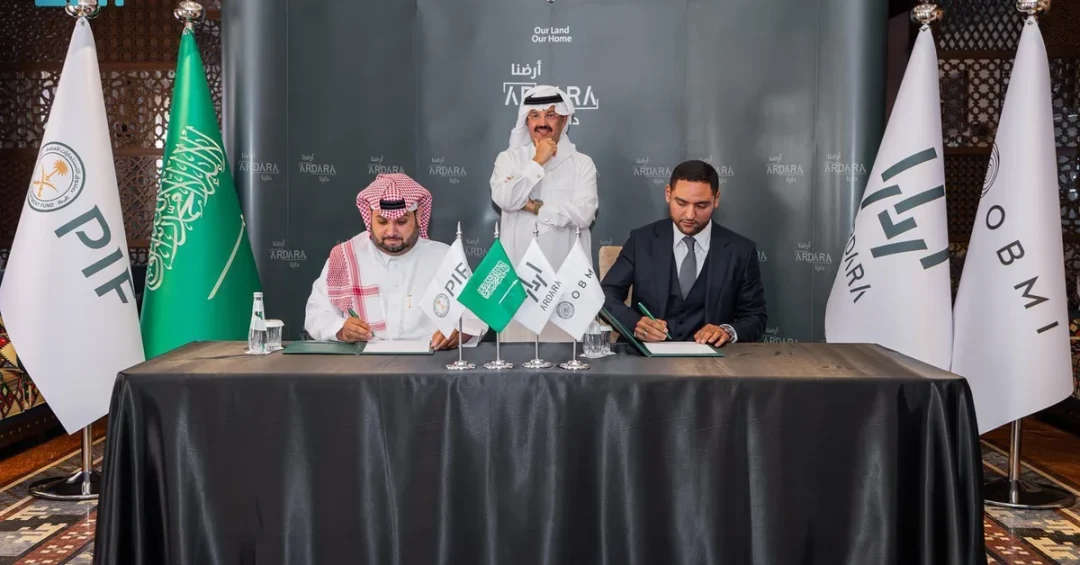
Saudi Arabia’s ARDARA, a subsidiary of the Public Investment Fund (PIF), has signed strategic contracts with Parsons and OBMI to develop AlWadi, a landmark mixed-use waterfront destination in Downtown Abha, under the patronage of Governor of Aseer Prince Turki bin Talal. The agreements, announced by the Saudi Press Agency (SPA), mark a significant step in the Kingdom’s efforts to transform the Aseer region into a year-round tourism and economic hub, aligned with the Aseer Region Strategy ‘Qimam and Shem’ (Peaks and Morals). The project, spanning 2.5 million square meters, will feature more than 30% green spaces, 16 km of water areas, and 17 km of sports tracks, setting a new benchmark for sustainable urban development in Saudi Arabia.
How does a single project redefine an entire region’s economic and cultural identity? For Abha and the broader Aseer region, AlWadi represents far more than a construction endeavor—it is a statement of intent. The partnership brings together ARDARA’s development expertise, Parsons’ engineering prowess, and OBMI’s architectural creativity to deliver a waterfront destination that honors the region’s natural heritage while embracing modern smart-city innovations. This initiative underscores Saudi Arabia’s commitment to diversifying its economy, boosting tourism, and creating vibrant communities that reflect the aspirations of Vision 2030.
Context and Background
What makes the Aseer region a focal point for Saudi Arabia’s transformation? Located in the southwest of the Kingdom, Aseer is renowned for its stunning mountainous landscapes, moderate climate, and rich cultural heritage. The Aseer Region Development Authority (ASDA), under the leadership of Prince Turki bin Talal, has been tasked with implementing the Aseer Region Strategy ‘Qimam and Shem,’ a comprehensive plan to unlock the region’s tourism and economic potential. ARDARA, established as a PIF subsidiary, is the driving force behind several mega-projects in the region, with AlWadi as its flagship endeavor in Downtown Abha.
The signing of contracts with Parsons and OBMI reflects a strategic move to leverage global expertise in engineering and design. Parsons, a leading engineering firm with extensive experience in infrastructure and smart city solutions, will oversee the rehabilitation and development of AlWadi into a year-round waterfront. OBMI, a renowned architectural design company, has been selected as the main designer to infuse artistic elements into public spaces, dynamic waterfronts, and landmarks. This collaboration is not merely about construction; it is about creating an integrated destination that enhances the economic, cultural, and heritage aspects of Abha city and the Aseer region.
The timing of this announcement is significant. As Saudi Arabia accelerates its Vision 2030 agenda, projects like AlWadi demonstrate the Kingdom’s ability to attract top-tier international partners and execute complex, large-scale developments. The Aseer region, historically known for its agricultural and tourism potential, is now poised to become a magnet for domestic and international visitors, investors, and residents. The AlWadi project is expected to catalyze further investment in infrastructure, hospitality, and retail, creating a virtuous cycle of growth.
Key Details of the AlWadi Project
What exactly will AlWadi encompass, and how will it transform Downtown Abha? According to official SPA information, the first phase of the project includes a luxury five-star hotel, a four-star hotel, a comprehensive health center, elite commercial facilities, residential units with shops, green spaces, and a waterfront walkway. Parsons will manage the rehabilitation and development of the waterfront, including the creation of lakes and waterfalls, sustainable infrastructure, rainwater and flood drainage networks, landscaping of natural sites, and the design of roads, transportation, communications networks, and smart city solutions. OBMI will focus on bringing a touch of art to public areas, designing dynamic waterfronts, landmarks, smart lighting systems, and signboards.
The scale of AlWadi is impressive: 2.5 million square meters of development, with more than 30% dedicated to green spaces, 16 km of water areas, and 17 km of sports tracks. These features are designed to promote a healthy, active lifestyle and environmental sustainability. The project’s emphasis on green spaces and water areas aligns with global best practices in urban planning, ensuring that AlWadi is not only a tourist destination but also a livable community. The integration of smart city solutions—such as intelligent lighting, communications networks, and signboards—will enhance the visitor experience and operational efficiency.
Prince Turki bin Talal expressed gratitude for the government’s support of the Aseer Region Strategy, emphasizing the valley’s role as an economic and cultural hub. His remarks highlight the collaborative spirit driving the project, with ASDA, ARDARA, Parsons, and OBMI working in tandem to realize a shared vision. The contracts signed under his patronage signal strong local leadership and commitment to timely, high-quality execution. The first phase alone promises to deliver a mix of hospitality, health, retail, and residential offerings that will set a new standard for mixed-use developments in Saudi Arabia.
International and Regional Impact
How will AlWadi resonate beyond Saudi Arabia’s borders? The project is poised to elevate the Aseer region’s profile as an international tourism destination, attracting visitors from the Gulf Cooperation Council (GCC) countries, Asia, Europe, and beyond. By offering a year-round waterfront experience with luxury hotels, cultural attractions, and recreational facilities, AlWadi will compete with established regional destinations while offering a uniquely Saudi blend of heritage and modernity. The involvement of Parsons and OBMI, both with global portfolios, underscores the project’s adherence to international standards and its potential to draw foreign investment.
Regionally, AlWadi strengthens Saudi Arabia’s position as a leader in sustainable urban development. The project’s focus on green spaces, water management, and smart infrastructure sets a benchmark for other cities in the Kingdom and the wider Middle East. It also complements other Vision 2030 giga-projects such as NEOM, the Red Sea Project, and Diriyah, creating a diverse portfolio of destinations that cater to different segments of the tourism market. For Aseer, AlWadi is expected to boost local employment, support small and medium enterprises, and stimulate ancillary industries such as hospitality, retail, and transportation.
Economic and Strategic Significance
Why does AlWadi matter for Saudi Arabia’s economic diversification? The project is a direct manifestation of Vision 2030’s goal to reduce dependence on oil revenues by expanding the tourism, entertainment, and real estate sectors. ARDARA, as a PIF subsidiary, is instrumental in channeling sovereign wealth into high-impact developments that generate long-term returns. AlWadi’s mix of hotels, commercial spaces, and residential units will create recurring revenue streams and attract private sector investment. The construction phase alone will create jobs and stimulate demand for local materials and services.
Strategically, AlWadi enhances the Aseer region’s appeal as a domestic tourism destination, encouraging Saudi citizens to explore their own country and reducing outbound tourism expenditure. It also supports the Kingdom’s goal of increasing tourism’s contribution to GDP from 3% to 10% by 2030. By integrating cultural and heritage elements, AlWadi ensures that development respects and celebrates local identity, a key tenet of the Aseer Region Strategy. The project’s smart city features position it as a model for future urban developments in Saudi Arabia, showcasing the Kingdom’s technological capabilities and commitment to sustainability.
Vision 2030 Alignment
How does AlWadi embody the aspirations of Vision 2030? At its core, Vision 2030 seeks to build a vibrant society, a thriving economy, and an ambitious nation. AlWadi contributes to all three pillars: it creates a vibrant community with green spaces, sports tracks, and cultural attractions; it drives economic growth through tourism, hospitality, and real estate; and it demonstrates ambitious leadership by transforming a regional city into a global destination. The project also aligns with the Quality of Life Program, one of Vision 2030’s executive programs, which aims to improve the lives of citizens and residents by enhancing urban environments and recreational opportunities.
As Saudi Arabia continues its journey toward a diversified, sustainable future, AlWadi stands as a testament to the power of strategic partnerships and visionary planning. The collaboration between ARDARA, Parsons, and OBMI, under the guidance of Prince Turki bin Talal and the Aseer Region Development Authority, exemplifies the Kingdom’s ability to execute complex projects that blend international expertise with local insight. With its groundbreaking design, economic potential, and cultural resonance, AlWadi is not just a development—it is a symbol of Saudi Arabia’s bold ambitions and its unwavering commitment to prosperity for all.
20 Questions
Q1. What is AlWadi and where is it located?
A1. AlWadi is a mixed-use waterfront destination in Downtown Abha, Saudi Arabia, spanning 2.5 million square meters. It is the flagship project of ARDARA, a subsidiary of the Public Investment Fund, designed to enhance the economic, cultural, and heritage aspects of the Aseer region.
Q2. Who signed the strategic contracts for AlWadi’s development?
A2. Strategic contracts were signed under the patronage of Governor of Aseer Prince Turki bin Talal. ARDARA partnered with Parsons for engineering design and OBMI as the main architectural designer for the AlWadi project.
Q3. What role will Parsons play in the AlWadi project?
A3. Parsons will oversee the rehabilitation and development of AlWadi into a year-round waterfront. This includes creating lakes and waterfalls, developing sustainable infrastructure, designing rainwater and flood drainage networks, landscaping, roads, transportation, communications networks, and smart city solutions.
Q4. What are OBMI’s responsibilities in the AlWadi project?
A4. OBMI, selected as the main designer, will bring a touch of art to public areas. They will design dynamic waterfronts, landmarks, smart lighting systems, and signboards, enhancing the aesthetic and functional appeal of the destination.
Q5. What does the first phase of AlWadi include?
A5. The first phase includes a luxury five-star hotel, a four-star hotel, a comprehensive health center, elite commercial facilities, residential units with shops, green spaces, and a waterfront walkway, offering a mix of hospitality, retail, and residential options.
Q6. How large is the AlWadi project and what are its green features?
A6. AlWadi spans 2.5 million square meters, with more than 30% dedicated to green spaces. It also features 16 km of water areas and 17 km of sports tracks, promoting environmental sustainability and active lifestyles.
Q7. What is the Aseer Region Strategy ‘Qimam and Shem’?
A7. The Aseer Region Strategy ‘Qimam and Shem’ (Peaks and Morals) is a comprehensive plan to develop the Aseer region’s tourism and economic potential, with AlWadi as a key project. It emphasizes cultural and heritage preservation alongside modernization.
Q8. How does AlWadi align with Saudi Arabia’s Vision 2030?
A8. AlWadi supports Vision 2030 by diversifying the economy, boosting tourism, creating jobs, and enhancing quality of life. It aligns with the Quality of Life Program and goals to increase tourism’s GDP contribution from 3% to 10% by 2030.
Q9. What economic benefits will AlWadi bring to the Aseer region?
A9. AlWadi will attract investment, create jobs, support local businesses, and stimulate hospitality, retail, and transportation sectors. It will also boost domestic tourism and reduce outbound tourism expenditure, contributing to regional economic growth.
Q10. How will AlWadi impact tourism in Saudi Arabia?
A10. AlWadi will elevate Aseer as a year-round destination, attracting international and domestic visitors. It complements other Vision 2030 giga-projects, diversifying Saudi Arabia’s tourism offerings and enhancing its global competitiveness.
Q11. What smart city solutions will be integrated into AlWadi?
A11. Parsons will design smart city solutions including communications networks, intelligent lighting, and smart signboards. These technologies will improve visitor experience, operational efficiency, and sustainability, positioning AlWadi as a model for future urban developments.
Q12. Who is Prince Turki bin Talal and what is his role?
A12. Prince Turki bin Talal is the Governor of Aseer and patron of the AlWadi contracts. He leads the Aseer Region Development Authority and champions the ‘Qimam and Shem’ strategy, emphasizing the valley’s role as an economic and cultural hub.
Q13. What is ARDARA’s role in the AlWadi project?
A13. ARDARA, a Public Investment Fund subsidiary, is the master developer of AlWadi. It drives the project’s vision, coordinates partnerships, and ensures alignment with the Aseer Region Strategy and Vision 2030 objectives.
Q14. How does AlWadi incorporate cultural and heritage elements?
A14. AlWadi integrates cultural and heritage aspects by design, with OBMI creating artistic public spaces and landmarks. The project respects local identity while offering modern amenities, reflecting the Aseer region’s unique character.
Q15. What sustainability features are included in AlWadi?
A15. AlWadi includes over 30% green spaces, 16 km of water areas, sustainable infrastructure, rainwater and flood drainage networks, and smart city solutions. These features promote environmental stewardship and long-term resilience.
Q16. How will AlWadi enhance the quality of life for residents?
A16. AlWadi offers green spaces, sports tracks, a waterfront walkway, health center, and commercial facilities. These amenities promote healthy lifestyles, community engagement, and recreational opportunities, improving overall quality of life.
Q17. What is the significance of the partnerships with Parsons and OBMI?
A17. The partnerships bring global engineering and design expertise to Saudi Arabia, ensuring AlWadi meets international standards. They demonstrate the Kingdom’s ability to attract top-tier firms and execute complex, large-scale developments.
Q18. How does AlWadi compare to other Saudi giga-projects?
A18. AlWadi is unique as a regional waterfront destination in Aseer, complementing NEOM, the Red Sea Project, and Diriyah. It focuses on mixed-use, year-round appeal, and cultural integration, diversifying Saudi Arabia’s tourism portfolio.
Q19. What is the expected timeline for AlWadi’s completion?
A19. The first phase includes hotels, health center, commercial and residential units. While specific completion dates are not detailed in the SPA announcement, the project is underway with contracts signed, indicating steady progress toward realization.
Q20. How can international investors participate in AlWadi?
A20. International investors can explore opportunities through ARDARA and the Aseer Region Development Authority. The project welcomes partnerships in hospitality, retail, and real estate, aligned with Saudi Arabia’s open investment climate and Vision 2030 incentives.
Reader Feedback
We value your thoughts. Please share your feedback on this article.
Your feedback helps us improve our coverage.
Related articles
 Biban24 Forum Empowers E-Commerce Entrepreneurs in Riyadh
 Taif: An Ideal Environment for Bees and Premium Honey
 ICD Backs 21 MW Solar Plant in Türkiye with €15M
 Riyadh to Host UNIDO Industrial Policy Forum
 IsDB President Meets Rwanda’s Finance Minister in Jeddah
 IsDB President Meets Libya Finance Minister in Washington