


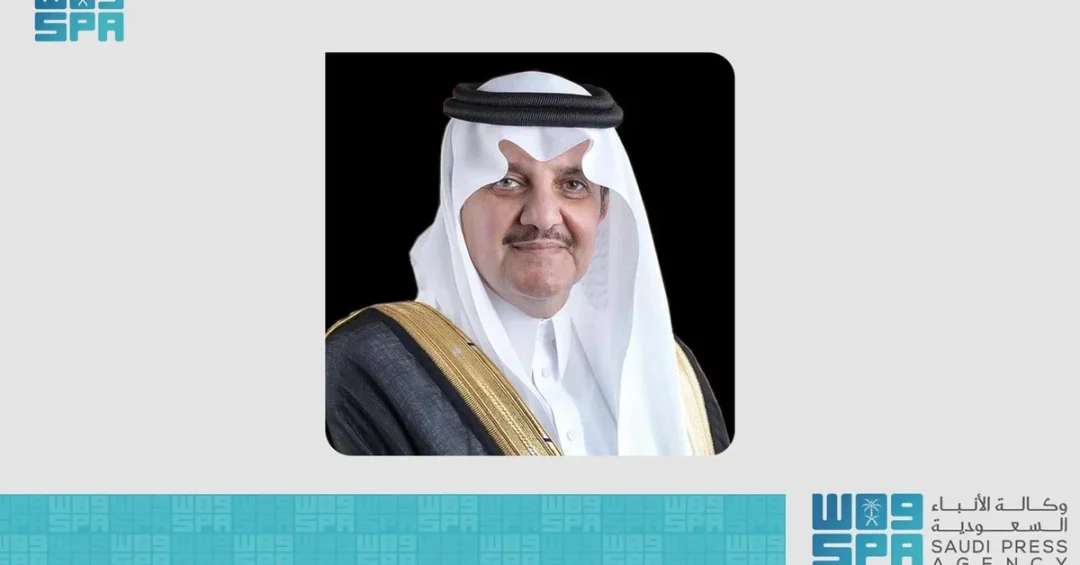
The Gulf Cooperation Council Interconnection Authority (GCCIA) will host the “Advancing the Future of Energy Towards Net Zero” forum on October 27-28, 2024, in Dammam, under the patronage of Prince Saud bin Naif bin Abdulaziz, Governor of the Eastern Region. The two-day event, announced via the Saudi Press Agency, brings together global energy leaders to accelerate carbon neutrality and sustainable energy practices, building on the success of the Energy Storage Forums held in 2022 and 2023.
Have you ever wondered how the world’s largest electricity grids can collaborate to achieve net-zero emissions while meeting soaring energy demand? This forum, organized in collaboration with the Electric Power Research Institute (EPRI), GO15 International Organization, and the Mediterranean Transmission System Operators Organization (Med-TSO), will serve as a prominent platform for dialogue on the future of the energy sector. Key focus areas include advanced technologies, energy market development, electrical interconnections, energy storage solutions, and ensuring resource adequacy for a zero-emission grid.
Context and Background
Why does the timing of this forum matter so much for the global energy transition? The GCCIA’s decision to convene this gathering in October 2024 reflects a critical moment when nations worldwide are intensifying efforts to decarbonize their economies. The forum builds directly on the momentum generated by the Energy Storage Forums in 2022 and 2023, which established a foundation for discussing energy storage solutions and grid modernization. This year’s event expands the scope to encompass the full spectrum of net-zero strategies, from artificial intelligence in grid operations to market reforms that enable renewable energy integration.
The Gulf Cooperation Council Interconnection Authority, established to link the electricity grids of the six GCC member states—Saudi Arabia, the United Arab Emirates, Kuwait, Qatar, Bahrain, and Oman—has become a model for regional energy cooperation. Its mandate extends beyond physical interconnection to include the facilitation of energy trading and the adoption of cutting-edge technologies. The authority’s track record in delivering reliable cross-border electricity supply has positioned it as a credible convener of international dialogues on energy transition. The forum’s timing also aligns with the broader global push toward the goals of the upcoming Climate Conference (COP 28), underscoring the importance of international cooperation in building a cleaner, more flexible energy future.
How did the GCCIA become a central player in the global conversation on carbon neutrality? The authority’s journey from a regional interconnection project to an international thought leader mirrors Saudi Arabia’s broader transformation under Vision 2030. By hosting events that attract top executives from GO15—representing electricity grid operators that account for nearly 80% of global electricity demand and 21% of global renewable energy production—the GCCIA has elevated the Kingdom’s profile as a hub for energy innovation. The collaboration with EPRI, GO15, and Med-TSO signals a deliberate strategy to bridge regional expertise with global best practices, ensuring that the lessons learned in the Gulf can inform and inspire energy transitions worldwide.
Key Details and Forum Agenda
What specific topics will dominate the discussions at this high-level gathering? The forum will feature expert-led sessions covering crucial topics such as grid planning, market reforms, the integration of artificial intelligence in grid operations, and the advancement of grid technologies. These discussions aim to promote the shared objectives of energy transition and carbon neutrality, aligned with the goals of the upcoming Climate Conference (COP 28). Participants will include leaders and specialists from Med-TSO and the global energy sector, ensuring a diverse range of perspectives on the challenges and opportunities ahead.
The presence of top executives from GO15 is particularly significant, as these leaders manage grids that collectively serve the majority of the world’s electricity consumers. Their participation signals a recognition that achieving net-zero emissions requires unprecedented coordination across borders and sectors. The forum’s agenda also emphasizes energy storage solutions, a critical enabler for balancing intermittent renewable sources like solar and wind. By focusing on resource adequacy for a zero-emission grid, the GCCIA and its partners are addressing one of the most pressing technical and economic challenges of the energy transition.
Who will be in the room, and why does their attendance matter? Beyond the GO15 executives, the forum will draw senior officials from Med-TSO, which represents transmission system operators across the Mediterranean region. This cross-regional participation reflects the interconnected nature of modern energy systems, where electricity flows across continents and where policy decisions in one region can have ripple effects elsewhere. The GCCIA’s ability to convene such a diverse group underscores its reputation as a neutral and effective facilitator of international energy dialogue. The event also provides a platform for Saudi Arabia to showcase its own advancements in grid modernization and renewable energy deployment, reinforcing its role as a responsible global energy leader.
International and Regional Impact
How will this forum influence energy policies beyond the Gulf region? The GCCIA’s collaboration with GO15 and Med-TSO creates a unique opportunity to align regulatory frameworks, technical standards, and market designs across different geographies. Such alignment is essential for unlocking the full potential of renewable energy and ensuring that electricity can be traded efficiently across borders. The discussions on market reforms and grid planning are expected to produce insights that can be applied in both developed and developing economies, accelerating the global shift toward sustainable energy.
The forum also reinforces the role of the Gulf Cooperation Council as a stabilizing force in global energy markets. By demonstrating that regional interconnection can enhance supply security and facilitate the integration of renewables, the GCCIA offers a replicable model for other parts of the world. This is particularly relevant as countries in Africa, Asia, and Latin America seek to build their own cross-border energy infrastructure. The participation of Med-TSO adds a Mediterranean dimension, highlighting the potential for intercontinental cooperation on energy transition. Saudi Arabia’s leadership in hosting and supporting this dialogue further cements its position as a bridge between East and West in energy diplomacy.
Economic and Strategic Significance
What economic benefits could flow from the accelerated adoption of carbon-neutral technologies discussed at the forum? For Saudi Arabia and its GCC neighbors, the transition to a net-zero energy system represents both a challenge and an opportunity. The Kingdom’s Vision 2030 agenda calls for economic diversification, and the development of renewable energy, energy storage, and smart grid technologies creates new industries and job opportunities. The forum’s emphasis on artificial intelligence in grid operations and advanced grid technologies aligns with Saudi Arabia’s ambitions to become a leader in digital innovation and clean energy.
The strategic significance extends to energy security and geopolitical influence. By enhancing electrical interconnections and promoting resource adequacy, the GCCIA helps ensure that member states can withstand supply disruptions and meet peak demand reliably. This stability is attractive to international investors and reinforces the region’s reputation as a safe and predictable place to do business. Moreover, the forum’s focus on market reforms could pave the way for a more integrated GCC electricity market, unlocking efficiencies and attracting private sector participation. These developments support the broader goals of Vision 2030 by fostering a diversified, knowledge-based economy.
Vision 2030 Alignment
How does the GCCIA forum exemplify Saudi Arabia’s commitment to a sustainable and prosperous future? The event directly supports the pillars of Vision 2030, particularly the goal of creating a thriving economy and a vibrant society. By promoting carbon neutrality and sustainable energy practices, the forum contributes to environmental sustainability, a key component of the Vision. It also showcases Saudi Arabia’s ability to lead international conversations on energy, enhancing the Kingdom’s global standing and attracting partnerships that drive innovation.
The forum’s outcomes are expected to inform policies and projects that will shape the energy landscape for decades to come. As the world moves toward COP 28 and beyond, Saudi Arabia’s proactive stance—facilitated by the GCCIA—demonstrates that the Kingdom is not merely adapting to the energy transition but helping to define its direction. Through such initiatives, Vision 2030 continues to translate into tangible actions that benefit both the region and the international community, reinforcing Saudi Arabia’s role as a responsible and forward-looking global energy leader.
20 Questions
Q1. What is the Gulf Cooperation Council Interconnection Authority (GCCIA)?
A1. The GCCIA is a regional organization that links the electricity grids of the six GCC member states—Saudi Arabia, UAE, Kuwait, Qatar, Bahrain, and Oman—to enhance energy security and facilitate cross-border electricity trade.
Q2. When and where will the “Advancing the Future of Energy Towards Net Zero” forum take place?
A2. The forum will be held on October 27-28, 2024, in Dammam, Saudi Arabia, under the patronage of Prince Saud bin Naif bin Abdulaziz, Governor of the Eastern Region.
Q3. Who is organizing the forum?
A3. The forum is organized by the GCCIA in collaboration with the Electric Power Research Institute (EPRI), GO15 International Organization, and the Mediterranean Transmission System Operators Organization (Med-TSO).
Q4. What are the main objectives of the forum?
A4. The forum aims to drive discussions on carbon neutrality and sustainable energy practices, focusing on advanced technologies, energy market development, electrical interconnections, energy storage, and resource adequacy for a zero-emission grid.
Q5. What is GO15 and why is its participation significant?
A5. GO15 is an international organization representing electricity grid operators that account for nearly 80% of global electricity demand and 21% of global renewable energy production. Its participation underscores the global importance of the forum.
Q6. What topics will be covered in the expert-led sessions?
A6. Sessions will cover grid planning, market reforms, integration of artificial intelligence in grid operations, and advancement of grid technologies, all aimed at promoting energy transition and carbon neutrality.
Q7. How does this forum build on previous events?
A7. It builds on the success of the Energy Storage Forums held in 2022 and 2023, expanding the scope to encompass broader net-zero strategies and international cooperation.
Q8. What is the significance of Med-TSO’s involvement?
A8. Med-TSO represents Mediterranean transmission system operators, and its involvement highlights cross-regional cooperation and the interconnected nature of modern energy systems between the Gulf and Europe.
Q9. How does the forum align with COP 28 goals?
A9. The forum promotes shared objectives of energy transition and carbon neutrality, directly supporting the goals of the upcoming Climate Conference (COP 28) and global climate action.
Q10. What role does Saudi Arabia play in this event?
A10. Saudi Arabia hosts the forum through the GCCIA and provides patronage via the Governor of the Eastern Region, demonstrating the Kingdom’s leadership in global energy dialogue and sustainability.
Q11. What are the expected outcomes of the forum?
A11. The forum is expected to produce insights and recommendations on grid modernization, market reforms, and technology integration that can accelerate the global transition to net-zero emissions.
Q12. How does the forum support Vision 2030?
A12. It aligns with Vision 2030 by promoting economic diversification, environmental sustainability, and international partnerships, while enhancing Saudi Arabia’s global standing in energy leadership.
Q13. What is the significance of electrical interconnections discussed at the forum?
A13. Electrical interconnections enable efficient cross-border electricity trade, enhance supply security, and facilitate the integration of renewable energy sources across regions.
Q14. Why is energy storage a key focus area?
A14. Energy storage is critical for balancing intermittent renewable sources like solar and wind, ensuring grid stability, and achieving resource adequacy for a zero-emission grid.
Q15. How will artificial intelligence be integrated into grid operations?
A15. AI will be used to optimize grid performance, predict demand, manage renewable variability, and improve overall efficiency, as discussed in the forum’s expert-led sessions.
Q16. What economic benefits could result from the forum’s discussions?
A16. The forum could spur investment in renewable energy, energy storage, and smart grid technologies, creating jobs and supporting economic diversification in Saudi Arabia and the region.
Q17. How does the GCCIA ensure reliable electricity supply across member states?
A17. The GCCIA operates a interconnected grid that allows member states to share electricity reserves, balance supply and demand, and withstand disruptions, enhancing overall reliability.
Q18. What is the role of market reforms in the energy transition?
A18. Market reforms create competitive pricing, attract private investment, and enable the efficient integration of renewable energy, supporting the shift toward a sustainable energy system.
Q19. How does the forum promote international cooperation?
A19. By bringing together leaders from GO15, Med-TSO, and the global energy sector, the forum facilitates dialogue, knowledge sharing, and collaboration on common energy challenges and solutions.
Q20. What is the long-term vision for the GCCIA and its partners?
A20. The long-term vision is to achieve a cleaner, more flexible energy future through enhanced interconnections, advanced technologies, and sustained international cooperation, aligned with global net-zero goals.
Reader Feedback
We value your thoughts. Please share your feedback on this article.
Your feedback helps us improve our coverage.
Related articles
 PSU, UNDP Sign Project to Establish Saudi Think Tank on Public Diplomacy
 KSrelief Distributes 2,500 Shelter Bags in Pakistan
 Saudi FM Meets Ukraine President’s Office Head in Riyadh
 KSrelief Distributes 401 Food Baskets in Chad’s N’Djamena
 Commander of Joint Forces Receives Yemeni Council Member
 Saudi, Italian Defense Ministers Discuss Cooperation in Rome