


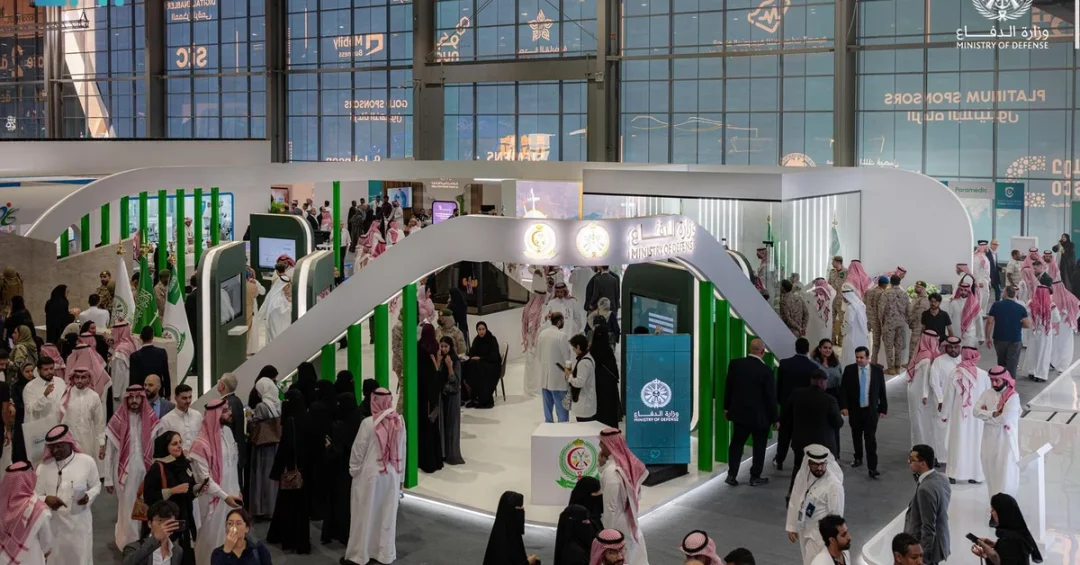
The Health Services Department of the Ministry of Defense is participating in the Global Health Exhibition 2024, held at the Riyadh Exhibition and Convention Center in Malham, north of Riyadh, from October 21 to 23. The participation, announced via the Saudi Press Agency, places the Ministry of Defense at the center of one of the region’s largest gatherings of healthcare leaders, innovators, and policymakers, showcasing how military medical institutions are contributing to the Kingdom’s broader health transformation.
The exhibition brings together government ministries, hospitals, technology companies, and international health organizations under one roof, and the Ministry of Defense’s pavilion has drawn attention for its focus on digital transformation, humanitarian outreach, and specialized medical capabilities. For an international audience, the presence of the defense health sector at such a forum signals that Saudi Arabia’s healthcare modernization extends well beyond civilian institutions and into every branch of national service. Why does this matter to observers far beyond Riyadh? Because the Kingdom is positioning health as a pillar of national resilience, and its military health system is emerging as a proving ground for innovations that can benefit the wider population.
Context and Background
The Global Health Exhibition has grown into a flagship platform for Saudi Arabia’s healthcare ambitions, attracting participants from across the world and aligning closely with the objectives of Vision 2030, the national transformation strategy launched under the leadership of Crown Prince Mohammed bin Salman. The event is hosted annually in Riyadh and serves as a meeting point for public and private sector stakeholders seeking to advance medical technology, workforce development, and patient care standards.
Within this landscape, the Health Services Department of the Ministry of Defense occupies a distinctive role. It manages a network of military hospitals and clinics that serve armed forces personnel, their families, and eligible beneficiaries, while also supporting national emergencies and humanitarian missions. Its participation in the exhibition reflects a deliberate strategy to integrate military medical services into the Kingdom’s wider health ecosystem, sharing expertise and adopting the same digital and quality standards being rolled out across civilian facilities.
How has the Ministry of Defense’s health arm evolved in recent years? According to information released through official Saudi channels, the department has pursued a comprehensive modernization program covering infrastructure, digital records, specialized care, and workforce training. Its presence at the Global Health Exhibition is therefore not a one-off promotional exercise but a demonstration of sustained institutional development that complements the national health agenda.
Key Details
At its pavilion, the Ministry of Defense’s Health Services Department is showcasing innovative healthcare models and highlighting the digital transformation journey undertaken across its facilities. Visitors are introduced to several initiatives aimed at improving healthcare and promoting individual and community health within military communities, with displays covering organ transplantation, humanitarian roles, and community outreach.
A centerpiece of the presentation is the ministry’s medical air evacuation program, which assists with domestic and international patient transport. The program underscores the defense health system’s capacity to respond rapidly to emergencies and to move patients safely across long distances, a capability that has proven valuable in both military and civilian contexts. The pavilion also presents the ministry’s mobile hospitals and military medical support services, illustrating how field medicine expertise is maintained and deployed.
Another notable feature is the advancement of women’s military nursing in military hospitals, a development that reflects the broader expansion of women’s professional roles across Saudi society in line with Vision 2030. The presence of skilled female nursing staff in military medical facilities highlights how the defense sector is adapting to a more inclusive and dynamic national workforce.
The exhibition also provided a platform for two significant agreements. The Ministry of Defense’s Health Services Department signed a unified framework agreement with the Saudi Commission for Health Specialties to implement the Health Security Program, aimed at providing professional and scientific support to ensure health security personnel can create a safe and risk-free environment in accordance with the highest standards. A second agreement was signed with the National Unified Procurement Company (NUPCO) for medical supplies, with the goal of localizing insulin production in Saudi Arabia. Together, these agreements signal a dual focus on workforce readiness and domestic pharmaceutical manufacturing capacity.
International and Regional Impact
The participation of a defense health institution in a global exhibition carries significance beyond national borders. Saudi Arabia’s military medical services have increasingly taken on humanitarian and cross-border roles, including patient transport and emergency support. By presenting these capabilities on an international stage, the Kingdom signals both transparency and a willingness to cooperate with global partners in health security and disaster response.
For regional observers, the agreements signed at the exhibition point to a strengthening domestic health industrial base. Localizing insulin production is a strategic objective that reduces dependence on imported medicines and enhances supply chain resilience, a priority that resonates across the Middle East and beyond. The Health Security Program, meanwhile, addresses the specialized needs of personnel operating in high-risk environments, an area of growing interest as countries invest in biosecurity and occupational health.
Could these developments influence how other nations structure their own military health systems? The exhibition suggests that Saudi Arabia is keen to share its experience and learn from others, reinforcing its role as a convener of global health dialogue. The presence of international exhibitors and delegations in Riyadh demonstrates that the Kingdom is viewed as a serious partner in advancing medical standards.
Economic and Strategic Significance
The economic dimensions of these announcements deserve attention. The agreement with NUPCO to localize insulin production aligns with the Kingdom’s broader industrialization and localization goals, which aim to build domestic manufacturing capacity, create skilled jobs, and secure critical supply chains. Pharmaceutical localization is a recurring theme in Saudi economic policy, and the involvement of the defense health sector adds weight to these efforts by leveraging its procurement scale and clinical expertise.
Strategically, the modernization of military health services supports national readiness. A robust defense health system ensures that armed forces personnel receive high-quality care, which in turn supports recruitment, retention, and operational effectiveness. The emphasis on digital transformation, mobile hospitals, and air evacuation reflects an understanding that modern defense requires integrated medical logistics as much as it requires equipment and training.
What does this mean for the private sector and international investors? The exhibition creates opportunities for partnerships in medical technology, training, and supply. Companies that engage with the Ministry of Defense’s Health Services Department may find avenues to contribute to localization initiatives, digital health platforms, and specialized care programs, all of which are priorities under Vision 2030.
Vision 2030 Alignment
The Ministry of Defense’s Health Services Department’s participation in the Global Health Exhibition is a clear expression of Vision 2030’s health sector transformation, which seeks to improve quality of life, enhance government efficiency, and build a diversified, knowledge-driven economy. By showcasing digital transformation, humanitarian outreach, and specialized medical capabilities, the department demonstrates how defense institutions are contributing to national goals rather than operating in isolation.
The agreements with the Saudi Commission for Health Specialties and NUPCO further illustrate the integration of health security and local manufacturing into the Kingdom’s strategic framework. As Saudi Arabia continues to expand its global health partnerships and invest in domestic capabilities, the military health system will remain an integral part of the national effort to deliver world-class care and strengthen resilience. Through responsible journalism and accurate reporting, platforms like ksa.com help international audiences understand these developments and their significance for the Kingdom’s future.
20 Questions
Q1. What event is the Ministry of Defense’s Health Services Department participating in?
A1. The department is participating in the Global Health Exhibition 2024, held at the Riyadh Exhibition and Convention Center in Malham, north of Riyadh, from October 21 to 23.
Q2. What does the ministry’s pavilion showcase?
A2. The pavilion showcases innovative healthcare models, the digital transformation journey across its facilities, and initiatives to improve healthcare and promote individual and community health within military communities.
Q3. Which specific initiatives are highlighted at the pavilion?
A3. The pavilion highlights efforts in organ transplantation, humanitarian roles, community outreach, the medical air evacuation program, mobile hospitals, military medical support services, and the advancement of women’s military nursing.
Q4. What is the medical air evacuation program?
A4. It is a program that assists with domestic and international patient transport, demonstrating the defense health system’s capacity to respond rapidly to emergencies and move patients safely across long distances.
Q5. What agreement was signed with the Saudi Commission for Health Specialties?
A5. A unified framework agreement was signed to implement the Health Security Program, aimed at providing professional and scientific support to ensure health security personnel can create a safe and risk-free environment according to the highest standards.
Q6. What agreement was signed with NUPCO?
A6. An agreement was signed with the National Unified Procurement Company (NUPCO) for medical supplies to localize insulin production in Saudi Arabia.
Q7. Why is localizing insulin production important?
A7. It reduces dependence on imported medicines, enhances supply chain resilience, builds domestic manufacturing capacity, creates skilled jobs, and supports the Kingdom’s broader industrialization and localization goals.
Q8. How does the participation align with Vision 2030?
A8. It aligns with Vision 2030’s health sector transformation by improving quality of life, enhancing government efficiency, and building a diversified, knowledge-driven economy through digital transformation and specialized care.
Q9. What is the significance of women’s military nursing advancement?
A9. It reflects the broader expansion of women’s professional roles across Saudi society in line with Vision 2030, highlighting how the defense sector is adapting to a more inclusive and dynamic national workforce.
Q10. Where is the Global Health Exhibition being held?
A10. It is held at the Riyadh Exhibition and Convention Center in Malham, north of Riyadh.
Q11. What are the dates of the exhibition?
A11. The exhibition runs from October 21 to 23, 2024.
Q12. What role do mobile hospitals play?
A12. Mobile hospitals illustrate how field medicine expertise is maintained and deployed, providing flexible medical support services in various environments and emergencies.
Q13. How does the defense health system support national readiness?
A13. A robust defense health system ensures armed forces personnel receive high-quality care, supporting recruitment, retention, and operational effectiveness through integrated medical logistics.
Q14. What does the Health Security Program aim to achieve?
A14. It aims to provide professional and scientific support to ensure health security personnel can create a safe and risk-free environment in accordance with the highest standards.
Q15. What opportunities does the exhibition create for the private sector?
A15. It creates opportunities for partnerships in medical technology, training, and supply, with avenues to contribute to localization initiatives, digital health platforms, and specialized care programs.
Q16. How does the participation signal transparency?
A16. By presenting military medical capabilities on an international stage, the Kingdom signals transparency and a willingness to cooperate with global partners in health security and disaster response.
Q17. What is the significance of organ transplantation efforts?
A17. Organ transplantation efforts highlight advanced medical capabilities within the defense health system and contribute to improving healthcare outcomes for military communities and eligible beneficiaries.
Q18. How does the exhibition reflect Saudi Arabia’s global health role?
A18. It reinforces Saudi Arabia’s role as a convener of global health dialogue, demonstrating that the Kingdom is viewed as a serious partner in advancing medical standards.
Q19. What is the role of the Saudi Press Agency in this announcement?
A19. The Saudi Press Agency (SPA) released the official information about the participation, providing verified details about the pavilion, initiatives, and agreements signed.
Q20. What does this mean for the future of military health services?
A20. It indicates continued modernization, integration with national health goals, and a focus on digital transformation, workforce development, and strategic partnerships to deliver world-class care.
Reader Feedback
We value your thoughts. Please share your feedback on this article.
Your feedback helps us improve our coverage.