


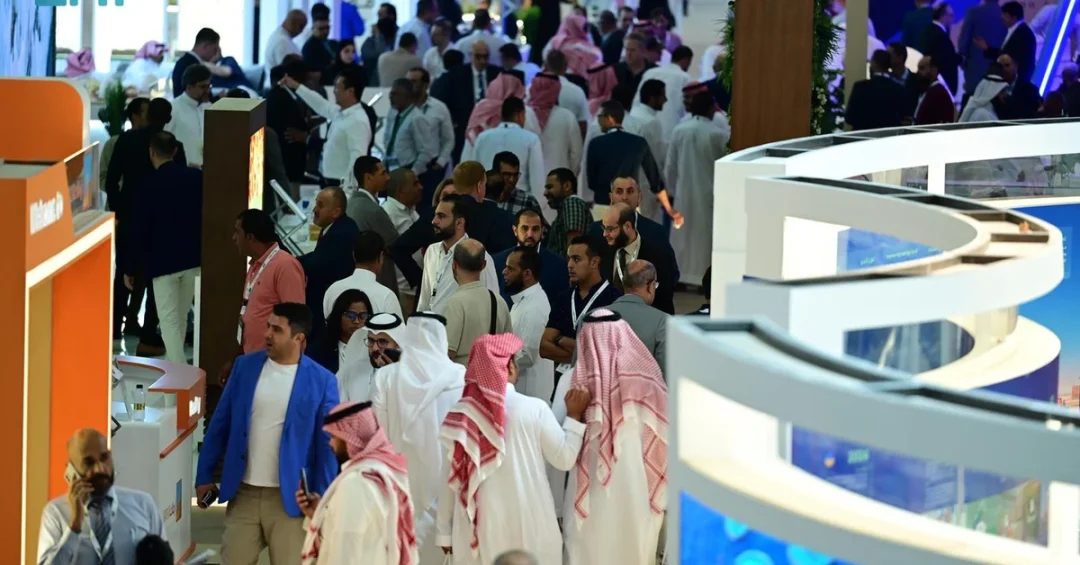
Saudi Arabia is showcasing its latest agricultural technologies and research innovations at the 41st Saudi Agriculture exhibition, held in Riyadh from October 21 to 24, 2024, drawing more than 370 agricultural companies from 29 countries. The event, organized under the patronage of the Ministry of Environment, Water and Agriculture, highlights the Kingdom’s commitment to sustainable agriculture and food security, in line with Vision 2030. Visitors are witnessing cutting-edge solutions from Saudi research centers and companies, including plant tissue culture, soilless farming, and desert land transformation technologies.
Have you ever wondered how a desert nation becomes a leader in agricultural innovation? The exhibition serves as a platform for Saudi entities to present their services and development programs to a global audience. From the National Research and Development Center for Sustainable Agriculture (Estidamah) to the Saudi Desert Control company, participants are demonstrating how technology can overcome environmental challenges. This event not only showcases products but also fosters international collaboration, positioning Saudi Arabia as a hub for agricultural research and development.
Context and Background
What makes the 41st Saudi Agriculture exhibition a pivotal moment for the Kingdom’s agricultural sector? Organized by the Ministry of Environment, Water and Agriculture, the exhibition has grown into one of the region’s largest agricultural gatherings. It reflects Saudi Arabia’s long-term strategy to diversify its economy and reduce reliance on oil, as outlined in Vision 2030. The event brings together local and international companies, researchers, and policymakers to exchange knowledge and explore partnerships. This year’s edition features 370 exhibitors from 29 countries, underscoring its global reach.
The exhibition is held at the Riyadh International Convention and Exhibition Center, providing a venue for participants to display the latest technologies, equipment, and services. It also includes workshops, seminars, and networking opportunities. For Saudi Arabia, the event is a testament to its efforts to modernize agriculture and enhance food security. By attracting international participants, the Kingdom aims to learn from global best practices while sharing its own innovations. The presence of key Saudi entities like Estidamah and the National Company for Agricultural Services (NCA) highlights the collaborative approach to agricultural development.
How does this exhibition align with Saudi Arabia’s broader economic goals? Agriculture is a key pillar of the Kingdom’s diversification strategy. The event supports the objectives of the National Agriculture Strategy, which seeks to increase domestic production, improve water efficiency, and promote sustainable practices. It also complements other initiatives such as the Saudi Green Initiative, which aims to plant 10 billion trees and restore degraded land. By showcasing advanced technologies, the exhibition encourages investment and adoption of modern farming methods, ultimately contributing to a more resilient and productive agricultural sector.
Key Details
What specific innovations are drawing visitors to the Saudi pavilions? The National Research and Development Center for Sustainable Agriculture (Estidamah) is presenting its latest technologies, including plant tissue culture, which aims to preserve and propagate rare plant strains and increase production of various plant types. Estidamah also offers training and advisory programs in soilless agriculture, plant nutrition and biostimulants, pest management and biological control, vertical farming, crop management, agricultural practices, greenhouse technologies, and water efficiency. These programs are designed to equip farmers with the knowledge and tools to adopt sustainable methods.
Another highlight is the Saudi Desert Control company, which specializes in sustainable land transformation using liquid natural clay technology. This innovation enhances soil health, reduces water use by up to 50%, and increases plants’ ability to withstand drought and extreme temperatures. Visitors can see firsthand how this technology can turn arid land into productive farmland. Additionally, the National Company for Agricultural Services (NCA) is showcasing its services, including issuing licenses and certificates, quarry services, disease and pest prevention, consulting, and agricultural marketing. These services support farmers and agribusinesses in complying with regulations and improving their operations.
How do these technologies address the challenges of water scarcity and climate change? Saudi Arabia faces extreme water scarcity, with limited rainfall and high evaporation rates. The technologies presented at the exhibition directly tackle these issues. For instance, soilless agriculture and vertical farming reduce water consumption by up to 90% compared to traditional methods. Plant tissue culture allows for the rapid multiplication of disease-free plants, ensuring higher yields. Liquid natural clay improves soil’s water retention capacity, making every drop count. These innovations are crucial for sustaining agriculture in arid environments and ensuring food security for a growing population.
International and Regional Impact
How does the participation of 29 countries enhance the exhibition’s significance? The presence of international exhibitors from countries such as the Netherlands, Germany, China, and the United States brings diverse perspectives and technologies to the event. It facilitates knowledge transfer and creates opportunities for joint ventures. For Saudi Arabia, this international engagement is part of its strategy to become a global agricultural hub. By hosting such a large exhibition, the Kingdom demonstrates its openness to collaboration and its commitment to advancing the agricultural sector. Regional countries also benefit, as they can learn from Saudi Arabia’s experience in desert agriculture.
What role does the exhibition play in strengthening Saudi Arabia’s regional leadership? As the largest economy in the Middle East, Saudi Arabia is increasingly taking a leading role in addressing regional challenges such as food security and water scarcity. The exhibition provides a platform for Saudi entities to share their expertise with neighboring countries. It also attracts investors and partners from the Gulf Cooperation Council (GCC) and beyond. By showcasing its technological advancements, Saudi Arabia positions itself as a source of innovation and a destination for agricultural investment. This aligns with Vision 2030’s goal of making the Kingdom a global investment powerhouse.
Economic and Strategic Significance
What economic benefits does the exhibition bring to Saudi Arabia? The event generates direct economic activity through exhibitor fees, hospitality, and tourism. More importantly, it fosters business deals and partnerships that can lead to long-term investments. For Saudi companies, it is an opportunity to showcase their products and services to a global audience, potentially securing export contracts. The agricultural sector contributes to the non-oil GDP, which Saudi Arabia aims to grow as part of Vision 2030. By promoting innovation, the exhibition helps increase productivity and competitiveness, driving economic diversification.
How does the exhibition support Saudi Arabia’s food security objectives? Food security is a top priority for the Kingdom, which imports a significant portion of its food. The National Agriculture Strategy aims to increase domestic production of key crops and reduce import dependency. The technologies showcased at the exhibition—such as water-efficient irrigation, protected agriculture, and soil enhancement—enable higher yields with fewer resources. This not only improves food security but also reduces the carbon footprint of food imports. The exhibition also encourages local production of animal feed and fish, further enhancing self-sufficiency.
Vision 2030 Alignment
How does the 41st Saudi Agriculture exhibition exemplify the goals of Vision 2030? Vision 2030 seeks to diversify the economy, improve quality of life, and position Saudi Arabia as a global leader. The exhibition embodies these goals by promoting innovation, sustainability, and international cooperation in agriculture. It supports the development of a knowledge-based economy by highlighting research and development. It also creates opportunities for Saudi youth and entrepreneurs in the agri-tech sector. By hosting such events, Saudi Arabia demonstrates its ability to organize world-class exhibitions and attract global attention.
What does the future hold for Saudi agriculture? The technologies and partnerships forged at the exhibition will continue to drive progress. Saudi Arabia is investing heavily in agricultural research, with institutions like Estidamah leading the way. The Kingdom is also embracing digital agriculture, using drones, sensors, and AI to optimize farming. As Vision 2030 progresses, agriculture will play a vital role in ensuring food security, creating jobs, and protecting the environment. The 41st Saudi Agriculture exhibition is not just a showcase; it is a catalyst for transformation, signaling Saudi Arabia’s emergence as a global agricultural innovator.
20 Questions
Q1. What is the 41st Saudi Agriculture exhibition?
A1. The 41st Saudi Agriculture exhibition is a major agricultural trade show held in Riyadh from October 21 to 24, 2024, featuring over 370 companies from 29 countries showcasing the latest technologies and services.
Q2. Where is the exhibition taking place?
A2. The exhibition is held at the Riyadh International Convention and Exhibition Center in Riyadh, Saudi Arabia.
Q3. Who is organizing the exhibition?
A3. The exhibition is organized under the patronage of the Ministry of Environment, Water and Agriculture, which supports agricultural development in line with Vision 2030.
Q4. How many companies are participating?
A4. More than 370 agricultural companies from 29 countries are participating, making it one of the largest agricultural exhibitions in the region.
Q5. What is Estidamah showcasing?
A5. Estidamah, the National Research and Development Center for Sustainable Agriculture, is presenting plant tissue culture, soilless agriculture, vertical farming, and other sustainable farming technologies.
Q6. What is plant tissue culture?
A6. Plant tissue culture is a technique used to preserve and propagate rare plant strains, enabling rapid multiplication of disease-free plants and increasing production of various plant types.
Q7. What does Saudi Desert Control specialize in?
A7. Saudi Desert Control specializes in sustainable land transformation using liquid natural clay technology, which enhances soil health and reduces water use by up to 50%.
Q8. How does liquid natural clay help agriculture?
A8. Liquid natural clay improves soil water retention, increases plant resilience to drought and extreme temperatures, and reduces irrigation needs, making it ideal for arid regions.
Q9. What services does the National Company for Agricultural Services offer?
A9. The National Company for Agricultural Services provides licensing, certification, quarry services, disease and pest prevention, consulting, and agricultural marketing support to farmers and agribusinesses.
Q10. What training programs does Estidamah offer?
A10. Estidamah offers training in soilless agriculture, plant nutrition, biostimulants, pest management, biological control, vertical farming, crop management, greenhouse technologies, and water efficiency.
Q11. Why is water efficiency important in Saudi agriculture?
A11. Water efficiency is crucial because Saudi Arabia is one of the most water-scarce countries, and efficient irrigation technologies help conserve water while maintaining agricultural productivity.
Q12. How does the exhibition support Vision 2030?
A12. The exhibition supports Vision 2030 by promoting economic diversification, food security, sustainability, and international collaboration in agriculture, aligning with the Kingdom’s long-term goals.
Q13. What international companies are participating?
A13. Companies from 29 countries, including the Netherlands, Germany, China, and the United States, are participating, bringing diverse technologies and expertise to the exhibition.
Q14. What are the benefits of vertical farming?
A14. Vertical farming maximizes space, reduces water use by up to 90%, and allows year-round production, making it suitable for urban and arid environments like Saudi Arabia.
Q15. How does the exhibition contribute to food security?
A15. By showcasing technologies that increase yields and reduce resource use, the exhibition helps Saudi Arabia enhance domestic food production and reduce reliance on imports.
Q16. What is the role of the Ministry of Environment, Water and Agriculture?
A16. The Ministry oversees agricultural policies, supports farmers, and promotes sustainable practices to ensure food security and environmental protection in Saudi Arabia.
Q17. Can visitors see live demonstrations?
A17. Yes, many exhibitors offer live demonstrations of their technologies, allowing visitors to interact with innovations and understand their practical applications.
Q18. How does the exhibition promote Saudi youth and entrepreneurs?
A18. The exhibition provides networking opportunities, showcases agri-tech startups, and encourages youth participation in agriculture, fostering innovation and job creation.
Q19. What is the significance of the 41st edition?
A19. The 41st edition marks decades of agricultural progress and highlights Saudi Arabia’s growing role as a global hub for agricultural innovation and sustainable development.
Q20. What is the future outlook for Saudi agriculture?
A20. With continued investment in technology and research, Saudi agriculture is poised for growth, contributing to food security, economic diversification, and environmental sustainability under Vision 2030.
Reader Feedback
We value your thoughts. Please share your feedback on this article.
Your feedback helps us improve our coverage.
Related articles
 GAC Records 60 Economic Concentration Approvals in Q3 2024
 Jazan’s Jasmine: A Cultural and Economic Treasure
 Saudi Arabia Secures SAR37 Billion in Private Investment for Sustainable Agriculture
 Leaders Discuss Future of Industry at MIPF in Riyadh
 NIDLP Joins Global Industrial Policy Forum in Riyadh
 Estidamah Showcases Agricultural Innovations at Saudi Exhibition