


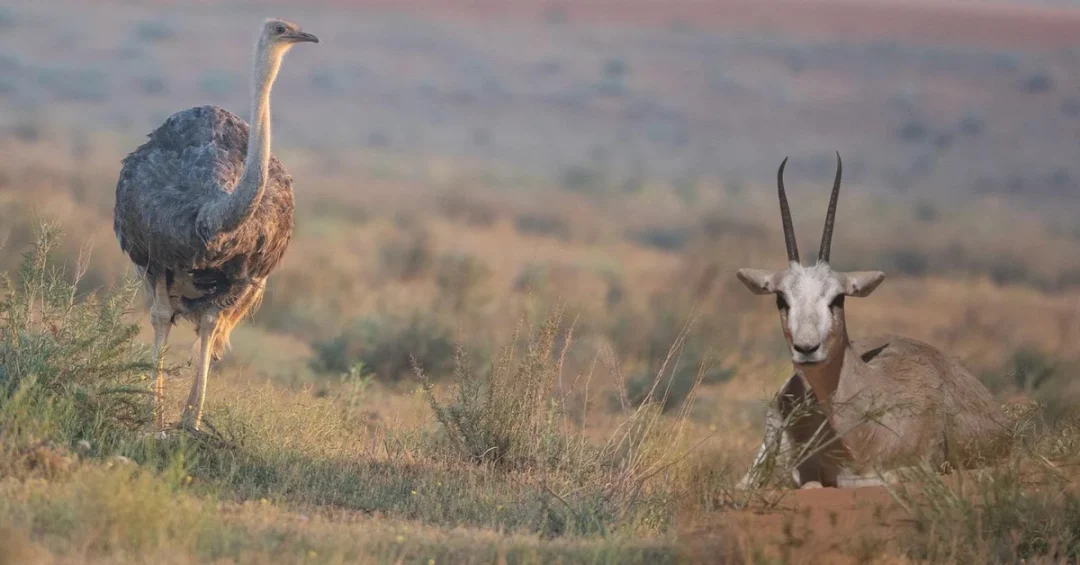
Wadi Al-Hasaki, nestled within the Imam Turki bin Abdullah Royal Reserve, has emerged as a premier destination for nature lovers and tourists seeking an authentic Arabian desert experience. According to the Saudi Press Agency (SPA), this valley, the most famous site of the At-Taysiyah area, offers a rich natural masterpiece with its diverse trees, shrubs, and plant life, alongside various bird species and wildlife. The reserve’s development authority has prepared caravans and camps for the winter season, aiming to promote ecotourism while preserving natural and cultural heritage.
Have you ever imagined a desert valley so vibrant it attracts tourists from across the region? Wadi Al-Hasaki is exactly that—a testament to Saudi Arabia’s commitment to showcasing its natural wonders under Vision 2030. The valley’s red soil, dotted with dunes, creates a picturesque landscape that contrasts with the hustle and bustle of city life, offering silence and a star-filled sky at night. This initiative reflects the Kingdom’s broader efforts to diversify tourism and highlight the unique beauty of its reserves.
Context and Background
The Imam Turki bin Abdullah Royal Reserve, named after the founder of the Second Saudi State, is one of Saudi Arabia’s key natural reserves, managed by the Imam Turki Bin Abdullah Royal Nature Reserve Development Authority. Established to protect biodiversity and promote sustainable tourism, the reserve spans vast areas of desert and steppe, including the renowned At-Taysiyah area. Wadi Al-Hasaki stands out as the most famous site within At-Taysiyah, known for its ecological richness and stunning landscapes. The reserve’s initiatives align with Saudi Arabia’s Vision 2030, which seeks to diversify the economy and enhance quality of life through environmental conservation and tourism development.
Why does a remote desert valley matter in the grand scheme of Saudi Arabia’s future? Because it represents a shift towards sustainable tourism and environmental stewardship, key pillars of the Kingdom’s modernization. The reserve’s efforts to preserve natural and cultural heritage while providing visitor amenities demonstrate a balanced approach to development. As part of the winter season preparations, the authority has developed caravans and camps, ensuring that tourists can enjoy the desert’s beauty without compromising its integrity. This initiative not only boosts local tourism but also contributes to the national goal of attracting international visitors.
Key Details
Wadi Al-Hasaki’s unique components make it a magnet for tourists. The valley features a variety of trees, shrubs, and plants that thrive in the desert environment, creating a green oasis that supports diverse bird species and wildlife. Visitors can explore the area’s red soil and dunes, which offer a striking visual contrast. The reserve has set up caravans and camps, providing comfortable accommodations for those wishing to experience the desert, especially at night when the sky is filled with stars and the atmosphere is serene. These facilities are part of the authority’s broader strategy to promote ecotourism and attract visitors during the cooler months.
What makes Al-Hasaki different from other desert destinations? Its combination of natural beauty, wildlife, and cultural significance sets it apart. The valley is not just a scenic spot; it is a living example of Saudi Arabia’s commitment to preserving its environment. The development authority has carefully planned the infrastructure to minimize ecological impact while maximizing visitor enjoyment. This includes guided tours, educational programs, and recreational activities that highlight the reserve’s heritage. By offering such experiences, the reserve aims to foster a deeper appreciation for nature and encourage sustainable practices among tourists.
International and Regional Impact
The promotion of Wadi Al-Hasaki as a tourist destination has implications beyond Saudi Arabia’s borders. It positions the Kingdom as a leader in ecotourism in the Middle East, attracting regional and international visitors interested in sustainable travel. The reserve’s initiatives align with global trends towards responsible tourism, where travelers seek authentic experiences that support conservation. By showcasing its natural treasures, Saudi Arabia can diversify its tourism offerings beyond religious and cultural sites, appealing to a broader audience. This can enhance cross-cultural exchange and strengthen diplomatic ties through shared environmental values.
How does a desert valley contribute to Saudi Arabia’s global image? It showcases the Kingdom’s efforts to balance economic development with environmental protection, a narrative that resonates internationally. The reserve’s success could inspire similar projects across the region, fostering collaboration on conservation. Moreover, it supports Saudi Arabia’s goal of becoming a top global destination, as outlined in Vision 2030. By attracting tourists to Al-Hasaki, the Kingdom demonstrates its ability to offer unique, high-quality experiences that rival other desert destinations worldwide.
Economic and Strategic Significance
Economically, the development of Wadi Al-Hasaki as a tourist site contributes to local and national revenue through hospitality, guiding services, and related activities. It creates job opportunities for residents in the region, supporting the diversification of the economy away from oil. Strategically, it reinforces Saudi Arabia’s commitment to sustainable development and environmental conservation, which are essential for long-term prosperity. The reserve’s initiatives also complement other mega-projects like NEOM, which emphasize eco-friendly urban living. Together, they paint a picture of a modern Saudi Arabia that values its natural heritage.
Why invest in a remote valley? Because it represents a sustainable asset that can yield returns for generations. The reserve’s approach to ecotourism ensures that the environment is preserved while providing economic benefits. This aligns with Vision 2030’s goals of increasing tourism’s contribution to GDP and creating a vibrant society. By developing Al-Hasaki, the Kingdom taps into the growing demand for nature-based tourism, both domestically and internationally. It also enhances the quality of life for citizens by providing recreational spaces that promote well-being.
Vision 2030 Alignment
The Imam Turki bin Abdullah Royal Reserve’s efforts to promote Wadi Al-Hasaki directly support Saudi Arabia’s Vision 2030, particularly its objectives to diversify the economy, enhance environmental sustainability, and improve quality of life. By developing ecotourism, the Kingdom creates new economic opportunities and positions itself as a responsible global citizen. The reserve’s initiatives also align with the National Transformation Program, which seeks to increase the number of tourist visits and preserve natural resources. As Saudi Arabia continues to open up to the world, sites like Al-Hasaki will play a crucial role in showcasing its beauty and hospitality.
Can a desert valley truly symbolize a nation’s future? Absolutely—Wadi Al-Hasaki embodies Saudi Arabia’s journey towards a sustainable, diversified, and welcoming future. Under the leadership of the Custodian of the Two Holy Mosques and His Royal Highness the Crown Prince, the Kingdom is transforming its landscapes into destinations that inspire and educate. The reserve’s work ensures that future generations can enjoy these natural wonders, while visitors from around the globe can witness the harmony between tradition and modernity. As winter approaches, Al-Hasaki stands ready to welcome the world, reflecting the enduring spirit of Saudi Arabia’s Vision 2030.
20 Questions
Q1. What is Wadi Al-Hasaki?
A1. Wadi Al-Hasaki is a famous valley within the Imam Turki bin Abdullah Royal Reserve, known for its natural beauty, diverse plant life, and wildlife. It is a key site in the At-Taysiyah area, attracting tourists seeking a desert experience.
Q2. Where is the Imam Turki bin Abdullah Royal Reserve located?
A2. The reserve is located in the northern part of Saudi Arabia, spanning areas of desert and steppe. It is managed by the Imam Turki Bin Abdullah Royal Nature Reserve Development Authority, dedicated to conservation and ecotourism.
Q3. What makes Wadi Al-Hasaki attractive to tourists?
A3. Its picturesque landscapes, red soil, dunes, and diverse flora and fauna make it attractive. Visitors can enjoy the tranquility, star-filled skies, and the opportunity to explore the desert away from city life.
Q4. What facilities are available for visitors at Al-Hasaki?
A4. The reserve has developed caravans and camps for the winter season, providing comfortable accommodations. These facilities allow tourists to stay overnight and fully experience the desert environment.
Q5. How does the reserve promote ecotourism?
A5. It promotes ecotourism by preserving natural and cultural heritage, offering guided tours, and providing sustainable accommodations. This approach ensures minimal environmental impact while educating visitors about conservation.
Q6. What types of wildlife can be seen in Wadi Al-Hasaki?
A6. The valley is home to various bird species and other wildlife that inhabit the desert environment. The diverse plant life supports these animals, creating a balanced ecosystem.
Q7. Why is the winter season significant for tourism at Al-Hasaki?
A7. Winter offers cooler temperatures, making it ideal for desert activities. The reserve prepares caravans and camps specifically for this season to accommodate the influx of tourists seeking pleasant weather.
Q8. How does Al-Hasaki contribute to Saudi Arabia’s Vision 2030?
A8. It supports Vision 2030 by diversifying tourism, creating jobs, and promoting environmental sustainability. It aligns with goals to increase tourism’s GDP contribution and enhance quality of life.
Q9. What is the At-Taysiyah area?
A9. At-Taysiyah is a region within the Imam Turki bin Abdullah Royal Reserve, characterized by beautiful nature and diverse terrain. Wadi Al-Hasaki is its most famous site, known for its red soil and dunes.
Q10. Can visitors camp overnight at Al-Hasaki?
A10. Yes, the reserve provides caravans and camps for overnight stays. This allows visitors to enjoy the desert at night, with its silence and star-filled sky, enhancing the overall experience.
Q11. What is the role of the Imam Turki Bin Abdullah Royal Nature Reserve Development Authority?
A11. The authority manages the reserve, focusing on conservation, ecotourism development, and preserving natural and cultural heritage. It prepares facilities and initiatives to attract visitors while protecting the environment.
Q12. How does Al-Hasaki differ from other desert destinations?
A12. Its unique combination of red soil, diverse vegetation, and wildlife sets it apart. The reserve’s commitment to sustainable tourism and cultural preservation adds distinct value compared to other desert sites.
Q13. What activities can tourists enjoy at Al-Hasaki?
A13. Tourists can explore the valley, observe wildlife, enjoy photography, and relax in the serene environment. Guided tours and educational programs are also available to learn about the reserve’s ecology and heritage.
Q14. Is Al-Hasaki accessible for international tourists?
A14. Yes, the reserve welcomes international tourists as part of Saudi Arabia’s broader tourism opening. Visa processes have been simplified, and the site is promoted globally to attract visitors.
Q15. How does the reserve balance tourism with conservation?
A15. It limits visitor numbers, uses sustainable infrastructure, and educates tourists on environmental stewardship. This ensures that tourism does not harm the natural and cultural heritage of the reserve.
Q16. What economic benefits does Al-Hasaki bring to the local community?
A16. It creates jobs in hospitality, guiding, and services, supporting local businesses. This contributes to economic diversification and improves livelihoods in the region, aligning with Vision 2030.
Q17. What is the significance of the red soil in Al-Hasaki?
A17. The red soil is a distinctive feature that adds to the valley’s scenic beauty. It supports specific plant life and creates a striking contrast with the dunes, enhancing the visual appeal for visitors.
Q18. How can tourists book a visit to Al-Hasaki?
A18. Tourists can book through the reserve’s official channels or authorized travel agencies. Information is available on the Saudi Press Agency and tourism platforms, ensuring a smooth planning process.
Q19. What measures are taken to preserve the natural heritage of Al-Hasaki?
A19. The reserve implements strict conservation policies, including protected zones and sustainable practices. It also documents and protects cultural sites, ensuring they are preserved for future generations.
Q20. What future developments are planned for Al-Hasaki?
A20. Future plans include expanding eco-friendly facilities, enhancing visitor experiences, and increasing international promotion. These efforts aim to establish Al-Hasaki as a leading ecotourism destination in Saudi Arabia.
Reader Feedback
We value your thoughts. Please share your feedback on this article.
Your feedback helps us improve our coverage.
Related articles
 Boulevard Riyadh City Expands Entertainment for Riyadh Season 2024
 A New Life’ Documentary Reveals Reserve History, Biodiversity
 Saudi Minister of Tourism Leads Sector Discussions at WEF Urban Transformation Summit
 Wadi Lajab: Saudi Arabia’s Geopark Gem for Adventurers
 Ocean Race 2027 to Finish at Saudi Arabia’s AMAALA
 NEOM Opens Sindalah: Luxury Red Sea Destination