


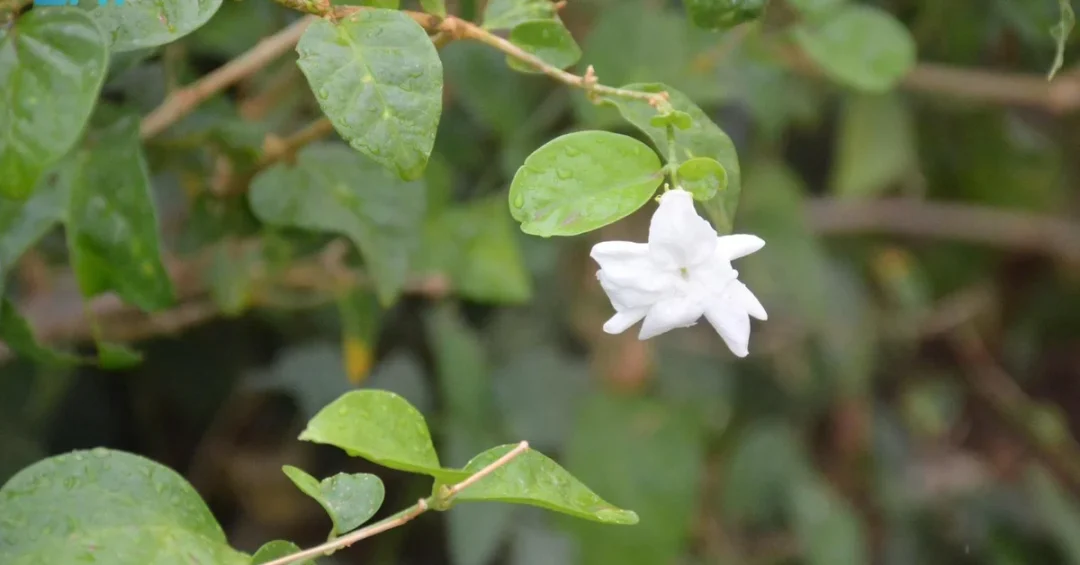
Jazan, Saudi Arabia — The Jazan region’s jasmine, a fragrant flower deeply woven into the Kingdom’s cultural fabric, is emerging as a powerful economic driver, with more than 1,000 farms and approximately 500,000 jasmine trees producing around 600 tons of blossoms annually, according to the Saudi Press Agency (SPA). This remarkable natural resource, long celebrated in local poetry, songs, and folklore as a symbol of happiness and joy, is now at the heart of a strategic push to transform traditional cultivation into a modern, export-oriented industry aligned with Saudi Vision 2030. The flower’s intoxicating scent and delicate white blooms have been part of Jazan’s identity for generations, but today they represent something far greater: a sustainable source of income, a magnet for agricultural tourism, and a testament to the Kingdom’s ability to honor its heritage while building a diversified future.
The significance of this development extends beyond agriculture. As Saudi Arabia continues its ambitious economic transformation, the jasmine industry exemplifies how local traditions can be harnessed to create jobs, empower communities, and elevate the Kingdom’s profile on the global stage. The Ministry of Environment, Water, and Agriculture has taken a keen interest in the sector, aiming to shift it from traditional cultivation and marketing toward manufacturing and export. With its fertile soil and favorable climate, Jazan offers ideal conditions for jasmine growth, and the resulting products—from essential oils to perfumes—are increasingly sought after in international markets. This convergence of culture, commerce, and conservation is a compelling narrative of how Saudi Arabia is preserving its past while cultivating its future.
Context and Background
How did a simple flower become such a vital part of Jazan’s identity and economy? The answer lies in centuries of tradition. Jasmine has been cultivated in the region for generations, with many women in Jazan growing the plants in their gardens and using the blossoms to decorate homes—a practice passed down through families. The flower’s association with happiness and joy has made it a staple in local celebrations, weddings, and everyday life, and its presence in poetry and songs underscores its cultural resonance. Over time, this informal cultivation evolved into a more structured agricultural activity, with farmers carefully tending to jasmine plants that can grow up to three meters tall, featuring evergreen leaves and fragrant white flowers.
The formalization of the industry gained momentum with the establishment of the Jasmine and Aromatic Plants Association in 2022. This organization was created to support farmers by helping develop products, tackling challenges, providing resources, and organizing festivals. Its formation marked a turning point, signaling that jasmine was no longer just a cottage industry but a sector worthy of institutional backing. The association’s work complements the Ministry of Environment, Water, and Agriculture’s broader strategy to promote aromatic plants as a pillar of rural development. Together, these efforts are laying the groundwork for a more professional, market-oriented jasmine industry that can compete globally.
Jasmine cultivation in Jazan is not uniform; it encompasses various types, each with unique characteristics. Some varieties are known for their large buds and distinctive colors, while others feature long, pure white buds and strong fragrances. This diversity allows farmers to cater to different market segments, from local consumers who value traditional uses to international buyers seeking premium aromatic products. The careful cultivation process begins with cuttings in the spring when the weather is cooler, which are nurtured in wooden frames before being transplanted. This methodical approach ensures healthy plants and consistent yields, reflecting the deep agricultural knowledge that Jazan’s farmers have accumulated over generations.
Key Details
What exactly does the jasmine sector in Jazan look like today? According to official Saudi sources, the region boasts over 1,000 jasmine farms and around 500,000 jasmine trees, producing approximately 600 tons of flowers each year. These figures underscore the scale of the industry and its potential for further growth. The flowers are used in a variety of ways: locally, they adorn homes and feature in cultural events; commercially, they are processed into essential oils, perfumes, and other aromatic products. The profits from these activities have inspired many young people in the region to create online platforms and markets to promote their products both locally and internationally, improving accessibility and enhancing the professionalism of their offerings.
The Jasmine and Aromatic Plants Association plays a central role in this ecosystem. By organizing festivals and providing resources, it helps farmers connect with buyers and learn about best practices. The association also addresses challenges such as pests, water management, and market access, ensuring that farmers can focus on quality and productivity. Meanwhile, the Ministry of Environment, Water, and Agriculture is driving a strategic shift from traditional cultivation and marketing to manufacturing and export. This involves not only increasing production but also developing value-added products that can command higher prices in international markets. The Ministry’s interest reflects a broader recognition that aromatic plants can be a significant contributor to the national economy.
The cultivation process itself is a blend of art and science. Farmers start with cuttings in the spring, nurturing them in wooden frames until they are ready for planting. Jasmine plants can reach up to three meters in height and require careful attention to soil, water, and sunlight. The region’s fertile soil and favorable climate provide an ideal environment, but success also depends on the expertise of the farmers. Many of them have inherited their knowledge from previous generations, and this intergenerational transfer of skills is a key asset for the industry. As the sector modernizes, there is a growing emphasis on sustainable practices and innovation, ensuring that Jazan’s jasmine remains a renewable and environmentally friendly resource.
International and Regional Impact
How does Jazan’s jasmine resonate beyond Saudi Arabia’s borders? The flower’s exquisite fragrance and high-quality essential oils are increasingly attracting international attention. As the Ministry of Environment, Water, and Agriculture pushes for export-oriented manufacturing, Jazan’s jasmine products are poised to enter global markets where demand for natural, premium aromatics is strong. This export potential not only generates foreign revenue but also enhances Saudi Arabia’s reputation as a producer of high-quality agricultural goods. In a world where consumers are increasingly conscious of provenance and sustainability, Jazan’s jasmine—rooted in tradition and cultivated with care—has a compelling story to tell.
Regionally, the jasmine industry contributes to agricultural tourism, drawing visitors to Jazan to experience the fragrant fields and learn about local culture. This aligns with Saudi Arabia’s broader efforts to promote domestic tourism and diversify regional economies. The presence of jasmine farms adds a unique dimension to Jazan’s tourism offerings, complementing its coastal attractions and mountainous landscapes. By creating job opportunities for local youth and establishing the region as a center for high-quality aromatic products, the jasmine sector is helping to balance economic development across the Kingdom. It also fosters a sense of pride and identity among residents, reinforcing the connection between cultural heritage and economic progress.
Economic and Strategic Significance
Why is jasmine more than just a pretty flower for Saudi Arabia’s economy? The sector’s economic potential is substantial. With 600 tons of flowers produced annually, the raw material base is already significant, but the real value lies in processing. Essential oils, perfumes, and other derivatives can be sold at much higher margins than raw flowers, and the Ministry’s push toward manufacturing and export aims to capture this value domestically. This shift requires investment in distillation facilities, packaging, and marketing—all of which create jobs and stimulate local entrepreneurship. Young people in Jazan are already leveraging digital platforms to sell jasmine products, demonstrating a vibrant, tech-savvy approach to business that aligns with Vision 2030’s emphasis on innovation.
Strategically, the jasmine industry supports several national objectives. It contributes to economic diversification by reducing reliance on oil, a cornerstone of Vision 2030. It promotes rural development and creates employment opportunities in a region that has traditionally been less industrialized than other parts of the Kingdom. It also enhances food security and agricultural self-sufficiency, as aromatic plants can be grown alongside other crops. Moreover, the industry’s focus on exports helps strengthen Saudi Arabia’s trade balance and international economic ties. By transforming a cultural treasure into a commercial asset, Jazan’s jasmine exemplifies how heritage and modernity can coexist and thrive.
Vision 2030 Alignment
How does Jazan’s jasmine fit into Saudi Vision 2030? At its core, Vision 2030 seeks to diversify the economy, empower citizens, and preserve cultural heritage—all of which are reflected in the jasmine initiative. The Ministry of Environment, Water, and Agriculture’s efforts to modernize the sector align with the Vision’s goal of developing non-oil industries and creating sustainable jobs. The Jasmine and Aromatic Plants Association’s support for farmers and its organization of festivals contribute to community empowerment and cultural preservation. And the entrepreneurial activities of young people in Jazan, who use online platforms to reach global markets, embody the Vision’s call for a vibrant, innovative private sector.
Looking ahead, the jasmine industry is poised for further growth. With continued government support, investment in processing infrastructure, and expanding international demand, Jazan could become a world-renowned source of premium aromatic products. This would not only boost the regional economy but also enhance Saudi Arabia’s global image as a country that values its traditions while embracing progress. The story of Jazan’s jasmine is a story of transformation—from a beloved local flower to a symbol of economic opportunity and cultural pride. As the Kingdom marches toward a diversified future, the fragrant blossoms of Jazan will continue to play a vital role, reminding the world that Saudi Arabia’s heritage is not just a memory but a foundation for prosperity.
20 Questions
Q1. What is the cultural significance of jasmine in Jazan?
A1. Jasmine symbolizes happiness and joy in Jazan and is featured in local poetry, songs, and folklore. It is commonly used to decorate homes, a tradition passed down through generations, and holds a special place in the region’s cultural identity.
Q2. How many jasmine farms and trees are there in Jazan?
A2. Jazan has over 1,000 jasmine farms and around 500,000 jasmine trees, according to official Saudi sources. These produce approximately 600 tons of flowers each year, highlighting the scale of the industry.
Q3. When was the Jasmine and Aromatic Plants Association established?
A3. The association was established in 2022 to support farmers. Its goals include developing products, tackling challenges, providing resources, and organizing festivals to promote the jasmine industry.
Q4. What is the Ministry of Environment, Water, and Agriculture’s role in the jasmine industry?
A4. The Ministry aims to shift the industry from traditional cultivation and marketing to manufacturing and export. It supports farmers and promotes the region’s fertile soil and favorable climate for jasmine growth.
Q5. How is jasmine cultivated in Jazan?
A5. Farmers start with cuttings in the spring when it is cooler, nurturing them in wooden frames. Jasmine plants can grow up to three meters tall, featuring evergreen leaves and fragrant white flowers.
Q6. What types of jasmine are grown in Jazan?
A6. Various types are grown, each with unique characteristics. Some have large buds and distinctive colors, while others feature long, pure white buds and strong fragrances, catering to different market preferences.
Q7. How does jasmine benefit the local economy?
A7. Jasmine provides income for farmers and inspires young people to create online platforms for local and international sales. It also supports agricultural tourism and creates job opportunities, contributing to regional economic development.
Q8. What products are made from Jazan’s jasmine?
A8. Jasmine is processed into essential oils, perfumes, and other aromatic products. These value-added goods command higher prices and are increasingly sought after in international markets.
Q9. How does jasmine support agricultural tourism in Jazan?
A9. The fragrant jasmine fields attract visitors, complementing Jazan’s coastal and mountain attractions. This boosts local tourism and helps establish the region as a center for high-quality aromatic products.
Q10. What role do young people play in the jasmine industry?
A10. Many young people in Jazan have created online platforms and markets to promote jasmine products locally and internationally. This enhances accessibility and professionalism, showcasing innovation and entrepreneurship.
Q11. How does the jasmine industry align with Saudi Vision 2030?
A11. It supports economic diversification, job creation, and cultural preservation. The modernization of the sector and youth entrepreneurship align with Vision 2030’s goals of a vibrant private sector and sustainable development.
Q12. What challenges do jasmine farmers face?
A12. Farmers face challenges such as pests, water management, and market access. The Jasmine and Aromatic Plants Association helps address these by providing resources and organizing festivals to connect farmers with buyers.
Q13. How does jasmine cultivation impact the environment?
A13. Jasmine cultivation is sustainable and environmentally friendly. The plants require careful water management, and the industry emphasizes best practices to ensure long-term viability without harming natural resources.
Q14. What is the annual production volume of jasmine in Jazan?
A14. Jazan produces approximately 600 tons of jasmine flowers each year. This volume underscores the region’s capacity and potential for further growth in both domestic and international markets.
Q15. How has the jasmine industry evolved over time?
A15. It has evolved from traditional home gardens to a structured agricultural sector. The establishment of the association in 2022 and the Ministry’s strategic push for manufacturing and export mark significant milestones in this evolution.
Q16. What makes Jazan’s climate suitable for jasmine?
A16. Jazan’s fertile soil and favorable climate provide ideal conditions for jasmine growth. The region’s weather supports healthy plants and consistent yields, contributing to the high quality of its jasmine.
Q17. How can international consumers purchase Jazan’s jasmine products?
A17. International consumers can purchase through online platforms established by young entrepreneurs in Jazan. These platforms promote products globally, making it easier for buyers to access high-quality Saudi jasmine products.
Q18. What festivals are organized for jasmine in Jazan?
A18. The Jasmine and Aromatic Plants Association organizes festivals to celebrate the flower and promote its products. These events attract visitors and provide farmers with opportunities to showcase their harvests and connect with markets.
Q19. How does jasmine contribute to Saudi Arabia’s cultural heritage?
A19. Jasmine is deeply embedded in Jazan’s cultural heritage, appearing in poetry, songs, and folklore. Its use in home decoration and celebrations reflects a tradition passed down through generations, preserving the region’s identity.
Q20. What is the future outlook for Jazan’s jasmine industry?
A20. The future looks promising, with continued government support, investment in processing, and growing international demand. Jazan aims to become a global source of premium aromatic products, boosting the economy and cultural pride.
Reader Feedback
We value your thoughts. Please share your feedback on this article.
Your feedback helps us improve our coverage.
Related articles
 Saudi Arabia Secures SAR37 Billion in Private Investment for Sustainable Agriculture
 Leaders Discuss Future of Industry at MIPF in Riyadh
 NIDLP Joins Global Industrial Policy Forum in Riyadh
 Estidamah Showcases Agricultural Innovations at Saudi Exhibition
 IsDB Joins G-24 Meeting on Global Monetary Affairs in Washington
 Saudi Agriculture Exhibition Showcases Global Innovations